

Products and services

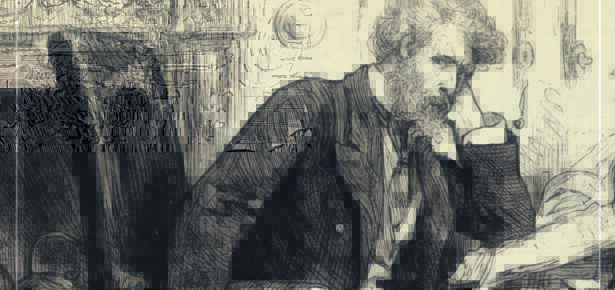
Why would a psychiatric institution publish a periodical in the nineteenth century?
This is the question I asked myself ten years ago, when I read the following sentence on the website of the Royal Edinburgh Hospital: ‘A printing press was installed, and a magazine, the Morningside Mirror, was produced.’ I soon found out that the Edinburgh hospital was not unique in its publishing project. As my research progressed, the list of asylum periodicals grew in both size and geographical scope, reaching over twenty titles in Britain, the United States, Canada, Spain, Argentina, and South Africa. Only a few of them had been studied, mostly as isolated cases. But as The Nineteenth-Century Asylum Periodical shows, the emergence of these publications on both sides of the Atlantic was interlinked. It was also often a result of patients’ agency, ingenuity, and ability to navigate the complexities of the institutional space.
What makes these publications important is patients’ involvement in their making. Some were initiated, edited and printed by patients, and all of them featured patients’ writing. The poetry featured in their pages was mostly gloomy, and there was the occasional depiction of otherworldly visions and sensations, but for the most part, they disappointed readers seeking sensation. They appeared to be little different from other magazines and newspapers, featuring a mix of essays, news, reports about their host institution and the treatment of insanity, autobiographical pieces, poetry, puzzles, and anecdotes.
Their ‘polished’ look might be mistaken as a consequence of strict institutional censorship, but my book warns against reductive interpretations. Narrating the stories of the patients and staff involved in these publishing endeavours, it portrays asylum periodicals as nodes in complex networks of relationships that extended beyond the asylum walls. It shows that, despite asylums’ restrictive regimes, the publications created new possibilities for patients to communicate with each other and the outside world.
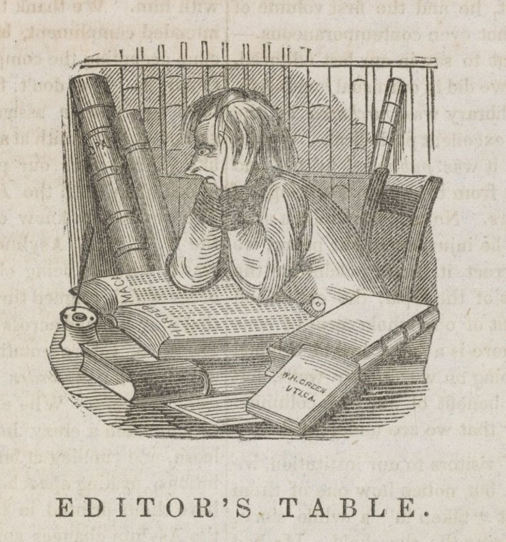
At a time when periodicals were produced in the remotest corners of the globe, asylum patients too utilised the press for their own needs. Among asylum periodicals’ functions were supporting patients’ families, fending off boredom, entertainment, community building, and creative expression that might not be available otherwise. Through the publications, patients also found an opportunity to represent themselves, engage with contemporary depictions of madness, and challenge prejudice (often through self-deprecating humour, as the illustration from The Opal below shows). That self-representation was naturally imperfect: it was fraught with inconsistencies, interpersonal conflicts, and power imbalances. But what publishing project isn’t a result of negotiations, selection, and compromise?
The voices that do reach us through asylum periodicals are modern, relatable voices. They share the sorrows of loss and the joys of newfound hope and inspiration. They reflect on the freedom of the press and its limits. They call out injustices, many of which are echoed by modern-day people with experience of madness and mental illness, and expose the faulty narratives society tells itself to appease its collective conscience. They promote solidarity across social divides or further reenforce existing hierarchies in pursuit of individual empowerment. Most of all, they urge readers past and present to listen and think about our own expectations and treatment of madness.
Asylum periodicals are a precious though overlooked resource not only for the history of psychiatry, but also for studying the role of printing and literature in representing marginalised communities. The Nineteenth-Century Asylum Periodical will hopefully pave the way for further exploration of the literary legacies of those who spoke through them.
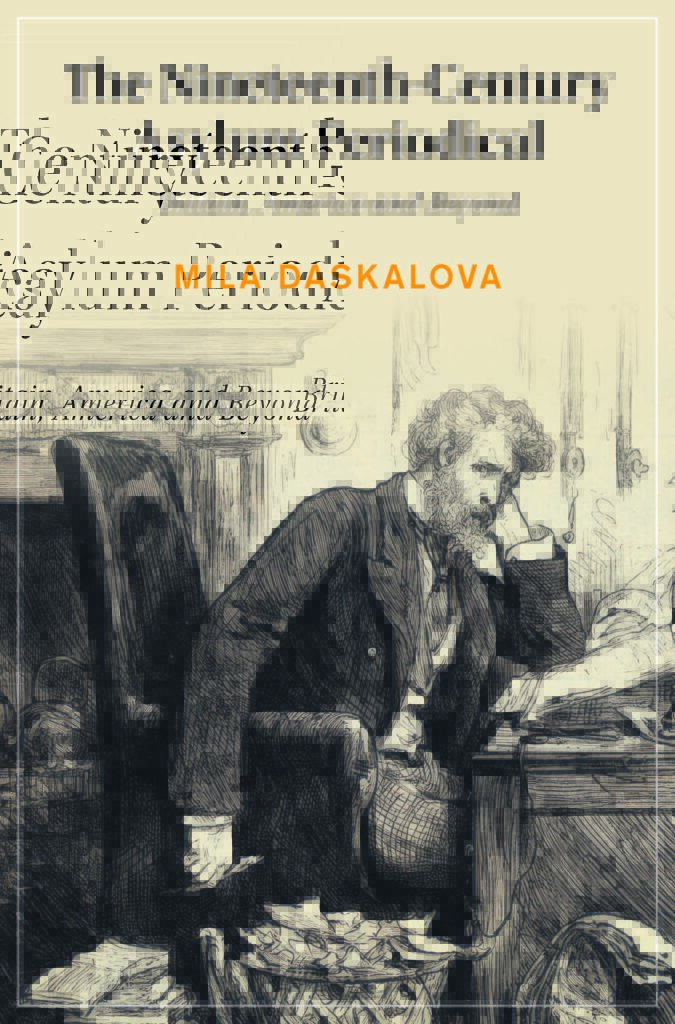

Mila Daskalova is a British Academy and LKAS Research Fellow at the University of Glasgow. Her Ph.D. thesis (University of Strathclyde, 2022) won the Sally Mitchell Dissertation Pr...
View profile >Keep up with the latest from Cambridge University Press on our social media accounts.



Latest Comments
Have your say!