

Products and services

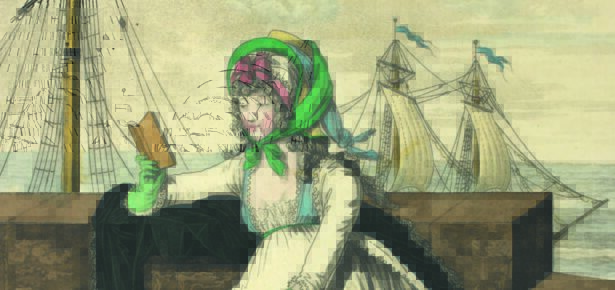
When is interruption an art form? Short answer: the eighteenth-century novel.
Interrupting another speaker gets a bad rap: common charges lodged against listeners who jump the queue maintain that interrupters are pushy, rude, impatient, or, at the least, distracting.
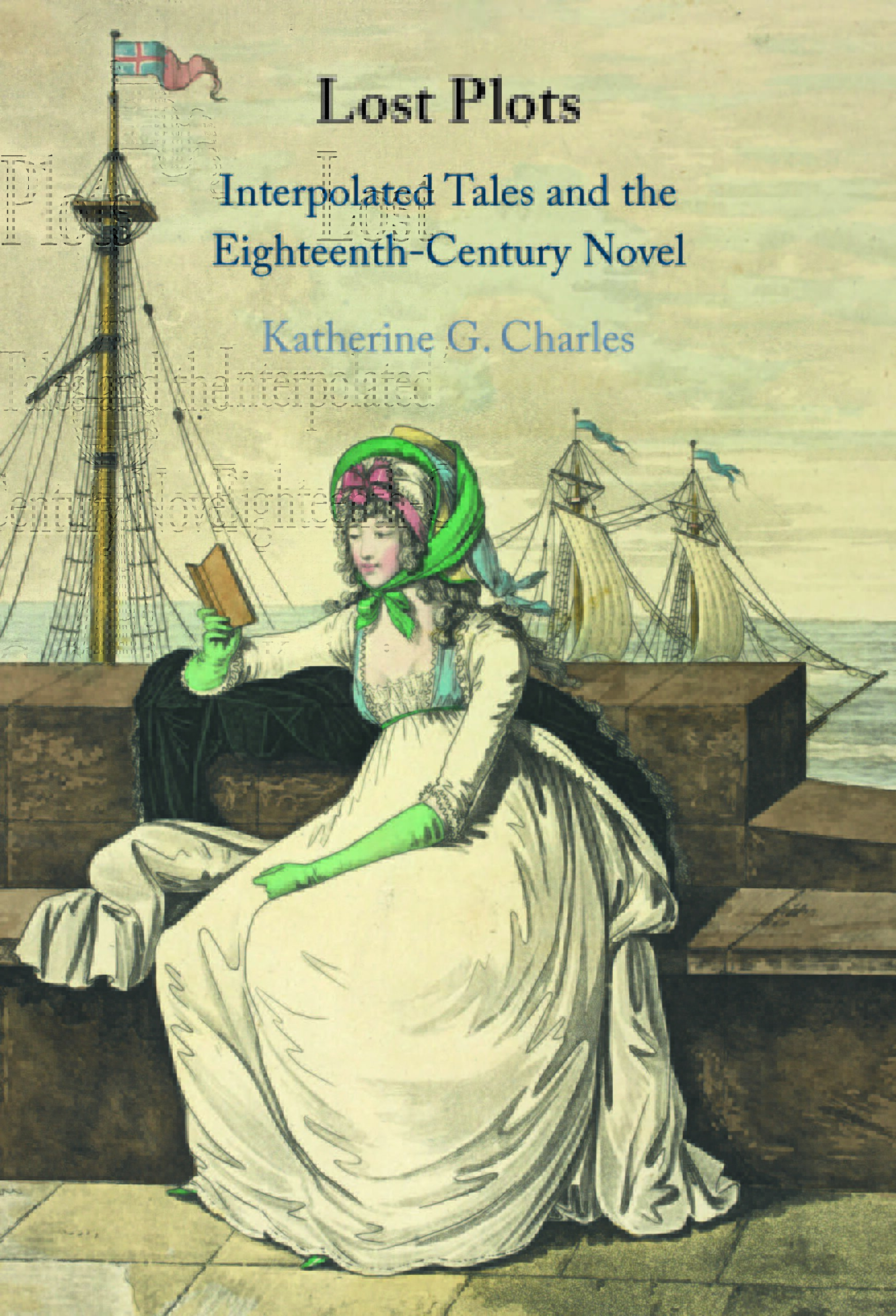
Certainly, the first generation of emerging novel theorists directed similar rhetoric against the cacophony of tale-tellers whose voices color and disrupt early novels. “Excrescences,” “idle stories,” or “Freckles” and “Blemishes” that mar the otherwise “Fair Complexions” of the primary plot: interpolated tales have, since the earliest days of the novel, taken a lot of flak, often in overheated rhetoric that seems disproportionate to their alleged infractions against propriety or good taste. The recursive and frequently inflammatory nature of these critical debates over the status of interpolated tales, heretofore loosely defined as “tales-within-a tale,” is what drew my attention, first as a bemused reader and eventually as a hooked researcher. Lost Plots is the first book dedicated to exploring how early novels experimented with such stories-within-stories, a flexible form for changing perspective and trying out different ways of telling the story.
What does this act of interruption look like? Here are three quick examples, typically atypical of this kitchen-sink form: an unnamed lady mesmerizes her fellow coach passengers with the public fall of “the unfortunate Leonora” in Henry Fielding’s Joseph Andrews (1742); an aristocratic woman reframes her adulterous notoriety as the result of gender bias and domestic abuse in Tobias Smollett’s Peregrine Pickle (1751); an enslaved mother transmits her native Feloop culture to her Jamaica-born son in William Earle’s Obi; or the History of Three-Fingered Jack (1801). Reading eighteenth-century novels means stumbling over tales-within-a-tale that stick out in a toe-stubbing way; encountering internal stories that are set apart, more or less clumsily, with more or less fanfare and explanation, as whole narratives in their own right. It means being plunged into a secondary story of uncertain consequence before being wrenched back to the primary plot, where, more often than not, a hazard course of additional tales means stumbling over and between narratives again and again. A bruised recognition of this ongoing stumbling and its broader context was the genesis of this project. From this starting point, two observational questions followed: Why do eighteenth-century novels so continually interrupt themselves with inset stories? Considering the near ubiquity of interpolated tales, why do they so persistently unnerve readers with the sense that they have lost the plot?
This book reframes those questions to ask: what is the value of interruption? How much attention do these tales deserve? In what way might they be said to “count”? Identifying interpolated tales as a category worthy of analysis, I track a literary history, offer a new definition, collate a set of examples, and develop a methodology for reading them. Looking at these tales collectively offers a key for assessing how various texts and readers think about who gets to speak and be heard, choices of particular import in the context of gender and its historical relation to public speech. Lost Plots argues that attending to this forgotten body of evidence opens up a new account of gendered speech and power.

Katie Charles is Associate Professor of English at Washington College, where she teaches transatlantic eighteenth- and nineteenth-century literature, with a special focus on the no...
View profile >Keep up with the latest from Cambridge University Press on our social media accounts.


Latest Comments
Have your say!