

Products and services

We use images to immortalize precious moments, to document how we see the world and how others should see it, and to construct imaginations of how the world ought to be.
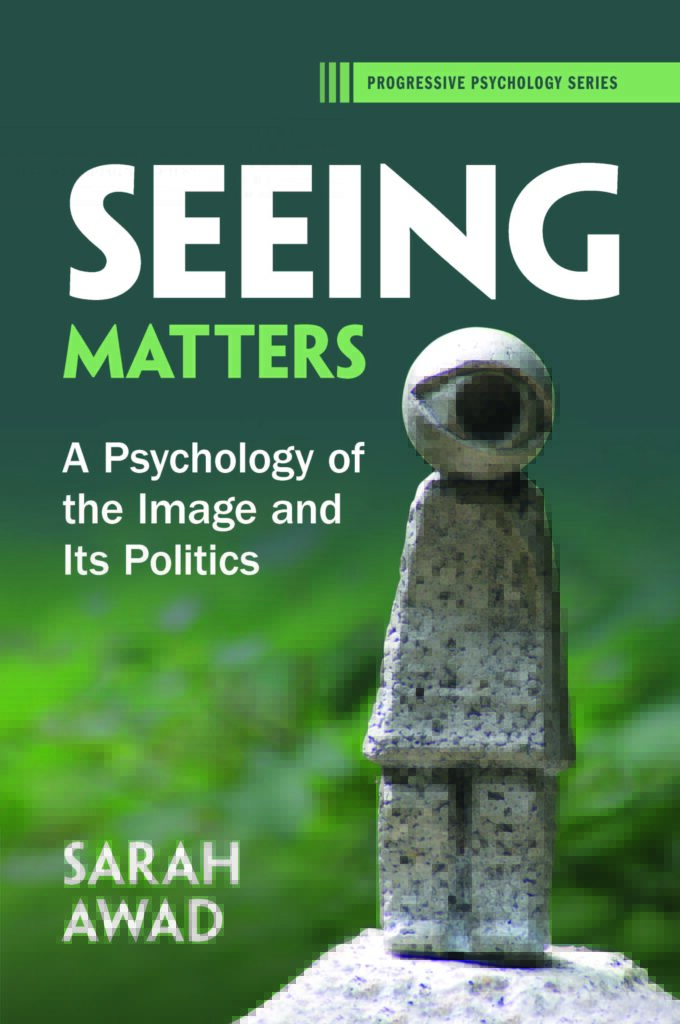
In the book Seeing Matters, I examine the psychological influence of public images in shaping our thoughts, emotions, memories, and actions, and why it matters to question who is seen, how they are seen, and who gets to represent whom in society.
One of the key arguments of the book is that we need to revisit what kind of visual culture we live in today and our growing accessibility to image taking, making, and sharing through technologies such as smart phones, digital media and artificial intelligence. Image production today is not limited to news agencies, authorities, or professional artists and photographers. If you have a smart phone and access to the internet and you see an image you don’t like you can edit it, ridicule it, and even report it and try to censor it. This change in accessibility presents us with different possibilities but also challenges.
For the hopeful this increased accessibility we have to images has a democratizing potential. With growing access to representation and documentation, follows a promise to de-centralize the control over what is seen, who is seen, and how they are seen. We can see more images of world happenings from the perspective of eyewitnesses. We can document injustices and state violence and have the tools to look back at authorities and hold them accountable.
For the sceptic however, not everyone has the same tools or platforms for visibility. Governments, news agencies, and cooperates and their algorithms, still have a privileged access in moderating who is seen and how they are seen. And some issues, such as corrupt and authoritarian leaders, do not go away by ridiculing their image, we might even risk that turning them into a joke is a way of digesting and taming disturbing phenomena to make it more livable.
The abundance of images has consequences on the psychological influence of the image. There is a common idea about the power of the image and how it is worth a thousand words, but what happens when we have thousands, if not millions, of images for every world happening. Among the millions of images surrounding us, can we talk of a ‘good’ image, a powerful one that moves us beyond mere consumption? Can we talk of a ‘just’ image, that can give justice to those represented?
I am especially interested in how protest images can influence change. Images are often used in political and social movements to protest certain realities. They can expose a hidden injustice through an evidence photograph, or contest invisibility by insisting on showing certain people or certain ideas. Some powerful images become global injustice symbols (e.g., Kim Phuc, Khaled Said, George Floyd) that bring attention to events involving perceived moral and political transgression and trigger societal dialogues about collective perceptions of right and wrong. Images can pose an invitation for the viewers to pay attention, reflect, and question the rationalizations offered by established powers for mass sufferings.
However, is it that such images showing oppression or suffering always do something?
It is challenging to argue for the power of the image in a time where wars are lively broadcasted and we see instantly the suffering of others but the mere fact of representing those realities does not always seem to influence change.
This raises several questions: How do various representational practices and aesthetic cultural conventions influence which images are recognizable as icons of suffering, as representing grievable lives, and for whom? How can we portray the suffering and helplessness of a certain group of people, without reducing them to powerless objects of spectatorship? How can we portray one atrocity as shocking and unique enough to trigger action, yet as common and shared enough to trigger solidarity?
Images of human suffering presents us with a shock effect, they show vividly the unspeakable. This response is not sustainable; shock can quickly be replaced by numbness. When such images become widely circulated and abundant, they can have a counter-effect, they normalize the atrocity and after repeated exposure we can become desensitized to that shock effect.
Even more, we can learn to look away, not necessarily because of indifference, but because we are afraid of feeling helpless, to not being able to stop what we now cannot unsee.
But even when images manage to trigger sympathy, if that is the only response they trigger, that could paradoxically further limit how we can engage with and act in response to what the image portrays. As Susan Sontag argues in her book Regarding the Pain of Others, images can give us a sense of an imaginary proximity to the victim, but this proximity is not true. It is our distant privileged viewing position that allows us the feeling of sympathy, and possibly also the feeling that we are not accomplices to what caused the suffering, preventing us from a reflection on how our privileges are located on the same map as their suffering and may be linked to their suffering.
Those are some of the questions I tackle in the book. The book is an invitation to re-visit the psychological mattering of images in a visual culture where we have learned to pay little attention and look away. I argue that images can still matter when we engage with them in ways that can help us and others see, think, feel, remember, and imagine in a multitude of ways, opening up dialogues rather than inducing silence.
However, it is important to have realistic expectations about what images can in fact do. Images can do something in the everyday politics of visibility, knowledge, and meaning-making. Those processes can subsequently and over time influence and facilitate new ways of seeing and acting, that can further influence broader social, political, and structural changes. Expecting images to do a direct effect on a structural level, to stop a war or to bring about equality, is not only misleading and naive, but it also misdirects social action. We cannot make revolutionary structural social transformations through images, but we can create many instances of rupturing encounters that challenge the status quo and invite us to imagine alternative futures.
The technological development in our visual culture requires also a development in the way we see. Critical seeing and oppositional gazes -as bell hooks calls it- can help us engage with images differently. It is about engaging in critical visual literacy despite images’ mastery in distortion and manipulation. It is to find the space to be reflective and attentive in a modern society that does not afford that space. We can reflect on who put which image where and why? what does the image show? what does it conceal? and who caused what the image shows?
An image alone cannot repair our ignorance about history; what actually happened beyond the image? who caused the suffering? what happened to the victims afterwards? Images cannot be more than an invitation to pay attention, and think about whether it was inevitable? Was it excusable? Is it still continuing to happen in different contexts?
A just image does not have to give the full picture or the final say -no image does. A just image is one that we can open a dialogue through, one that we can facilitate a narrative beyond its representation, and one that we can cognitively and affectively share a reality through. A just image is one that we can co-construct through it a world that resonates with us and others.
The book is available through this link: https://www.cambridge.org/core/books/seeing-matters/541A210BEE77D023DC63C90A25F686C7
You can also watch a recording of the book discussion event: https://youtu.be/UhqFMoUClNg?si=n0Zq94BxO6jk0J3E
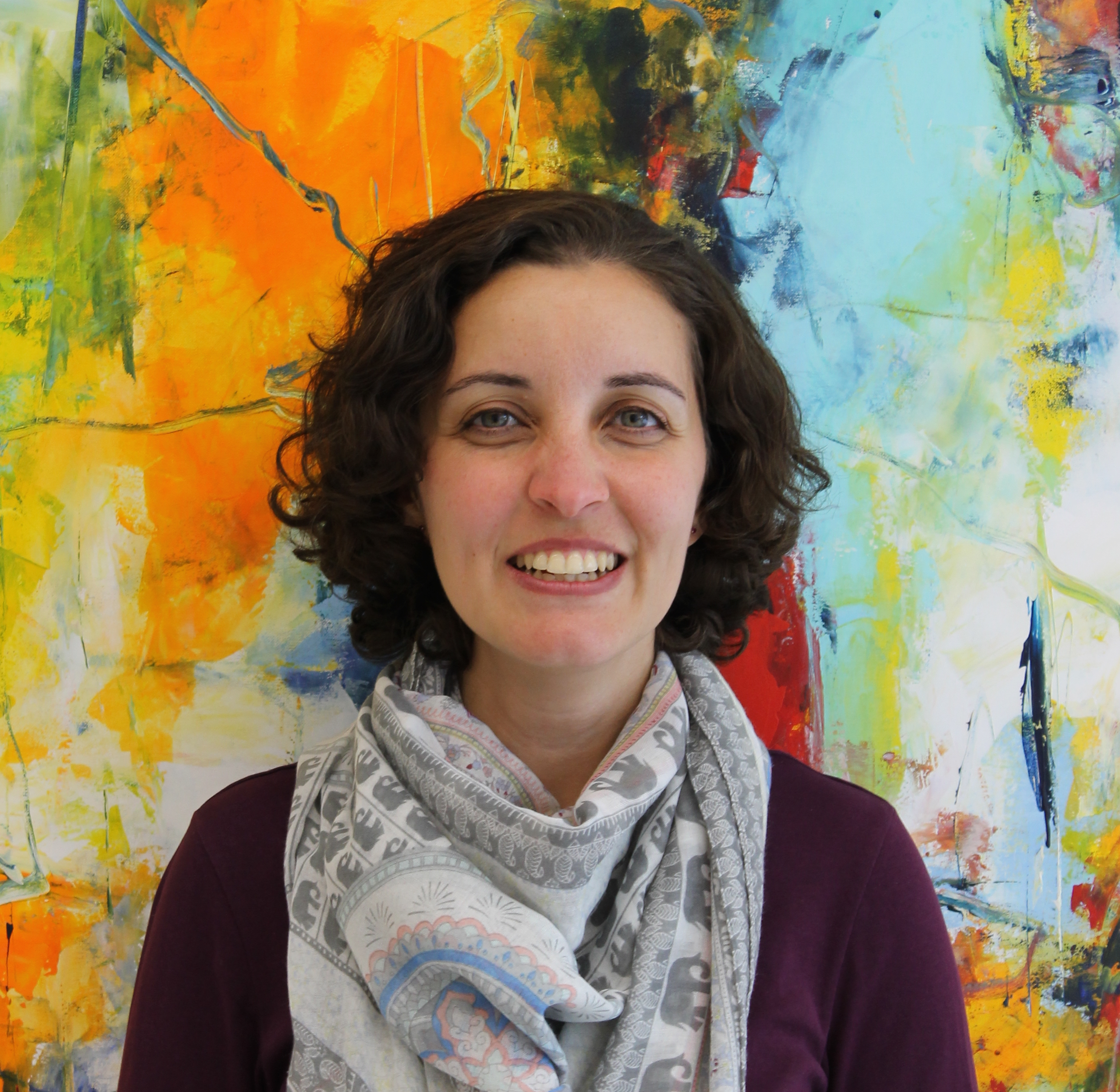
Sarah H. Awad is Associate Professor of sociocultural psychology at Aalborg University, Denmark. She received her Ph.D. in cultural Psychology from Aalborg University and her M.Sc....
View profile >Keep up with the latest from Cambridge University Press on our social media accounts.


Latest Comments
Have your say!