

Products and services

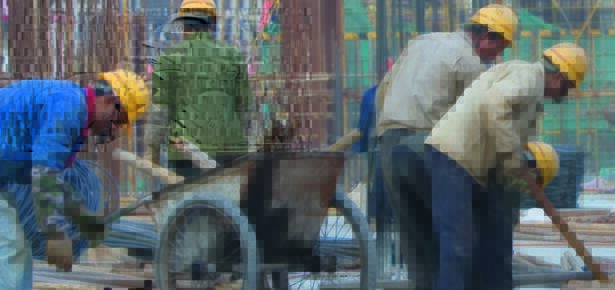
Labour precarity is an epidemic of our times. From the Arab Spring (2010-2012) to the Occupy Wall Street Movement (2011) and the more recent Yellow Vest Movement (since 2018), a key common thread has been widespread discontent rooted in labour precarity. In developing economies, labour precarity has long been the norm. In developed economies, labour precarity has surged since the 1970s. We now live in a world where most labouring people live in precarity.
How to counter labour precarity? Responses to this problem have varied across space and time, taking the form of distinct policies and social movements. In this regard, socialist revolution and marketized reform, the major economic and political dynamics that have shaped the world since the twentieth century, have been the most comprehensive programs. Having gone through both, China provides a compelling case to examine the above question.
Drawing on data from archives, interviews, and participant observation, this book explores the causes of and remedies for labour precarity in China since 1949. It will alter several of our conventional notions.
First, it is commonly held that some workers are precarious because they are excluded from good jobs or standard employment arrangements. Consequently, popular anti-precarity labour policy centres on anti-exclusion. In contrast, this book demonstrates that labour precarity originates not only from exclusion, but also from surplus appropriation and commodification. These three mechanisms are intertwined to generate labour precarity. Therefore, to reduce labour precarity, anti-exploitation and decommodification are as important as anti-exclusion.
Second, it is generally believed that development and modernization lead to less labour precarity. This book, however, presents a different picture. Labour precarity was greatly reduced in Mao’s China (1949-1976) but has surged during China’s subsequent ascendancy to the world’s second largest economy and a high-income country according to the World Bank’s standard. In other words, in reducing labour precarity, compared with the level of development, the path of development matters more, and socialist modernization is more effective than marketized modernization.
Third, Marxist theory suggests that socialism is the remedy for labour precarity. Under capitalism, the proletariat suffer from relentless exploitation by the bourgeoisie and become precarious, and their only way out is to unite, overthrow capitalism, and embrace socialism. However, this book shows that even in the Mao era when China was a quintessential socialist country, the existence of precarious workers was by no means negligible and their numbers fluctuated with the shifts in the path of constructing socialism. In other words, different paths of socialist construction have different labour implications.
The collapse of the Berlin Wall and the subsequent integration of former socialist economies into the global market did not mark the end of history. On the contrary, the expanding precariat and the recurrent social movements it fuels represent a pressing call for contemporary solutions to labour precarity. In this context, this study of China’s historical experience of generating and countering labour precarity provides invaluable lessons for the path ahead.
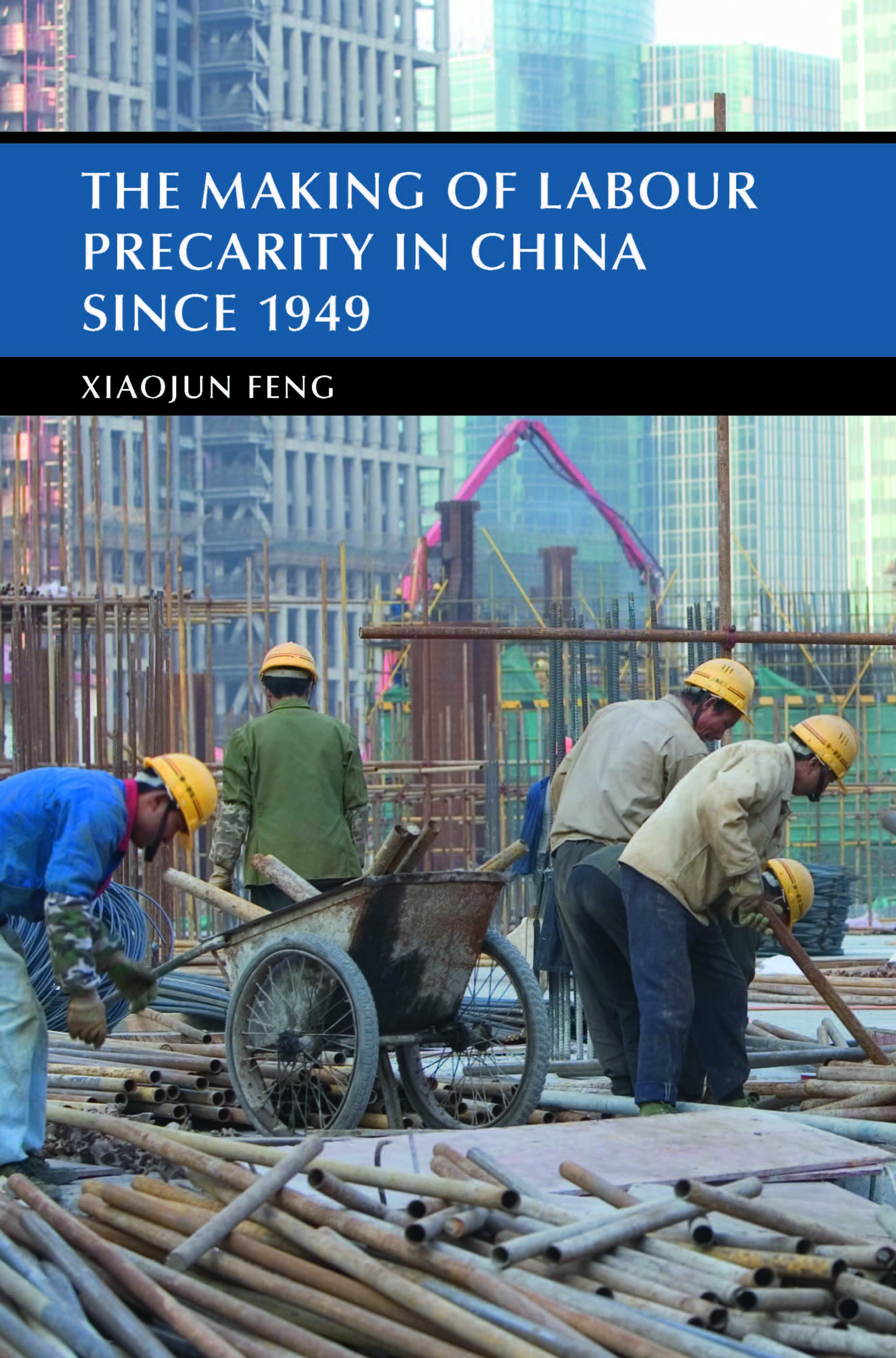

Xiaojun Feng is an associate professor of sociology at China Agricultural University. Her research focuses on labour and agrarian studies. She is the author of The Making of Labour...
View profile >Keep up with the latest from Cambridge University Press on our social media accounts.



Latest Comments
Have your say!