

Products and services

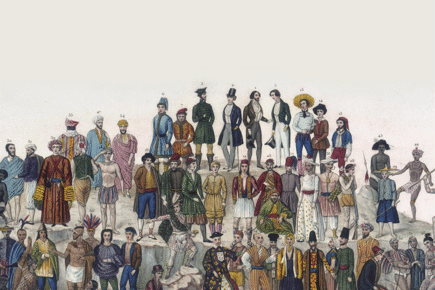
The world is currently experiencing a period of intense convulsion, where the structures of race and white supremacy have moved to the very center of global cultural politics. In 2023, the police killing of Nahel Merzouk in France sparked weeks of protests that many viewed as a tipping point for Black and Brown populations relegated to the margins of society. While French leaders often lean on a doctrine of “colorblind universalism”—even removing the word “race” from their constitution in 2018 to suggest that all citizens are equal without distinction—the reality of racial profiling and institutional racism remains impossible to hide. These events demonstrate that asserting an absence of race cannot obscure the deep-seated racial structures that continue to impact institutional and interpersonal relations globally.
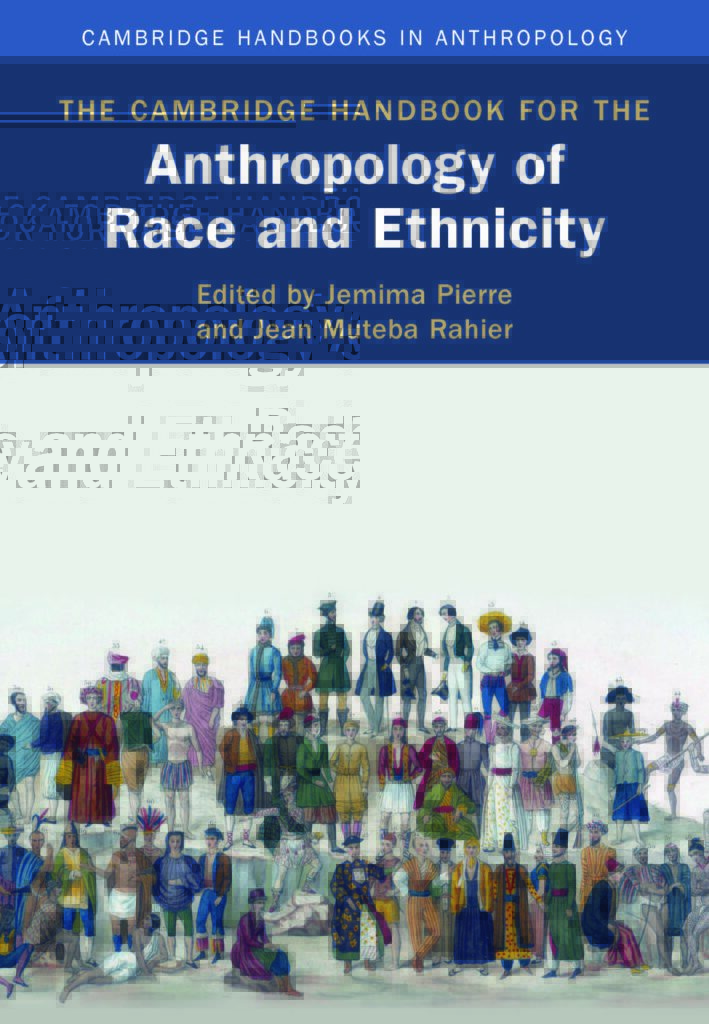
As editors of The Cambridge Handbook for the Anthropology of Race and Ethnicity, we argue that these dynamics are not isolated “Americanisms” but are part of a global realignment that continues to reify hierarchies of difference. Anthropology occupies a unique and often uncomfortable position in this conversation, having once served as the primary “science of the human races” at the helm of racial science discourse. Today, however, the discipline is at the forefront of deconstructing those very foundations. This Handbook brings together cutting-edge research across physical anthropology, archaeology, linguistics, and cultural anthropology to uncover how racial hierarchy continues to be structured into law, bureaucracies, and “common-sensical” ideas.
One of the central interventions of this volume is the push to move beyond traditional US-centric analyses of race. While the United States has served as a dominant exemplar of racial terror and intellectual analysis, the handbook’s contributors explore a multiplex of global realities. We examine how ideologies of national identity in Latin America, such as “monocultural mestizaje” or “racial democracy,” have historically served to maintain anti-Black hierarchies and how these are supposedly being challenged by contemporary multiculturalism. In Asia, we look at the shifting meanings of race and the transnational circulation of racial knowledge in China, while other chapters explore the legacies of white privilege in post-colonial contexts such as Kenya and Kuwait.
This handbook is grounded on recent research that has taken on a new sense of urgency as we witness a wide-scale retrenchment of what was once considered “racial progress.” From US Supreme Court rulings against race-conscious admissions to the rise of far-right movements across Europe that target migrants and religious minorities, the “fierce urgency” of an insurgent anthropology has never been greater. We must address the paradox that while biological race is not “real,” folk ideas about race continue to proliferate as if they were natural, shaping material reality and systemic oppression. This Handbook is designed as a vital resource to help readers historicize race and racism, allowing us to apprehend their structural nature and the ways they continue to shape the future of the twenty-first century.

Jemima Pierre is an anthropologist and Professor at the Social Justice Institute at the University of British Columbia, Vancouver. She is the author of the award-winning The Predic...
View profile >Jean Muteba Rahier is Professor of Anthropology and African & African Diaspora Studies at Florida International University, where he is the founding director of the Observatory...
View profile >Keep up with the latest from Cambridge University Press on our social media accounts.


Latest Comments
Have your say!