

Products and services

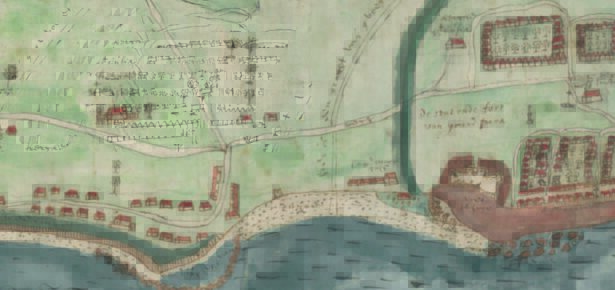
Those who watched the televised images of COP30 in November 2025 could not have missed the striking presence of Indigenous peoples in the Brazilian city of Belém. They were there to insist that their role in conserving the Amazon be recognised at the heart of global climate negotiations. As the traditional custodians of the region for thousands of years, many travelled to Belém by boat, following the great brown river downstream towards the Atlantic. Yet their journey was far from a new or isolated appeal to political authorities. This movement towards Belém echoed what Indigenous peoples have been doing for centuries.
In 1835, for example, Indigenous groups were part of the force that stormed Belém and held the capital for some fifteen months. The uprising was a calculated attempt to seize control of a government that served only the interests of distant elites in Rio de Janeiro, then the capital of the newly independent Brazil. In the earlier colonial period, Indigenous delegations travelled to Belém to petition the governor or missionary leaders—to plead to be left in peace, or to request goods produced in Europe. Yet by far the greatest number of Indigenous people came to Belém against their will. Captured in the Amazon interior by colonial agents, or sometimes by Indigenous enemies, they were chained to canoes and sold as slaves in the city.

River front, Belém
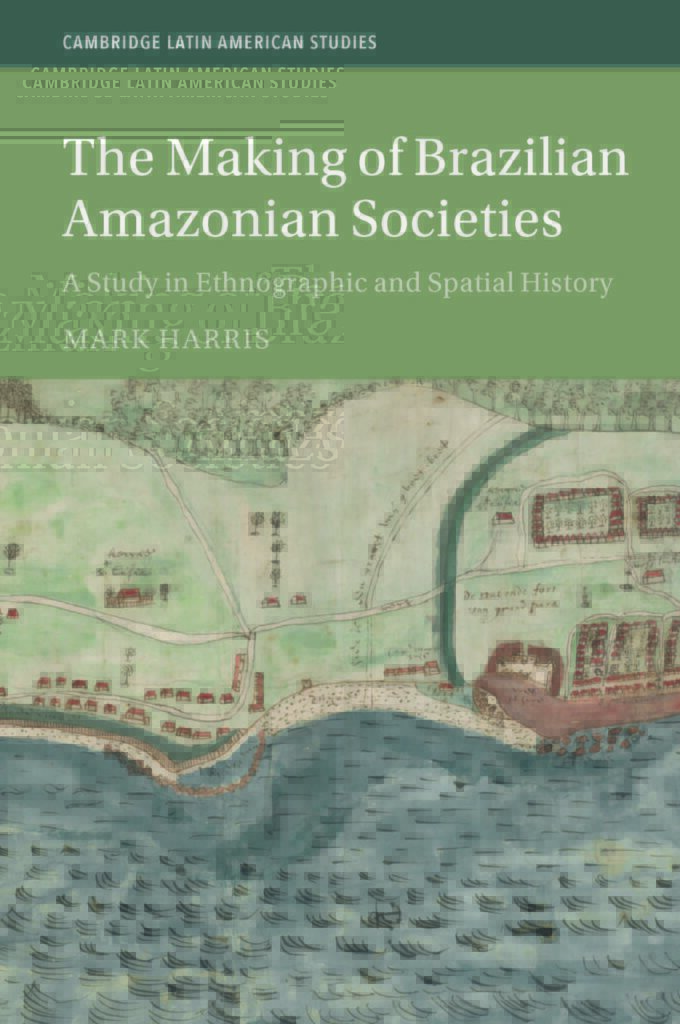
This book explores that colonial world, when Belém became the centre of a vast inland river network almost the size of the United States. All rivers led to Belém. This was the space shaped by Portuguese colonialism, serving an empire based across the ocean in Lisbon. The gravitational pull of Belém persists to this day, visible in spectacles like the COP30 river parade. But the Amazon has always contained other kinds of spaces—Indigenous territories, above all. The argument of this book is that these spaces were mutually constitutive. To understand the Amazon, we must recognise how the histories and cultures of the peoples who shaped these places collided, intertwined, and transformed one another, especially through the ways they made their living from its resources. The contemporary Amazon is a product of these dynamics: it includes those who defend and nurture it, and those who extract from and devastate it.
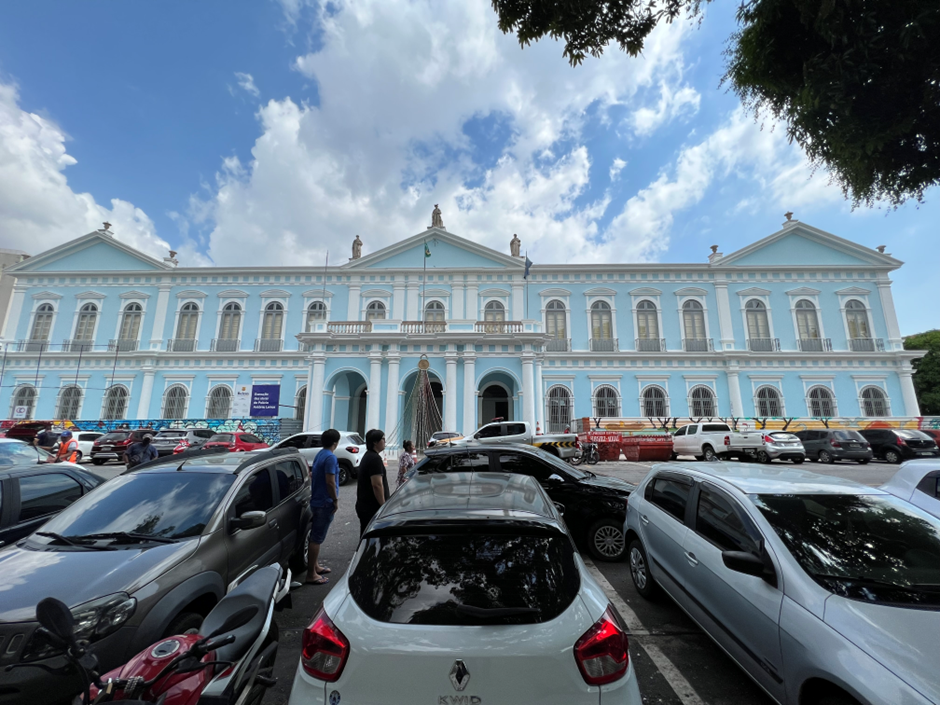
The governor’s palace, Belém
I first travelled to the Amazon in 1992 to undertake fieldwork in a floodplain community of mixed heritage people where river levels rose and fell with the seasons. I wanted to understand how people lived and worked in such an unpredictable environment. Nearby were communities descended from enslaved Africans who had escaped their masters. Further away were Indigenous groups whose territories had been demarcated by the federal government. By the late 1990s, some communities near the place where I had first worked began self-demarcating their lands as they reclaimed their Indigenous heritage, calling on the federal government to recognise their territories. Between these communities were cattle ranchers clearing forest for pasture; illegal gold miners; a multinational bauxite mine; and farmers preparing vast fields of soya. In the 1990s and early 2000s, to name one period, scores of Indigenous leaders, union organisers, and an American nun were murdered by people linked to those who opposed collective rights to land and as the Brazilian government sought to reduce deforestation. The eastern Amazon came to be known as having the largest problem with modern-day slavery in Latin America. And so it went on.
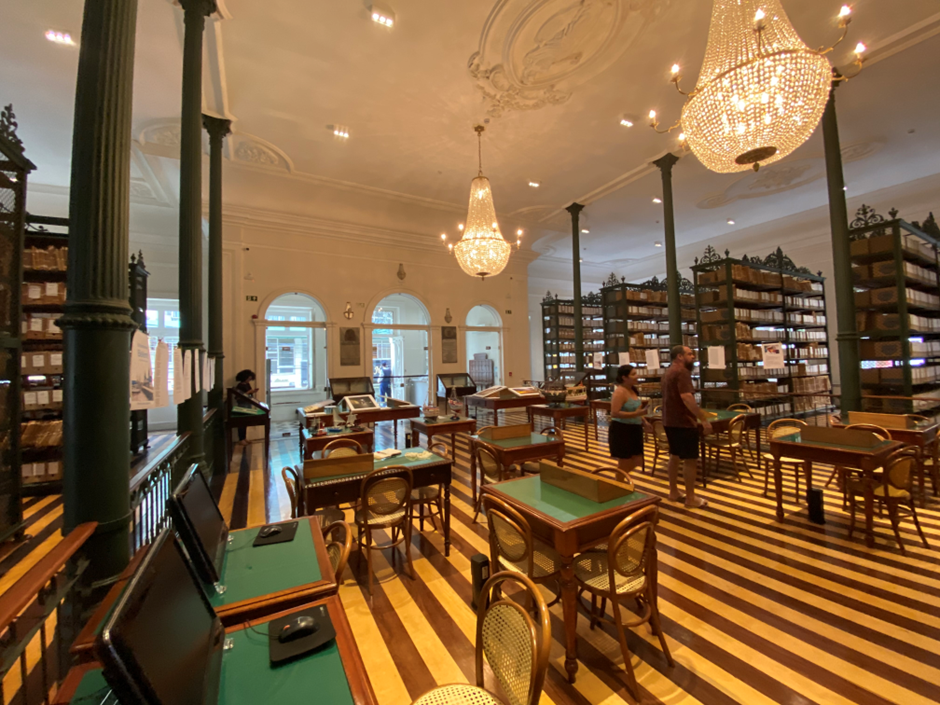
The inside of the state archive, Belém
I wondered whether this horrendous reality of Brazil’s post-military dictatorship era in the Amazon was anything new. At the same time, my fieldwork companions asked me, as we picked up fragments of ancient pottery scattered on the ground, “Where did all the Indigenous people go?” These questions drove me back to the archives. I went reluctantly at first—anthropologists are not always drawn to paper—but soon became absorbed in the seventeenth- and eighteenth-century world of the Amazon’s rivers. The more I searched, the more I found. Contrary to the advice of some, the historical records contained a wealth of material for those willing to look for Indigenous and Afro-descendant voices and their mixed heritage descendants. I discovered how they sought autonomy from Portuguese rule by moving to the upper rivers where they hoped to remain undisturbed, while still maintaining contact with the colonial world through intermediaries and kin.
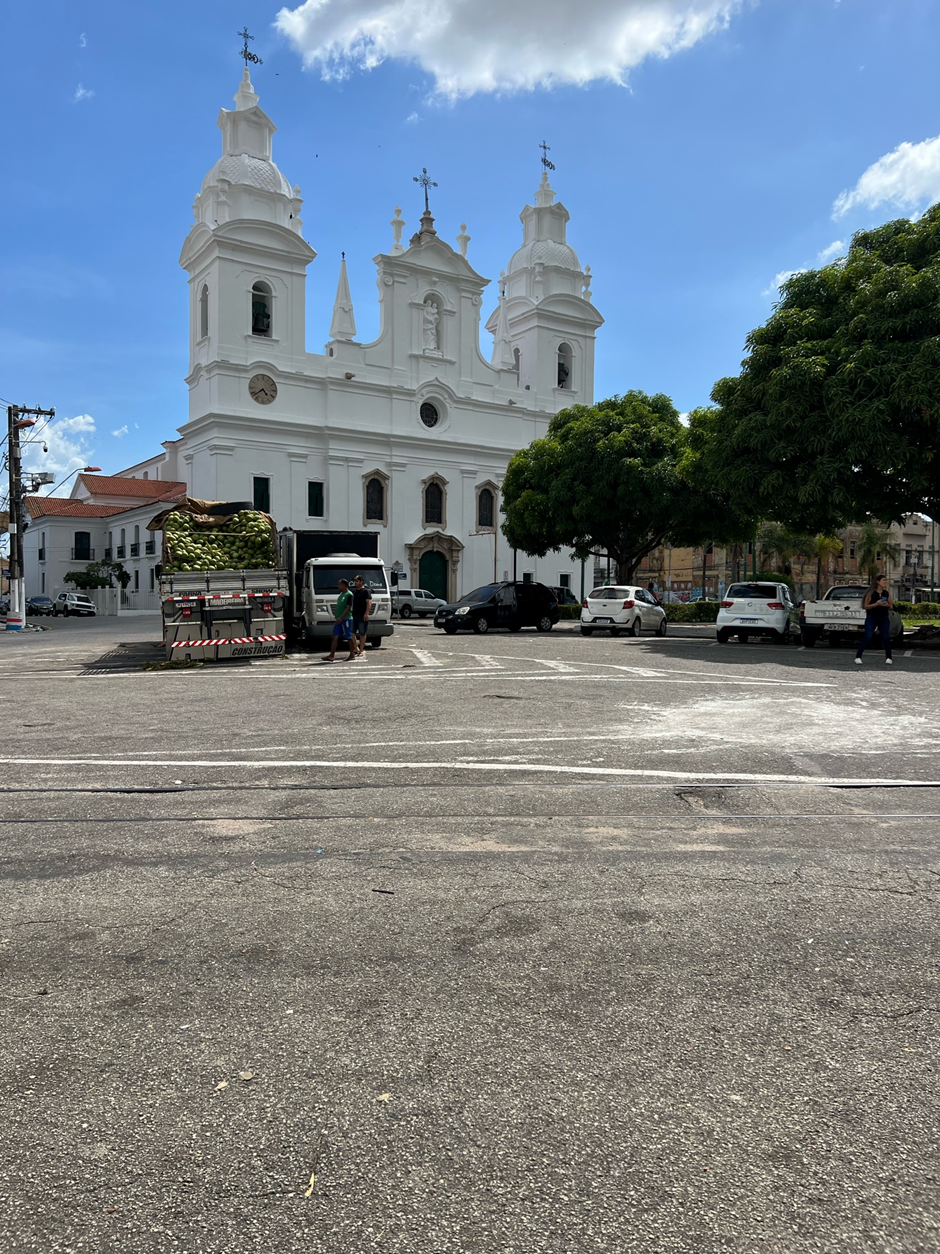
Main cathedral, Belém
On one side, then, were Indigenous territories formed in the wake of invasion in the headwaters; on the other, the colonial centre of Belém. Connecting them was the main Amazon river and the lower stretches of its tributaries, where new riverbank villages and towns emerged—often built on ancient Indigenous sites.

A lake scene from the Lower Amazon
Since the second world war, there has been greater pressure on Indigenous lands, and other collectively owned reserves and nature parks, from logging and mining, hydroelectric dam building, road construction. This means the interior, the Amazon’s hinterland and home to the most biodiverse environment on the planet, has been progressively threatened from the outside. This struggle is not merely regional. This book shows how this tense stand-off came into being in the modern eastern Amazon. The need to end large destructive projects and control illegal activities in the immediate term has never been more pressing and globally significant. Let us hope that this is the last time Indigenous peoples must make such a journey, and that their efforts are not in vain. May they, and their allies, finally break the cycle of destruction, so that the Amazon is saved for its traditional custodians.
Keep up with the latest from Cambridge University Press on our social media accounts.



Latest Comments
Have your say!