

Products and services

Roman historians habitually think of the Empire as a precursor of Europe and the West. But most historians of Europe see it differently. They see Europe as a result of the failure of attempts to create a new universal empire after the model of Rome. This is a paradox, barely noticed, that cries out to be explored. Where Rome had conquered her main rivals and forged a world out of the greater Mediterranean, plurality remained the order of the day in the evolving history of Europe. Whether you look to Habsburg Charles V and the Pope, Louis XIV and Napoleon or Hitler, they had all failed in their ambitions to subject the continent to their rule and create a new UNIVERSAL EMPIRE.
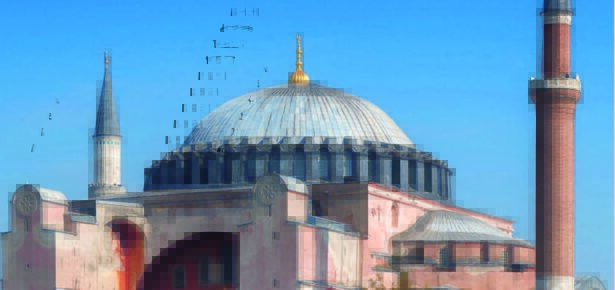
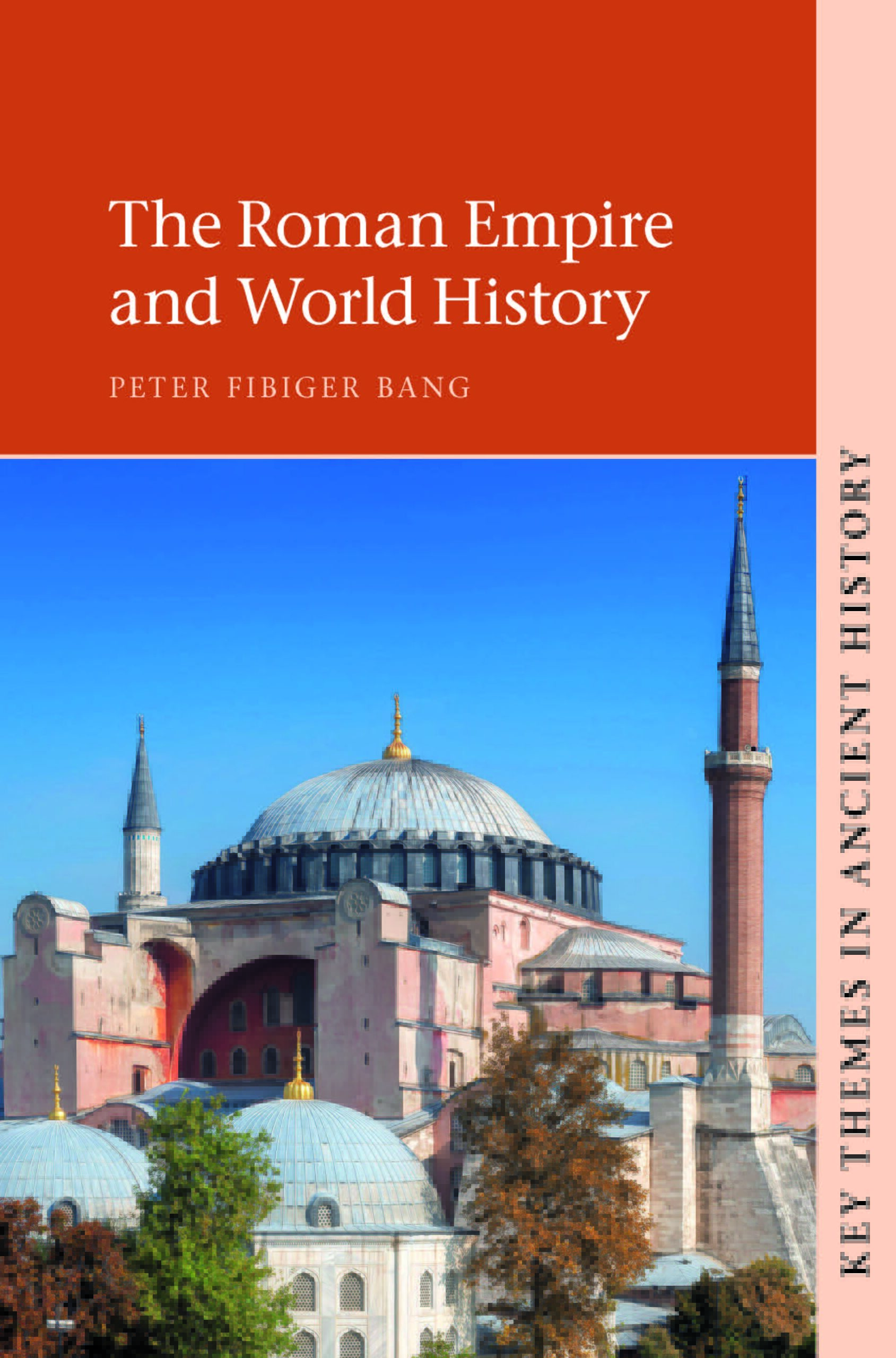
If Europe represents a negation of Rome, what historical parallels could then shed light on the ancient empire? That is the question that The Roman Empire and World History sets out to explore. We need to expand our horizons and find less traditional stories to tell of Rome. In the previous generation Peter Brown taught us the importance of the Eastern part of the Roman Empire and its longevity. On the frontpage of my book, I have therefore chosen an image of the Hagia Sophia, the grand cathedral built under Justinian in Constantinople, the new Rome on the Bosporus. However, the attentive eye will immediately spot that the old cathedral is surrounded by Muslim minarets. After the Ottoman Conquest, the Hagia Sophia became the model for the Ottoman imperial mosques. It became a symbol of the resurrection of a new universal empire. In that sense, the Hagia Sophia opens our eyes not only to a late antique world beyond Italian Rome, but to an arena of state-forming societies stretching across Afro-Eurasia.
This arena emerged out of the growth of sedentary peasantries from the eastern- to the westernmost parts of the Afro-Eurasian world and was dominated by universal empires from the age of the Achaemenids till the early modern rise of European colonial empires. The Roman Empire belongs within this historical development and this book explores parallels and connections between these state-forming societies and empires to illuminate the Roman experience. From elephants and “blood sweating horses” to exotic spices, stories of Orpheus and royal impostors, the book embarks on a wide-ranging journey to discuss Roman state-formation, slavery, imperial conquest, divine emperorship, cosmopolitan literary cultures, monotheist religion, exotic long-distance trade and anti-imperial rebellion in their Afro-Eurasian context.
Events over the last years have made clear that Europe has ceased to be the centre of historical development. That means we will also have to rethink our relations with the rest of the world. This is what this book aims to do, how else could we possibly hope to navigate the waters of the emerging new world order?
PETER FIBIGER BANG is Professor of Roman History at The Saxo Institute at the University of Copenhagen. He has been in the vanguard of attempts to develop a new comparative and glo...
View profile >Keep up with the latest from Cambridge University Press on our social media accounts.


Latest Comments
Have your say!