

Products and services


Gaetano Donizetti’s 1835 tragic opera Lucia di Lammermoor is known for a lot of things: its Scottish setting, its beautiful bel canto melodies, its tale of forbidden love and a final lover’s suicide. But for most opera lovers, one thing stands above all others-the iconic, show-stopping mad scene, which showcases a blood-soaked newly-minted bride convulsing on stage.
I wrote my new book on this very topic and on the depiction of madness in early 19th-century Italy. To understand the enduring power of these scenes, we have to look deeper than the vocal acrobatics and special effects. What in fact makes Lucia’s madness so captivating?
A mid-nineteenth century obsession with madness
During Donizetti’s lifetime, madness was a powerful cultural obsession. Madness in women was seen more often than not as a symptom of hysteria, which was understood to be a disease that had both physical and emotional symptoms. If untreated, the individual suffering from the disease would experience muscle contractions, shortness of breath, fever, hallucinations and vocal fits of anger.
In Donizetti’s opera, Lucia’s descent into madness is depicted as a rational response to an irrational world. A young woman is tormented by her brother, separated from her lover and forced into a political marriage she does not want. Her mind’s collapse is not merely a sign of weakness; it’s a desperate escape from her brutal reality.
Vocal virtuosity as psychological turmoil
While the plot sets the stage, it is Donizetti’s music that truly immerses us in Lucia’s inner world. In her famous “Il dolce suono” (‘the sweet sound of his voice’) she is not simply singing; she is embodying psychological trauma from the loss of her true love. The florid coloratura, once a vehicle for expressing vocal virtuosity, here becomes the sound of a mind unraveling, as depicted in this famous performance by the renowned diva Mary Callas in a 1956 production at the Metropolitan Opera in New York City.
Donizetti’s groundbreaking use of the glass harmonica in the original score added an ethereal, unsettling quality to the ‘mad scene’, similar to what experiences in horror and fantasy films today. The instrument was said to have physiological effects on listeners, and its ghostly sound was the perfect accompaniment for a woman who corresponds with a world she alone sees.
More than a high note
Lucia’s mad scene is a triumph of bel canto artistry, but it is not just about the high E flat. The voice here represents a collision of social history, changing ideas about mental healthand female empowerment, a potent mix that will come to define the swarthy characters of the film noir genre of the mid 20th century.
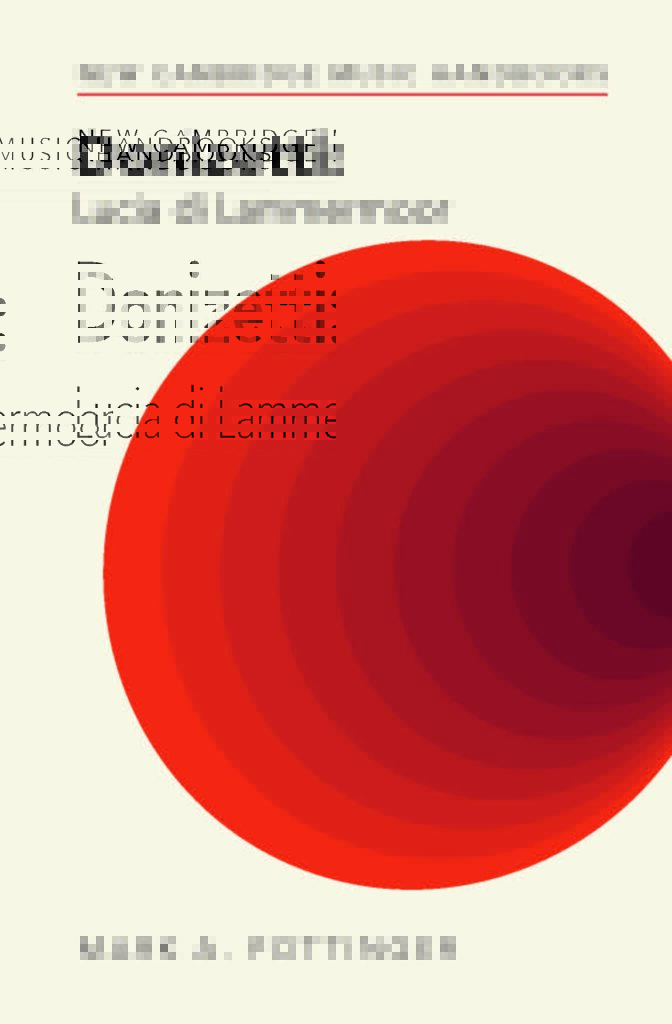
If you love opera or are just curious about how art reflects and shapes our understanding of the human psyche, I invite you to read my book Donizetti: Lucia di Lammermoor. Together, we can explore the madly beautiful legacy of Lucia and the many singers who have made her a champion of our hearts and minds.

Mark A. Pottinger, Ph.D., is Professor of Musicology and Chair of the Communication, Sound and Media Arts Department at Manhattan University. Winner of the prestigious Berlin Prize...
View profile >Keep up with the latest from Cambridge University Press on our social media accounts.




Latest Comments
Have your say!