

Products and services

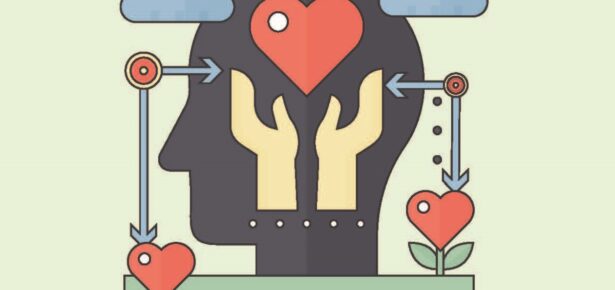
We are medical doctors, psychiatrists, working in a world of infinite need, finite resources, and – increasingly – ‘evidence-based medicine’. We are trained to ask questions such as: What is the evidence behind this intervention? What are the facts? How do we know that we are helping our patients, rather than harming them?
This is a different world to that of many of our predecessors. Today, the volume of information at our fingertips continues to grow exponentially. Clinical work is evaluated by reference to service targets and key performance indicators which can appear distant from what really matters to patients and families, and what mattered to previous generations of health professionals: care, compassion, and patient-doctor relationships.
Today, we treat ‘service users’ or ‘clients’, rather than patients. Doctors are ‘specialists’ who work in professional silos which are so embedded that we barely see them anymore, surrounded by professional jargon so ubiquitous that we no longer hear it, like the fish that never heard of water.
While many of our predecessors were specialists in providing person-centred care to patients and their families, healthcare professionals today – including us – tend to know more and more about less and less. To compound matters, health services are commonly delivered in settings and systems that are over-stretched, demanding, and dehumanising for patients, families, and staff. This increases alienation and distance from the human interactions that lie at the heart of all good caring.
Healthcare systems that seem to value neither ‘health’ nor ‘care’.
As a result of these trends, many healthcare professionals feel chronically tired, emotionally drained, deeply heart-sore, and ultimately burnt-out, notwithstanding the moments of joy, laughter, and common purpose that medicine inevitably brings. Too often, these moments of connection, although therapeutic and magical at the time, simply highlight the uncertainties and even the darkness that surrounds them. Commonly, staff struggle to make sense of healthcare systems that seem to value neither ‘health’ nor ‘care’.
Most doctors and other healthcare professionals entered their professions in order to help others. We are expected to care, to mend, and to cure, but the systems within which we work (and which we co-create) seem to conspire against us at every turn. Sometimes, it can feel as if we are working against the system rather than with it, trying to snatch moments of good healthcare for our patients despite the way services are structured, rather than because of it.
The message of our book is that we can do better. We must and we will.
Perhaps the first step lies in recognising that while we do not have full control over the shape of healthcare systems within which we work, or indeed the societies in which we live, we can control how we navigate these contexts, how we respond to them, and how we seek to be in the world. There are many things that we can control and shape, at least in part. We are not helpless. We can have an immediate impact at the level of day-to-day care and we can also take action at the level of our organisations in the longer-term.
We are more adaptable, creative, and powerful that we think. We are also kinder and wiser than we give ourselves credit for. We can do more than we imagine.
Compassion is the key
Compassion is an invaluable tool in our efforts to address many of these issues in healthcare. There is a reason why compassion is mentioned in medical graduate profiles, ethical guidance documents, interviews with patients, reports on health services, and everywhere that healthcare is discussed in truly human terms.
Compassion is an attribute that, at its most wonderful, can leave a person feeling that they have made the world a better place. At its bare minimum, authentic compassion can leave two people involved in an interaction feeling that they have helped each other in some way. Most of all, compassion allows us to shed the need to ‘fix’ things or each other, and focus instead on being seen and seeing each other as human beings. Ultimately, that is what we really want from each other and our world: to see and be seen.
Self-compassion is essential. Healthcare is challenging, we are all human, and self-compassion is the basis of compassion for other people.
Despite being a fundamental value in healthcare, however, compassion is often misunderstood and difficult to navigate. In our book, we aim to offer a practical approach to compassion in medicine. The first part of the book explores the background to compassionate healthcare, examines how it differs from other concepts, and outlines its relationship to medical professionalism. The second part of our book offers a practical guide full of strategies and exercises to assist healthcare workers in practicing compassion by cultivating mindfulness and awareness, deepening compassion in care.
Our aim is to provide medical professionals and trainees across healthcare with a guide to incorporating compassion into daily practice to deliver better, more compassionate care. That is why we wrote this book: to try to make compassionate care a day-to-day clinical reality for everyone: patients, families, and healthcare professionals who constantly seek to do better and more. We hope it helps.

Title: Handbook of Compassion in Healthcare
ISBN: 9781009390231
Author: Caragh Behan and Brendan Kelly
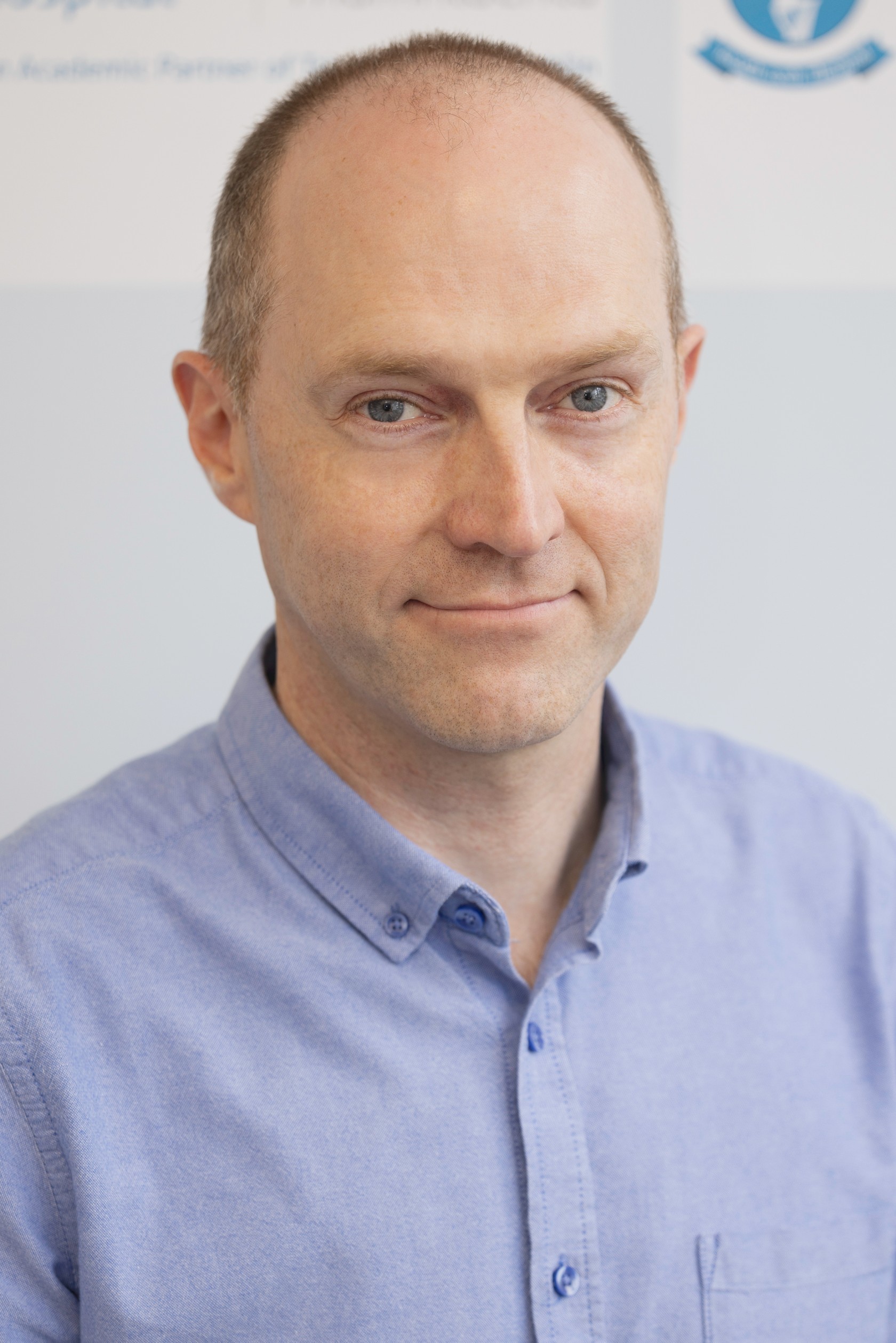
Brendan Kelly is Professor of Psychiatry at Trinity College Dublin and Consultant Psychiatrist at Tallaght University Hospital, Dublin, Ireland. He has written more than 250 peer-r...
View profile >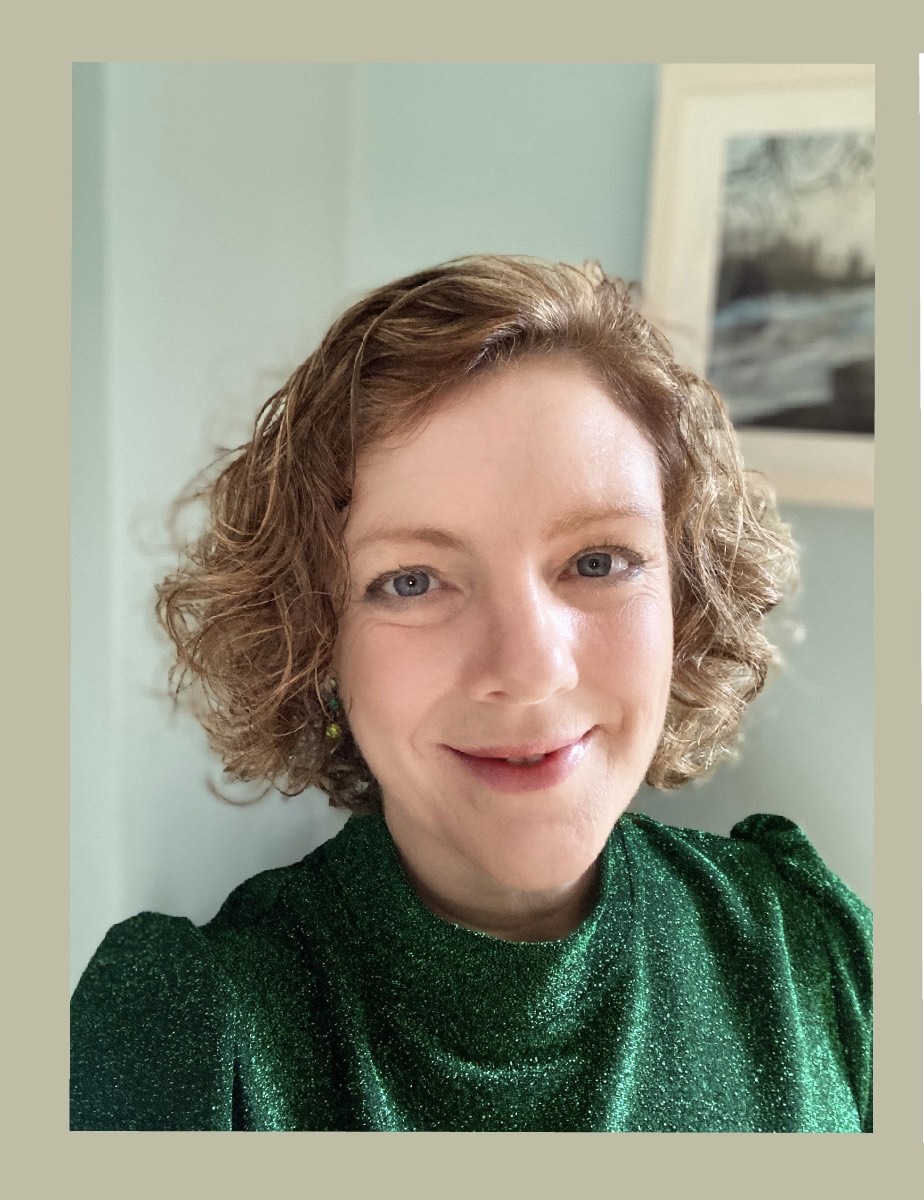
Dr Caragh Behan is a Consultant Psychiatrist and a Senior Clinical Lecturer with the Royal College of Surgeons in Ireland. She has a doctorate in Health Economics and a diploma in ...
View profile >Keep up with the latest from Cambridge University Press on our social media accounts.




Latest Comments
Have your say!