

Products and services

To call Jay Belsky a pioneer or trailblazer would be a gross understatement. He was an evolutionary psychologist before there was evolutionary psychology, and he was an evolutionary developmental psychologist before there was evolutionary developmental psychology. To this day, Belsky remains a leader in the (unfortunately, very small) field of evolutionary developmental psychology. In many respects, Jay Belsky is evolutionary developmental psychology.
Since his early days, Belsky has built an extremely influential career in evolutionary developmental psychology. There are numerous bibliometric indicators of his success and influence, for example, a Google Scholar citation count of over 100,000, which puts him among the top 0.01% of 6.88 million scientists across 22 fields in terms of impact. But my own personal favorite as a measure of Belsky’s tremendous productivity is the fact that I once spent a better part of a day reading just the titles of all of his publications.
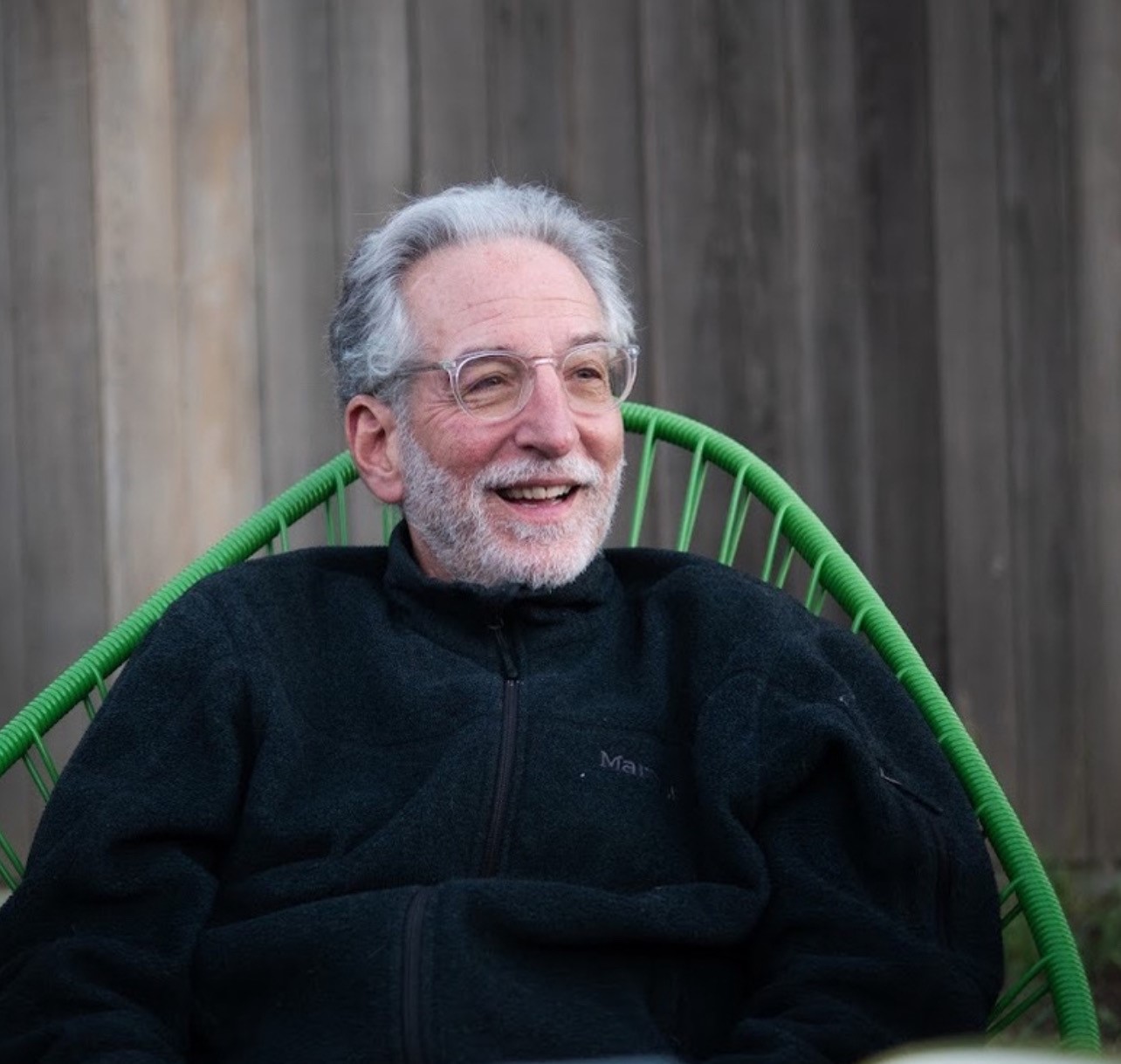
Another, non-bibliometric indicator of his success and influence in the field of evolutionary developmental psychology and beyond is the large number of students that he has produced at three different universities on both sides of the Atlantic over the course of his career, and the even larger number of fellow scientists he has collaborated with and influenced. Now, in Genes, Environments, and Differential Susceptibility: Current Topics in Evolutionary Developmental Psychology, twenty of Belsky’s students, collaborators, and associates, representing 17 universities in nine countries, who are no less distinguished in their own accomplishments, and who, among them, now count his own son, gather to celebrate Belsky’s official retirement from his university teaching position (although not from scholastic activities) in 2022, by contributing chapters on various aspects and facets of Belsky’s life-long work.
The contributors to this volume include:
Marian J. Bakermans-Kranenburg, ISPA University Institute of Psychological, Social and Life Sciences, Portugal; San Sebastián University, Chile
Kevin M. Beaver, Florida State University, USA
Daniel W. Belsky, Columbia University, USA
Avshalom Caspi, Duke University, USA; King’s College London, UK
Dante Cicchetti, University of Minnesota, USA
Marco Del Guidice, University of Trieste, Italy
Kenneth A. Dodge, Duke University, USA
W. Benjamin Goodman, Duke University, USA
Sara R. Jaffee, University of Pennsylvania, USA
Satoshi Kanazawa, London School of Economics and Political Science, UK
Helen Milojevich, Duke University, USA
Terrie E. Moffitt, Duke University, USA; King’s College London, UK
Robert C. Pianta, University of Virginia, USA
Michael Pluess, University of Surrey, UK
Richie Poulton, University of Otago, New Zealand
Jeffry A. Simpson, University of Minnesota, USA
Laurence Steinberg, Temple University, USA
Ohad Szepsenwol, Max Stern Yezreel Valley College, Israel
Marinus H. Van IJzendoorn, Monash University, Australia; San Sebastián University, Chile
Lars Wichstrøm, Norwegian University of Science and Technology, Norway
The contributions focus on four different areas of evolutionary developmental psychology:
Historical background and theoretical foundations of Jay Belsky’s work in evolutionary developmental psychology
Parent-child relations and attachment
Life-course development from prenatal environment through childhood to adulthood
Differential susceptibility to environmental influences
The volume concludes with Laurence Steinberg’s reflection on his fifty-year friendship with Belsky, and Daniel W. Belsky’s biography of his father.
Anyone who has ever studied developmental psychology or is even remotely interested in child development would be interested in reading what these leading scholars have to say about the current state of the field of evolutionary developmental psychology. You cannot afford to miss it.
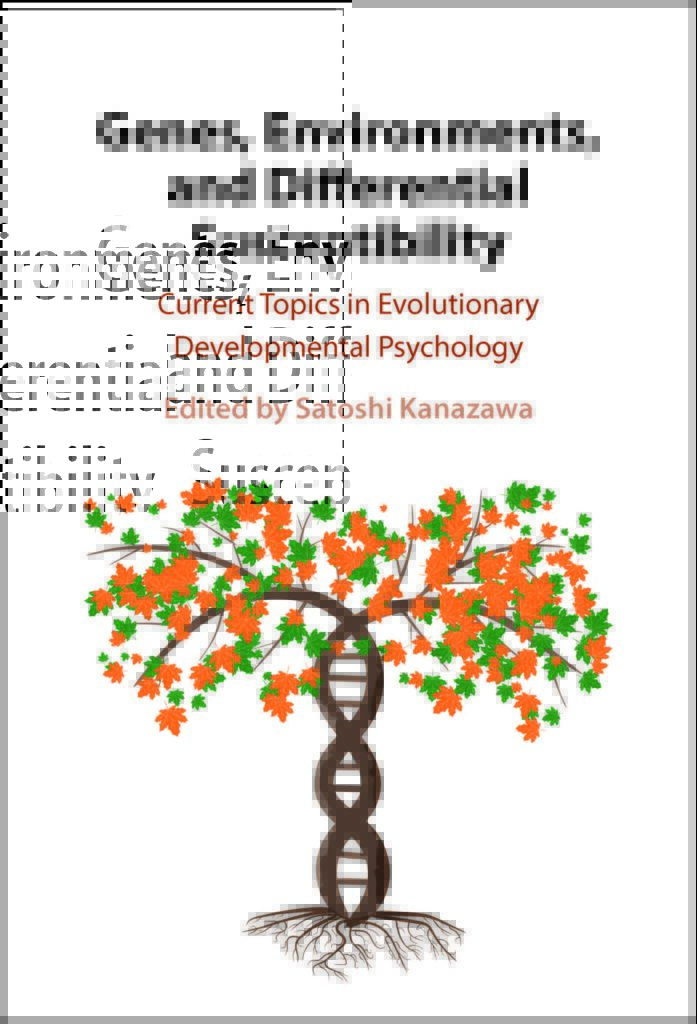
Title: Genes, Environments, and Differential Susceptibility
ISBN: 9781009363952
Author: Satoshi Kanazawa
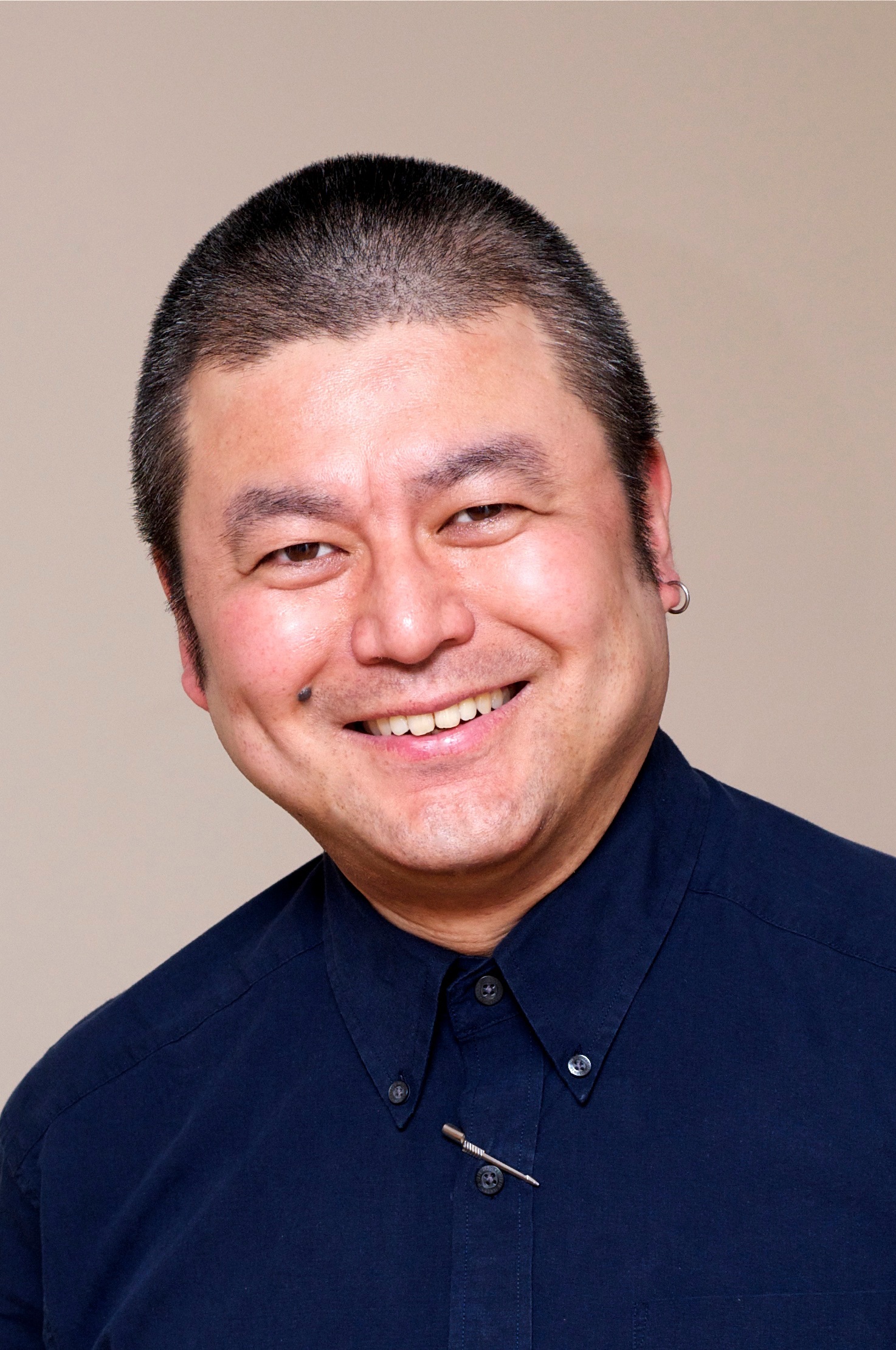
Satoshi Kanazawa is an evolutionary psychologist and intelligence researcher, and Reader in Management in the Department of Management at the London School of Economics and Politic...
View profile >Keep up with the latest from Cambridge University Press on our social media accounts.



Latest Comments
Have your say!