
Products and services

Few critics would dispute the contention that the central, dominating force in André Malraux’s novelistic vision is the towering figure of Fyodor Dostoevskii. Numerous references would support this...
Michael A. Forrester, the author of Early Social Interaction, explains the process of researching childhood language development by studying his daughter.
Celia Marshik, the editor of The Cambridge Companion to Modernist Culture, explains the uncertain and innovating modernist period of the early 20th century through the lens of the beloved period drama Downton Abbey.
In this interview, Vincent Sherry, the author of Modernism and the Reinvention of Decadence, tackles the question “What is decadence?” in literary history. https://www.youtube.com/watch?v=LDHc3h915qg Read More ?
David Chan Smith, the author of Sir Edward Coke and the Reformation of the Laws, traces the way one lawyer and judge shaped modern law, and how Coke's legacy plays a part in the crises of modern democracy.
How does deception work? How do we trick others, and how are we ourselves deceived? Peter Hancock, the author of Hoax Spring Eternal, breaks down the art of deception and "magical" entertainment.
Reacting to the massacre at Charlie Hebdo two weeks ago, Emile Chabal, the author of A Divided Republic, explores the implications for France as a modern nation.
Timothy Hellwig, the author of Globalization and Mass Politics, explores how globalization affects the world economy and perception of the economic crisis.
Robert J. Sternberg and Susan T. Fiske, editors of Ethical Challenges in the Behavioral and Brain Sciences, outline the motivation behind their new book in professional ethics.
Cambridge Companions are a series of authoritative guides, written by leading experts, offering lively, accessible surveys to major writers, artists, philosophers, topics, and periods. Below you can browse through what some of our authors and editors have to say about their Companion and what it contributes to their field of study. For more information about Cambridge Companions and to watch our animation, click here.
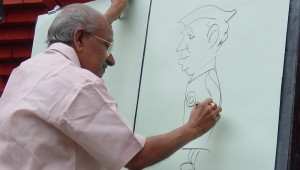
Ritu Gairola Khanduri, the author of Caricaturing Culture in India: Cartoons and History in the Modern World, reacts to the Charlie Hebdo attack, commenting on the complex global history and tension between cartoons and politics.
On November 27, Michael Boylan gave a lecture about his new book, Natural Human Rights: A Theory, at Oxford University (if you missed it, you can listen here). Graduate student Joseph Bowen blogged about the talk, raising a few questions and criticisms about Boylan's theory. Check out Boylan's response to Bowen's criticisms below.
Keep up with the latest from Cambridge University Press on our social media accounts.