When I began my biography of Nietzsche’s youth, The Making of Friedrich Nietzsche, I expected eventually to dislike my subject. Biographers frequently start by admiring their protagonists, then become hostile. Why should I be different? My experience, however, was the opposite. I found a great deal repellent in Nietzsche at the beginning, then decided that […]
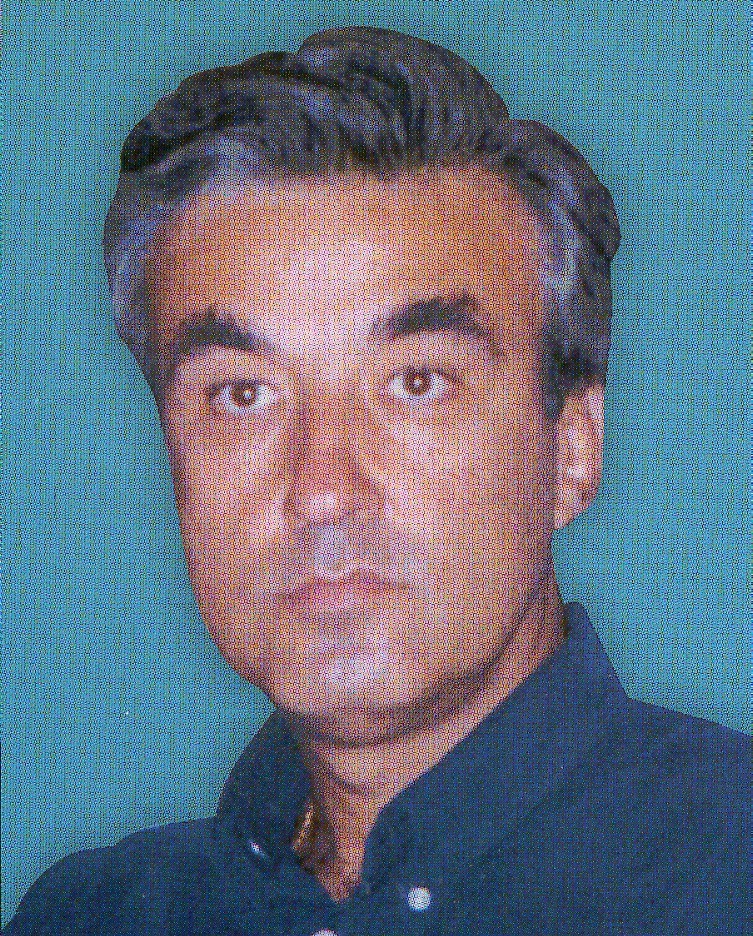
Read More1861 This photograph, taken for Confirmation, was probably the first portrait of himself that Nietzsche had ever seen. Fundamentally pleased with it, he nonetheless acknowledged its homelier aspects: “My stance is hunched, my feet somewhat crooked, and my hand looks like a dumpling.” 1862 In this image Nietzsche seems quite a different person from […]
Read MoreDaniel Blue’s The Making of Friedrich Nietzsche: The Quest for Identity 1844-1869 explores the famed German philosopher’s first formative 24 years of life. Browse through this interactive family tree to learn about Nietzsche’s assorted relatives. To learn more about each individual relatives, click on each family member’s square.
Read MoreJeffrey Alexander, Elizabeth Butler Breese and Maria Luengo consider the crisis faced by modern journalism, focusing on a different perspective and providing a somewhat less gloomy conclusion. The Crisis of Journalism Reconsidered is available to buy now.
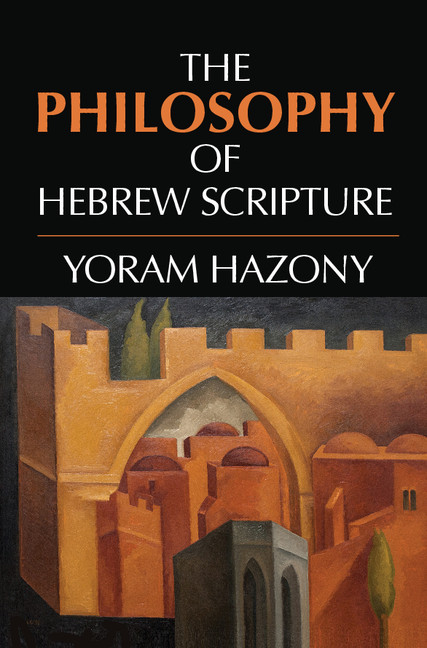
Read MoreThe Jewish philosopher Leo Strauss held that the Hebrew Bible should be regarded as being in “radical opposition” to philosophy and as its “antagonist.” This is an influential view, which has contributed much to the ongoing omission of the Bible from most accounts of the history of political philosophy. In this essay, I examine Strauss’s […]
Read MoreCan you give us a brief explanation of what metametaphysics is, and the big questions at the core of it? The term ‘meta-metaphysics’ may seem awkward – and it is – but it is descriptive: the focus is on a methodological, meta-level analysis of the discipline of metaphysics. On a very general level, there are […]
Read MoreChristopher Rowe sheds some light on the great philosopher, with reference to his new and lively translation of Theaetetus and Sophist, two of Plato's most important dialogues...
Read MoreTo celebrate the publication of George Herbert: 100 Poems, we ask volume editor Helen Wilcox to pick her favourite George Herbert poems and explain why she chose them.
Read MoreWhen I began my biography of Nietzsche’s youth, The Making of Friedrich Nietzsche, I expected eventually to dislike my subject. Biographers frequently start by admiring their protagonists, then become hostile. Why should I be different? My experience, however, was the opposite. I found a great deal repellent in Nietzsche at the beginning, then decided that […]
Read More1861 This photograph, taken for Confirmation, was probably the first portrait of himself that Nietzsche had ever seen. Fundamentally pleased with it, he nonetheless acknowledged its homelier aspects: “My stance is hunched, my feet somewhat crooked, and my hand looks like a dumpling.” 1862 In this image Nietzsche seems quite a different person from […]
Read MoreDaniel Blue’s The Making of Friedrich Nietzsche: The Quest for Identity 1844-1869 explores the famed German philosopher’s first formative 24 years of life. Browse through this interactive family tree to learn about Nietzsche’s assorted relatives. To learn more about each individual relatives, click on each family member’s square.
Read MoreJeffrey Alexander, Elizabeth Butler Breese and Maria Luengo consider the crisis faced by modern jour...
Read MoreThe Jewish philosopher Leo Strauss held that the Hebrew Bible should be regarded as being in “radical opposition” to philosophy and as its “antagonist.” This is an influential view, which has contributed much to the ongoing omission of the Bible from most accounts of the history of political philosophy. In this essay, I examine Strauss’s […]
Read MoreCan you give us a brief explanation of what metametaphysics is, and the big questions at the core of it? The term ‘meta-metaphysics’ may seem awkward – and it is – but it is descriptive: the focus is on a methodological, meta-level analysis of the discipline of metaphysics. On a very general level, there are […]
Read MoreChristopher Rowe sheds some light on the great philosopher, with reference to his new and lively
Read MoreKeep up with the latest from Cambridge University Press on our social media accounts.
Mariusz Tabaczek, O.P., is a friar preacher, professor of theology, and member of the Thomistic Institute at the Pontifical University of Saint Thomas Aquinas in Rome. He is the author of Emergence: Towards A New Metaphysics and Philosophy of Science (2019), and Divine Action and Emergence: An Alternative to Panentheism (2021).

Jesse Spafford is a Lecturer at the Victoria University of Wellington. His work explores debates between libertarians, socialists, and anarchists over the moral status of the market and the state, and he is the author of a number of articles in journals including Philosophical Studies, Synthese, and the Journal of Ethics and Social Philosophy.
Edwin Mares is Professor of Philosophy at Victoria University of Wellington. His publications include Relevant Logic: A Philosophical Interpretation (Cambridge, 2004).
Mark Scarlata is Senior Lecturer in Old Testament at St Mellitus College, London. He is also the vicar-chaplain at St. Edward, King and Martyr, Cambridge and the director of the St. Edward\'s Institute for Christian Thought.
Randall Smith is Full Professor in the Department of Theology at the University of St. Thomas, Houston. He is the author of five books, among them Aquinas, Bonaventure and the Scholastic Culture of Medieval Paris (Cambridge, 2021).
Peter Carruthers is Distinguished University Professor of Philosophy at the University of Maryland. His publications include Human and Animal Minds (2019) and Human Motives: Hedonism, Altruism, and the Science of Affect (2024).
David Merritt author of A Philosophical Approach to MOND
Simon Friederich, author of Multiverse Theories: A Philosophical PerspectiveRijksuniversiteit Groningen, The Netherlands
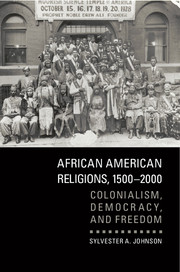
African American Religions, 1500–2000
Roy W. Perrett, University of Melbourne
Helen Wilcox, Professor of English at Bangor University
Magna Carta, Religion and the Rule of Law
Free Trade and Faithful Globalization
Author of The Late Sigmund Freud
Damon Mayrl is Assistant Professor of Sociology at Universidad Carlos III de Madrid.
https://www.cambridgeblog.org/wp-content/uploads/2017/03/Lorna-Finlayson-photograph.jpg
The Philosophy of Human Evolution
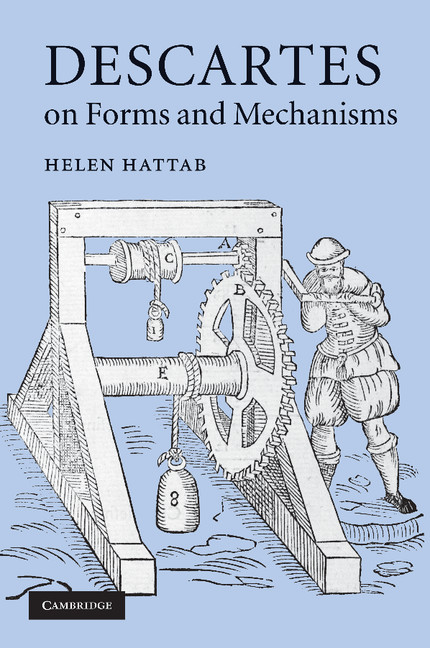
Descartes on Forms and Mechanisms
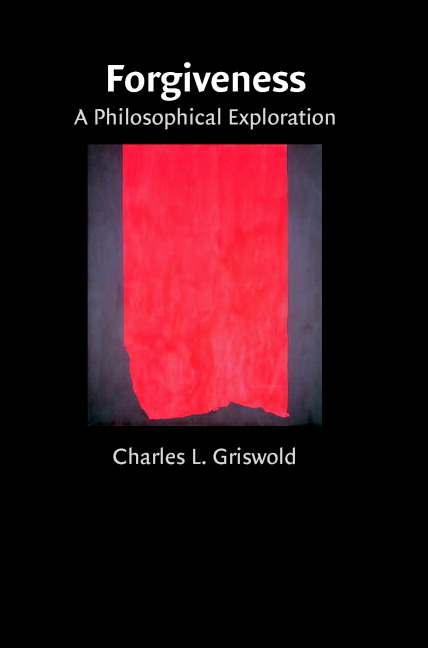
Forgiveness: a Philosophical Exploration
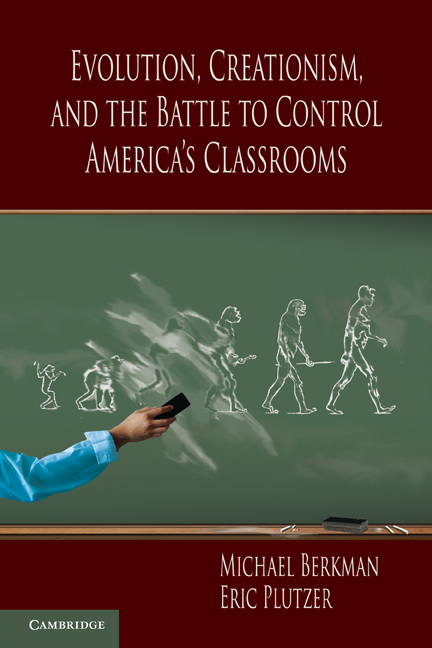
Evolution, Creationism, and the Battle to Control America\'s Classrooms
Plato and the Talmud
Evolution, Creationism, and the Battle to Control America\\\\\\\'s Classrooms
Constitutional Illusions and Anchoring Truths
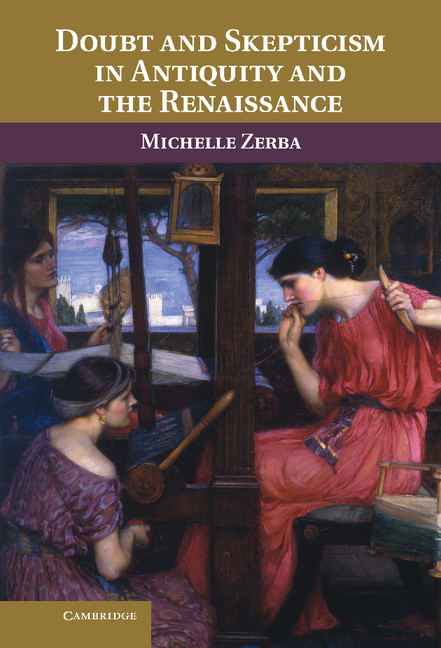
Doubt and Skepticism in Antiquity and the Renaissance
I Was Wrong
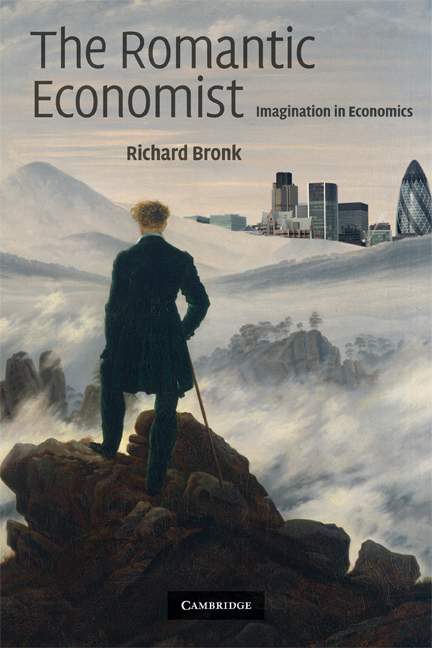
The Romantic Economist
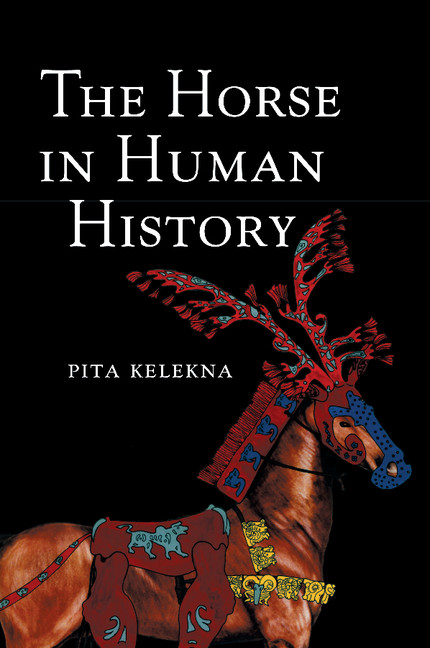
The Horse in Human History
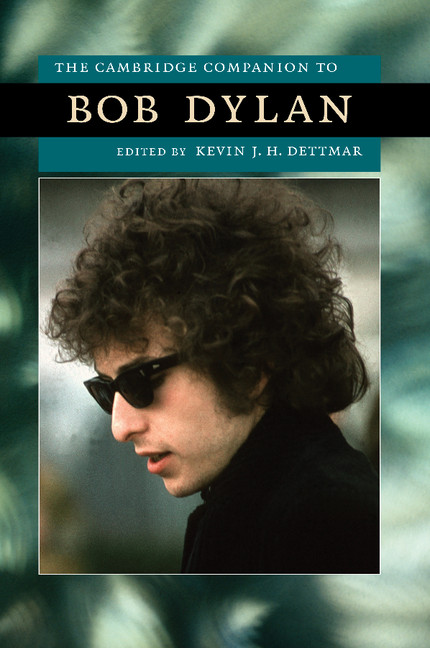
The Cambridge Companion to Bob Dylan
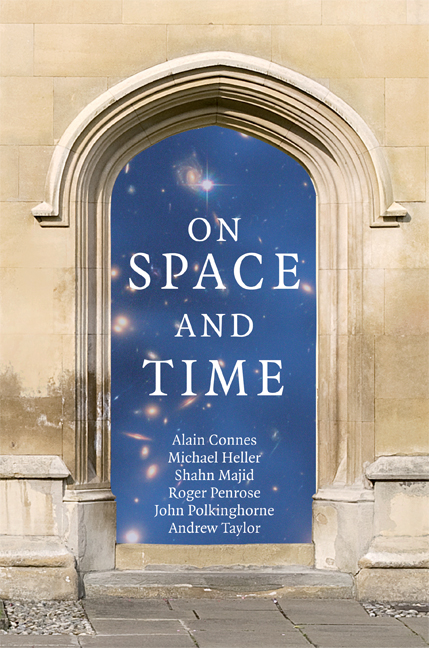
On Space and Time
The Philosophy of Hebrew Scripture
On Space and Time
A Dictionary of Bible Plants
Yinyang
Peter Singer and Christian Ethics
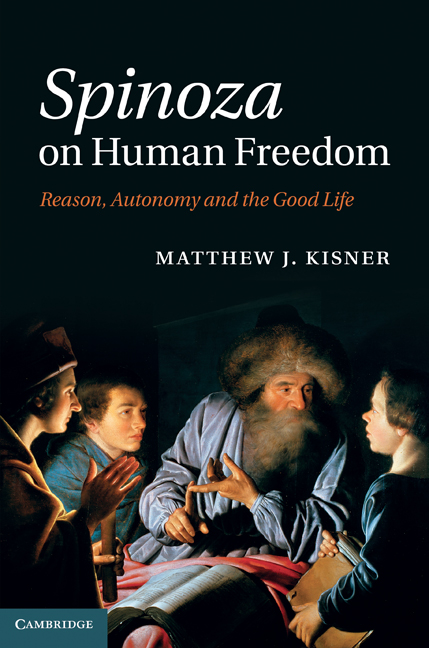
Spinoza on Human Freedom
Against Autonomy
Senior Inbound Marketing Executive
The First French Reformation
Text and Authority in the South African Nazaretha Church
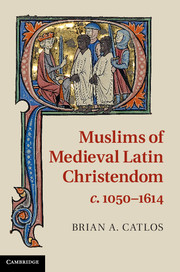
Muslims of Medieval Latin Christendom, c.1050–1614
A Reference Grammar of French
Cambridge University Press Archivist
An Ancient Commentary on the Book of Revelation
Natural Human Rights: A Theory
Ibn Gabirol\'s Theology of Desire
God, Sexuality, and the Self
Schopenhauer and the Aesthetic Standpoint
Interpreting Avicenna: Critical Essays
The Cambridge Companion to Life and Death
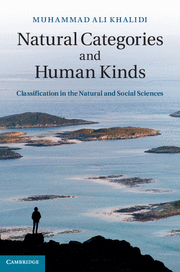
Hegel\'s Phenomenology of Spirit
Aquinas on Human Self-Knowledge
The Mystery of the Last Supper
To receive updates on Philosophy & Religion news from Cambridge University Press and Fifteen Eighty Four, please join our email list below. We will not disclose your email address to any third party