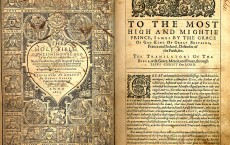
The Christian Bible, the best-selling book of all time, is read by many people in many different ways. For example, it is possible to read it with an eye toward how it has formed Western culture. A few years ago, on the four hundredth anniversary of the King James Version of the Bible, celebrity atheist […]
Read MoreImagine, no-one had brought to light Johann Sebastian Bach, after the many years that he and his works had entirely been forgotten, or nobody performed the Moonlight Sonata of Beethoven, or nobody had remembered the beginnings of Christianity … History is what and how we remember the past. Moreover, it is, in the direction we […]
Read MoreDo you know what knowledge is? Before you reply, ponder for a moment the Gettier problem. It’s a puzzle. It’s a challenge. It was a moment; now it’s a tradition. It’s a centrepiece of contemporary philosophy – a conundrum about knowledge. It makes potent the possibility that we will never fully understand knowledge’s nature. The […]
Read MoreThe authors of Texts and Violence in the Roman World explain why ancient history is still quite relevant in today's current climate.
Read MoreIn October 2018 ITV’s ‘Good Morning Britain’ ran a debate entitled ‘Do People Hate Vegans?’. In November the vegan activist group Direct Action Everywhere staged a protest at a Brighton steakhouse, playing recordings of cows being killed. Passions were raised, with some diners booing and shouting in return. A spokesman from the group said: ‘Legality […]
Read MoreEinstein once remarked, “Any fool can know. The point is to understand.” Expressions like these are increasingly common. Saturated with social media and soundbites, many lament modern life’s flood of information and its dearth of understanding. But what exactly is understanding? In my book, Understanding, Explanation, and Scientific Knowledge, I answer this question by riffing […]
Read MoreCan you really be famous for explaining someone else’s ideas? Speaking as a historian of philosophy I can tell you the answer is: not really. But one man who just about managed it was Ibn Rushd, often known by the Latinized version of his name, Averroes. He lived in twelfth century Spain, at a time […]
Read MoreHow we name and narrate food matters. To see what I mean, consider the different namings/narrations of a plant as either a flower, a tomato plant, or a weed. Flowers are plants to behold and admire, tomato plants we nurture and protect (so we can eventually enjoy their delectable fruit), and weeds we work to […]
Read MoreThe Christian Bible, the best-selling book of all time, is read by many people in many different ways. For example, it is possible to read it with an eye toward how it has formed Western culture. A few years ago, on the four hundredth anniversary of the King James Version of the Bible, celebrity atheist […]
Read MoreImagine, no-one had brought to light Johann Sebastian Bach, after the many years that he and his works had entirely been forgotten, or nobody performed the Moonlight Sonata of Beethoven, or nobody had remembered the beginnings of Christianity … History is what and how we remember the past. Moreover, it is, in the direction we […]
Read MoreDo you know what knowledge is? Before you reply, ponder for a moment the Gettier problem. It’s a puzzle. It’s a challenge. It was a moment; now it’s a tradition. It’s a centrepiece of contemporary philosophy – a conundrum about knowledge. It makes potent the possibility that we will never fully understand knowledge’s nature. The […]
Read MoreThe authors of Texts and Violence in the Roman World explain why ancient history is still quite rele...
Read MoreIn October 2018 ITV’s ‘Good Morning Britain’ ran a debate entitled ‘Do People Hate Vegans?’. In November the vegan activist group Direct Action Everywhere staged a protest at a Brighton steakhouse, playing recordings of cows being killed. Passions were raised, with some diners booing and shouting in return. A spokesman from the group said: ‘Legality […]
Read MoreEinstein once remarked, “Any fool can know. The point is to understand.” Expressions like these are increasingly common. Saturated with social media and soundbites, many lament modern life’s flood of information and its dearth of understanding. But what exactly is understanding? In my book, Understanding, Explanation, and Scientific Knowledge, I answer this question by riffing […]
Read MoreCan you really be famous for explaining someone else’s ideas? Speaking as a historian of philosophy I can tell you the answer is: not really. But one man who just about managed it was Ibn Rushd, often known by the Latinized version of his name, Averroes. He lived in twelfth century Spain, at a time […]
Read MoreHow we name and narrate food matters. To see what I mean, consider the different namings/narrations of a plant as either a flower, a tomato plant, or a weed. Flowers are plants to behold and admire, tomato plants we nurture and protect (so we can eventually enjoy their delectable fruit), and weeds we work to […]
Read MoreKeep up with the latest from Cambridge University Press on our social media accounts.
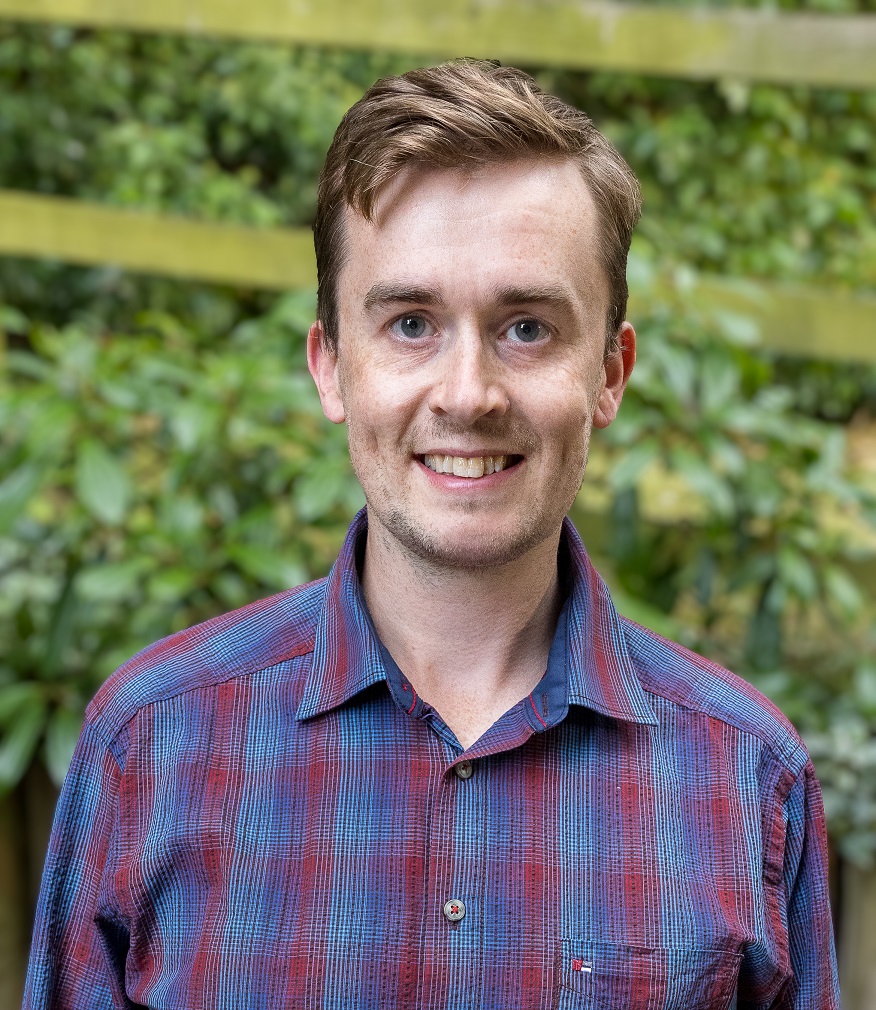
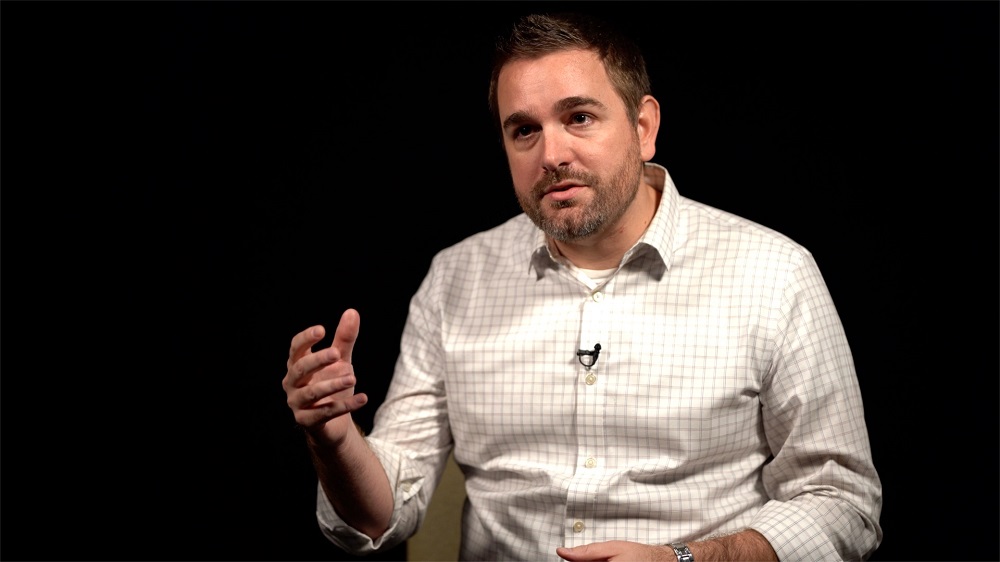
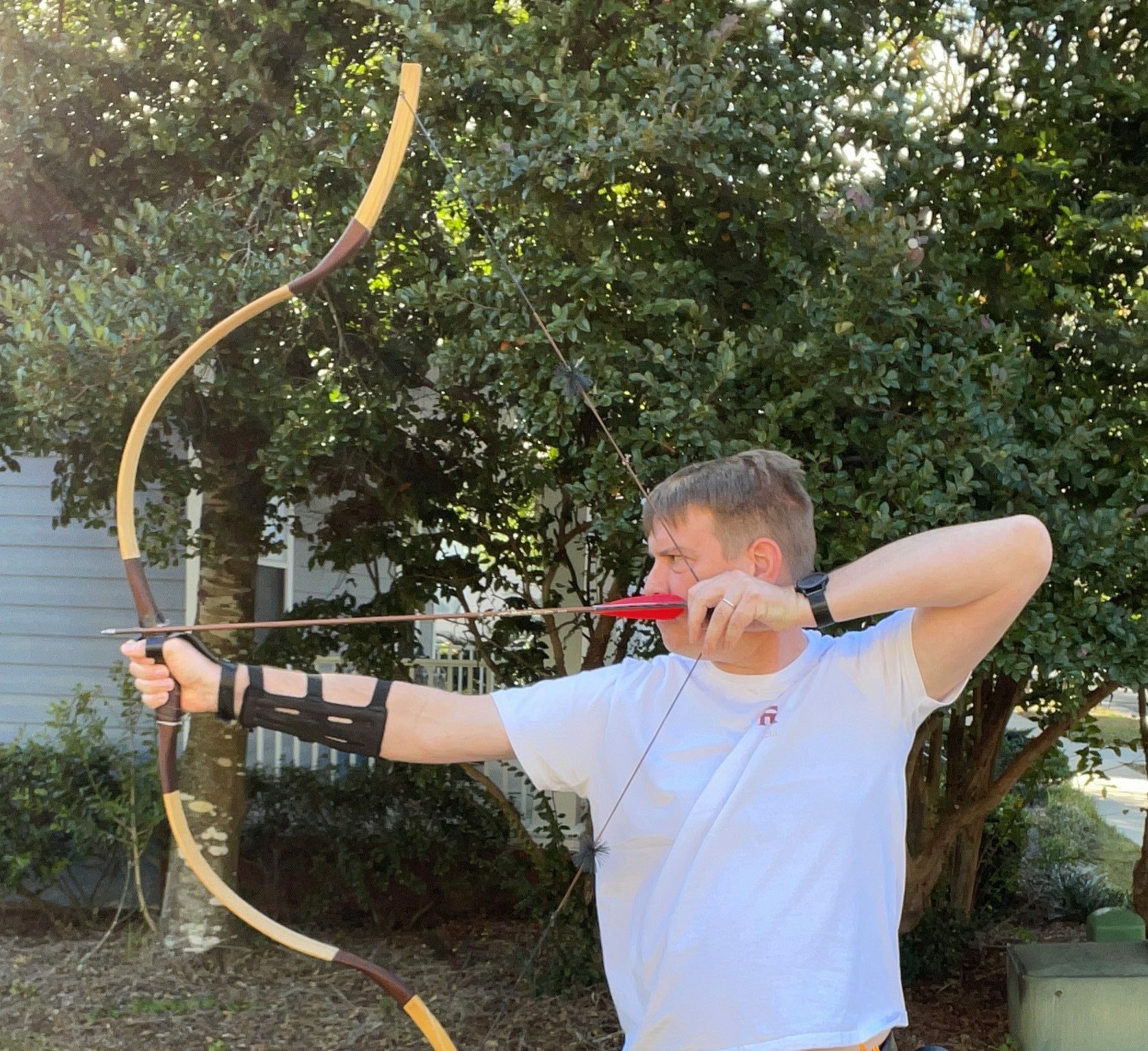
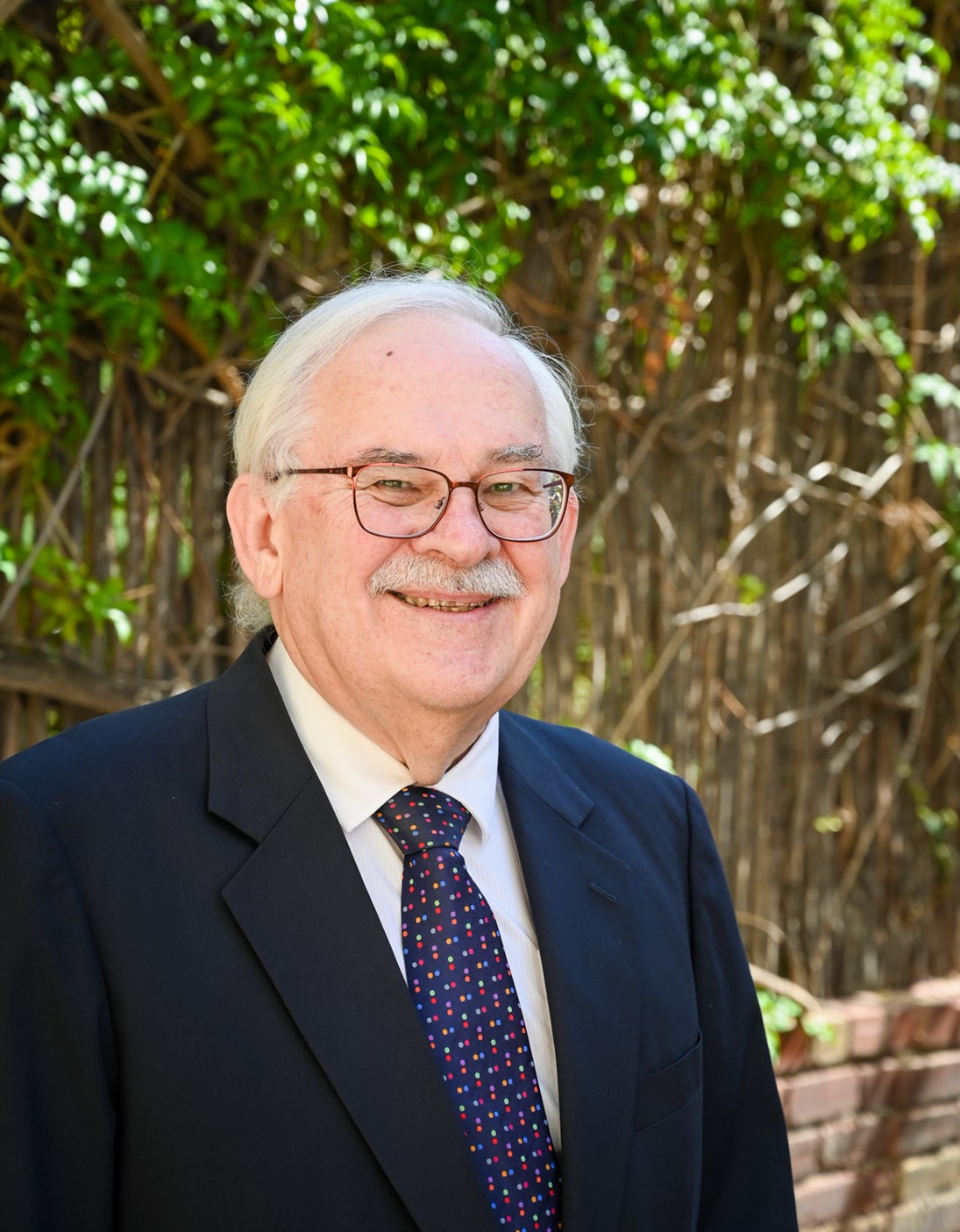
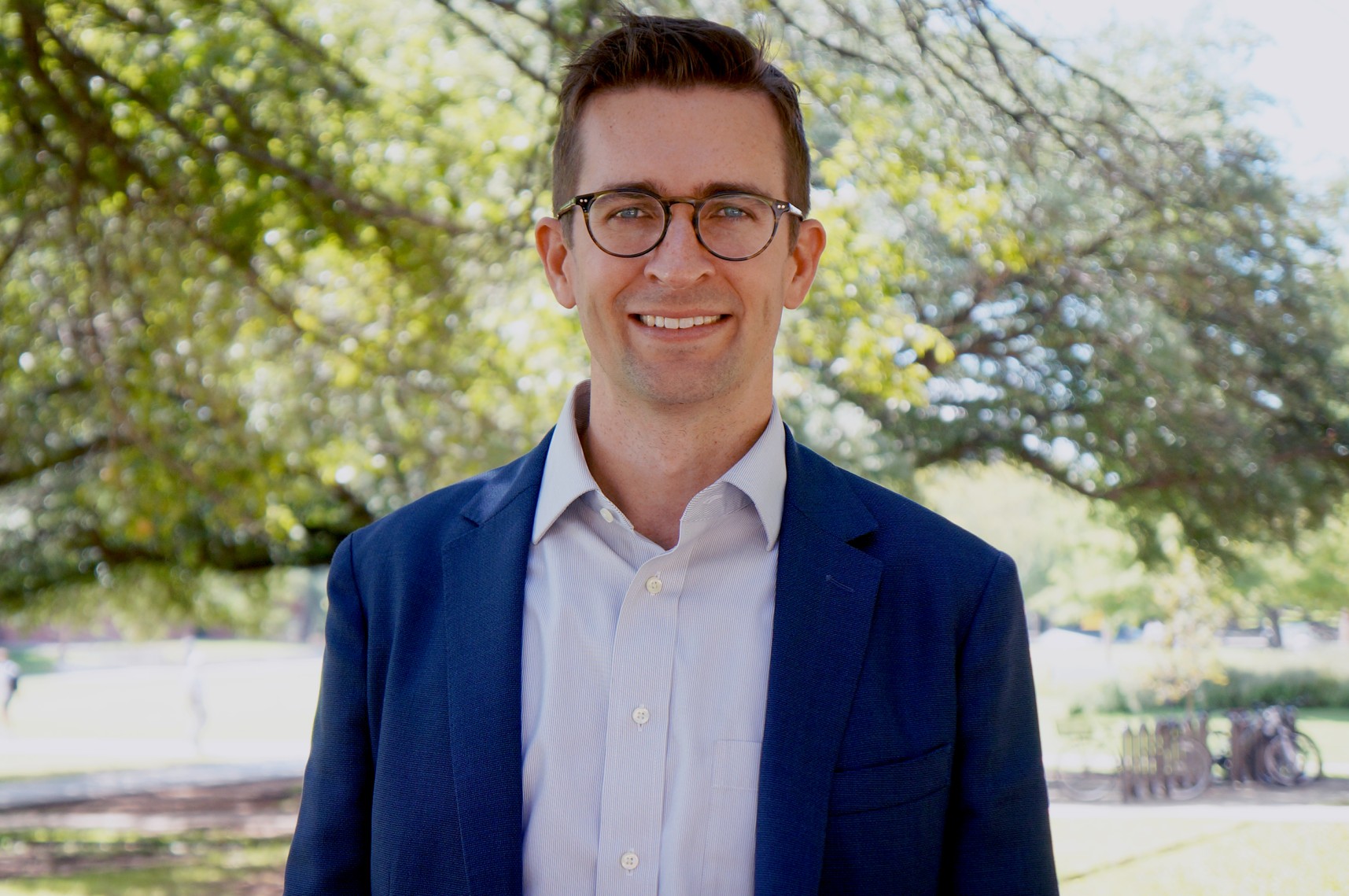
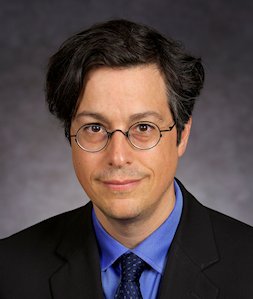
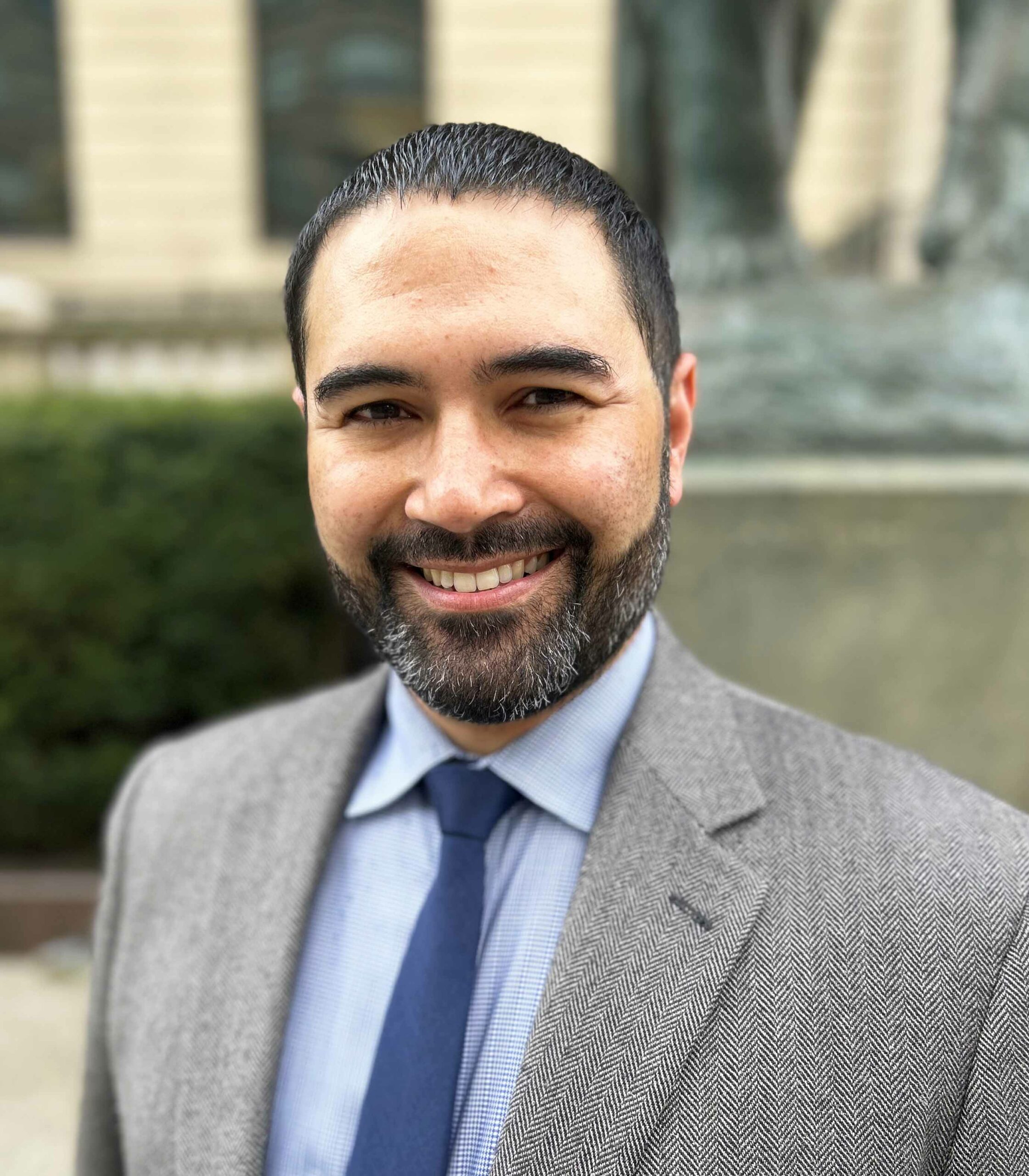
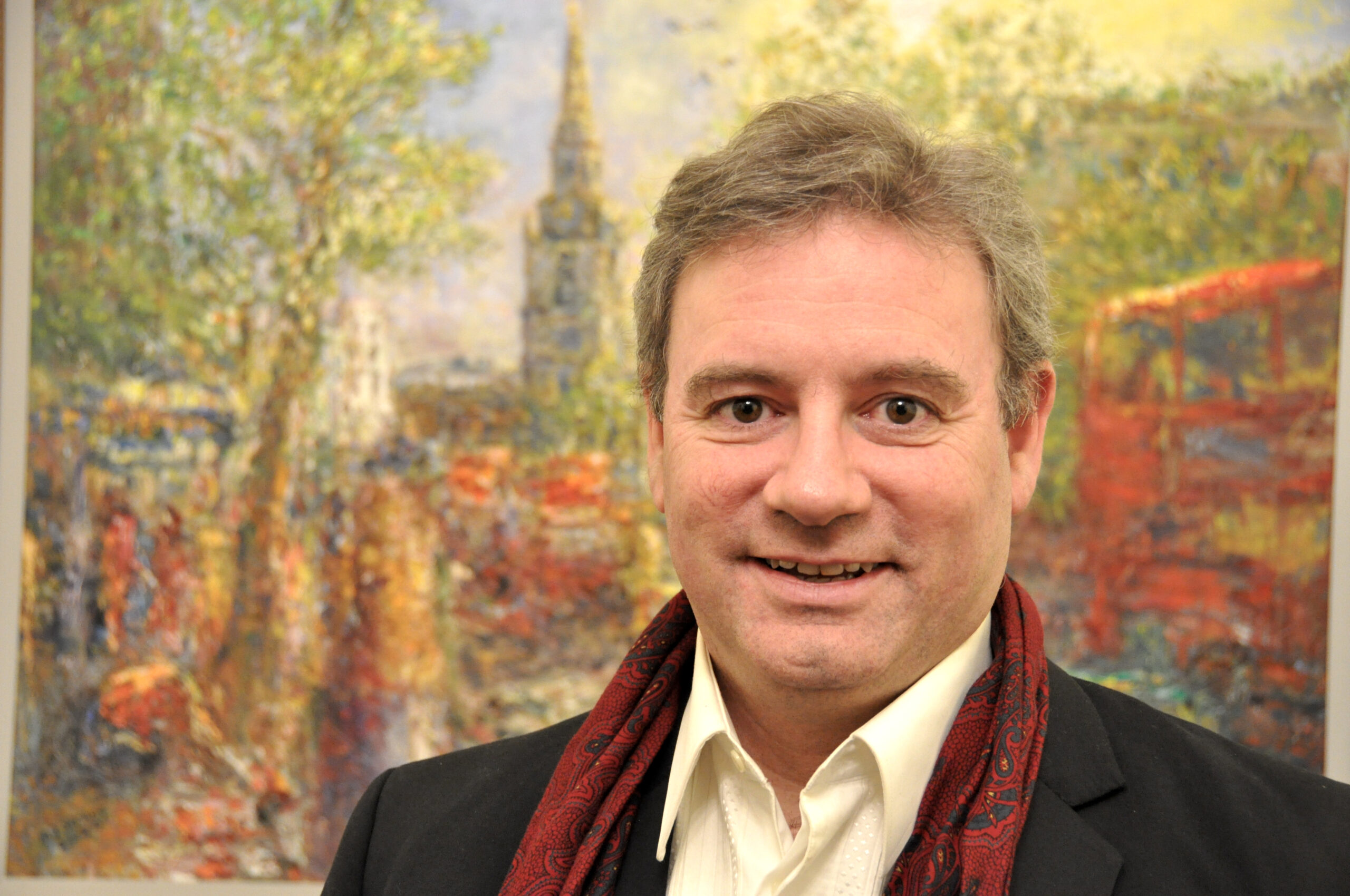
Mariusz Tabaczek, O.P., is a friar preacher, professor of theology, and member of the Thomistic Institute at the Pontifical University of Saint Thomas Aquinas in Rome. He is the author of Emergence: Towards A New Metaphysics and Philosophy of Science (2019), and Divine Action and Emergence: An Alternative to Panentheism (2021).

Jesse Spafford is a Lecturer at the Victoria University of Wellington. His work explores debates between libertarians, socialists, and anarchists over the moral status of the market and the state, and he is the author of a number of articles in journals including Philosophical Studies, Synthese, and the Journal of Ethics and Social Philosophy.
Edwin Mares is Professor of Philosophy at Victoria University of Wellington. His publications include Relevant Logic: A Philosophical Interpretation (Cambridge, 2004).
Mark Scarlata is Senior Lecturer in Old Testament at St Mellitus College, London. He is also the vicar-chaplain at St. Edward, King and Martyr, Cambridge and the director of the St. Edward\'s Institute for Christian Thought.
Randall Smith is Full Professor in the Department of Theology at the University of St. Thomas, Houston. He is the author of five books, among them Aquinas, Bonaventure and the Scholastic Culture of Medieval Paris (Cambridge, 2021).
Peter Carruthers is Distinguished University Professor of Philosophy at the University of Maryland. His publications include Human and Animal Minds (2019) and Human Motives: Hedonism, Altruism, and the Science of Affect (2024).
David Merritt author of A Philosophical Approach to MOND
Simon Friederich, author of Multiverse Theories: A Philosophical PerspectiveRijksuniversiteit Groningen, The Netherlands
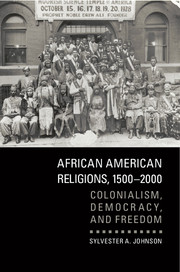
African American Religions, 1500–2000
Roy W. Perrett, University of Melbourne
Helen Wilcox, Professor of English at Bangor University
Magna Carta, Religion and the Rule of Law
Free Trade and Faithful Globalization
Author of The Late Sigmund Freud
Damon Mayrl is Assistant Professor of Sociology at Universidad Carlos III de Madrid.
https://www.cambridgeblog.org/wp-content/uploads/2017/03/Lorna-Finlayson-photograph.jpg
The Philosophy of Human Evolution
Descartes on Forms and Mechanisms
Forgiveness: a Philosophical Exploration
Evolution, Creationism, and the Battle to Control America\'s Classrooms
Plato and the Talmud
Evolution, Creationism, and the Battle to Control America\\\\\\\'s Classrooms
Constitutional Illusions and Anchoring Truths
Doubt and Skepticism in Antiquity and the Renaissance
I Was Wrong
The Romantic Economist
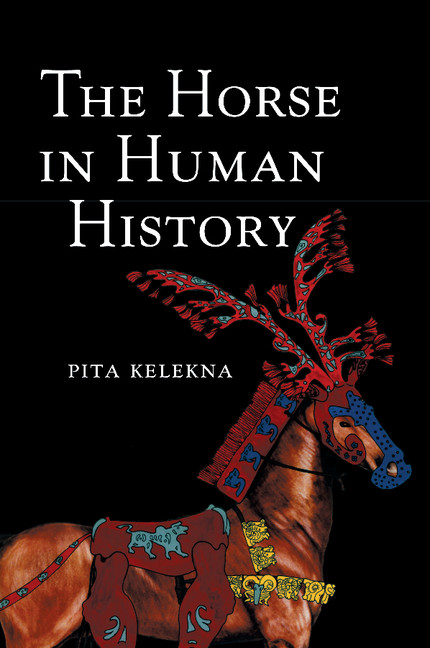
The Horse in Human History
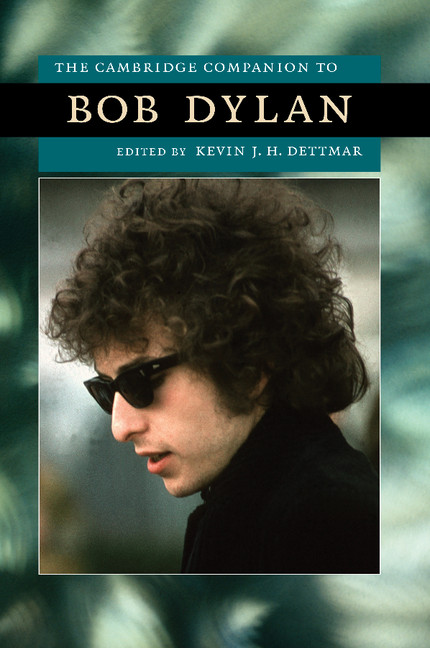
The Cambridge Companion to Bob Dylan
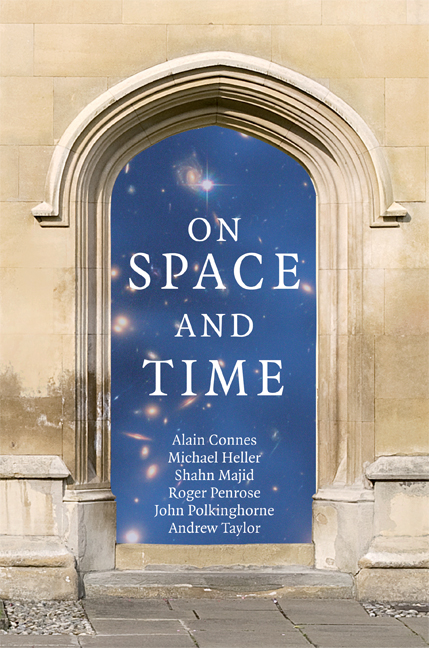
On Space and Time
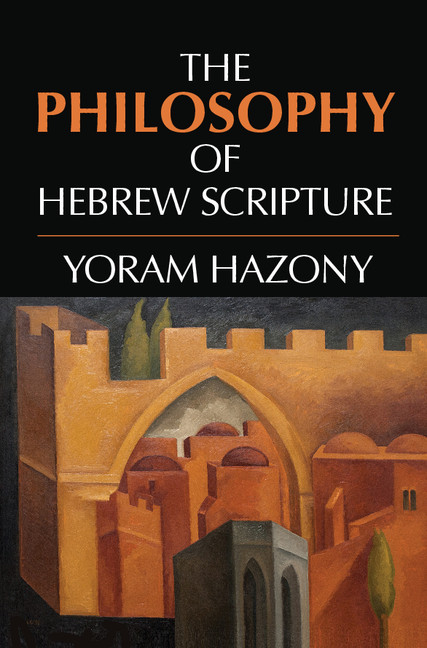
The Philosophy of Hebrew Scripture
On Space and Time
A Dictionary of Bible Plants
Yinyang
Peter Singer and Christian Ethics
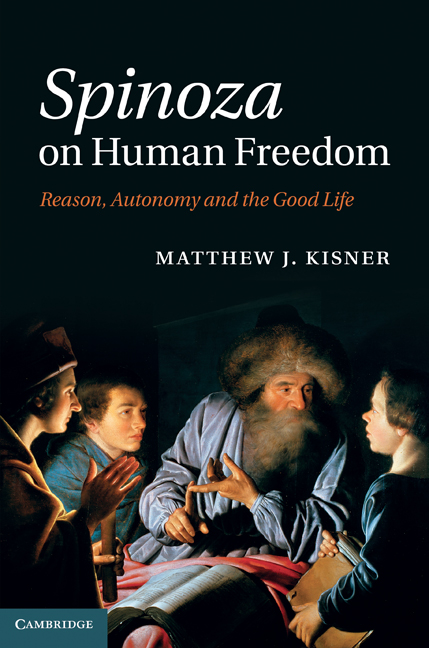
Spinoza on Human Freedom
Against Autonomy
Senior Inbound Marketing Executive
The First French Reformation
Text and Authority in the South African Nazaretha Church
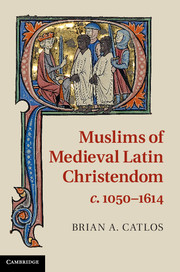
Muslims of Medieval Latin Christendom, c.1050–1614
A Reference Grammar of French
Cambridge University Press Archivist
An Ancient Commentary on the Book of Revelation
Natural Human Rights: A Theory
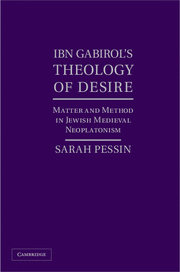
Ibn Gabirol\'s Theology of Desire
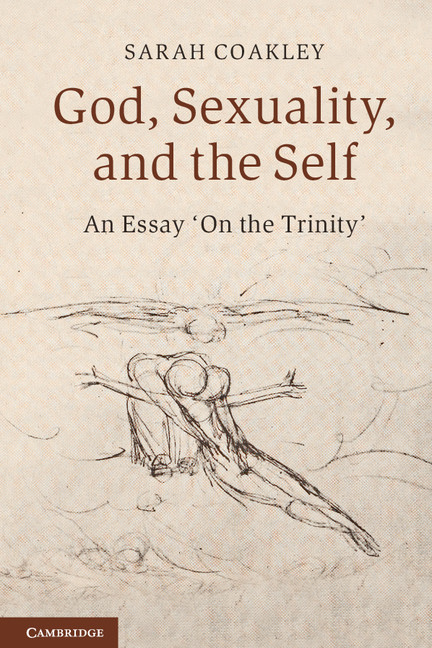
God, Sexuality, and the Self
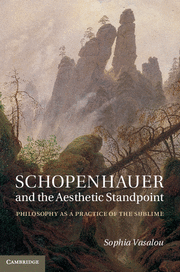
Schopenhauer and the Aesthetic Standpoint
Interpreting Avicenna: Critical Essays
The Cambridge Companion to Life and Death
Hegel\'s Phenomenology of Spirit
Aquinas on Human Self-Knowledge
The Mystery of the Last Supper
To receive updates on Philosophy & Religion news from Cambridge University Press and Fifteen Eighty Four, please join our email list below. We will not disclose your email address to any third party