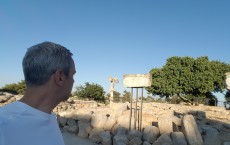
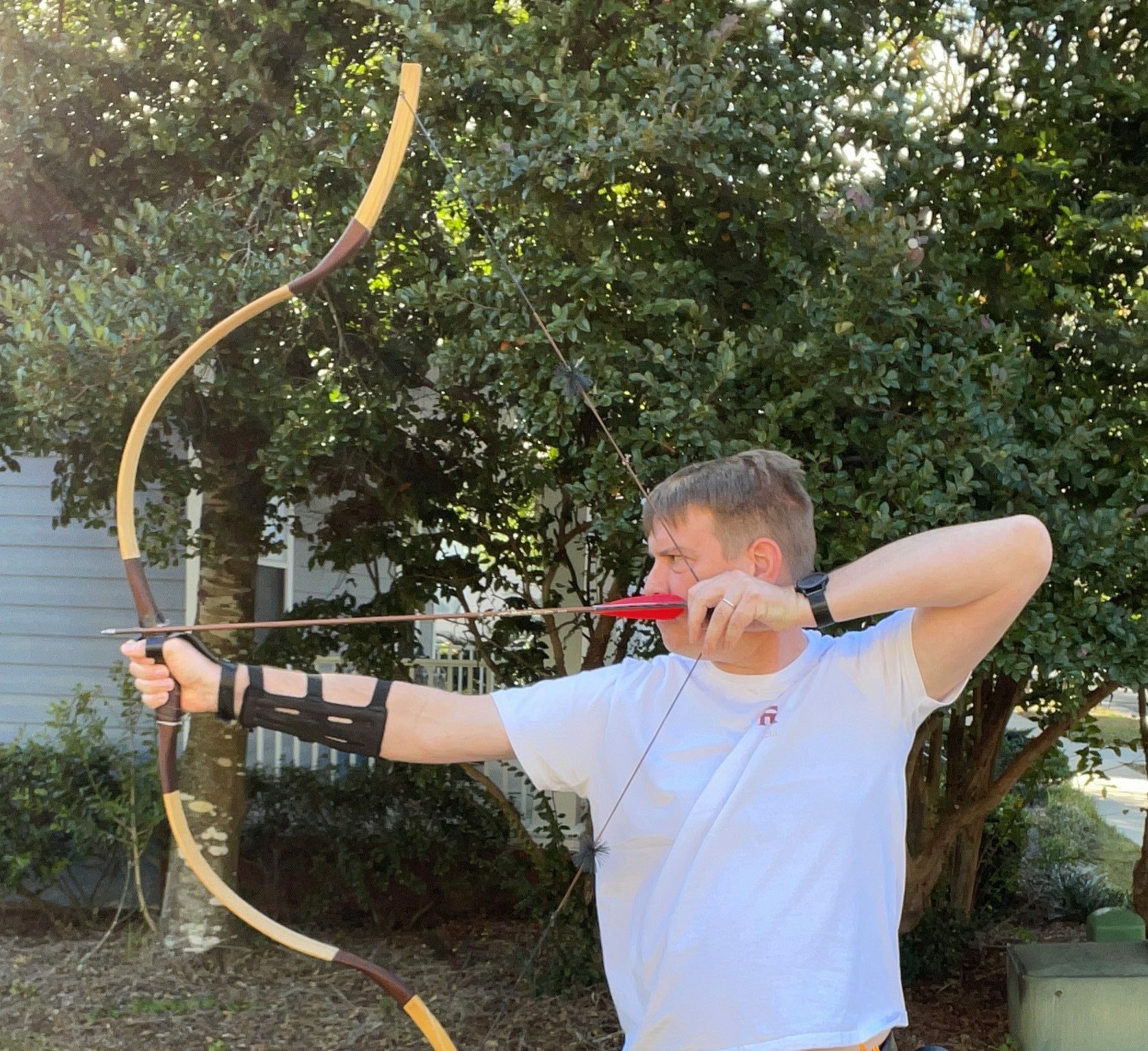
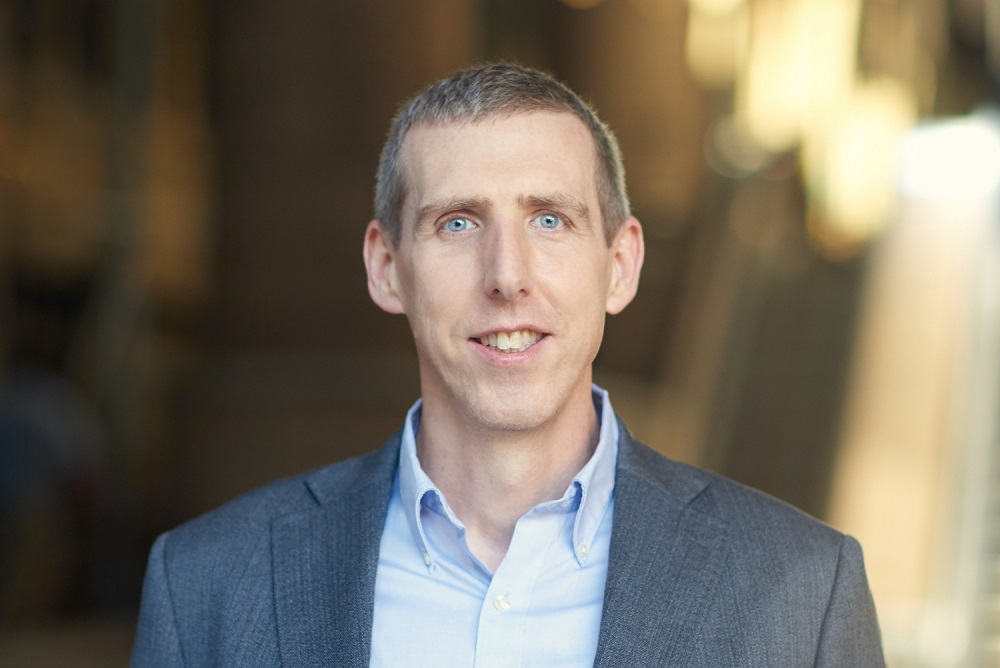
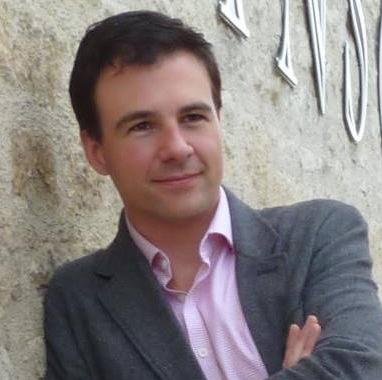
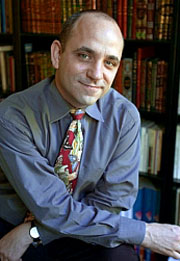
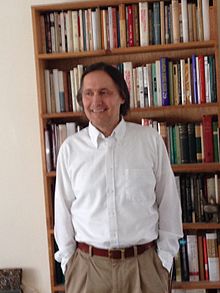
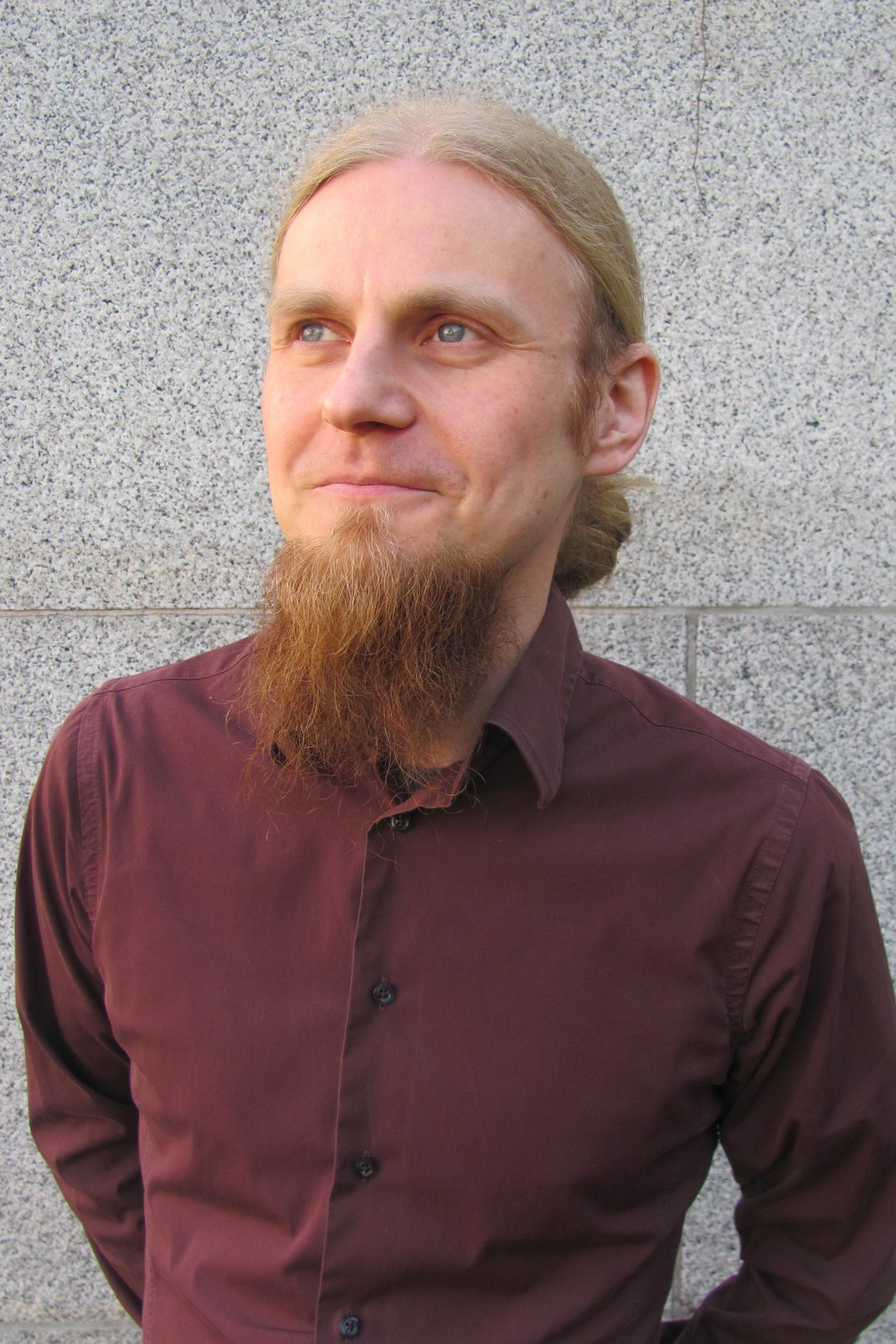
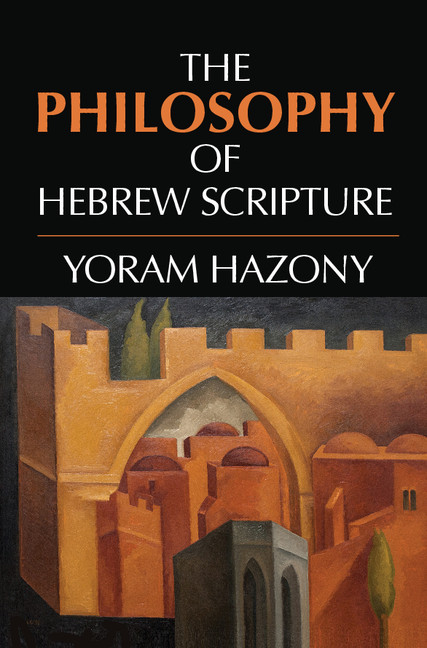
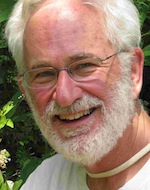
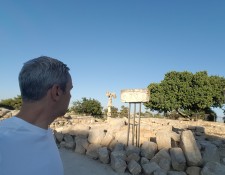
The author looks over the ruins of Ramat Rahel near Jerusalem. He argues it was the site of an ancient Assyrian imperial citadel whose destruction was celebrated in Isaiah 24-27
Read MoreThe fundamental concern of Romanticism, which brought about its inception, determined its development, and set its end, was the need to create a new language for religion. One of the main motivations behind writing this study is to illustrate that early German Romanticism, the first of the Romantic movements, was more than a response to […]
Read More‘Why do you want to study India’s State-run Media?’ This question was frequently posed to me by my friends and fellow academics. For some broadcasting if not passé, is quite a mouthful, and hard to pronounce. ‘Why not study the increasing presence and uses of the internet, mobile phones, and associated digital media forms in […]
Read MoreWhile working on a book on the religious influences on Modern Art (Modern Art and the Life of a Culture [2016] co-author, Jonathan Anderson), I was struck by the widening scope of motifs sparking aesthetic treatment in the modern period. Where did this impulse come from? How did artists turn from the narrow range of […]

Read MoreIncreasingly, Christian pacifists are recognizing the need to attend to the violence of climate change. Thanks to books like Rob Nixon’s Slow Violence and the Environmentalism of the Poor and Kevin O’Brien’s The Violence of Climate Change, the links between climate change and violence are becoming more apparent and the need to respond to climate-shaped […]

Read MoreContext matters. Probably no historian can write a shorter sentence that defends our craft. This is true whether we speak in terms of politics, or about literature, or the law, or even the hard sciences. (Experiments work very differently in a vacuum than in the open air of one’s kitchen.) Knowing the world in which […]
Read MoreGather everything that we humans, religious and nonreligious, have ever done to satisfy ourselves about transcendent things under this label: the religion project. Then ask yourself whether the effort has reached maturity. In Religion After Science, I argue that the correct answer is No. The religion project is instead hugely underdeveloped. Take what religious practices […]

Read MoreWhen Attalus III died, Aristonicus seized the throne and called himself Eumenes III. Slow to claim their rights under Attalus’ will, the Romans moved in, years later, and―at the second try―defeated Aristonicus. They took the parts of the Attalid kingdom they liked, and ignored the rest. In the neglected back-blocks of Asia over the following […]
Read MoreThe author looks over the ruins of Ramat Rahel near Jerusalem. He argues it was the site of an ancie...
Read MoreThe fundamental concern of Romanticism, which brought about its inception, determined its development, and set its end, was the need to create a new language for religion. One of the main motivations behind writing this study is to illustrate that early German Romanticism, the first of the Romantic movements, was more than a response to […]
Read More‘Why do you want to study India’s State-run Media?’ This question was frequently posed to me by my friends and fellow academics. For some broadcasting if not passé, is quite a mouthful, and hard to pronounce. ‘Why not study the increasing presence and uses of the internet, mobile phones, and associated digital media forms in […]
Read MoreWhile working on a book on the religious influences on Modern Art (Modern Art and the Life of a Culture [2016] co-author, Jonathan Anderson), I was struck by the widening scope of motifs sparking aesthetic treatment in the modern period. Where did this impulse come from? How did artists turn from the narrow range of […]
Read MoreIncreasingly, Christian pacifists are recognizing the need to attend to the violence of climate change. Thanks to books like Rob Nixon’s Slow Violence and the Environmentalism of the Poor and Kevin O’Brien’s The Violence of Climate Change, the links between climate change and violence are becoming more apparent and the need to respond to climate-shaped […]
Read MoreContext matters. Probably no historian can write a shorter sentence that defends our craft. This is true whether we speak in terms of politics, or about literature, or the law, or even the hard sciences. (Experiments work very differently in a vacuum than in the open air of one’s kitchen.) Knowing the world in which […]
Read MoreGather everything that we humans, religious and nonreligious, have ever done to satisfy ourselves about transcendent things under this label: the religion project. Then ask yourself whether the effort has reached maturity. In Religion After Science, I argue that the correct answer is No. The religion project is instead hugely underdeveloped. Take what religious practices […]
Read MoreWhen Attalus III died, Aristonicus seized the throne and called himself Eumenes III. Slow to claim their rights under Attalus’ will, the Romans moved in, years later, and―at the second try―defeated Aristonicus. They took the parts of the Attalid kingdom they liked, and ignored the rest. In the neglected back-blocks of Asia over the following […]
Read MoreKeep up with the latest from Cambridge University Press on our social media accounts.
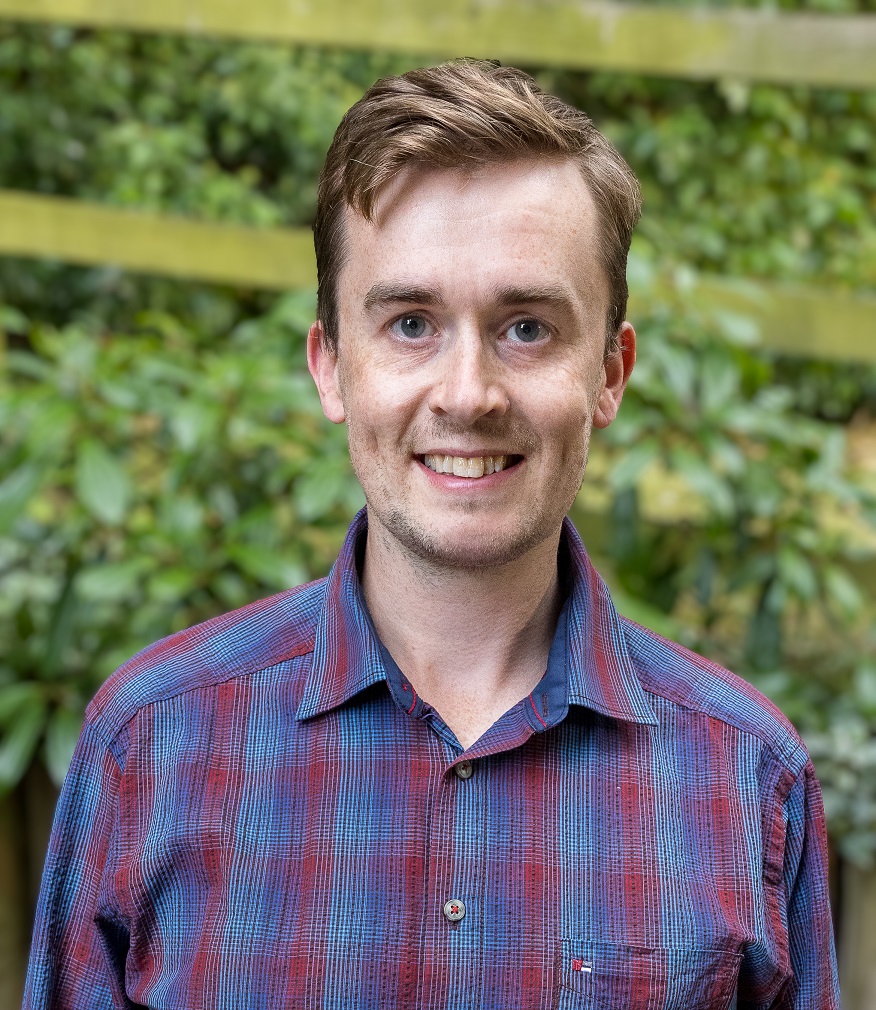
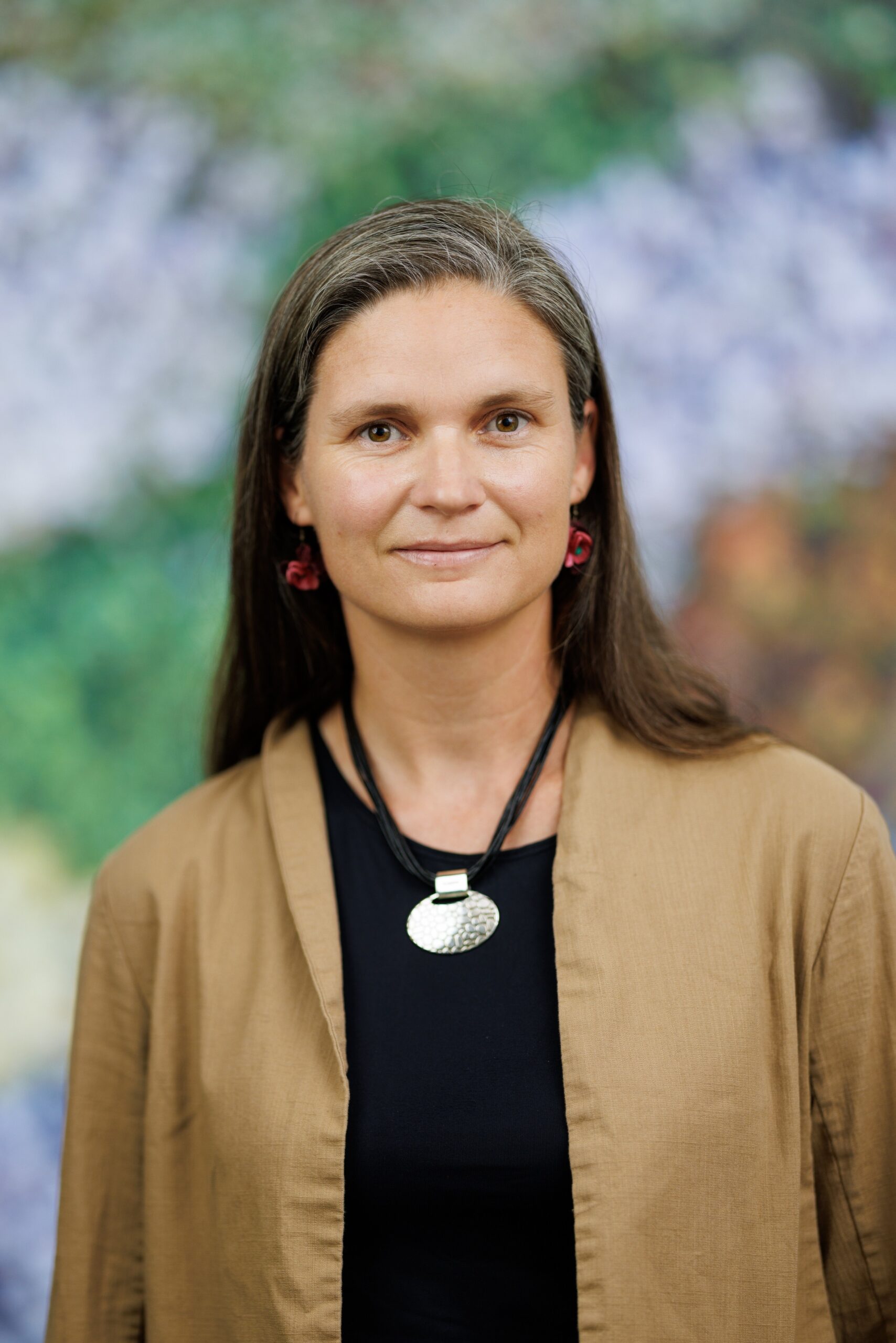
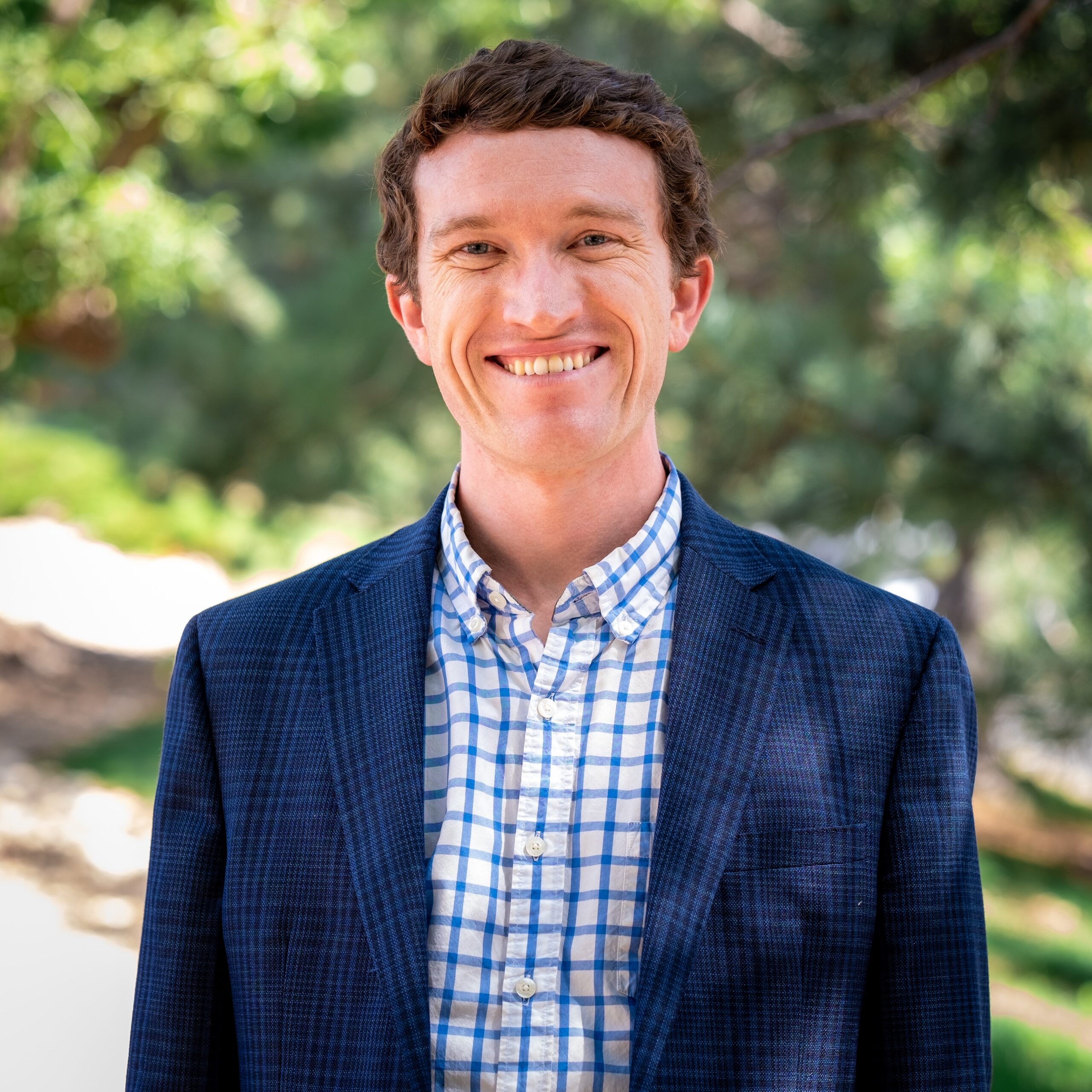
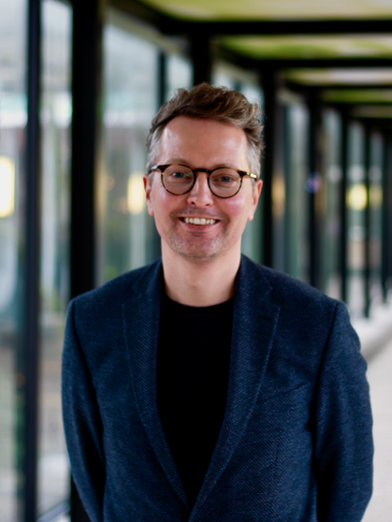
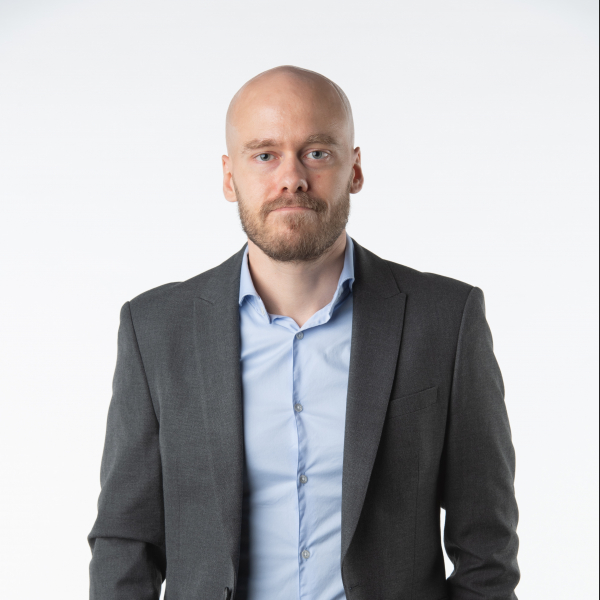
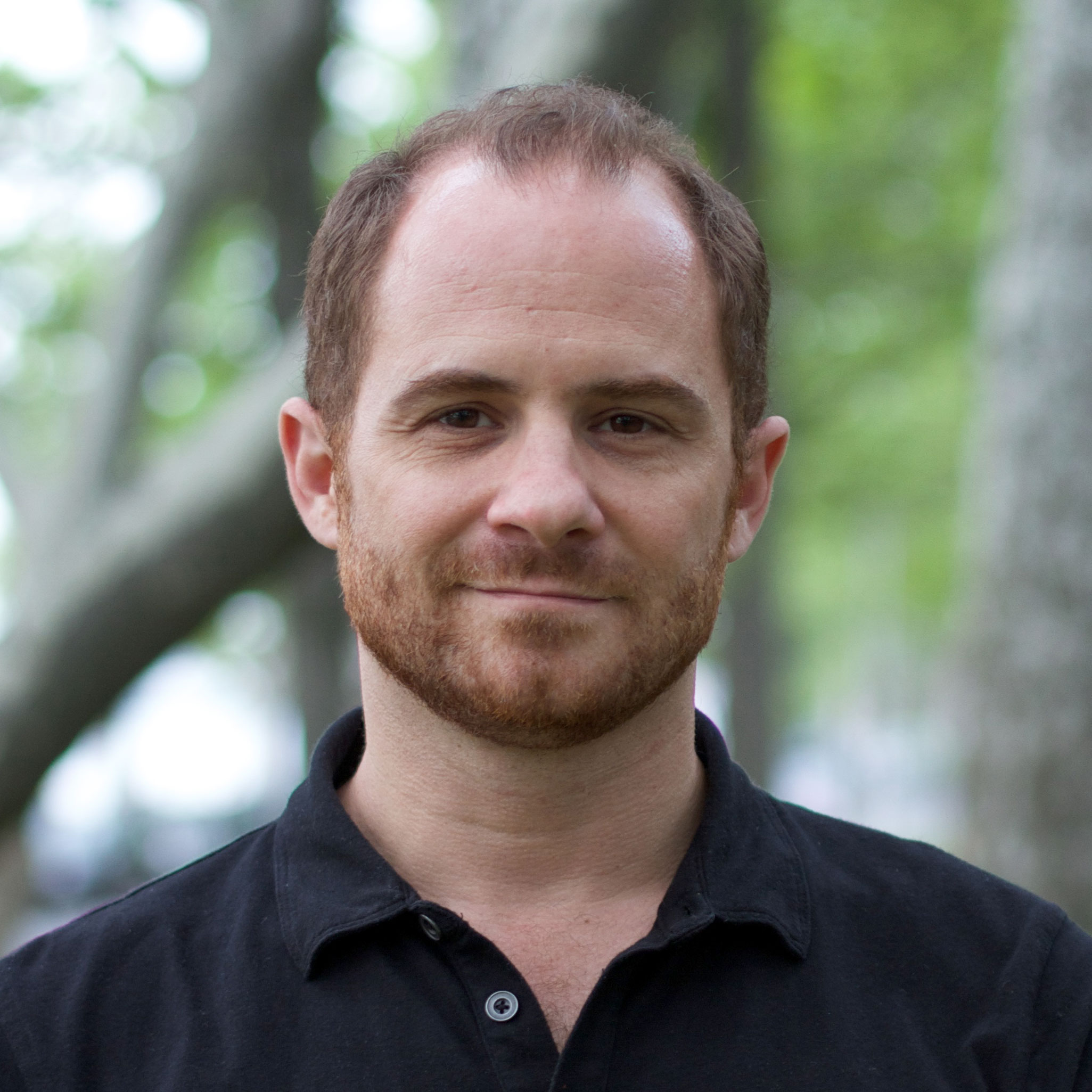
Mariusz Tabaczek, O.P., is a friar preacher, professor of theology, and member of the Thomistic Institute at the Pontifical University of Saint Thomas Aquinas in Rome. He is the author of Emergence: Towards A New Metaphysics and Philosophy of Science (2019), and Divine Action and Emergence: An Alternative to Panentheism (2021).

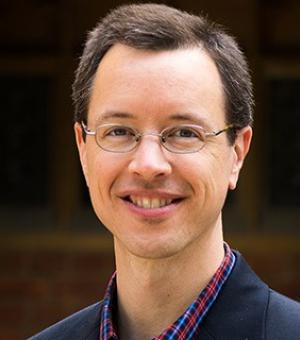
Jesse Spafford is a Lecturer at the Victoria University of Wellington. His work explores debates between libertarians, socialists, and anarchists over the moral status of the market and the state, and he is the author of a number of articles in journals including Philosophical Studies, Synthese, and the Journal of Ethics and Social Philosophy.
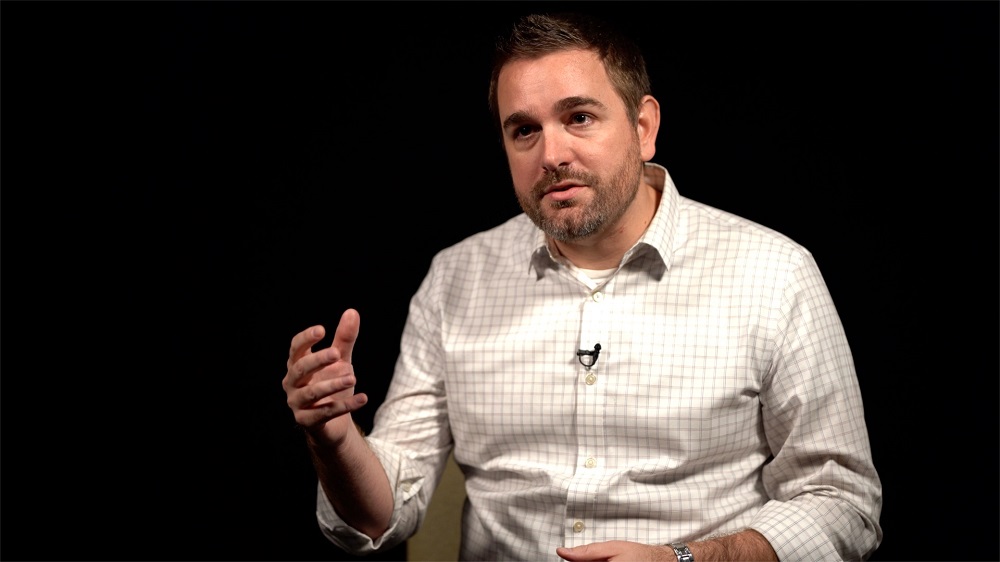
Edwin Mares is Professor of Philosophy at Victoria University of Wellington. His publications include Relevant Logic: A Philosophical Interpretation (Cambridge, 2004).
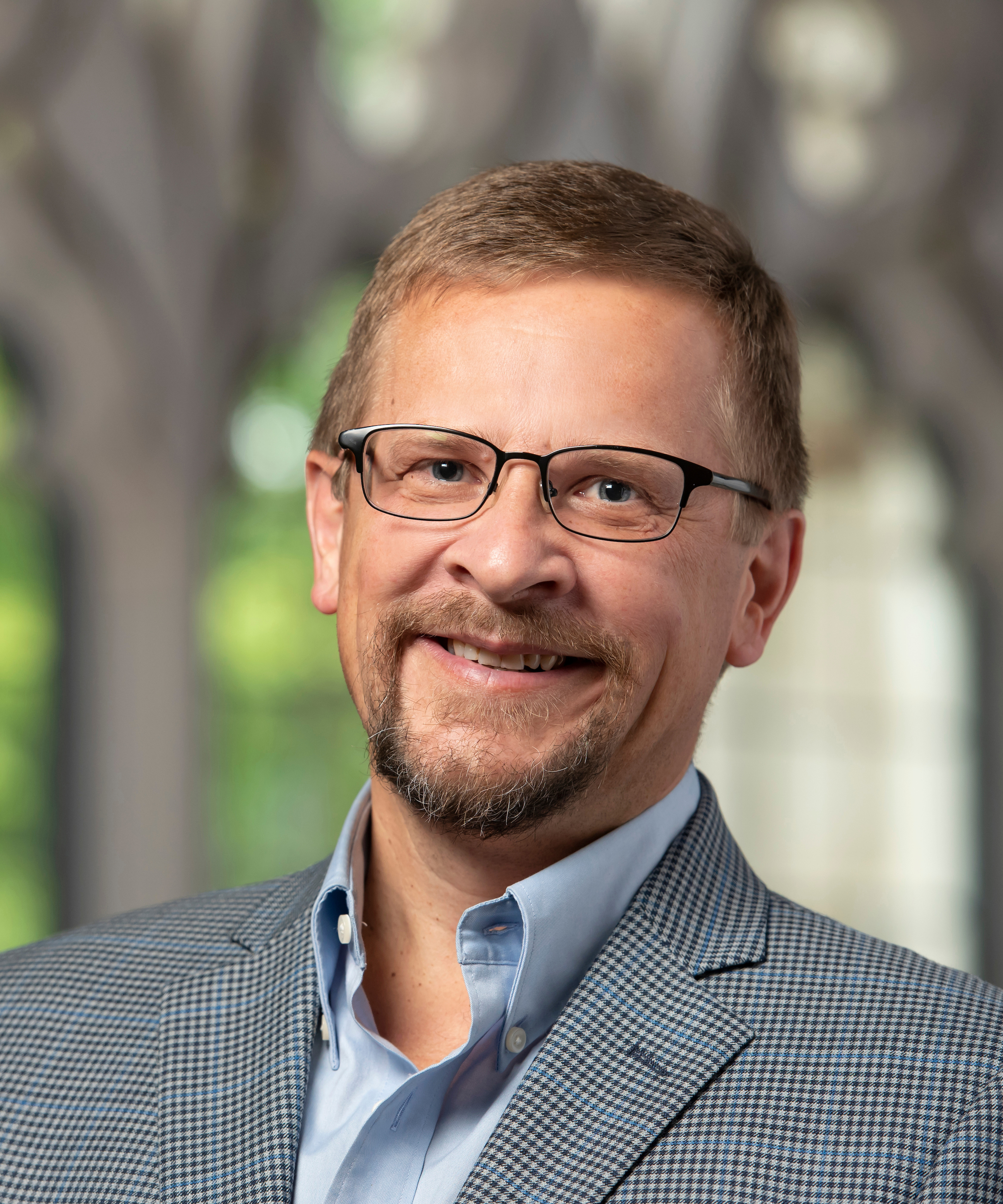
Mark Scarlata is Senior Lecturer in Old Testament at St Mellitus College, London. He is also the vicar-chaplain at St. Edward, King and Martyr, Cambridge and the director of the St. Edward\'s Institute for Christian Thought.
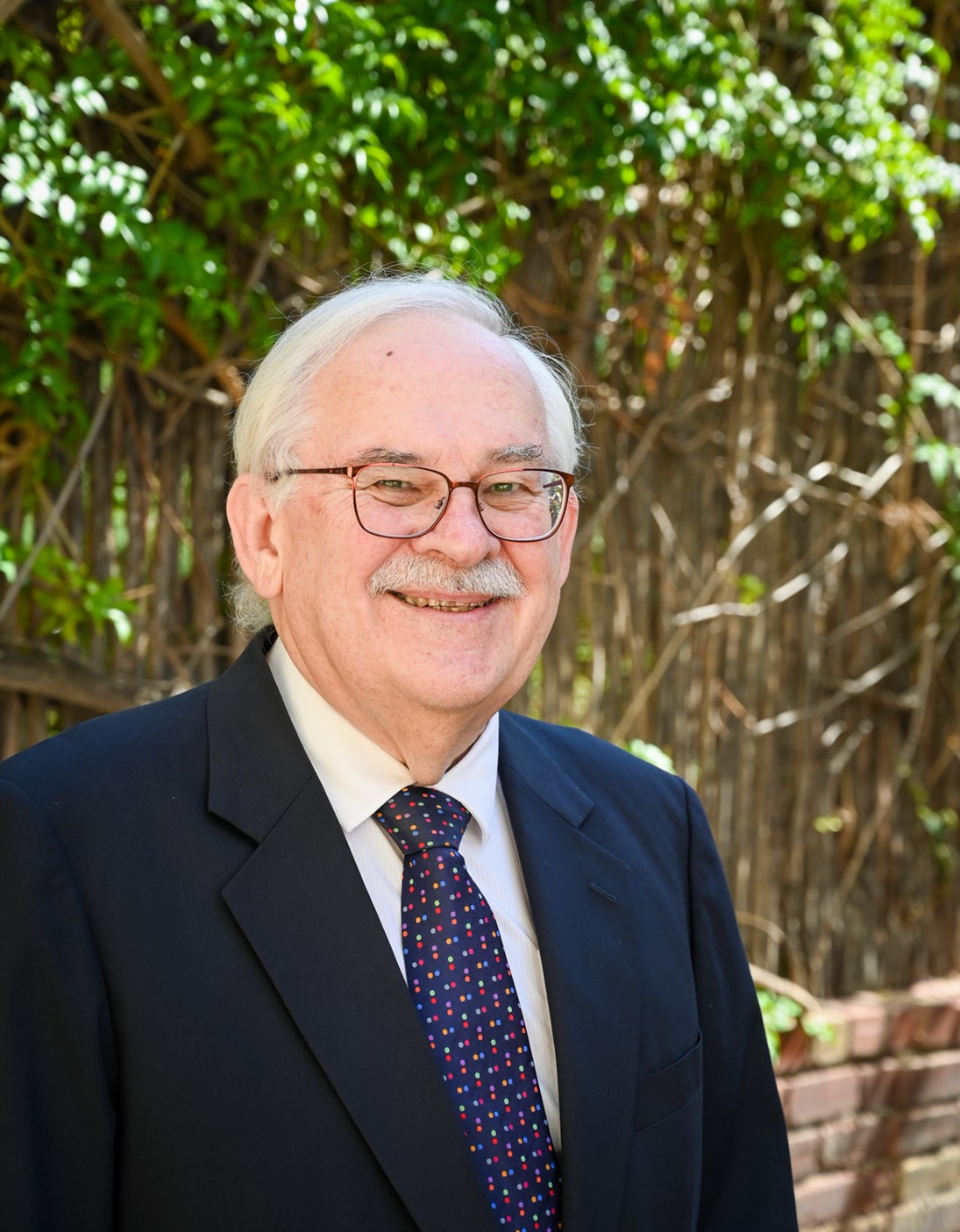
Randall Smith is Full Professor in the Department of Theology at the University of St. Thomas, Houston. He is the author of five books, among them Aquinas, Bonaventure and the Scholastic Culture of Medieval Paris (Cambridge, 2021).
Peter Carruthers is Distinguished University Professor of Philosophy at the University of Maryland. His publications include Human and Animal Minds (2019) and Human Motives: Hedonism, Altruism, and the Science of Affect (2024).
David Merritt author of A Philosophical Approach to MOND
Simon Friederich, author of Multiverse Theories: A Philosophical PerspectiveRijksuniversiteit Groningen, The Netherlands
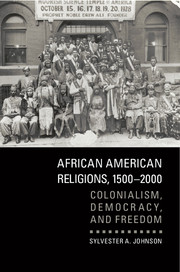
African American Religions, 1500–2000
Roy W. Perrett, University of Melbourne
Helen Wilcox, Professor of English at Bangor University
Magna Carta, Religion and the Rule of Law
Free Trade and Faithful Globalization
Author of The Late Sigmund Freud
Damon Mayrl is Assistant Professor of Sociology at Universidad Carlos III de Madrid.
https://www.cambridgeblog.org/wp-content/uploads/2017/03/Lorna-Finlayson-photograph.jpg
The Philosophy of Human Evolution
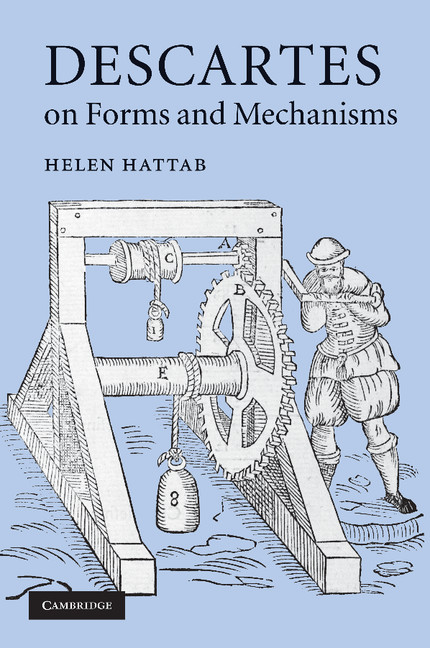
Descartes on Forms and Mechanisms
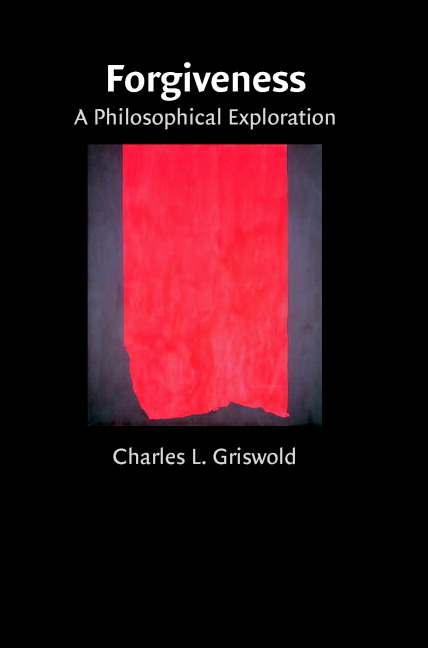
Forgiveness: a Philosophical Exploration
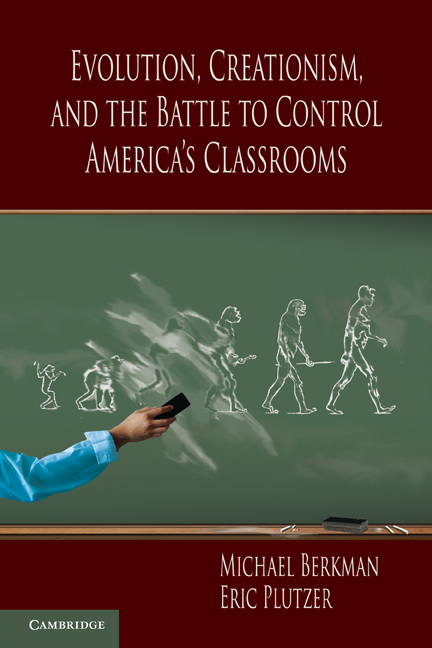
Evolution, Creationism, and the Battle to Control America\'s Classrooms
Plato and the Talmud
Evolution, Creationism, and the Battle to Control America\\\\\\\'s Classrooms
Constitutional Illusions and Anchoring Truths
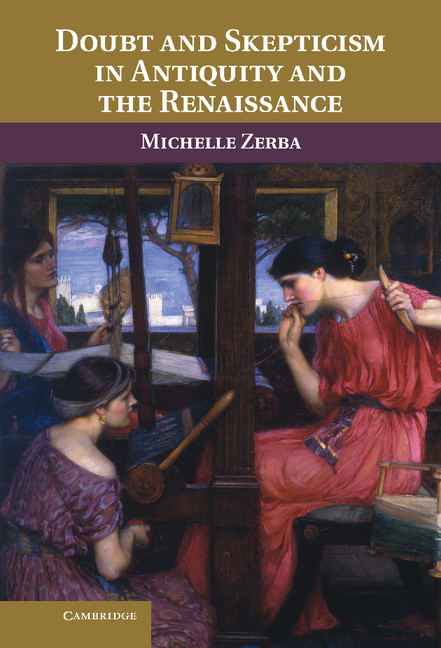
Doubt and Skepticism in Antiquity and the Renaissance
I Was Wrong
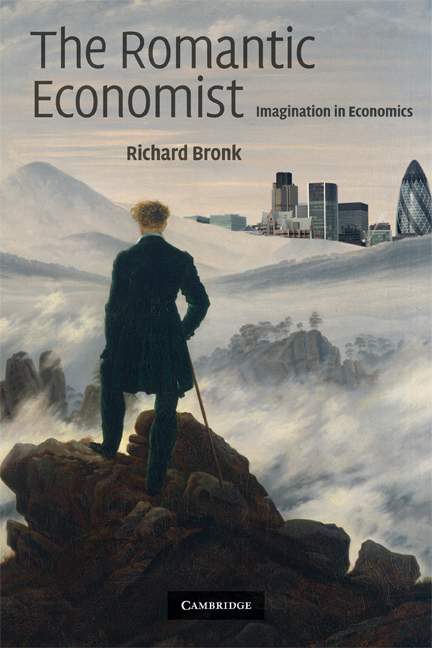
The Romantic Economist
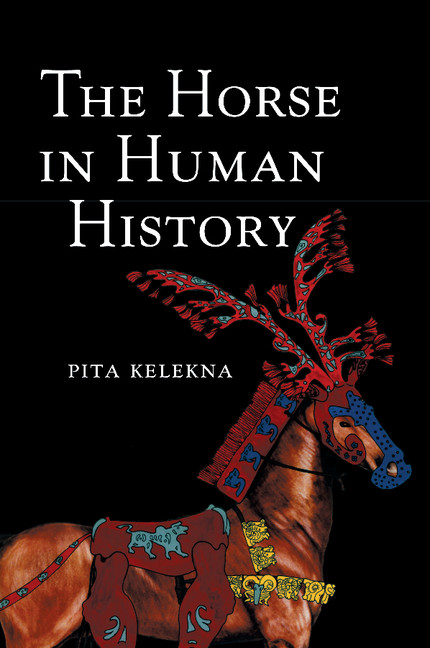
The Horse in Human History
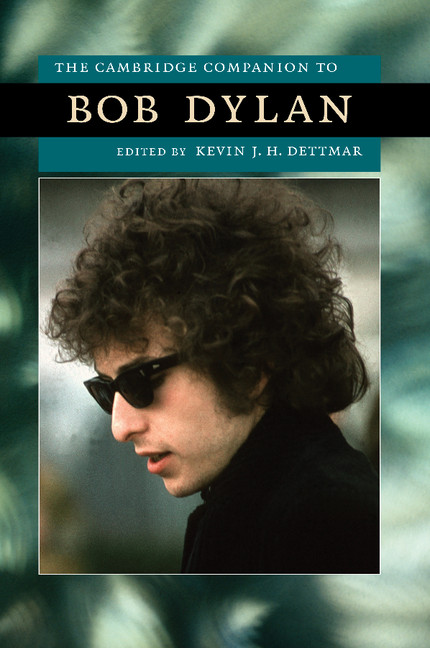
The Cambridge Companion to Bob Dylan
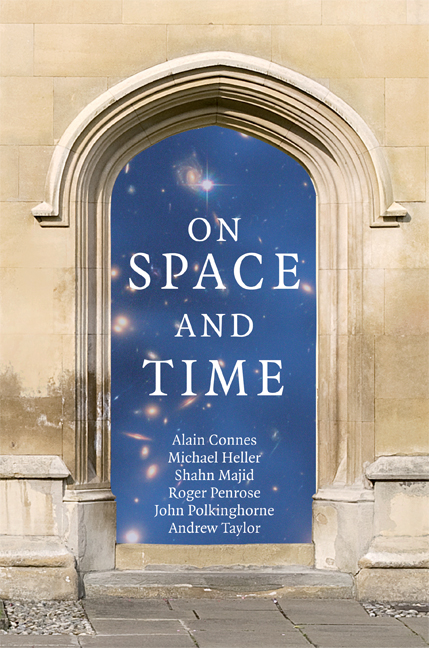
On Space and Time
The Philosophy of Hebrew Scripture
On Space and Time
A Dictionary of Bible Plants
Yinyang
Peter Singer and Christian Ethics
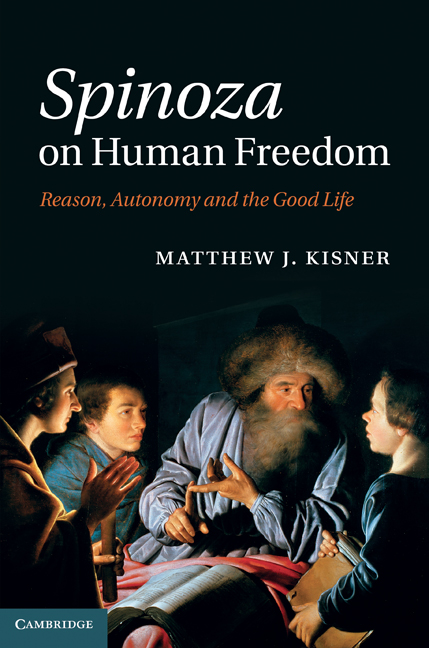
Spinoza on Human Freedom
Against Autonomy
Senior Inbound Marketing Executive
The First French Reformation
Text and Authority in the South African Nazaretha Church
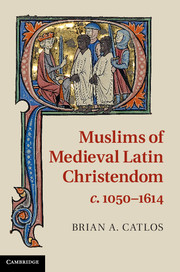
Muslims of Medieval Latin Christendom, c.1050–1614
A Reference Grammar of French
Cambridge University Press Archivist
An Ancient Commentary on the Book of Revelation
Natural Human Rights: A Theory
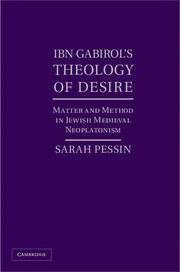
Ibn Gabirol\'s Theology of Desire
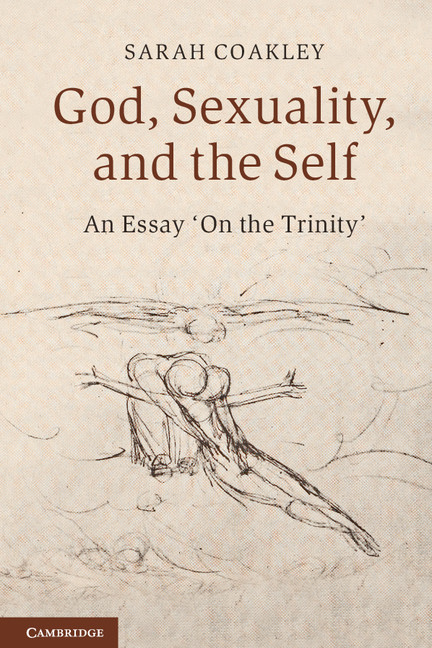
God, Sexuality, and the Self
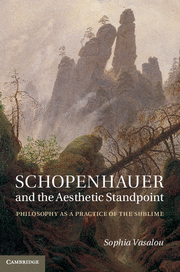
Schopenhauer and the Aesthetic Standpoint
Interpreting Avicenna: Critical Essays
The Cambridge Companion to Life and Death
Hegel\'s Phenomenology of Spirit
Aquinas on Human Self-Knowledge
The Mystery of the Last Supper
To receive updates on Philosophy & Religion news from Cambridge University Press and Fifteen Eighty Four, please join our email list below. We will not disclose your email address to any third party