When I’ve been on holiday in a foreign city, I’ve always enjoyed wandering around aimlessly in its public spaces, getting to know them in a wholly unsystematic and haphazard way, and even in Cambridge, where I have lived and worked for almost thirty years now, part of my day, unless the press of work was […]
Read MoreAn emergency is defined not by the inherent badness or dangerousness of a situation, but by what we make of it. To call something an ‘emergency’ is to declare that something can and must be done about it – even at the cost of significant disruption to everyday life. Things judged to be beyond our […]
Read MoreThe most important virtues in our present situation are undoubtedly patience, self-restraint, and forbearance. Yet none of them is contained in the catalogue of virtues in Aristotle’s ethics (see Nicomachean Ethics II 7). This is not because his assessment of the conditions of the good, active human life is particularly optimistic or because he does […]
Read MoreI knew in mid-February that we might be quarantined, and so I stocked up on essentials that became rare later. I knew in early March that economic catastrophe was imminent. My foreknowledge didn’t surprise me; I bet in early 2016 that Donald Trump would win the presidency, to the mockery of my friends from whom […]
Read MoreI am seventy-nine years old and I have Idiopathic Pulmonary Fibrosis. It is a pretty severe lung disease and, until recently, if you developed it, make sure your will is in order and you might think about pre-arranging your funeral. It was fatal in a couple of years or so. Now, thanks to a very […]
Read MoreThere is an image, associated with the covid-19 pandemic, that I am unable to forget among the countless reports of the crisis one encounters every day in newspapers and online. It is not an image of suffering or devastation but of something both more hopeful and, viewed from a certain perspective, more provocative. The picture […]
Read MoreSooner or later, our pandemic triggers a heartfelt question from its reflective victims: Why us? Of course, we can sketch a biological answer in terms of viral mutation and transmission, but that only would scratch the surface. We sometimes have in mind a deeper ‘Why?’, unless we consider the world devoid of such explanatory depth. […]
Read MoreDid the God of theism—omnipotent, wholly wise, and perfectly good—use Darwinian evolution to create species? Many contemporary thinkers see this “evolutionary theism” as wildly implausible. Why? One reason is that Darwinian evolution has caused unimaginable amounts of brutal suffering by animals in an unfathomably long planetary past, and it does so in nature now. Did […]
Read MoreWhen I’ve been on holiday in a foreign city, I’ve always enjoyed wandering around aimlessly in its public spaces, getting to know them in a wholly unsystematic and haphazard way, and even in Cambridge, where I have lived and worked for almost thirty years now, part of my day, unless the press of work was […]
Read MoreAn emergency is defined not by the inherent badness or dangerousness of a situation, but by what we make of it. To call something an ‘emergency’ is to declare that something can and must be done about it – even at the cost of significant disruption to everyday life. Things judged to be beyond our […]
Read MoreThe most important virtues in our present situation are undoubtedly patience, self-restraint, and forbearance. Yet none of them is contained in the catalogue of virtues in Aristotle’s ethics (see Nicomachean Ethics II 7). This is not because his assessment of the conditions of the good, active human life is particularly optimistic or because he does […]
Read MoreI knew in mid-February that we might be quarantined, and so I stocked up on essentials that became rare later. I knew in early March that economic catastrophe was imminent. My foreknowledge didn’t surprise me; I bet in early 2016 that Donald Trump would win the presidency, to the mockery of my friends from whom […]
Read MoreI am seventy-nine years old and I have Idiopathic Pulmonary Fibrosis. It is a pretty severe lung disease and, until recently, if you developed it, make sure your will is in order and you might think about pre-arranging your funeral. It was fatal in a couple of years or so. Now, thanks to a very […]
Read MoreThere is an image, associated with the covid-19 pandemic, that I am unable to forget among the countless reports of the crisis one encounters every day in newspapers and online. It is not an image of suffering or devastation but of something both more hopeful and, viewed from a certain perspective, more provocative. The picture […]
Read MoreSooner or later, our pandemic triggers a heartfelt question from its reflective victims: Why us? Of course, we can sketch a biological answer in terms of viral mutation and transmission, but that only would scratch the surface. We sometimes have in mind a deeper ‘Why?’, unless we consider the world devoid of such explanatory depth. […]
Read MoreDid the God of theism—omnipotent, wholly wise, and perfectly good—use Darwinian evolution to create species? Many contemporary thinkers see this “evolutionary theism” as wildly implausible. Why? One reason is that Darwinian evolution has caused unimaginable amounts of brutal suffering by animals in an unfathomably long planetary past, and it does so in nature now. Did […]
Read MoreKeep up with the latest from Cambridge University Press on our social media accounts.
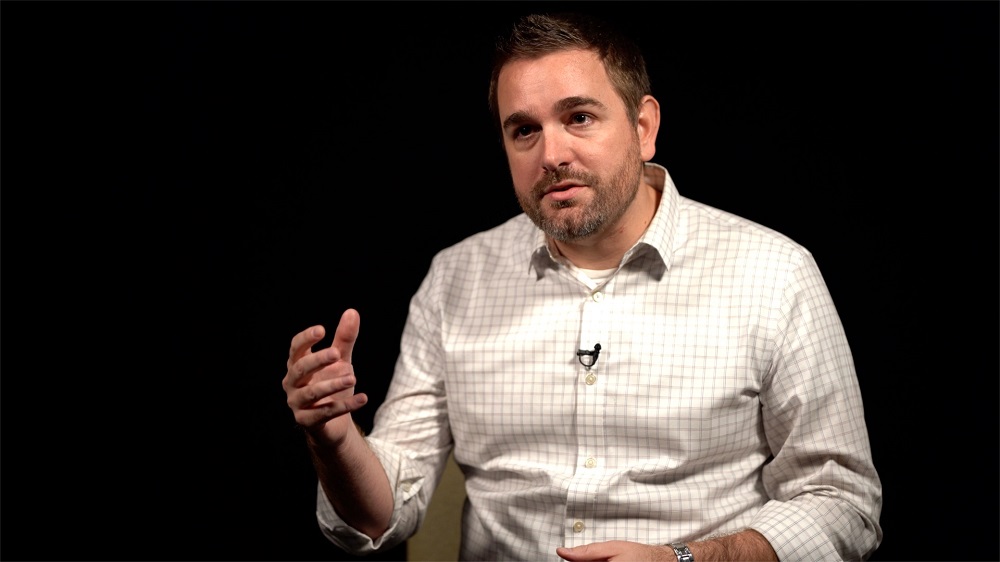
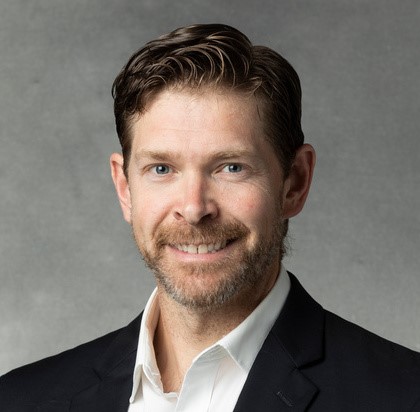
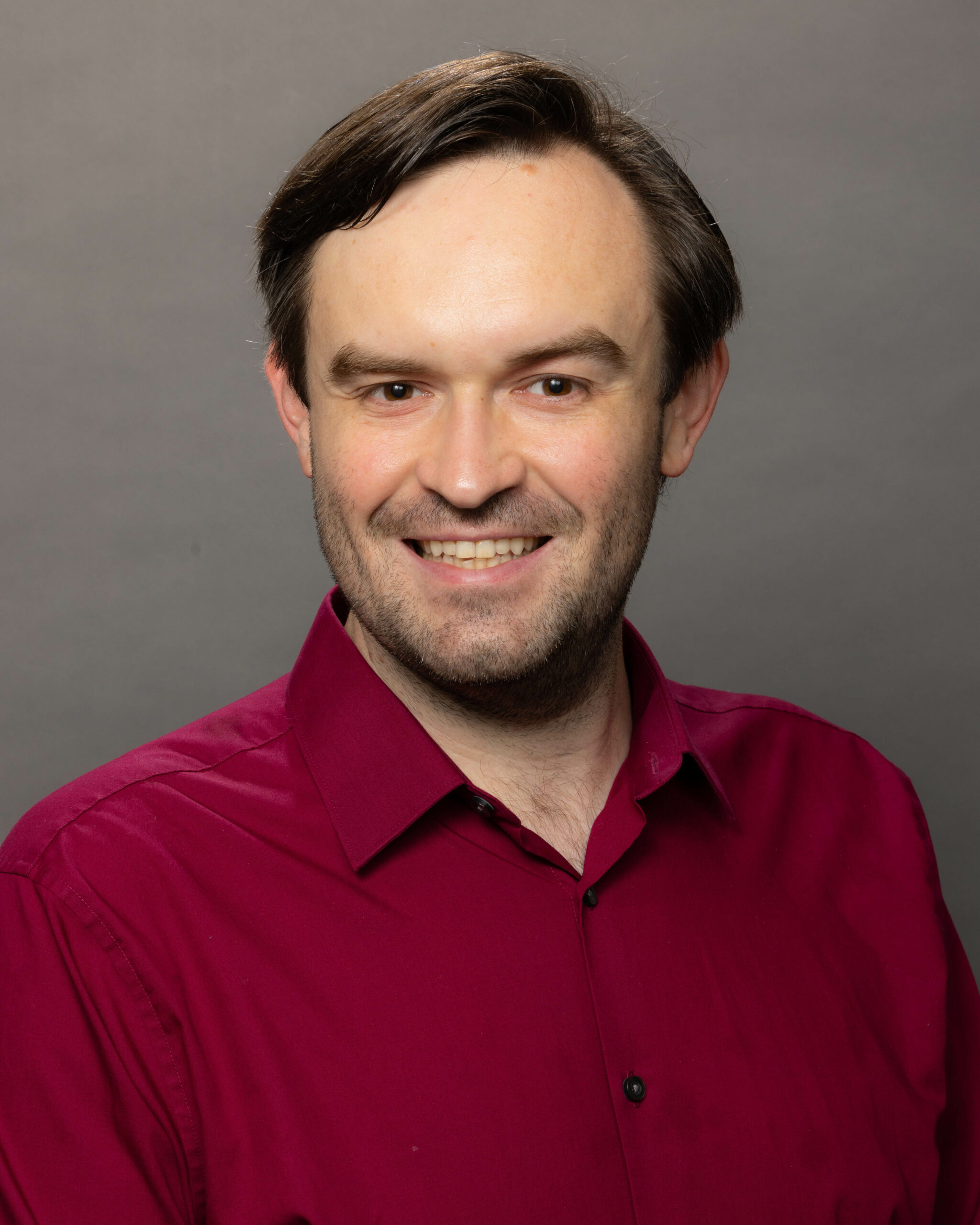
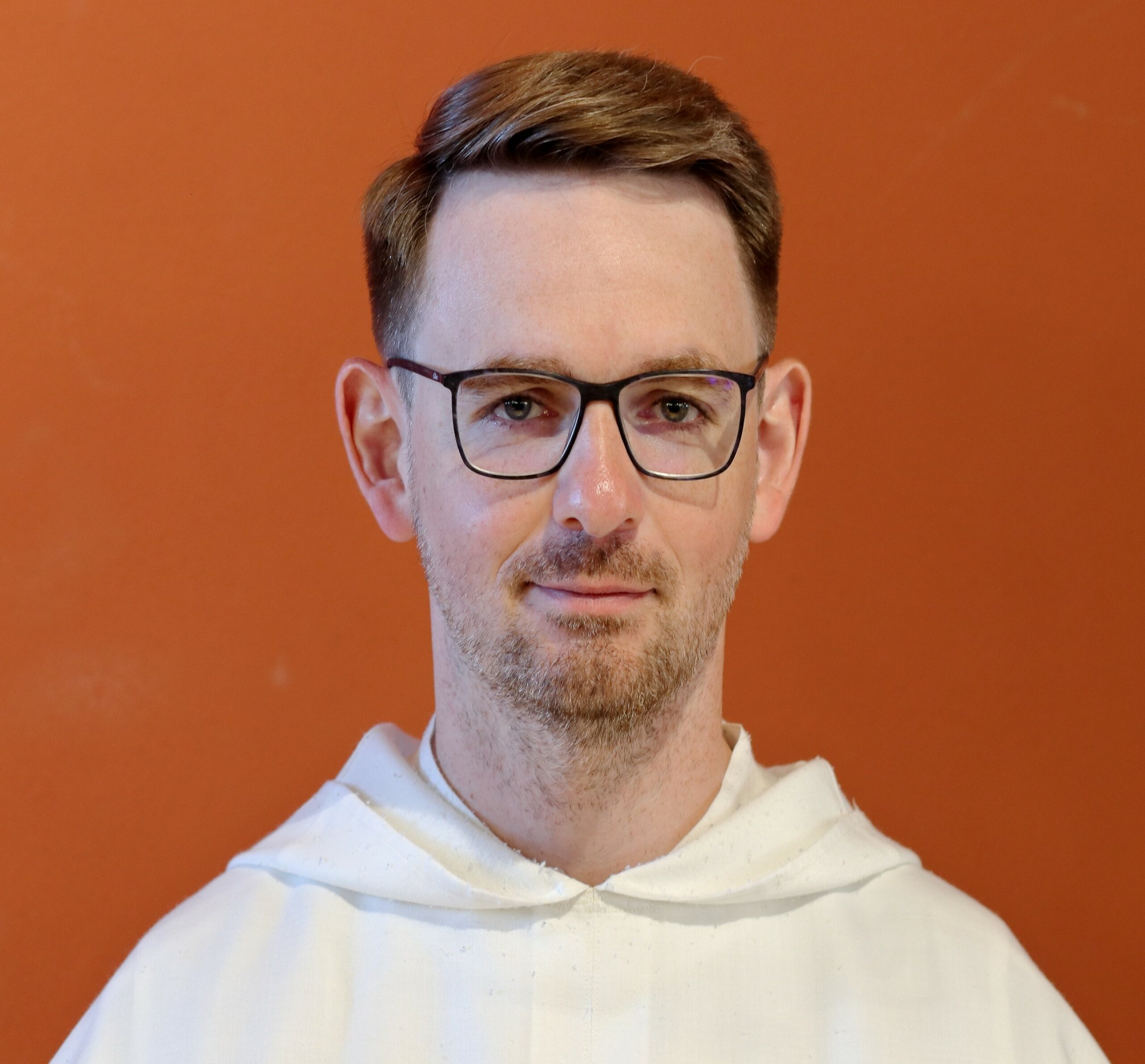
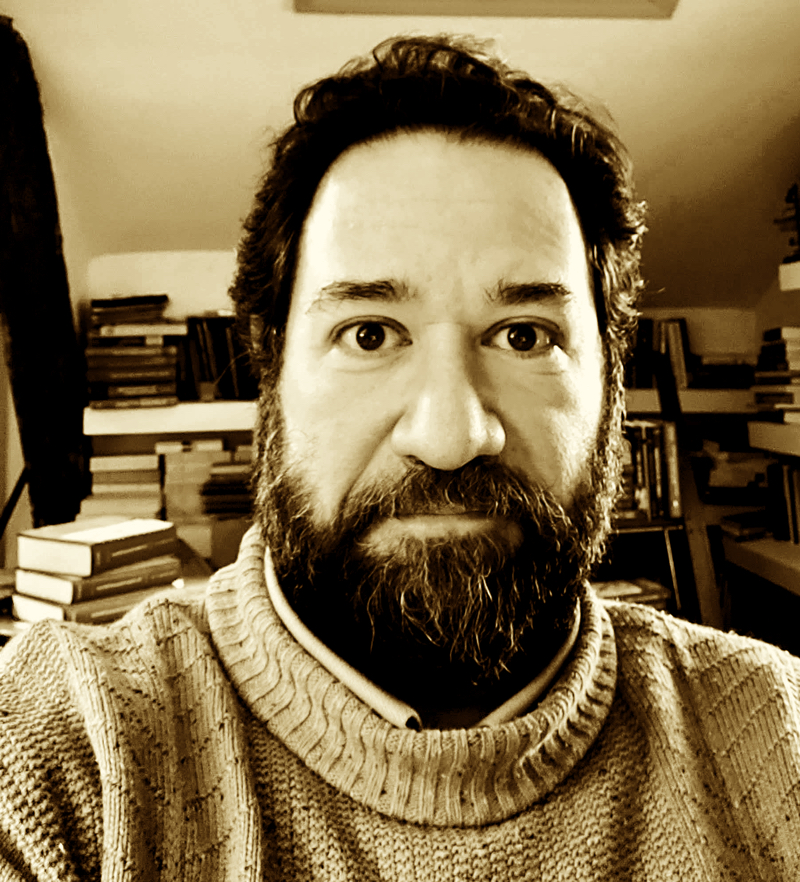
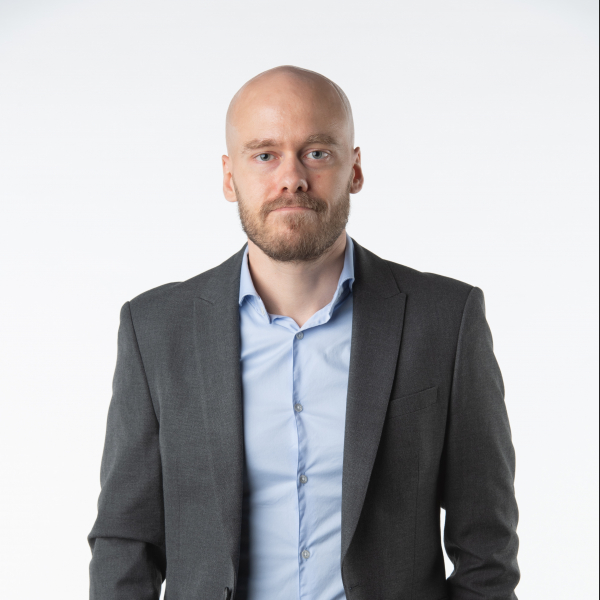
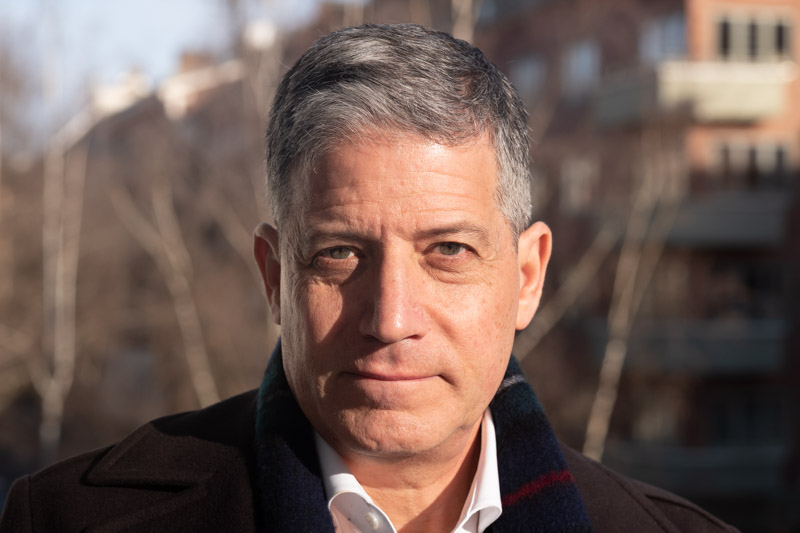
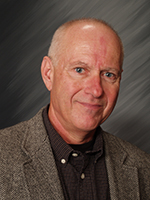
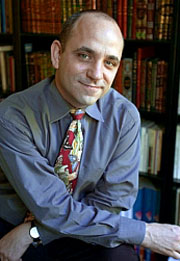
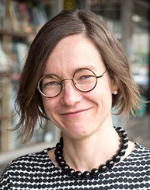
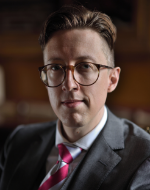
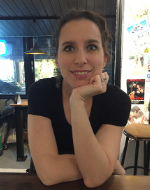
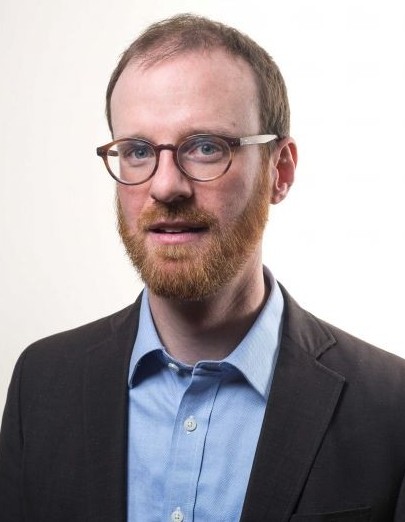
Mariusz Tabaczek, O.P., is a friar preacher, professor of theology, and member of the Thomistic Institute at the Pontifical University of Saint Thomas Aquinas in Rome. He is the author of Emergence: Towards A New Metaphysics and Philosophy of Science (2019), and Divine Action and Emergence: An Alternative to Panentheism (2021).
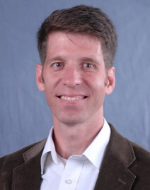
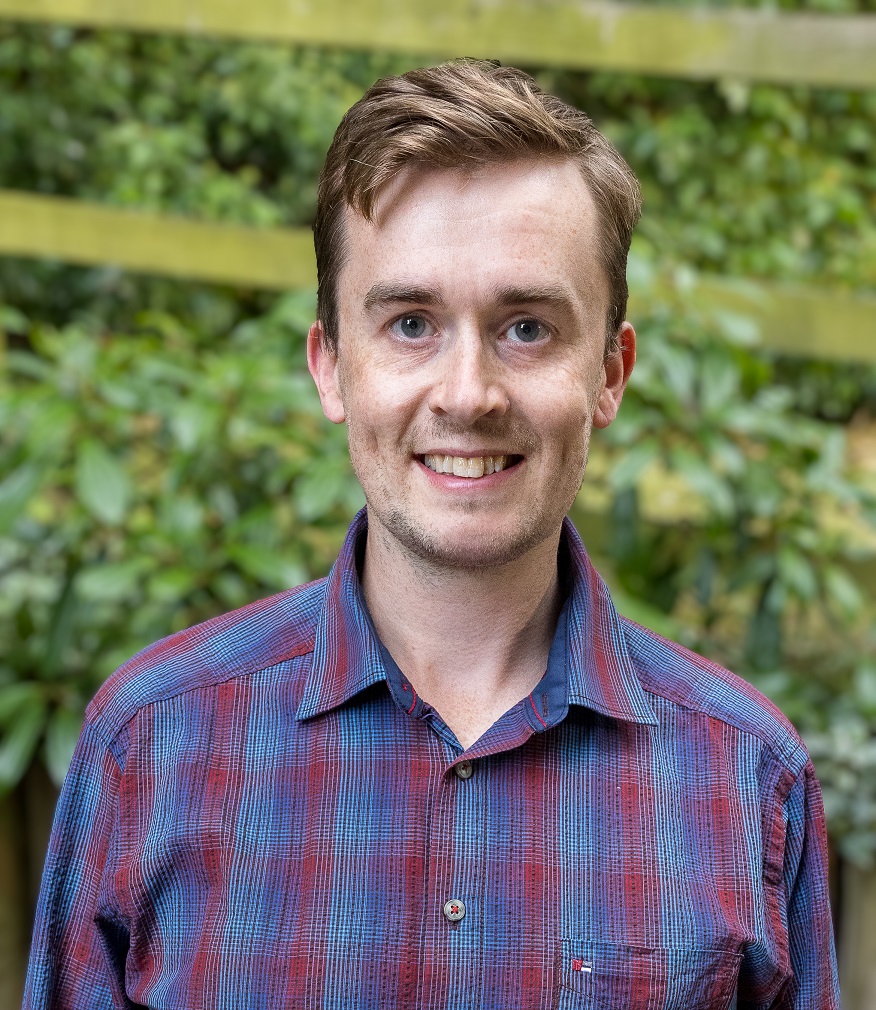
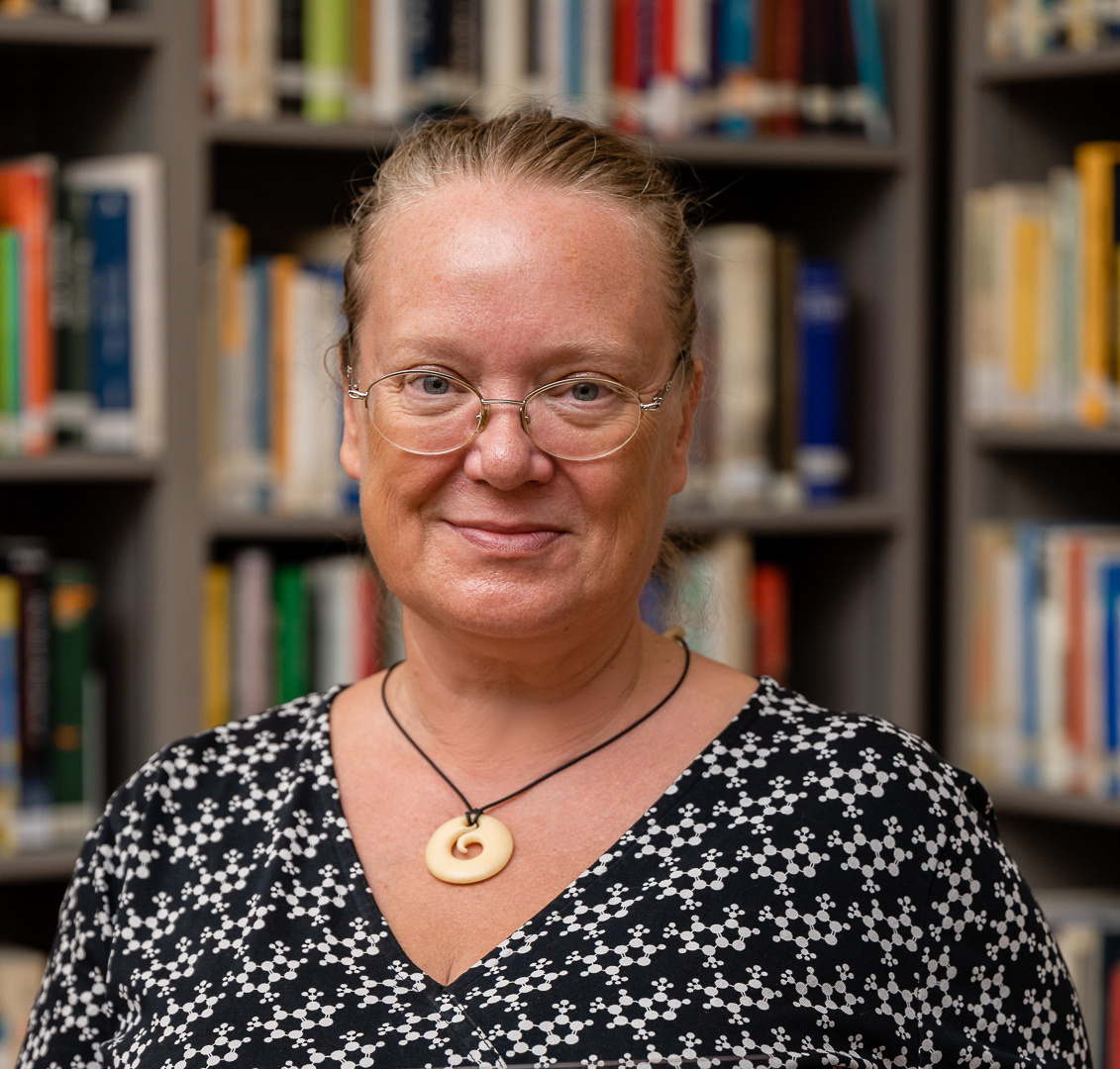
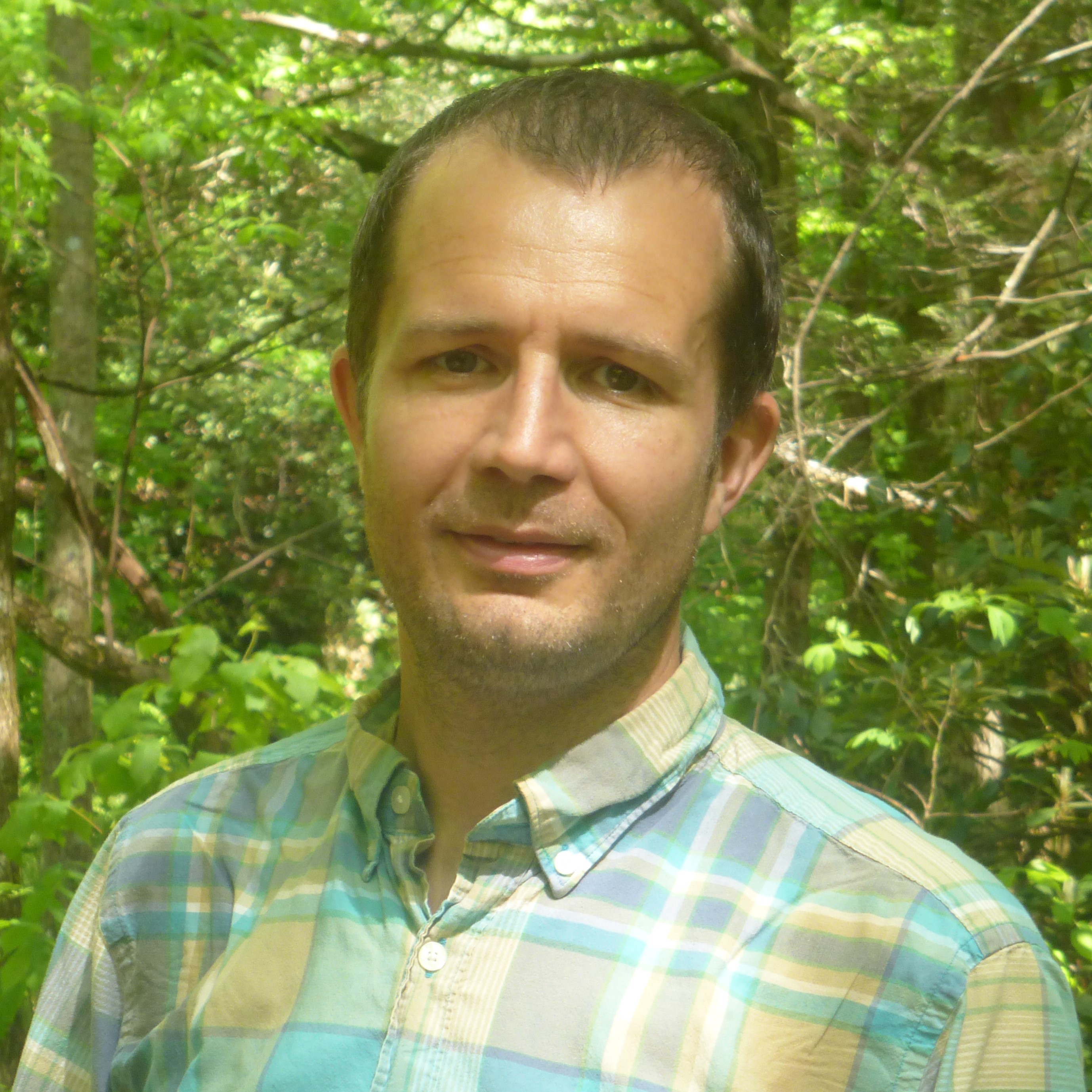
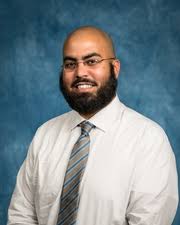
Jesse Spafford is a Lecturer at the Victoria University of Wellington. His work explores debates between libertarians, socialists, and anarchists over the moral status of the market and the state, and he is the author of a number of articles in journals including Philosophical Studies, Synthese, and the Journal of Ethics and Social Philosophy.
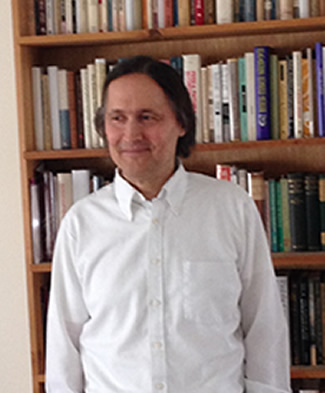
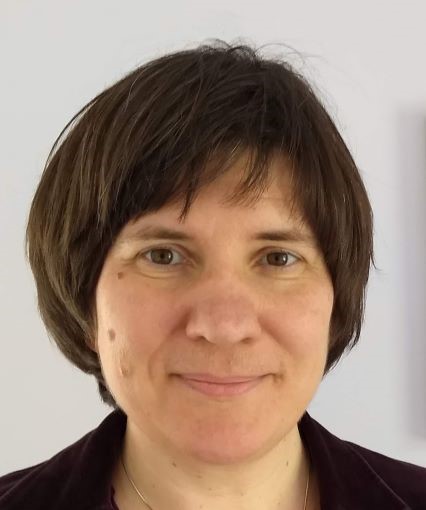
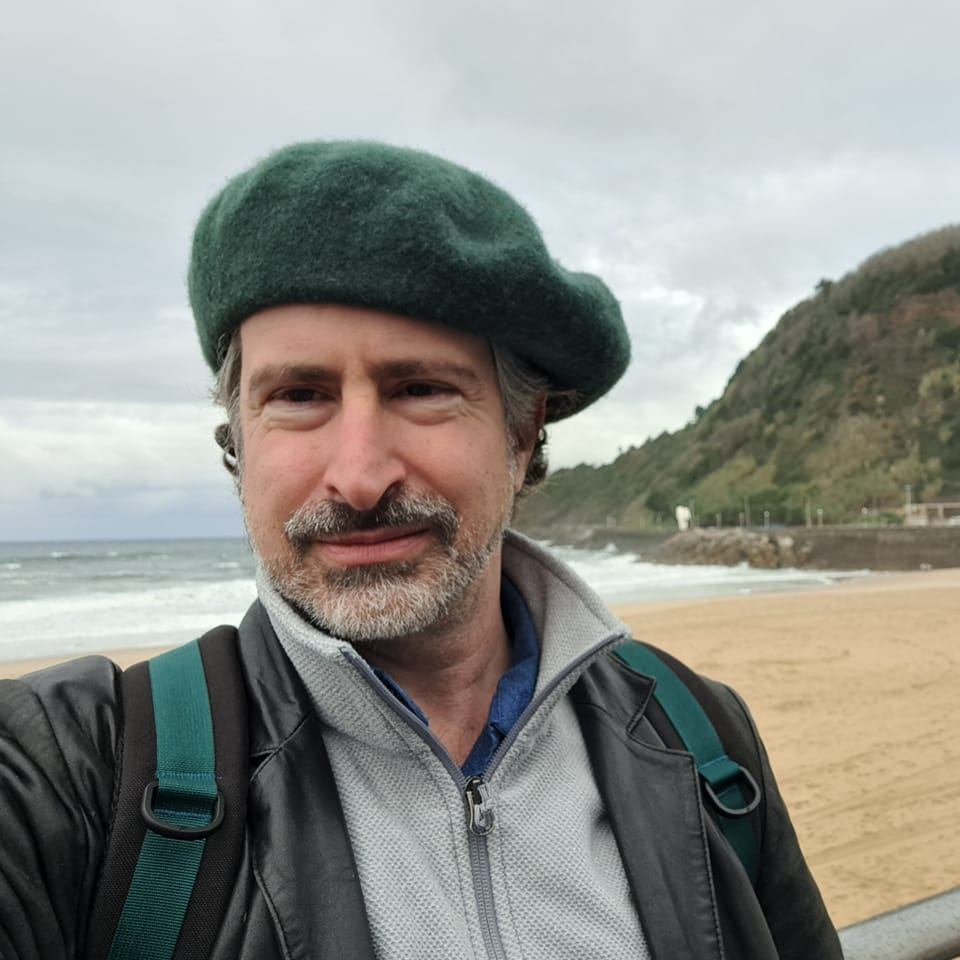
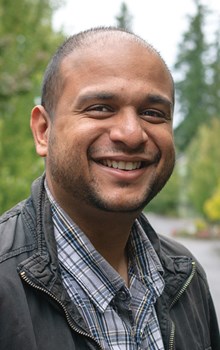
Edwin Mares is Professor of Philosophy at Victoria University of Wellington. His publications include Relevant Logic: A Philosophical Interpretation (Cambridge, 2004).
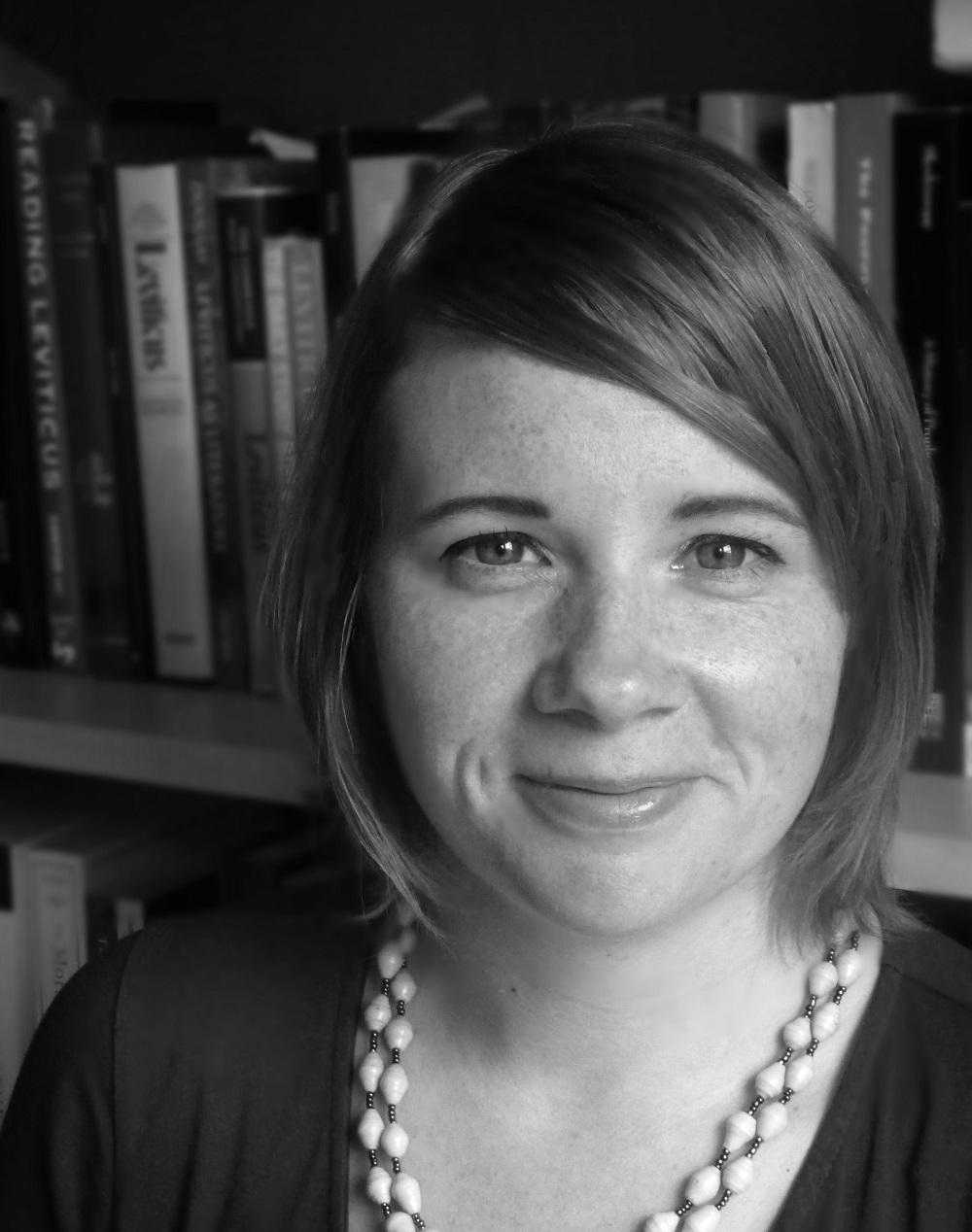
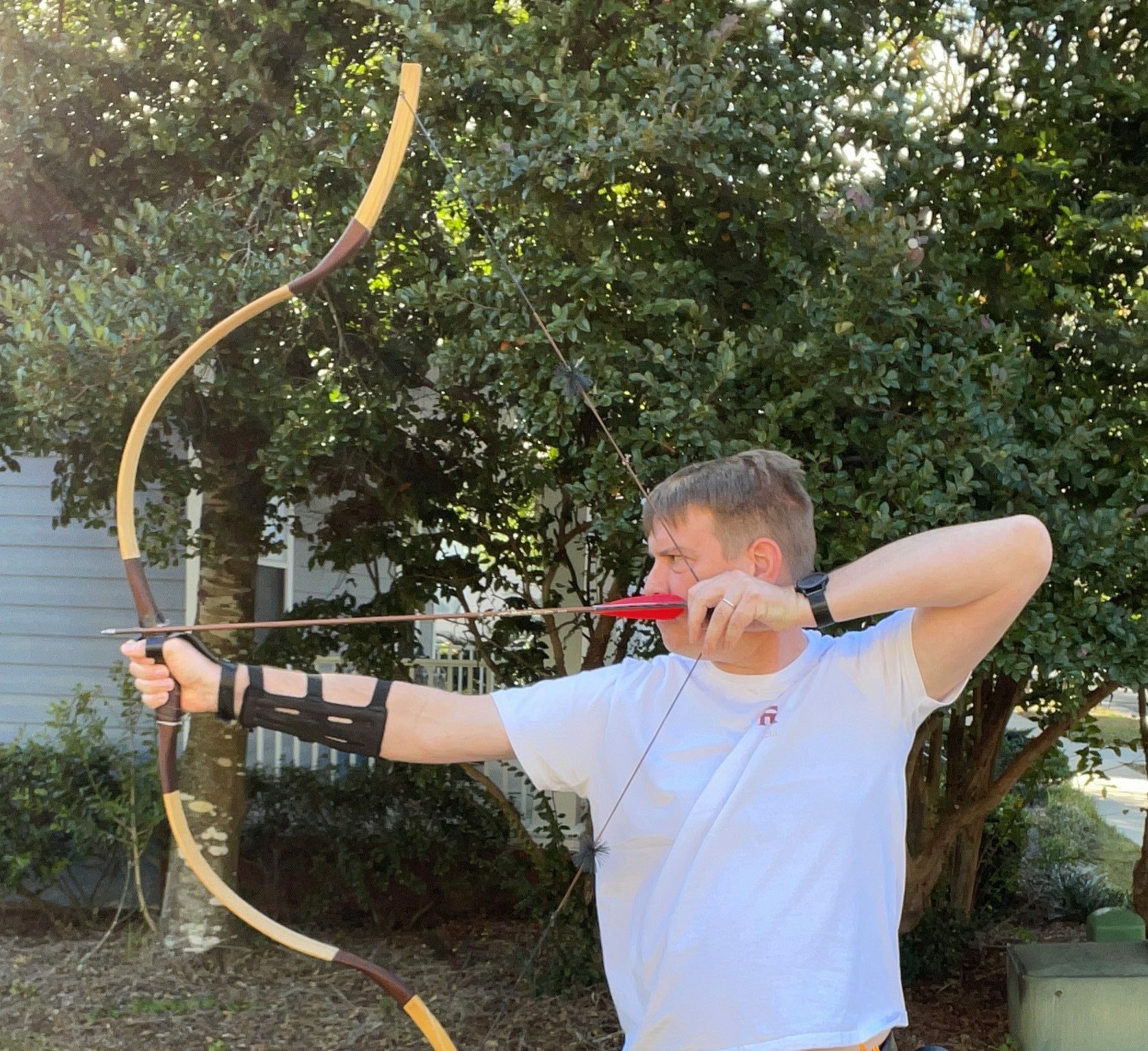
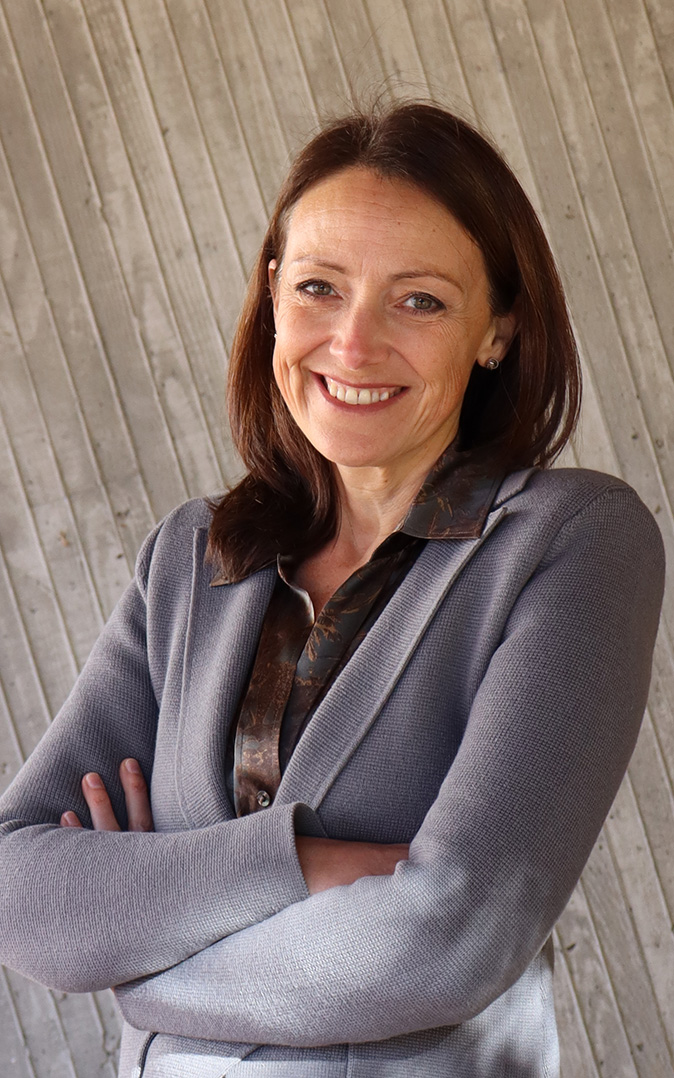
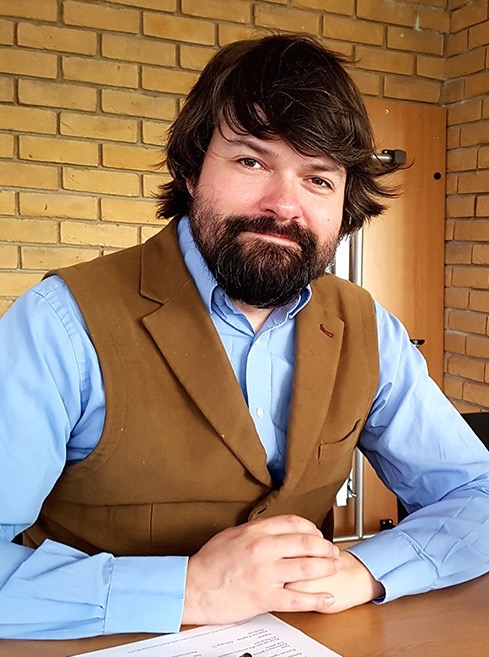
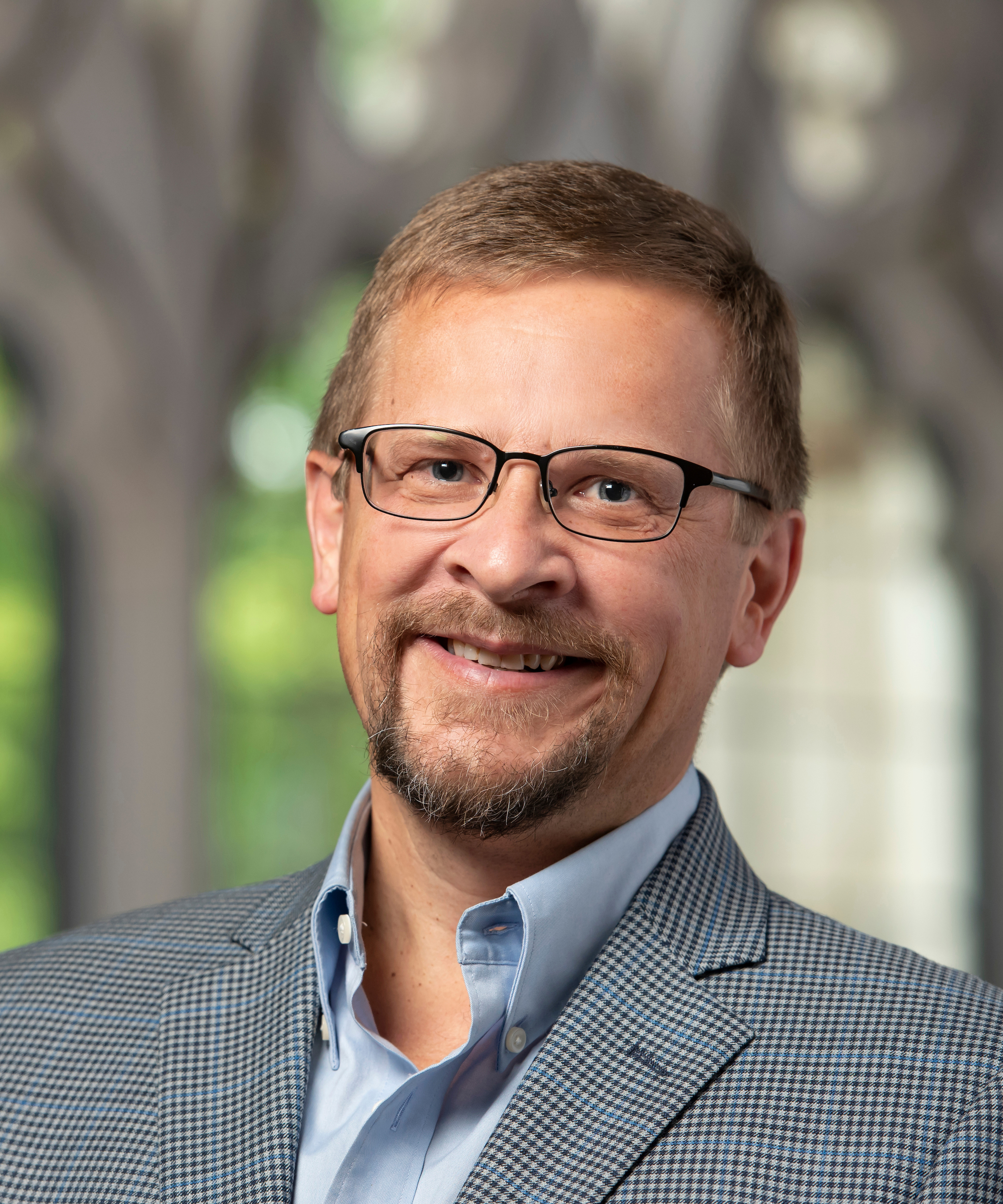
Mark Scarlata is Senior Lecturer in Old Testament at St Mellitus College, London. He is also the vicar-chaplain at St. Edward, King and Martyr, Cambridge and the director of the St. Edward\'s Institute for Christian Thought.
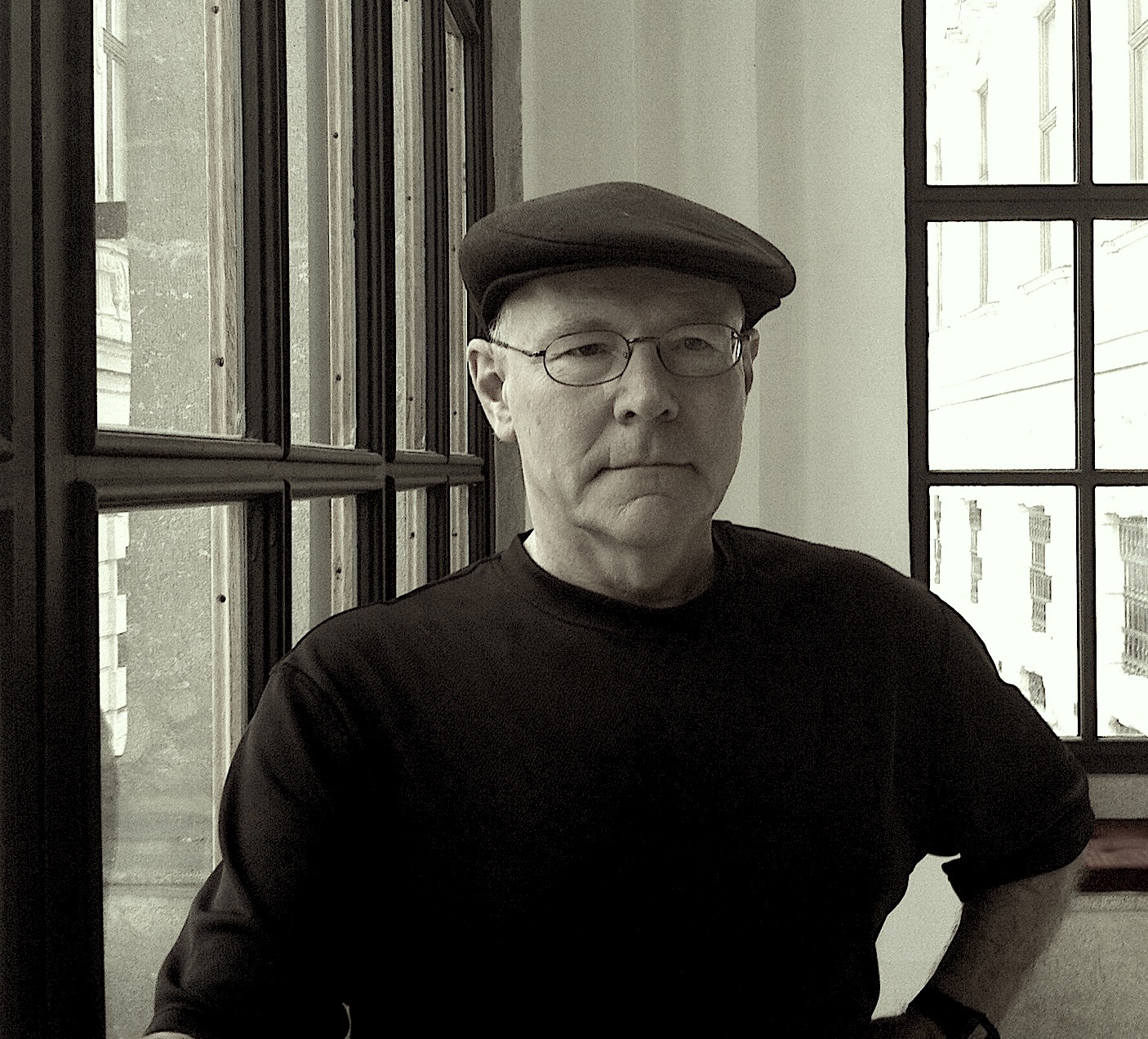
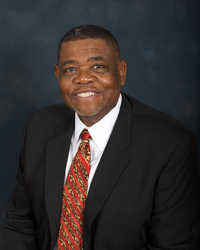
Randall Smith is Full Professor in the Department of Theology at the University of St. Thomas, Houston. He is the author of five books, among them Aquinas, Bonaventure and the Scholastic Culture of Medieval Paris (Cambridge, 2021).
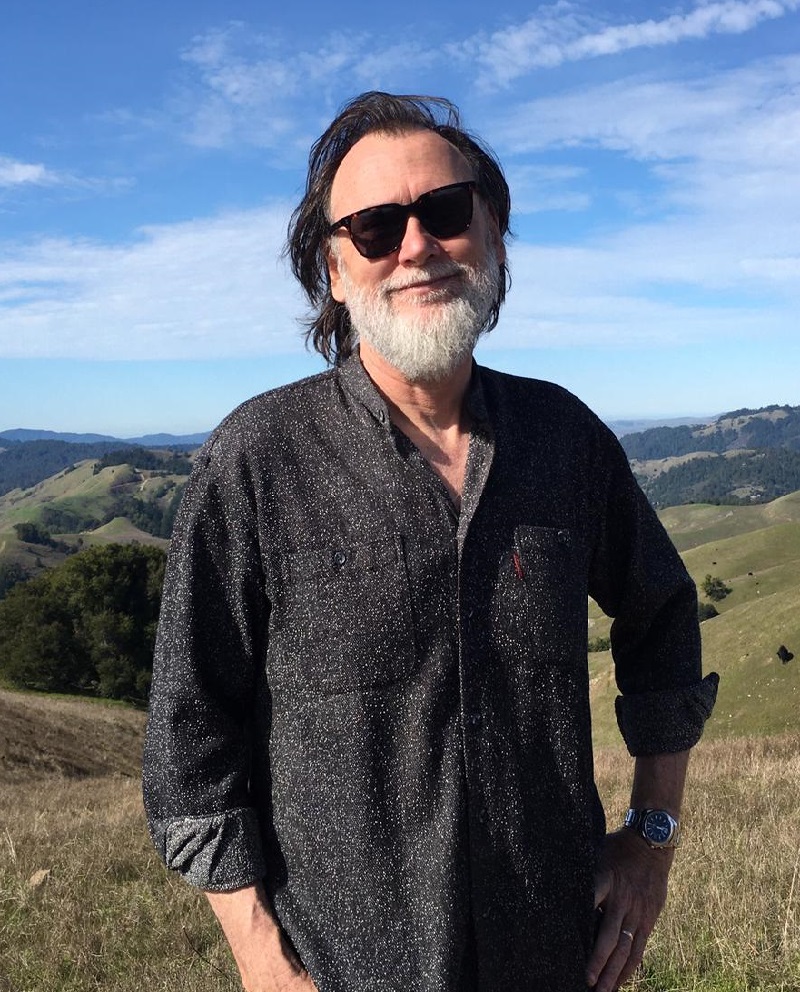
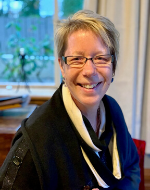
Peter Carruthers is Distinguished University Professor of Philosophy at the University of Maryland. His publications include Human and Animal Minds (2019) and Human Motives: Hedonism, Altruism, and the Science of Affect (2024).
David Merritt author of A Philosophical Approach to MOND
Simon Friederich, author of Multiverse Theories: A Philosophical PerspectiveRijksuniversiteit Groningen, The Netherlands
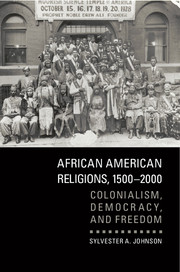
African American Religions, 1500–2000
Roy W. Perrett, University of Melbourne
Helen Wilcox, Professor of English at Bangor University
Magna Carta, Religion and the Rule of Law
Free Trade and Faithful Globalization
Author of The Late Sigmund Freud
Damon Mayrl is Assistant Professor of Sociology at Universidad Carlos III de Madrid.
https://www.cambridgeblog.org/wp-content/uploads/2017/03/Lorna-Finlayson-photograph.jpg
The Philosophy of Human Evolution
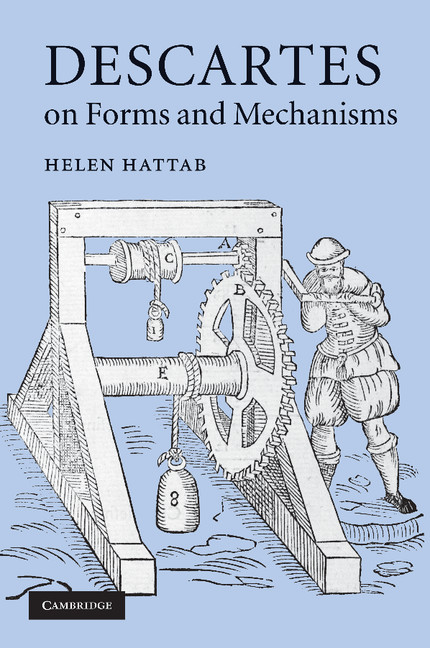
Descartes on Forms and Mechanisms
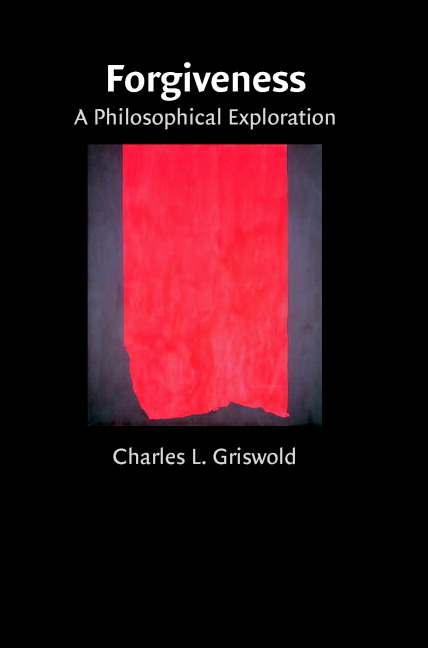
Forgiveness: a Philosophical Exploration
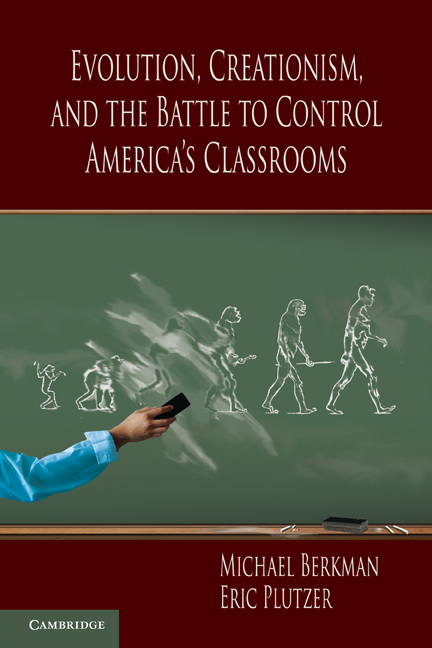
Evolution, Creationism, and the Battle to Control America\'s Classrooms
Plato and the Talmud
Evolution, Creationism, and the Battle to Control America\\\\\\\'s Classrooms
Constitutional Illusions and Anchoring Truths
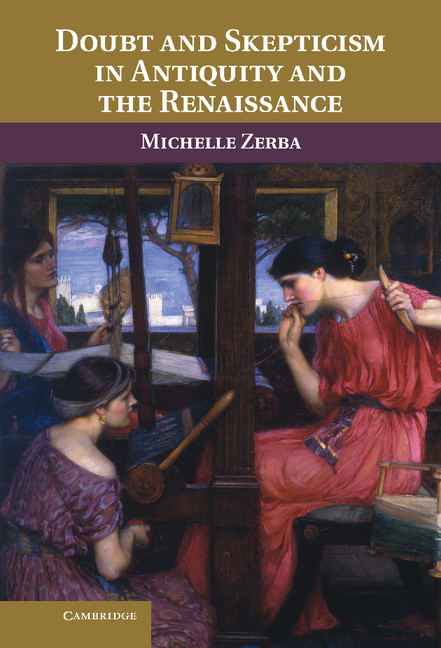
Doubt and Skepticism in Antiquity and the Renaissance
I Was Wrong
The Romantic Economist
The Horse in Human History
The Cambridge Companion to Bob Dylan
On Space and Time
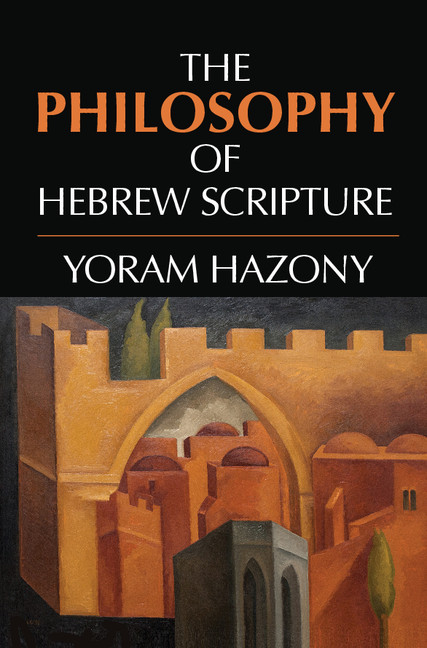
The Philosophy of Hebrew Scripture
On Space and Time
A Dictionary of Bible Plants
Yinyang
Peter Singer and Christian Ethics
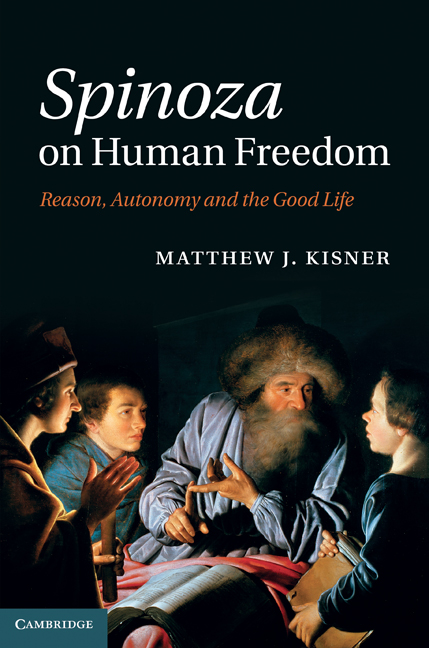
Spinoza on Human Freedom
Against Autonomy
Senior Inbound Marketing Executive
The First French Reformation
Text and Authority in the South African Nazaretha Church
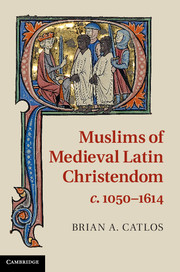
Muslims of Medieval Latin Christendom, c.1050–1614
A Reference Grammar of French
Cambridge University Press Archivist
An Ancient Commentary on the Book of Revelation
Natural Human Rights: A Theory
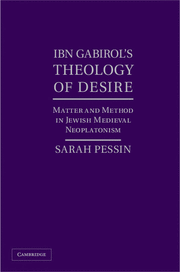
Ibn Gabirol\'s Theology of Desire
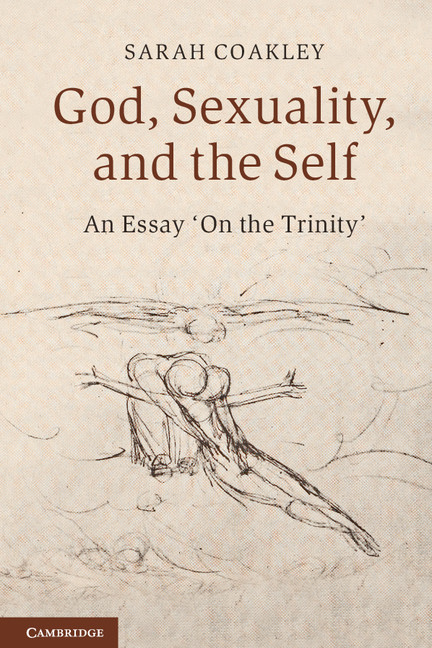
God, Sexuality, and the Self
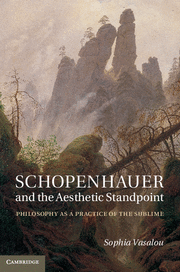
Schopenhauer and the Aesthetic Standpoint
Interpreting Avicenna: Critical Essays
The Cambridge Companion to Life and Death
Hegel\'s Phenomenology of Spirit
Aquinas on Human Self-Knowledge
The Mystery of the Last Supper
To receive updates on Philosophy & Religion news from Cambridge University Press and Fifteen Eighty Four, please join our email list below. We will not disclose your email address to any third party