A crucial topic in moral philosophy involves the aggregation and comparison of harms and benefits. How many, for instance, minor headaches relieved is worth a single human life? How many people being able to travel 75 miles per hour rather than 70 miles per hour are worth some number of additional car accidents and deaths? […]
Read MoreBoredom“How dreadful boredom is,” declared Soren Kierkegaard in Either/Or. He didn’t say whether he was referring to everyday boredom or whole-life boredom. We might regard the first as merely unpleasant—we can’t wait until an uninteresting lecture gets done, or we don’t know what to do on a slow Saturday afternoon. In whole-life boredom, however, nothing […]

Read MoreOne of the greatest challenges in fundamental physics is to reconcile quantum mechanics and general relativity in a full theory of "quantum gravity”. It is a challenge that has by turns excited and frustrated physicists, for nearly a century.
Read MoreBefore turning to the pandemic, allow me to tell a story. One of my cousins—let’s call him “Walt”—grew up loving cars. As a 12-year-old, Walt could name the make and model of every car we passed in his rural New Hampshire town. When Walt got old enough to drive, he and his friends would modify […]
Read MoreWriters, cinematographers, and philosophers have often wondered what love could look like in a virtual age. Could we fall in love with a sophisticated AI? Will there be a time in which people think that having sex in person is odd or even gross? Will the children of our children ever leave their bedroom in […]
Read MoreSo much about COVID-19 seems uncertain. When will a vaccine be widely available and how many will refuse it? What’s the infection fatality rate? To what extent are we undercounting, or over-counting, the number of infections and deaths? Can the virus spread from contaminated surfaces? How risky is it to use public transportation or go […]
Read MoreAlthough religious practice has not withered away as some once predicted, its continuing influence is the source of widespread unease. Theorists such as Charles Taylor suggest that modern science and market capitalism have banished the gaps and crevices through which transcendence used to appear. In response, my book – Hope in a Secular Age – […]
Read MoreA few weeks ago I went out for my daily walk on Thursday evening just before 8pm. I had forgotten that since the current lockdown in the UK, this is the time set aside for the weekly Clap for our Carers campaign. It’s a public event to show appreciation of all NHS and frontline staff. […]
Read MoreA crucial topic in moral philosophy involves the aggregation and comparison of harms and benefits. How many, for instance, minor headaches relieved is worth a single human life? How many people being able to travel 75 miles per hour rather than 70 miles per hour are worth some number of additional car accidents and deaths? […]
Read MoreBoredom“How dreadful boredom is,” declared Soren Kierkegaard in Either/Or. He didn’t say whether he was referring to everyday boredom or whole-life boredom. We might regard the first as merely unpleasant—we can’t wait until an uninteresting lecture gets done, or we don’t know what to do on a slow Saturday afternoon. In whole-life boredom, however, nothing […]
Read MoreOne of the greatest challenges in fundamental physics is to reconcile quantum mechanics and general relativity in a full theory of "quantum gravity”. It is a challenge that has by turns excited and frustrated physicists, for nearly a century.
Read MoreBefore turning to the pandemic, allow me to tell a story. One of my cousins—let’s call him “Walt”—grew up loving cars. As a 12-year-old, Walt could name the make and model of every car we passed in his rural New Hampshire town. When Walt got old enough to drive, he and his friends would modify […]
Read MoreWriters, cinematographers, and philosophers have often wondered what love could look like in a virtual age. Could we fall in love with a sophisticated AI? Will there be a time in which people think that having sex in person is odd or even gross? Will the children of our children ever leave their bedroom in […]
Read MoreSo much about COVID-19 seems uncertain. When will a vaccine be widely available and how many will refuse it? What’s the infection fatality rate? To what extent are we undercounting, or over-counting, the number of infections and deaths? Can the virus spread from contaminated surfaces? How risky is it to use public transportation or go […]
Read MoreAlthough religious practice has not withered away as some once predicted, its continuing influence is the source of widespread unease. Theorists such as Charles Taylor suggest that modern science and market capitalism have banished the gaps and crevices through which transcendence used to appear. In response, my book – Hope in a Secular Age – […]
Read MoreA few weeks ago I went out for my daily walk on Thursday evening just before 8pm. I had forgotten that since the current lockdown in the UK, this is the time set aside for the weekly Clap for our Carers campaign. It’s a public event to show appreciation of all NHS and frontline staff. […]
Read MoreKeep up with the latest from Cambridge University Press on our social media accounts.
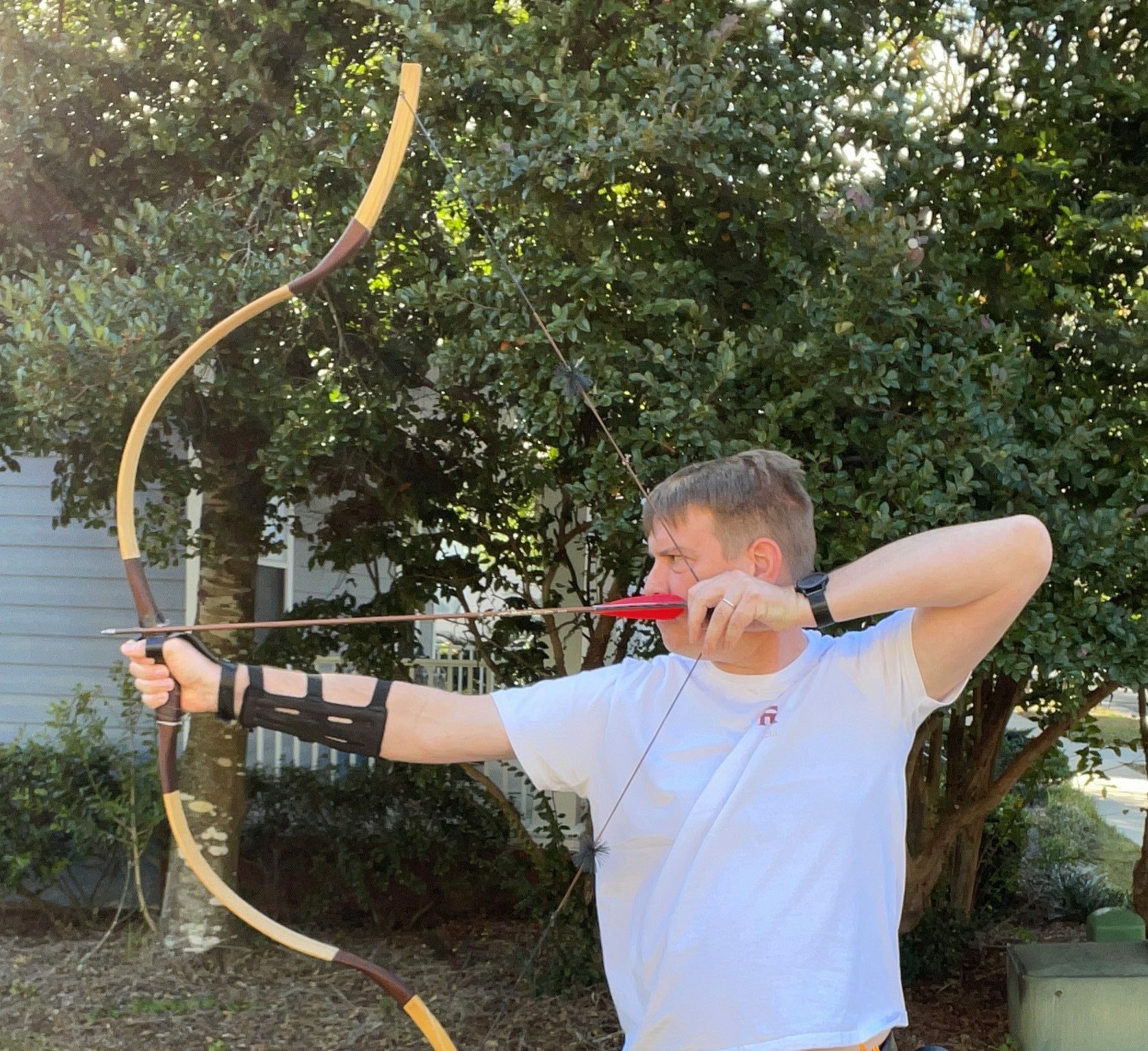
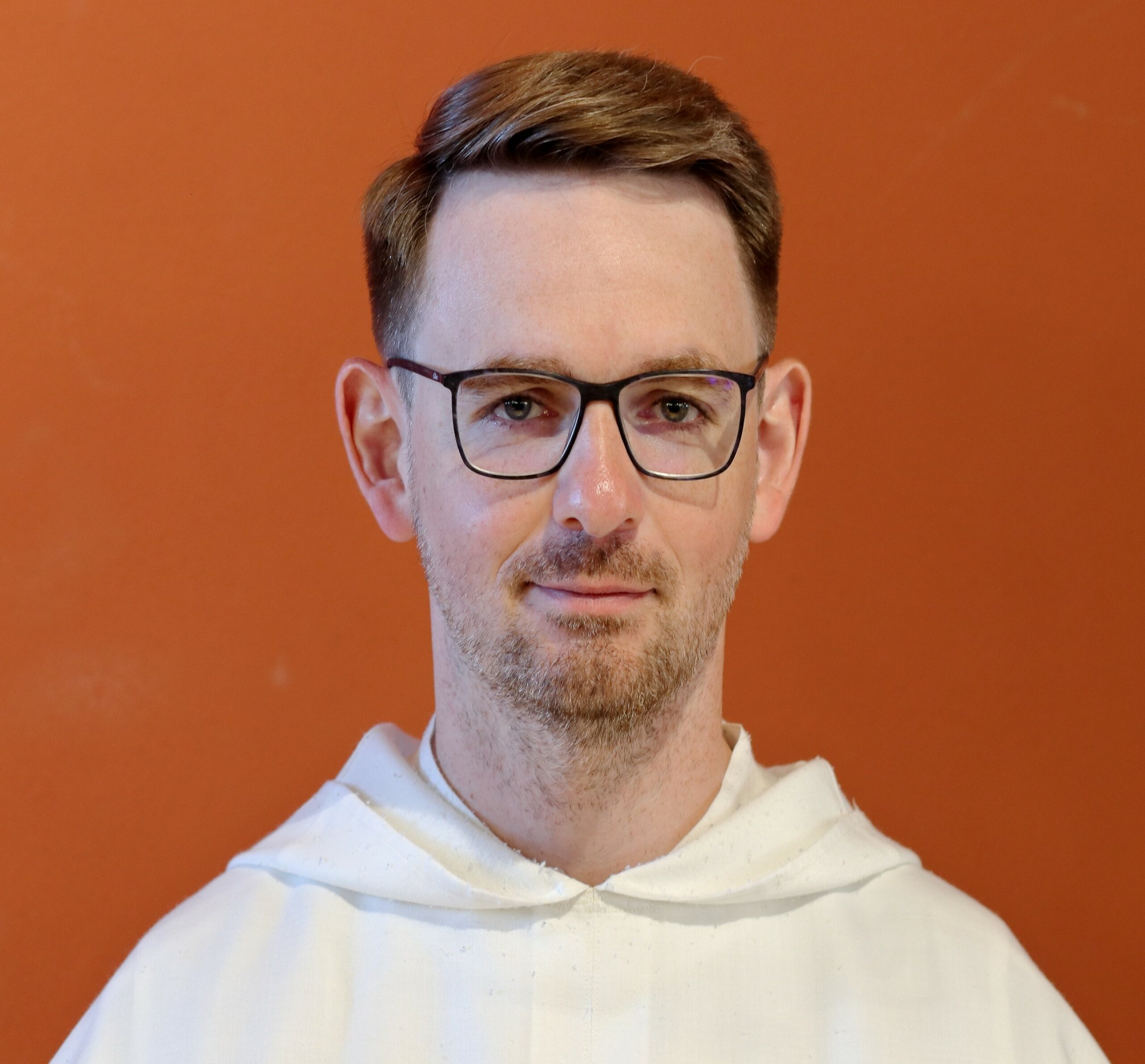
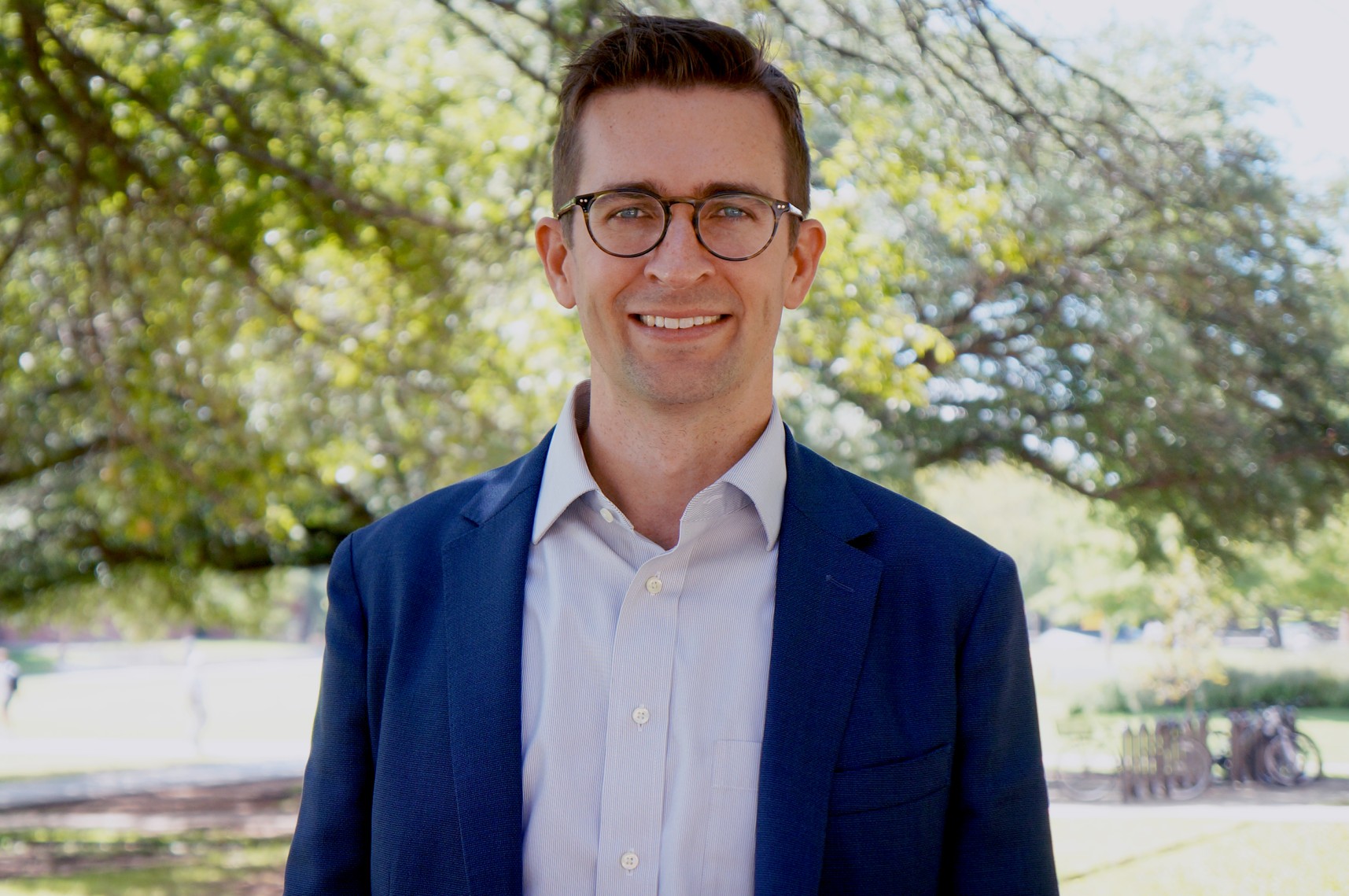
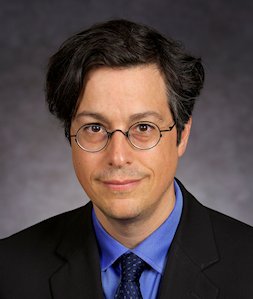
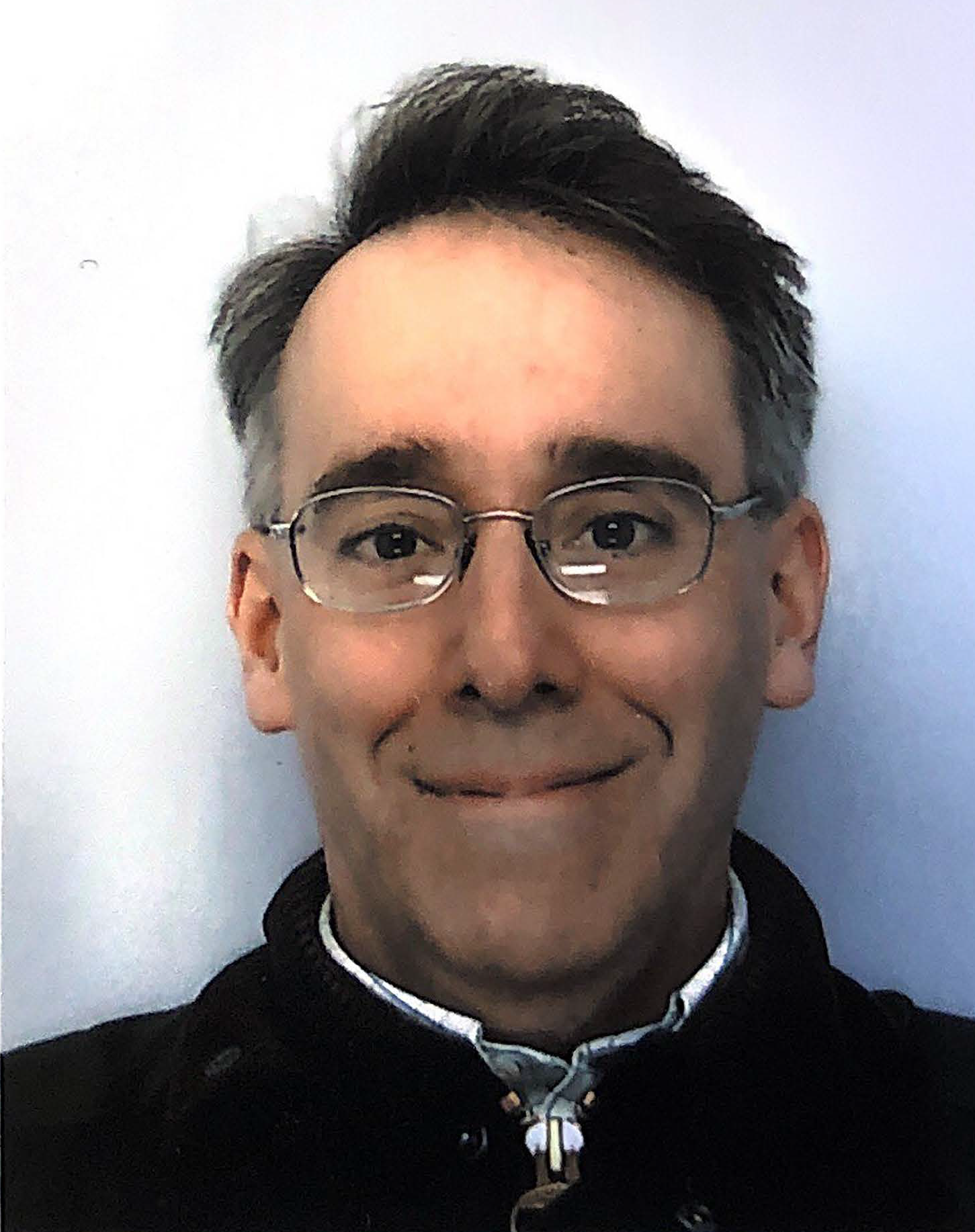
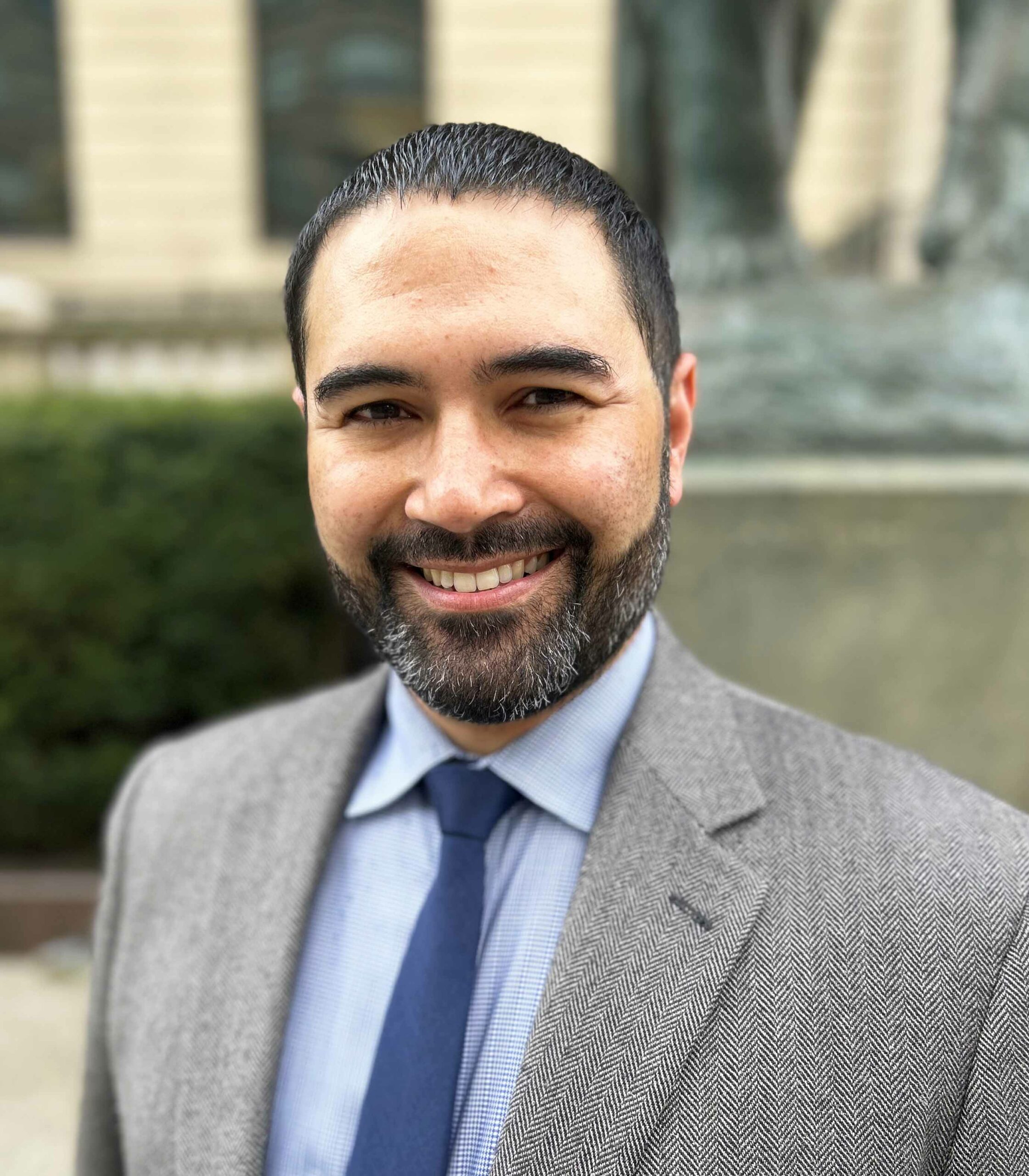
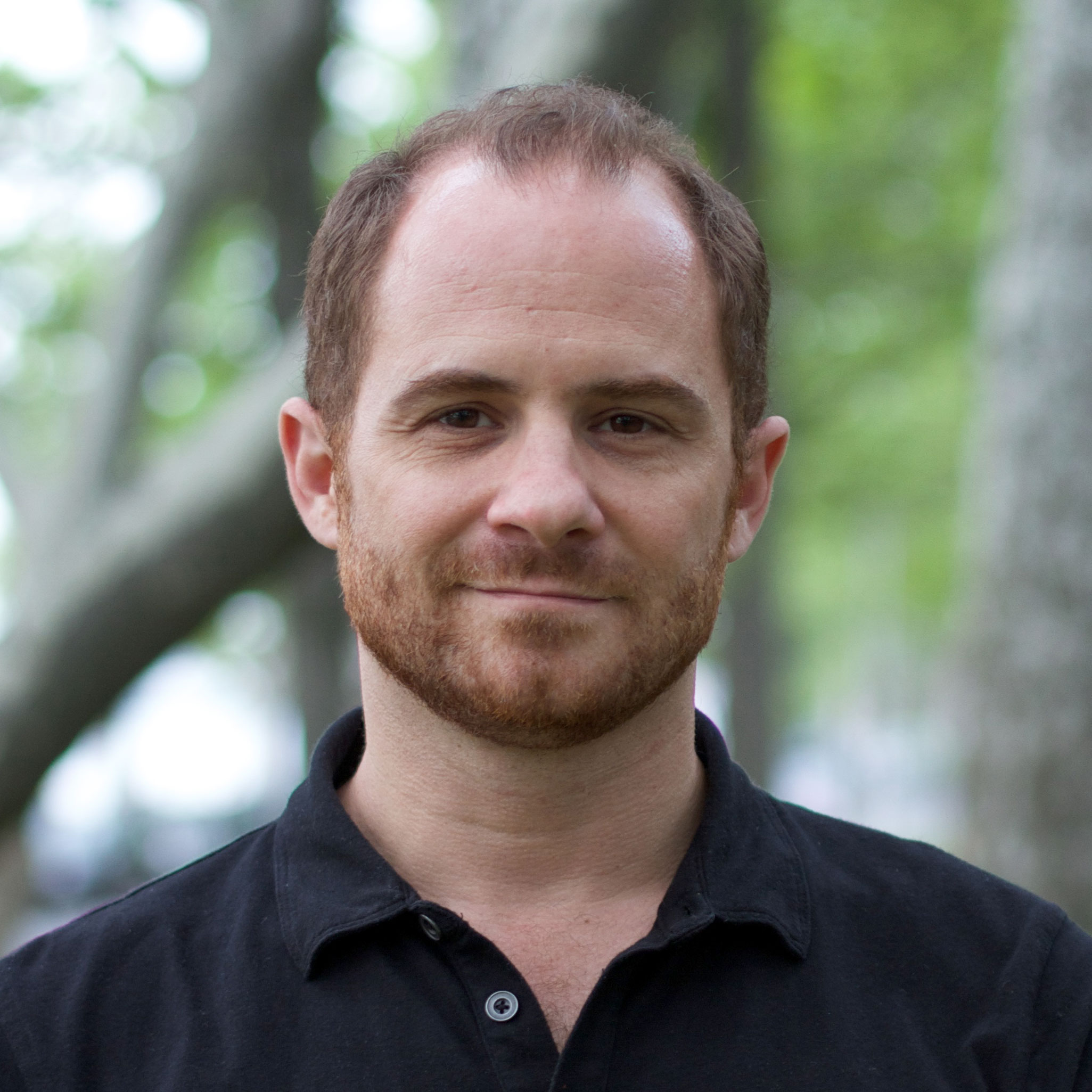
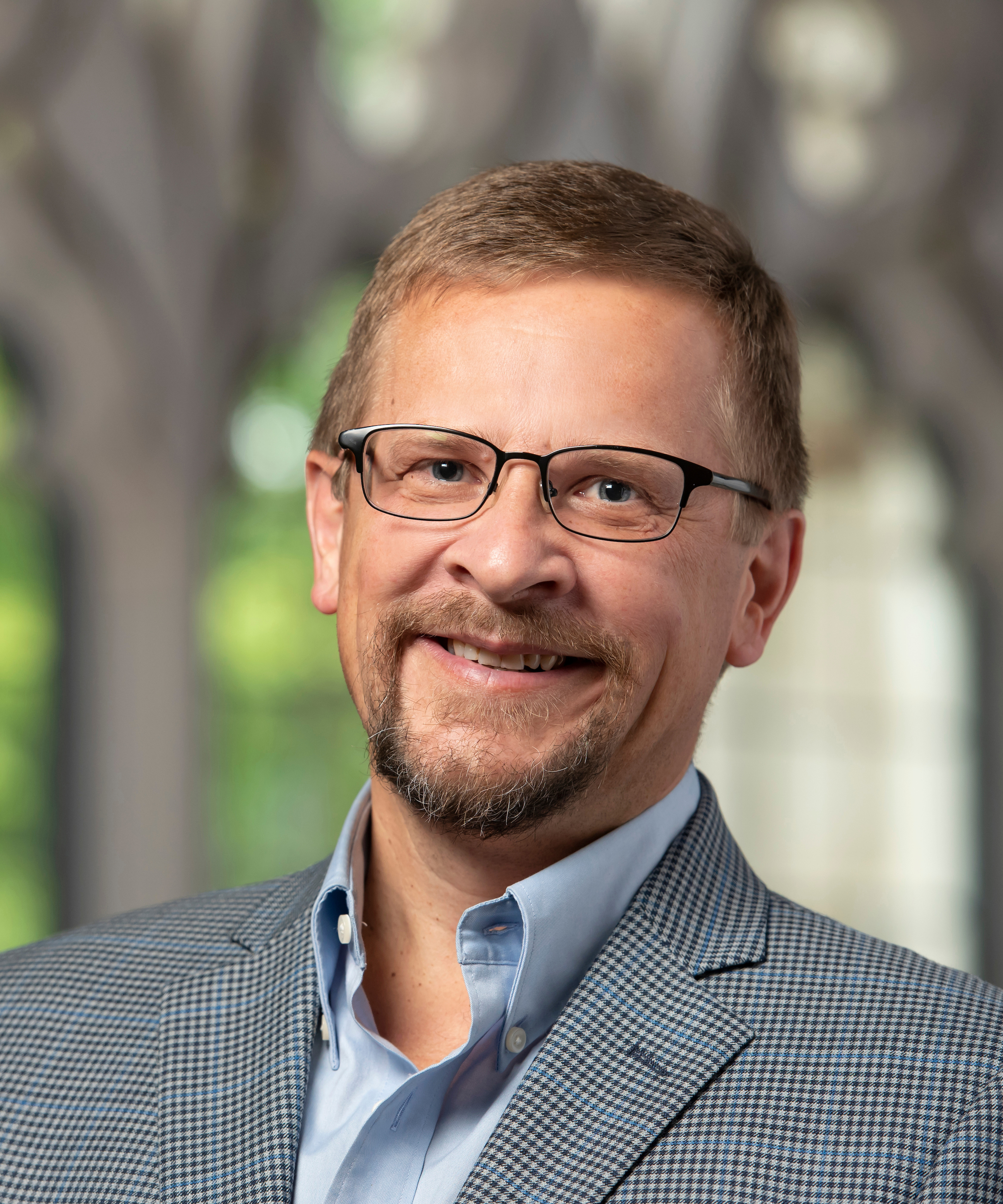
Mariusz Tabaczek, O.P., is a friar preacher, professor of theology, and member of the Thomistic Institute at the Pontifical University of Saint Thomas Aquinas in Rome. He is the author of Emergence: Towards A New Metaphysics and Philosophy of Science (2019), and Divine Action and Emergence: An Alternative to Panentheism (2021).
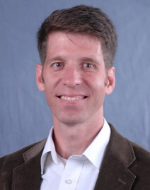
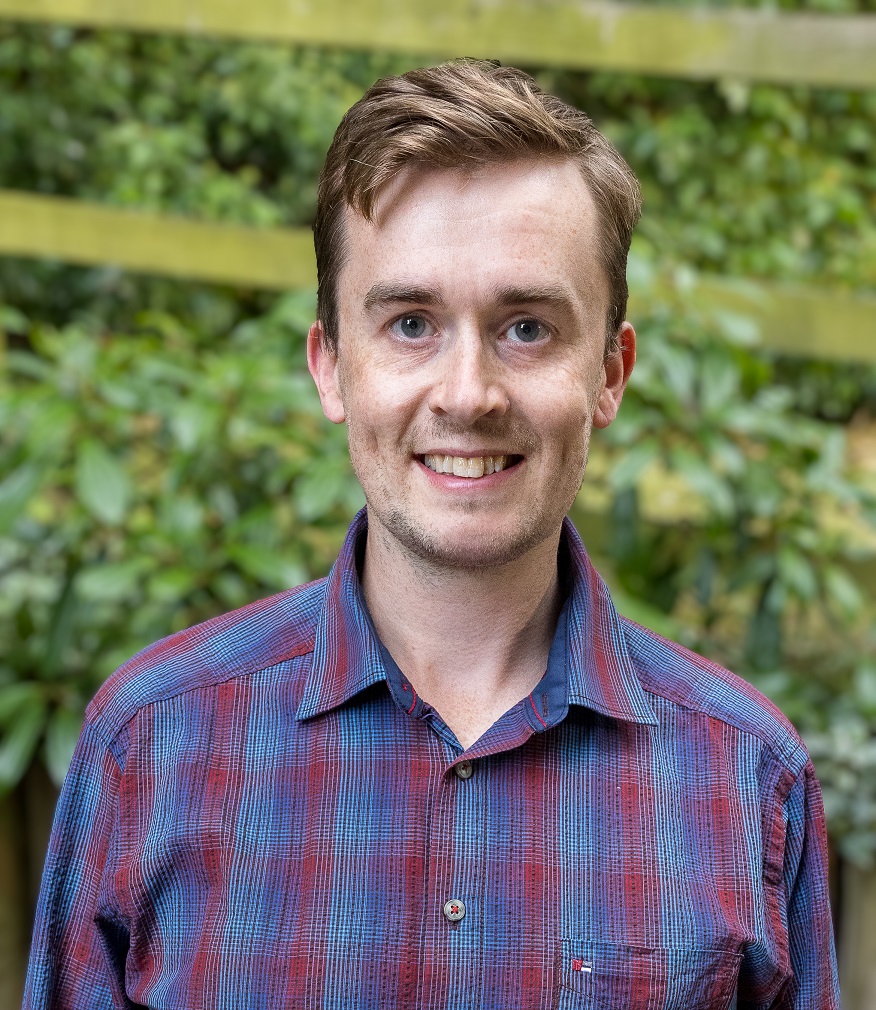
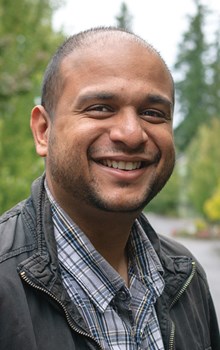
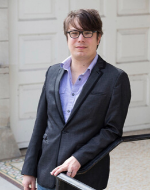
Jesse Spafford is a Lecturer at the Victoria University of Wellington. His work explores debates between libertarians, socialists, and anarchists over the moral status of the market and the state, and he is the author of a number of articles in journals including Philosophical Studies, Synthese, and the Journal of Ethics and Social Philosophy.
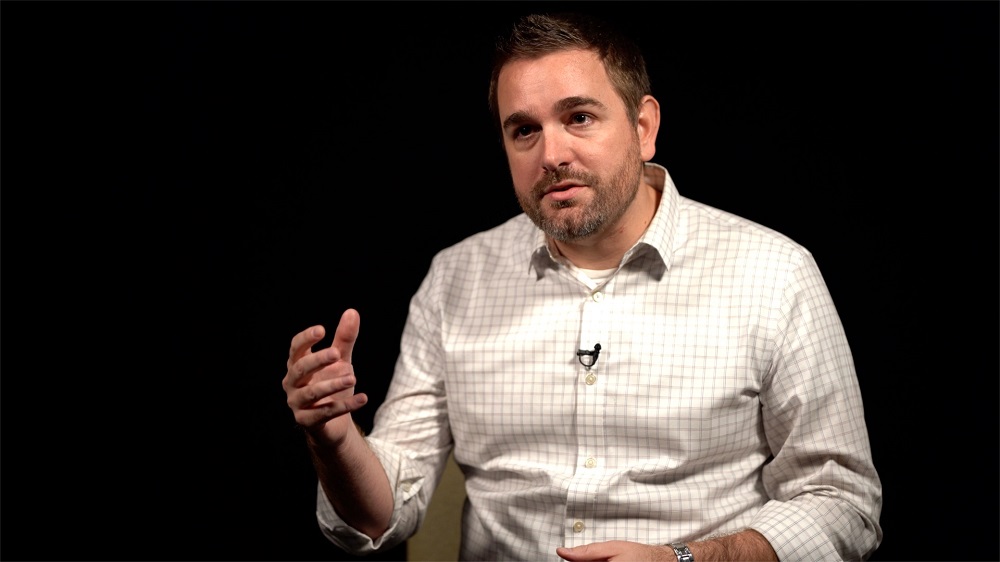
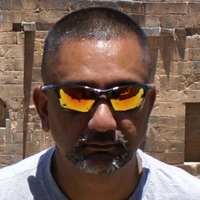
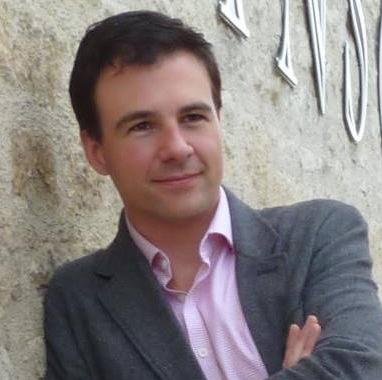
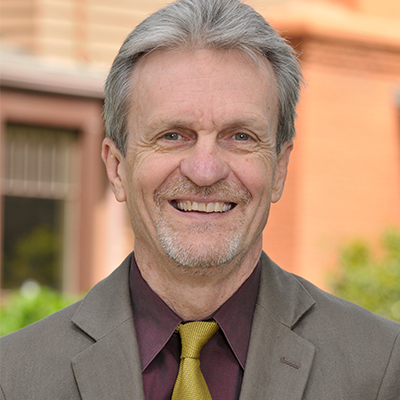
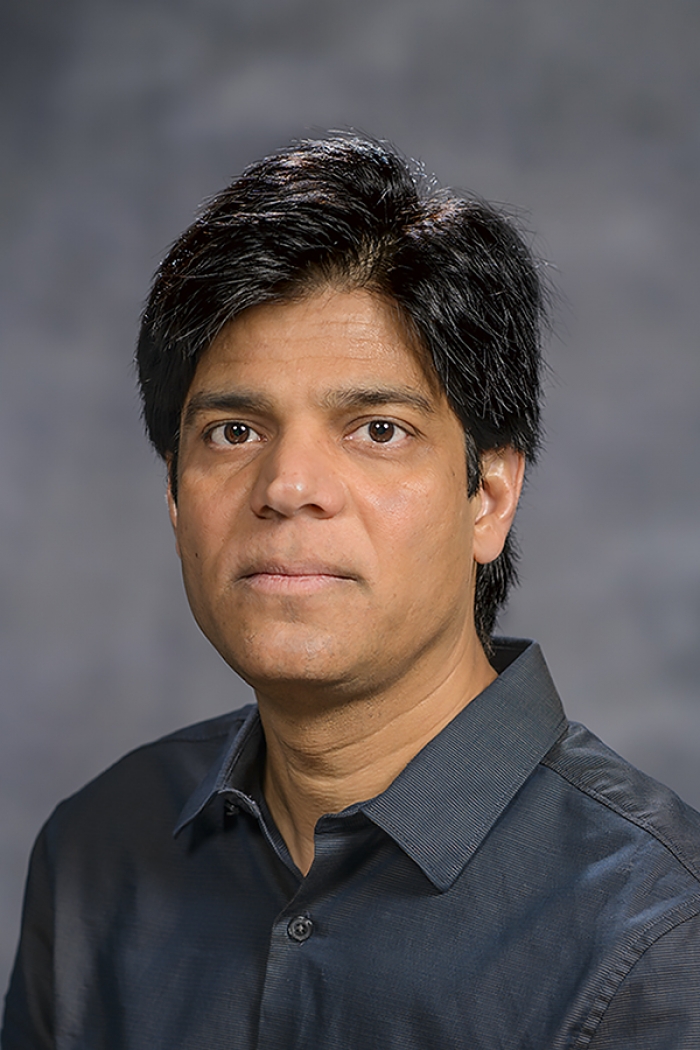
Edwin Mares is Professor of Philosophy at Victoria University of Wellington. His publications include Relevant Logic: A Philosophical Interpretation (Cambridge, 2004).
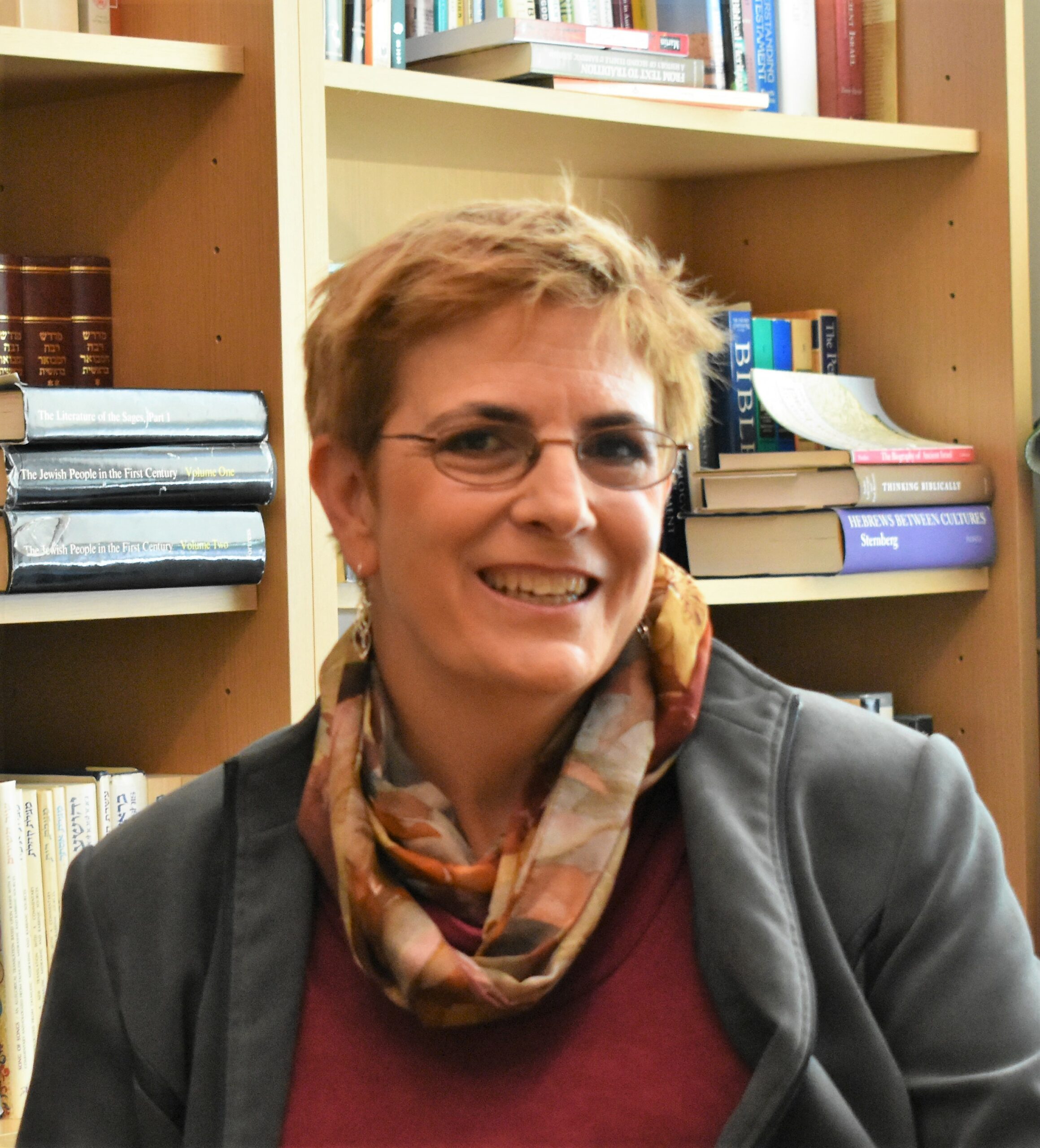
Mark Scarlata is Senior Lecturer in Old Testament at St Mellitus College, London. He is also the vicar-chaplain at St. Edward, King and Martyr, Cambridge and the director of the St. Edward\'s Institute for Christian Thought.
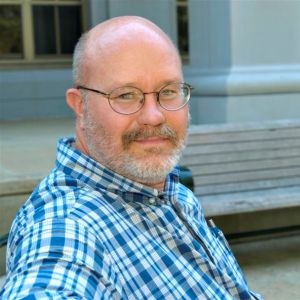
Randall Smith is Full Professor in the Department of Theology at the University of St. Thomas, Houston. He is the author of five books, among them Aquinas, Bonaventure and the Scholastic Culture of Medieval Paris (Cambridge, 2021).
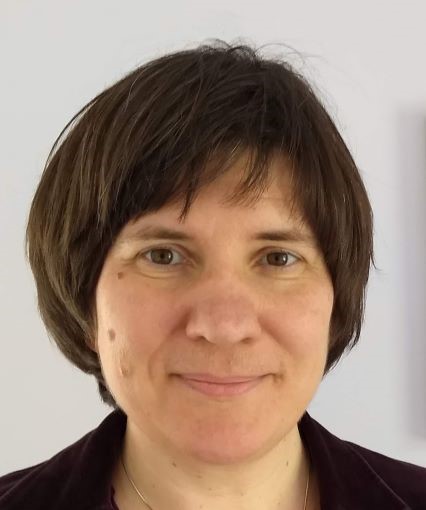
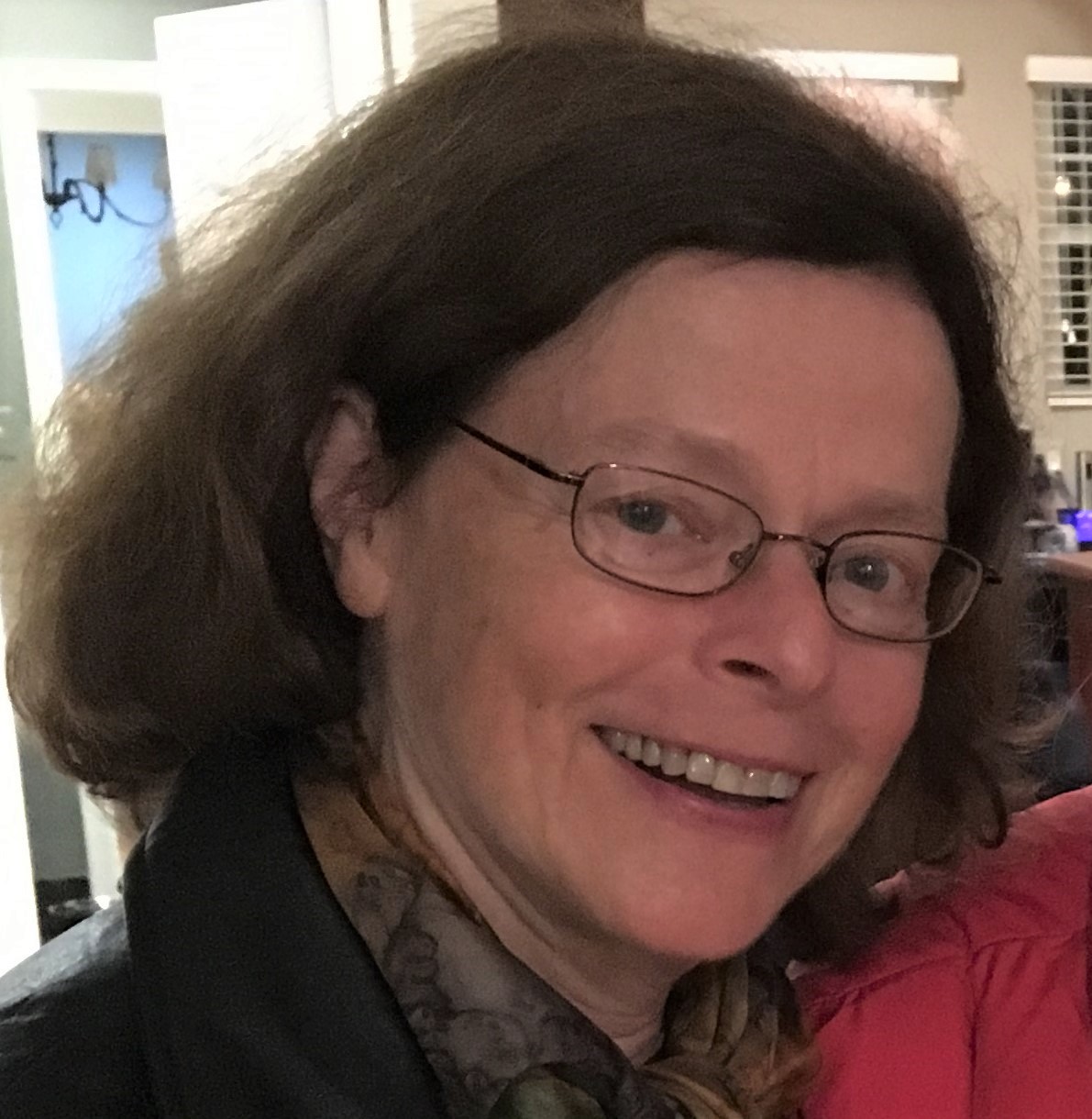
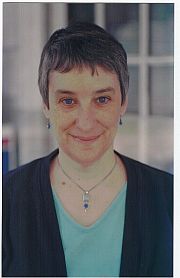
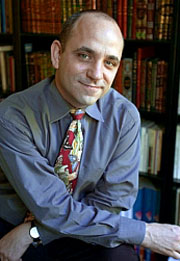
Peter Carruthers is Distinguished University Professor of Philosophy at the University of Maryland. His publications include Human and Animal Minds (2019) and Human Motives: Hedonism, Altruism, and the Science of Affect (2024).
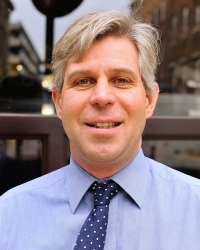
David Merritt author of A Philosophical Approach to MOND
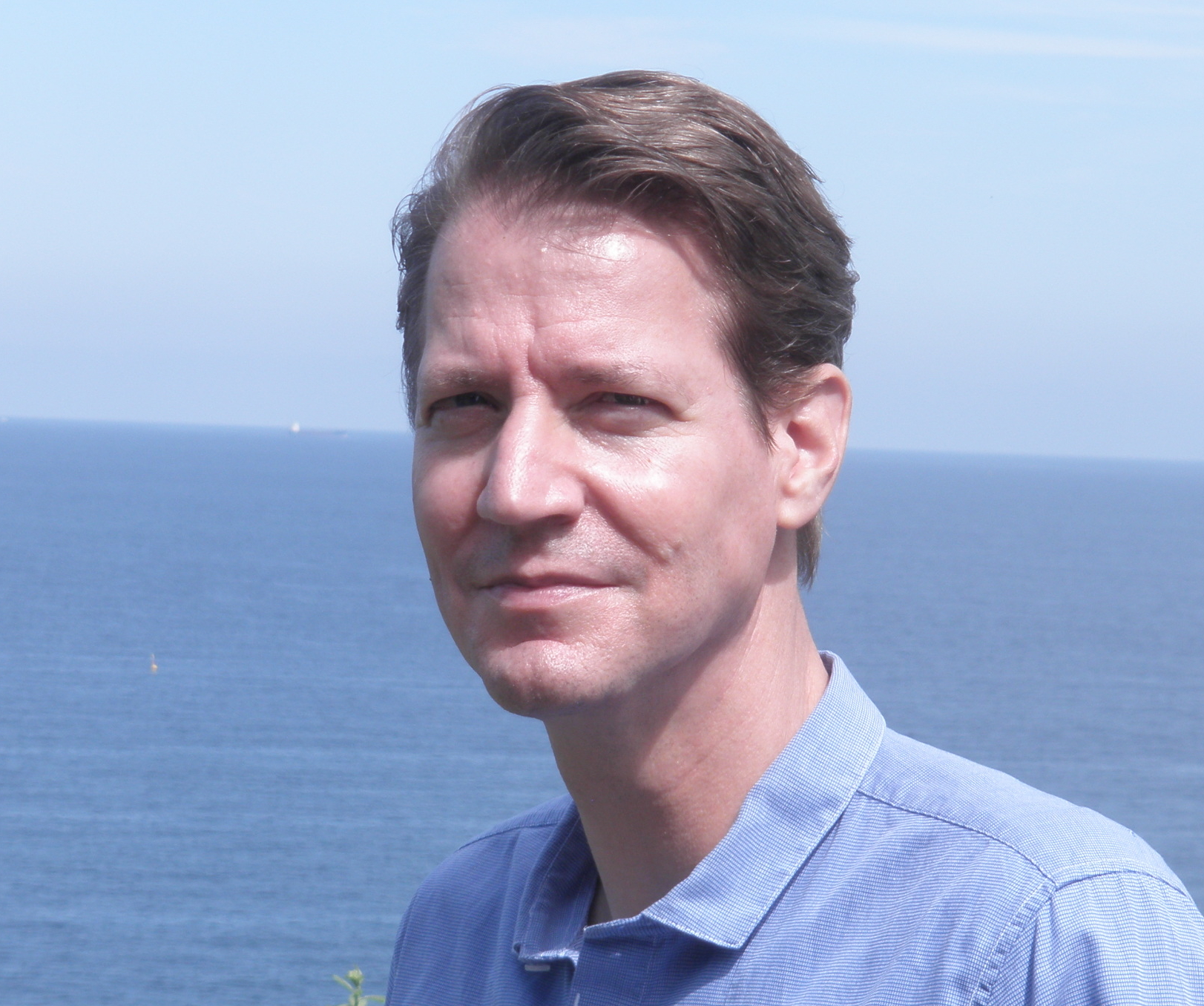
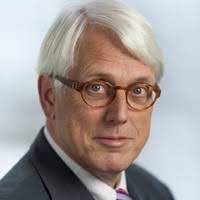
Simon Friederich, author of Multiverse Theories: A Philosophical PerspectiveRijksuniversiteit Groningen, The Netherlands
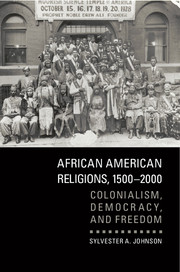
African American Religions, 1500–2000
Roy W. Perrett, University of Melbourne
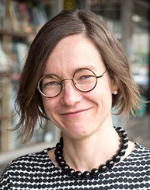
Helen Wilcox, Professor of English at Bangor University
Magna Carta, Religion and the Rule of Law
Free Trade and Faithful Globalization
Author of The Late Sigmund Freud
Damon Mayrl is Assistant Professor of Sociology at Universidad Carlos III de Madrid.
https://www.cambridgeblog.org/wp-content/uploads/2017/03/Lorna-Finlayson-photograph.jpg
The Philosophy of Human Evolution
Descartes on Forms and Mechanisms
Forgiveness: a Philosophical Exploration
Evolution, Creationism, and the Battle to Control America\'s Classrooms
Plato and the Talmud
Evolution, Creationism, and the Battle to Control America\\\\\\\'s Classrooms
Constitutional Illusions and Anchoring Truths
Doubt and Skepticism in Antiquity and the Renaissance
I Was Wrong
The Romantic Economist
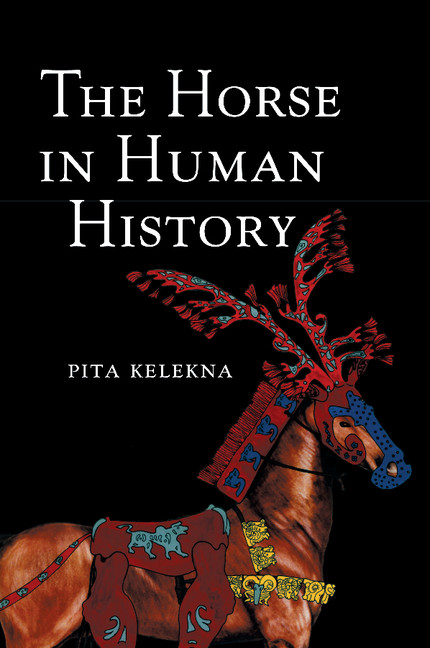
The Horse in Human History
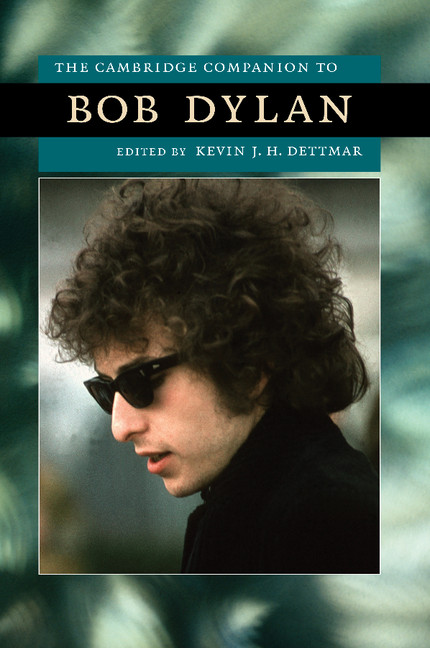
The Cambridge Companion to Bob Dylan
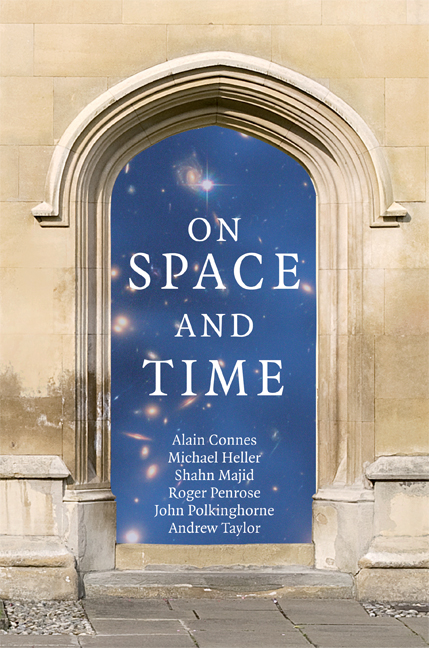
On Space and Time
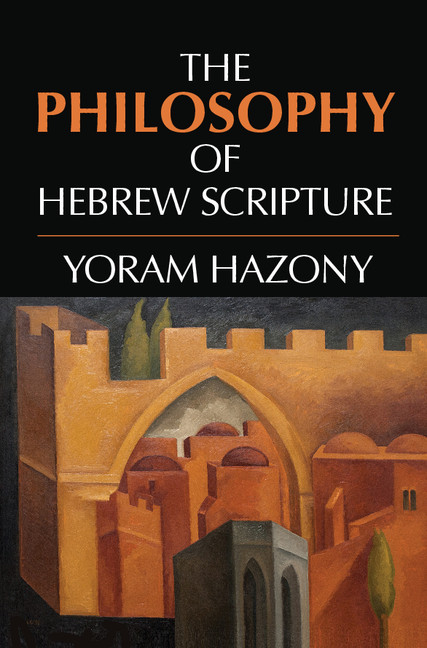
The Philosophy of Hebrew Scripture
On Space and Time
A Dictionary of Bible Plants
Yinyang
Peter Singer and Christian Ethics
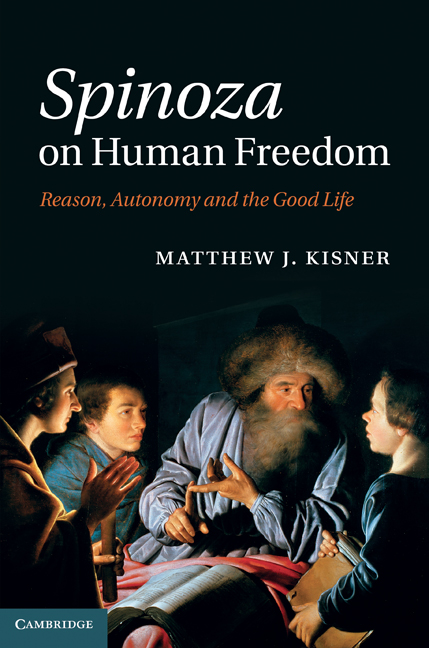
Spinoza on Human Freedom
Against Autonomy
Senior Inbound Marketing Executive
The First French Reformation
Text and Authority in the South African Nazaretha Church
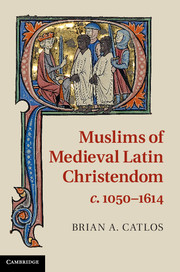
Muslims of Medieval Latin Christendom, c.1050–1614
A Reference Grammar of French
Cambridge University Press Archivist
An Ancient Commentary on the Book of Revelation
Natural Human Rights: A Theory
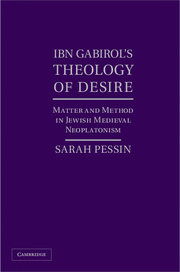
Ibn Gabirol\'s Theology of Desire
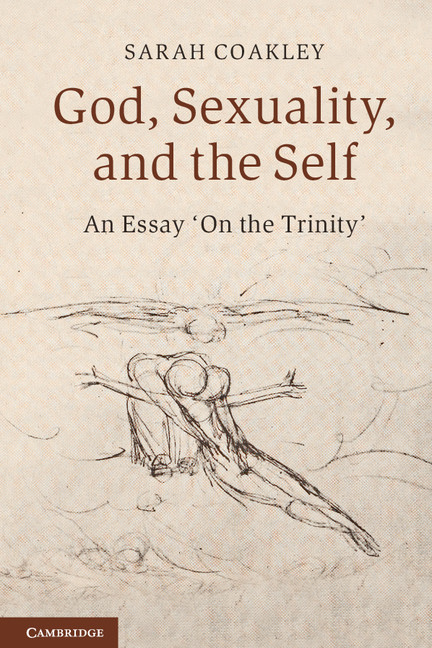
God, Sexuality, and the Self
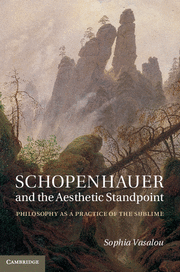
Schopenhauer and the Aesthetic Standpoint
Interpreting Avicenna: Critical Essays
The Cambridge Companion to Life and Death
Hegel\'s Phenomenology of Spirit
Aquinas on Human Self-Knowledge
The Mystery of the Last Supper
To receive updates on Philosophy & Religion news from Cambridge University Press and Fifteen Eighty Four, please join our email list below. We will not disclose your email address to any third party