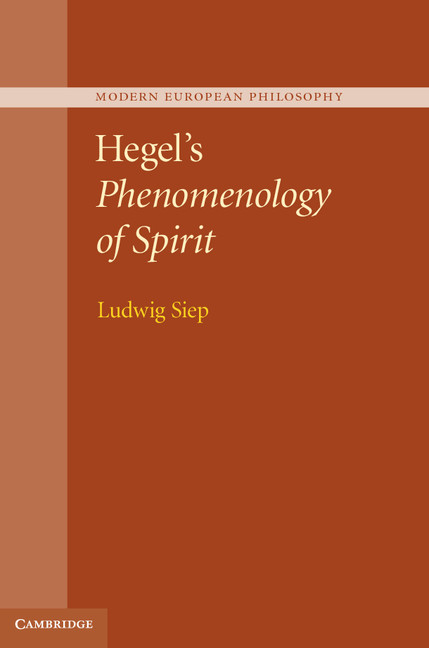
Today people tend to talk a lot about alienation as a modern crisis. We are said to feel a sense of alienation from our government, our economic system, our workplace, our religion, our community, and even our family and ourselves. Ever since the rise of the existentialist movement in the middle of the twentieth century, […]
Read MoreNo scientific thinker is more globally famous than Charles Darwin. Yet among scholars there is much debate about how, exactly, the argument which made Darwin famous – his argument for evolution by natural selection, set out in his 1859 book On the Origin of Species – is supposed to work. At the heart of Darwin’s […]

Read MoreOn February 29th 2020, I submitted my manuscript “Beings of Thought and Action” to CUP for review. While I did register news of cases of COVID-19 in Europe, little did I know what that would mean for the future. In July 2021, “Beings Of Thought and Action” is being published in a world that isn’t […]
Read MoreThe terms “World Christianity” and “global (or world) history” refer to academic fields that have become widespread in recent decades, reflecting the highly interconnected world we live in, and in part attempting to move away from an exclusively Western interpretation of how that world works. Yet it is striking that these fields have moved on […]

Read MoreWhy a new volume on civil disobedience? Libraries are already filled with fat tomes on the topic. Henry David Thoreau, Mahatma Gandhi, and Dr. Martin Luther King, Jr., canonical figures in its history, inspired many familiar and not-so-familiar movements and ignited wide-ranging political and scholarly debate. What possibly remains to be said about civil disobedience? […]
Read MoreWhy isn’t the biblical literature taught alongside other philosophies? By any objective criteria, it measures up to the Mesopotamians, Egyptians, Greeks, and Romans. In Biblical Philosophy: A Hebraic Approach to the Old and New Testaments, I contend that the biblical literature should be treated as a philosophical tradition, and I show how the New Testament […]
Read MoreAfter years of struggling to complete a book on scientific revolutions and the development of scientific knowledge, in 1962, Thomas Kuhn published The Structure of Scientific Revolutions. Three years later, in 1965, there was a lively and now-famous colloquium at Bedford College, London, dedicated to Structure. It was organized by Imre Lakatos, a former student […]

Read MoreAmidst surges of right- and left-wing populisms—from Trumpian Tea Parties to Black Lives Matter—one cannot avoid hearing accusations that one or another opponent is “divisive” and intolerant. What one faction today considers anti-racism in defense of the marginalized, another denounces as intolerant liberal mobs of cancel culture. In all of this we find there is […]
Read MoreToday people tend to talk a lot about alienation as a modern crisis. We are said to feel a sense of alienation from our government, our economic system, our workplace, our religion, our community, and even our family and ourselves. Ever since the rise of the existentialist movement in the middle of the twentieth century, […]
Read MoreNo scientific thinker is more globally famous than Charles Darwin. Yet among scholars there is much debate about how, exactly, the argument which made Darwin famous – his argument for evolution by natural selection, set out in his 1859 book On the Origin of Species – is supposed to work. At the heart of Darwin’s […]
Read MoreOn February 29th 2020, I submitted my manuscript “Beings of Thought and Action” to CUP for review. While I did register news of cases of COVID-19 in Europe, little did I know what that would mean for the future. In July 2021, “Beings Of Thought and Action” is being published in a world that isn’t […]
Read MoreThe terms “World Christianity” and “global (or world) history” refer to academic fields that have become widespread in recent decades, reflecting the highly interconnected world we live in, and in part attempting to move away from an exclusively Western interpretation of how that world works. Yet it is striking that these fields have moved on […]
Read MoreWhy a new volume on civil disobedience? Libraries are already filled with fat tomes on the topic. Henry David Thoreau, Mahatma Gandhi, and Dr. Martin Luther King, Jr., canonical figures in its history, inspired many familiar and not-so-familiar movements and ignited wide-ranging political and scholarly debate. What possibly remains to be said about civil disobedience? […]
Read MoreWhy isn’t the biblical literature taught alongside other philosophies? By any objective criteria, it measures up to the Mesopotamians, Egyptians, Greeks, and Romans. In Biblical Philosophy: A Hebraic Approach to the Old and New Testaments, I contend that the biblical literature should be treated as a philosophical tradition, and I show how the New Testament […]
Read MoreAfter years of struggling to complete a book on scientific revolutions and the development of scientific knowledge, in 1962, Thomas Kuhn published The Structure of Scientific Revolutions. Three years later, in 1965, there was a lively and now-famous colloquium at Bedford College, London, dedicated to Structure. It was organized by Imre Lakatos, a former student […]
Read MoreAmidst surges of right- and left-wing populisms—from Trumpian Tea Parties to Black Lives Matter—one cannot avoid hearing accusations that one or another opponent is “divisive” and intolerant. What one faction today considers anti-racism in defense of the marginalized, another denounces as intolerant liberal mobs of cancel culture. In all of this we find there is […]
Read MoreKeep up with the latest from Cambridge University Press on our social media accounts.
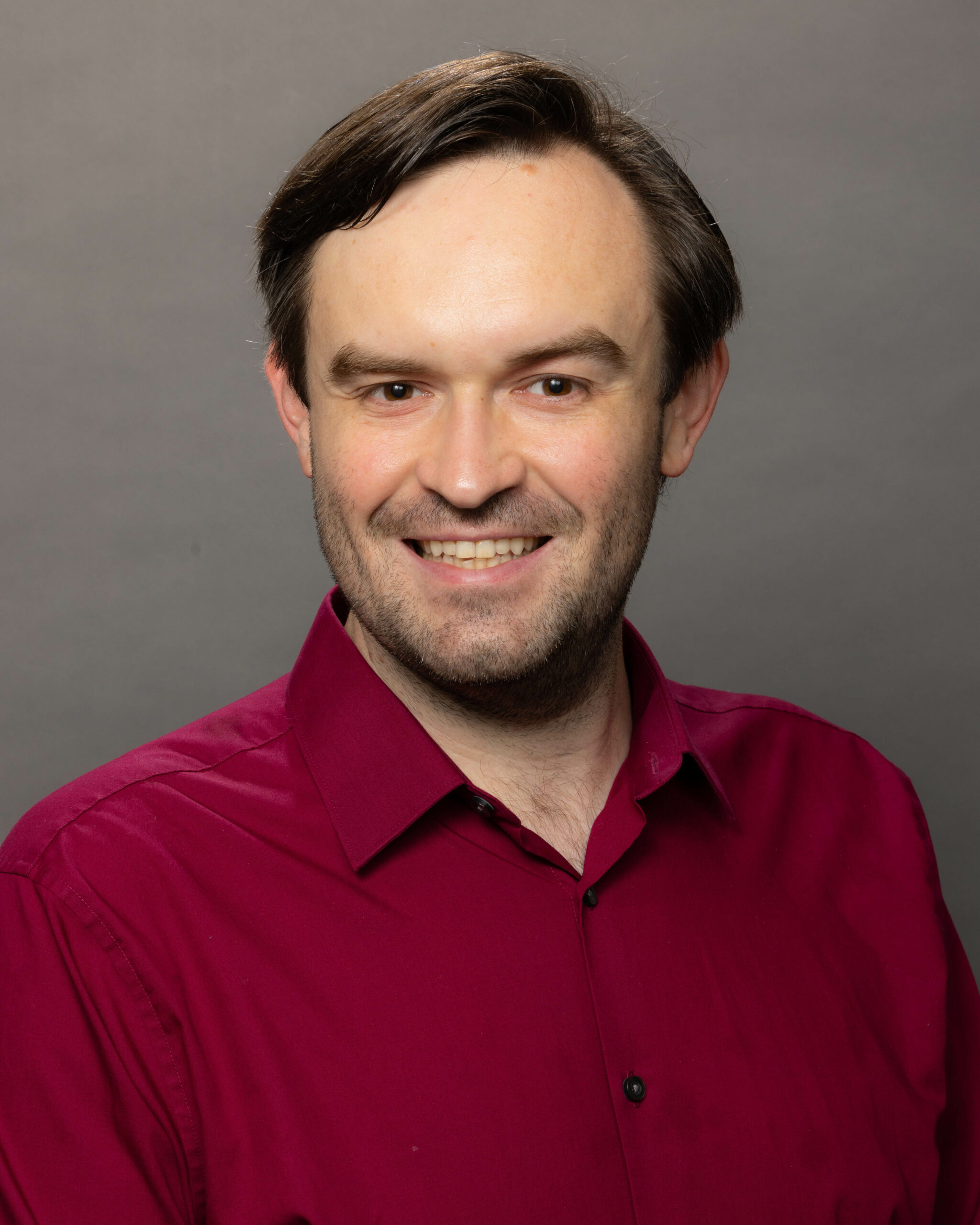
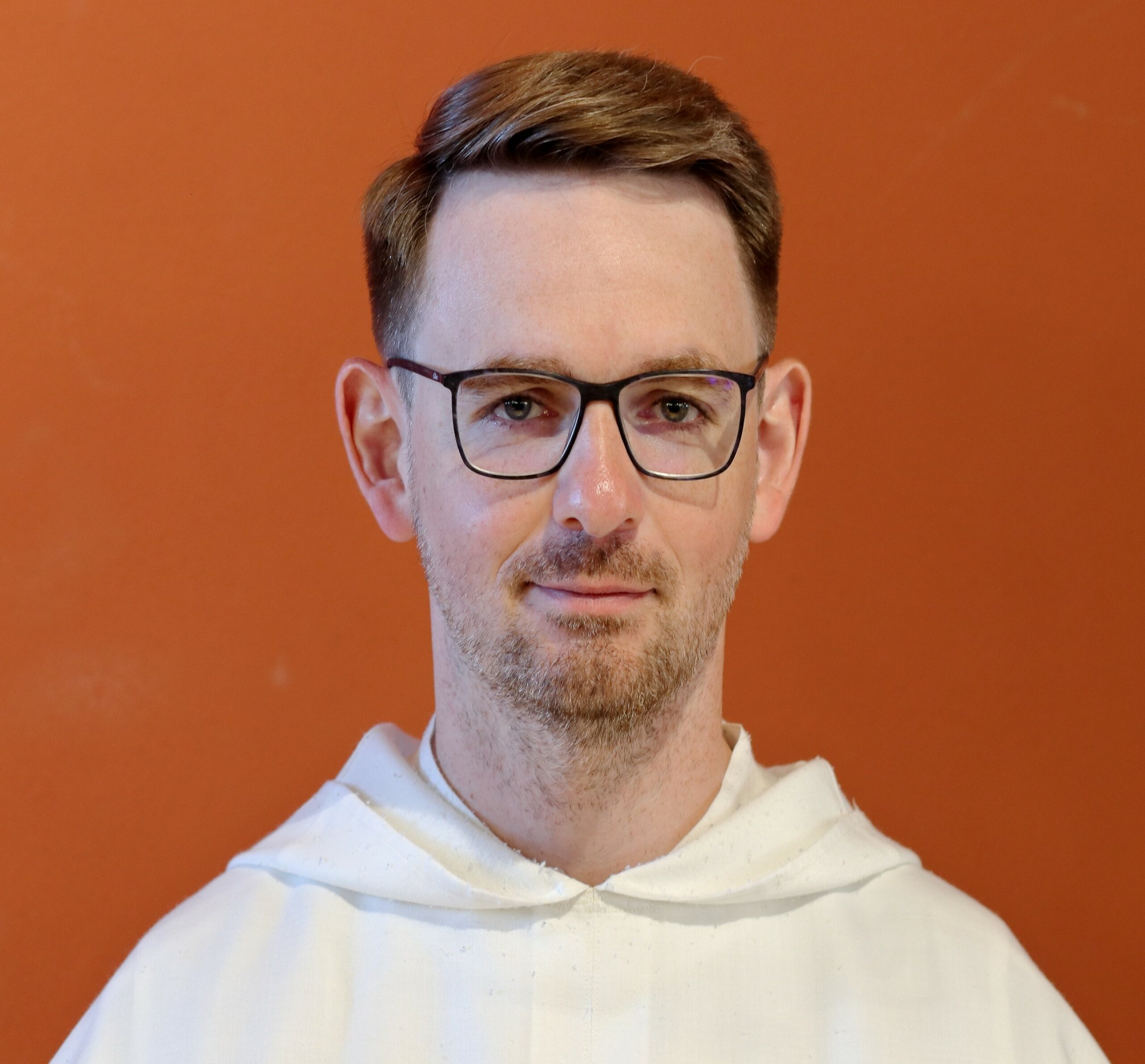
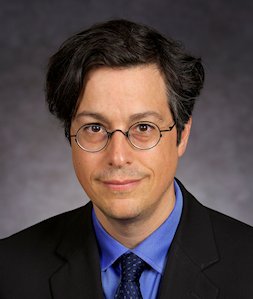
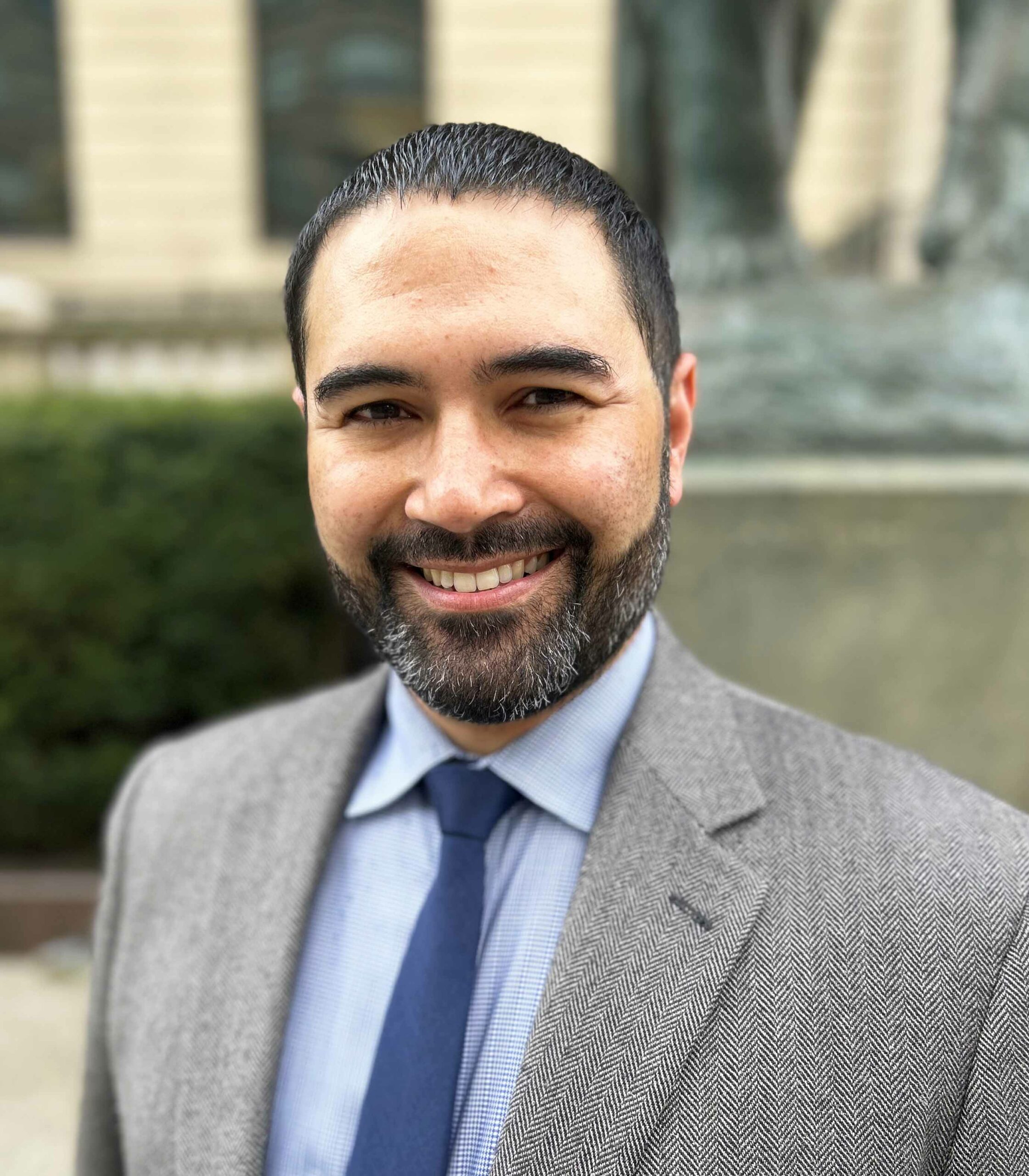
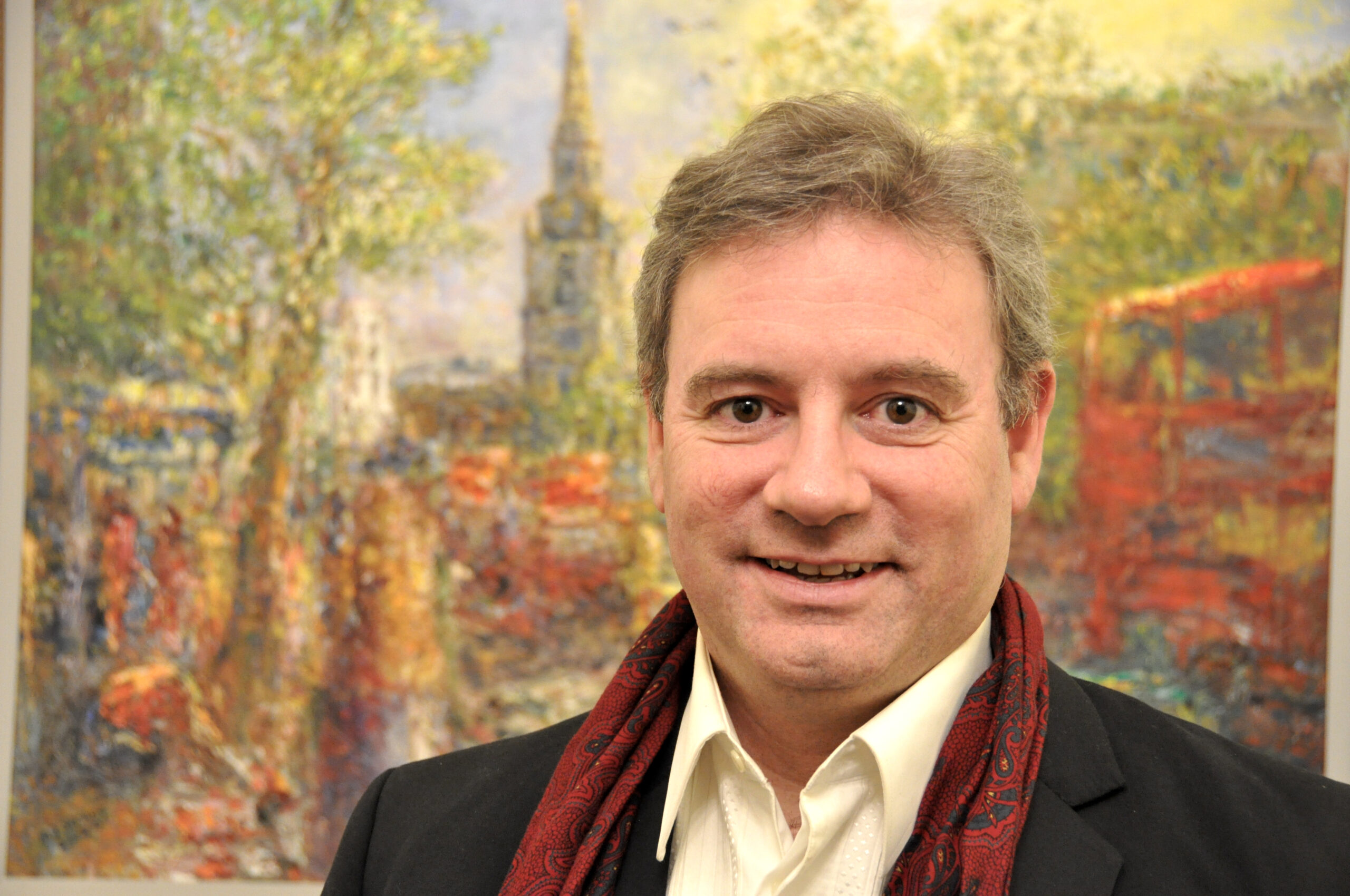
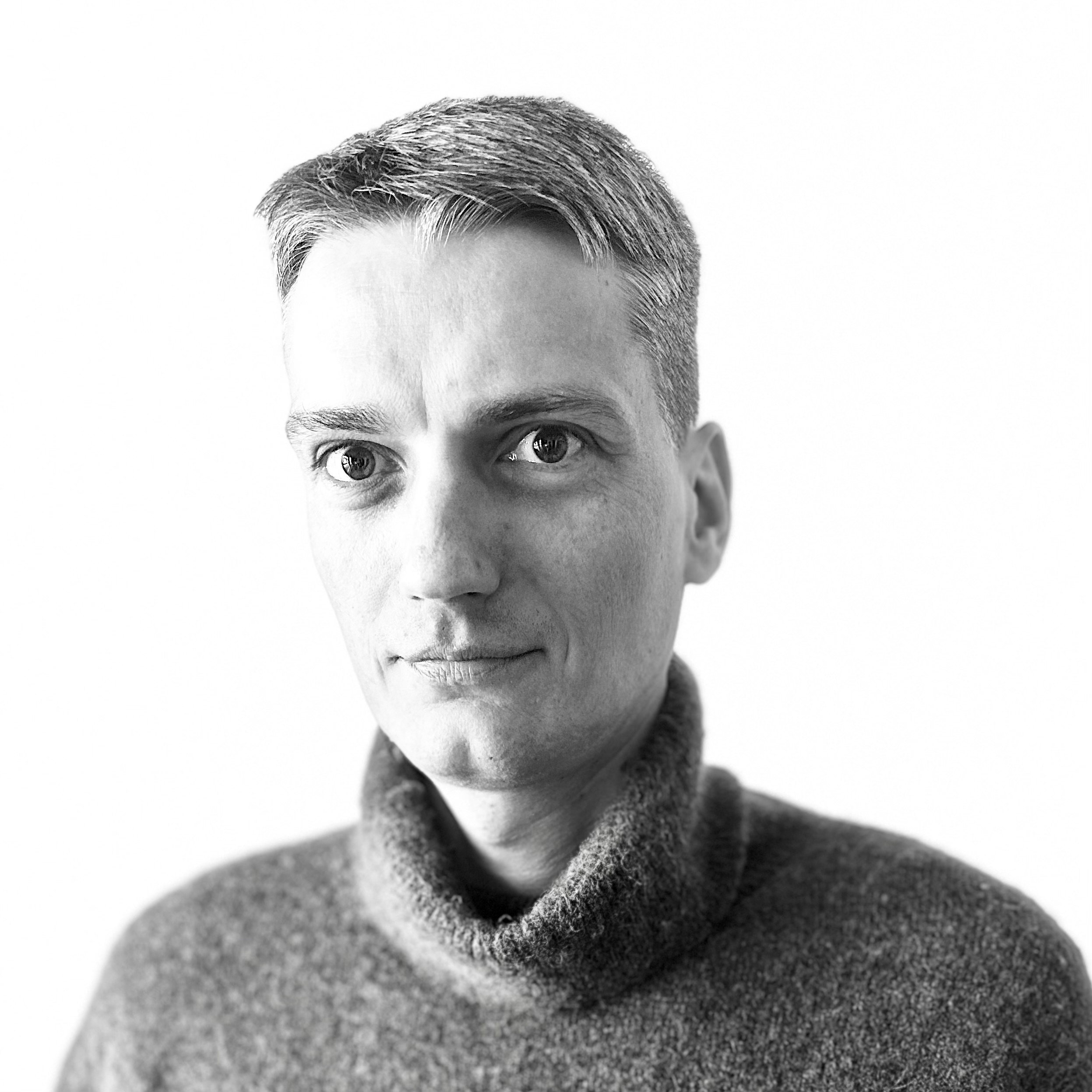
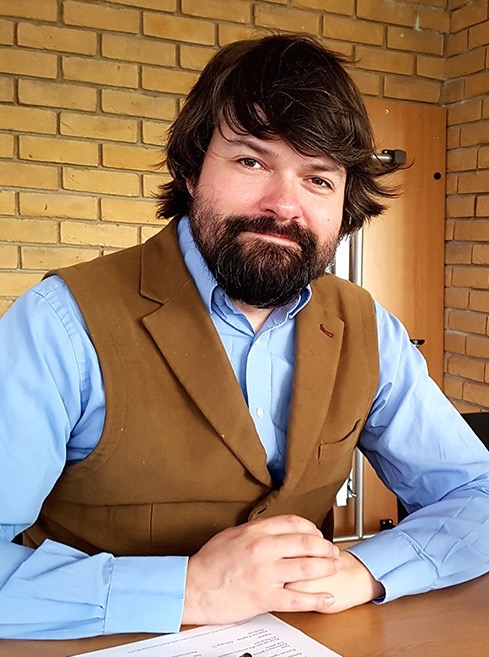
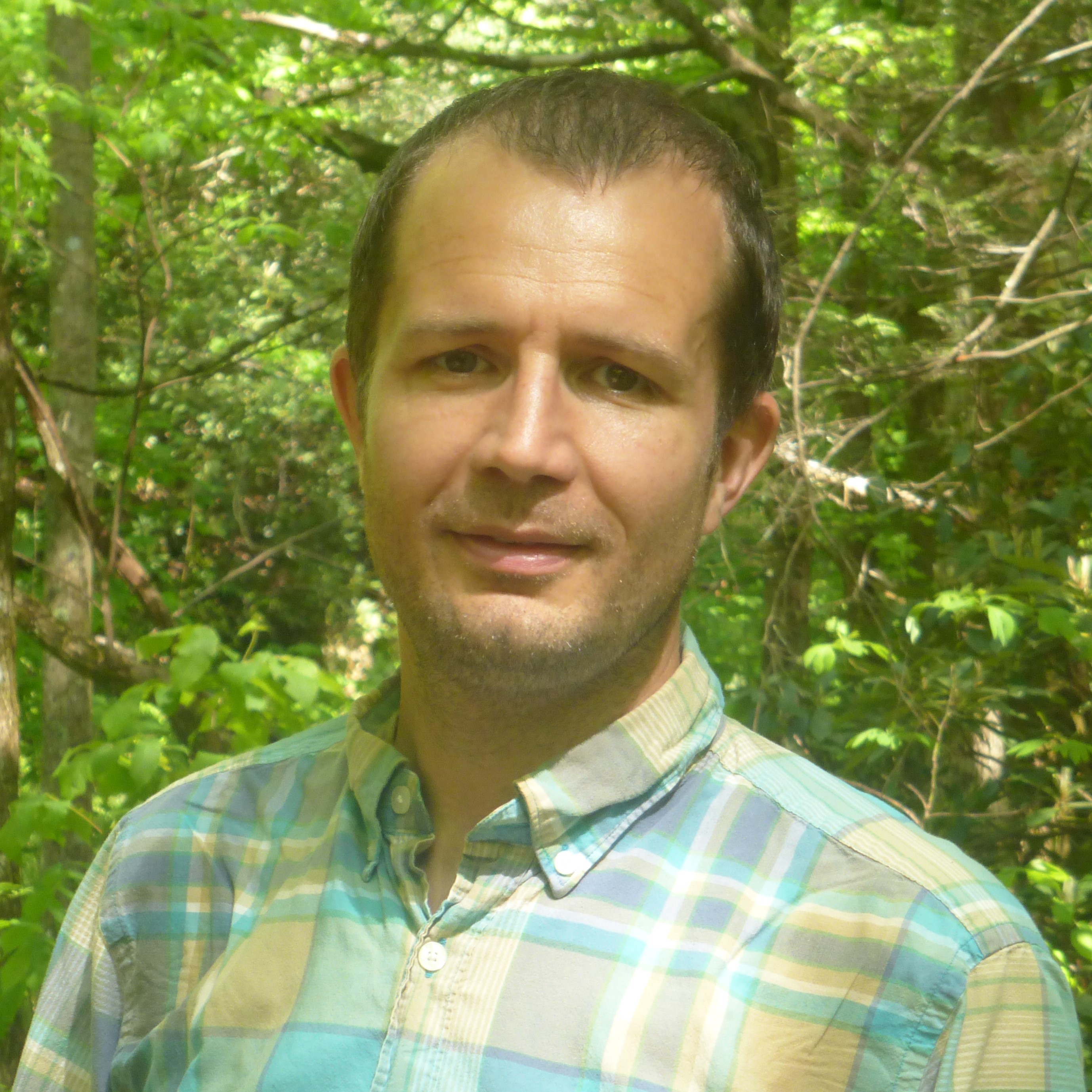
Mariusz Tabaczek, O.P., is a friar preacher, professor of theology, and member of the Thomistic Institute at the Pontifical University of Saint Thomas Aquinas in Rome. He is the author of Emergence: Towards A New Metaphysics and Philosophy of Science (2019), and Divine Action and Emergence: An Alternative to Panentheism (2021).

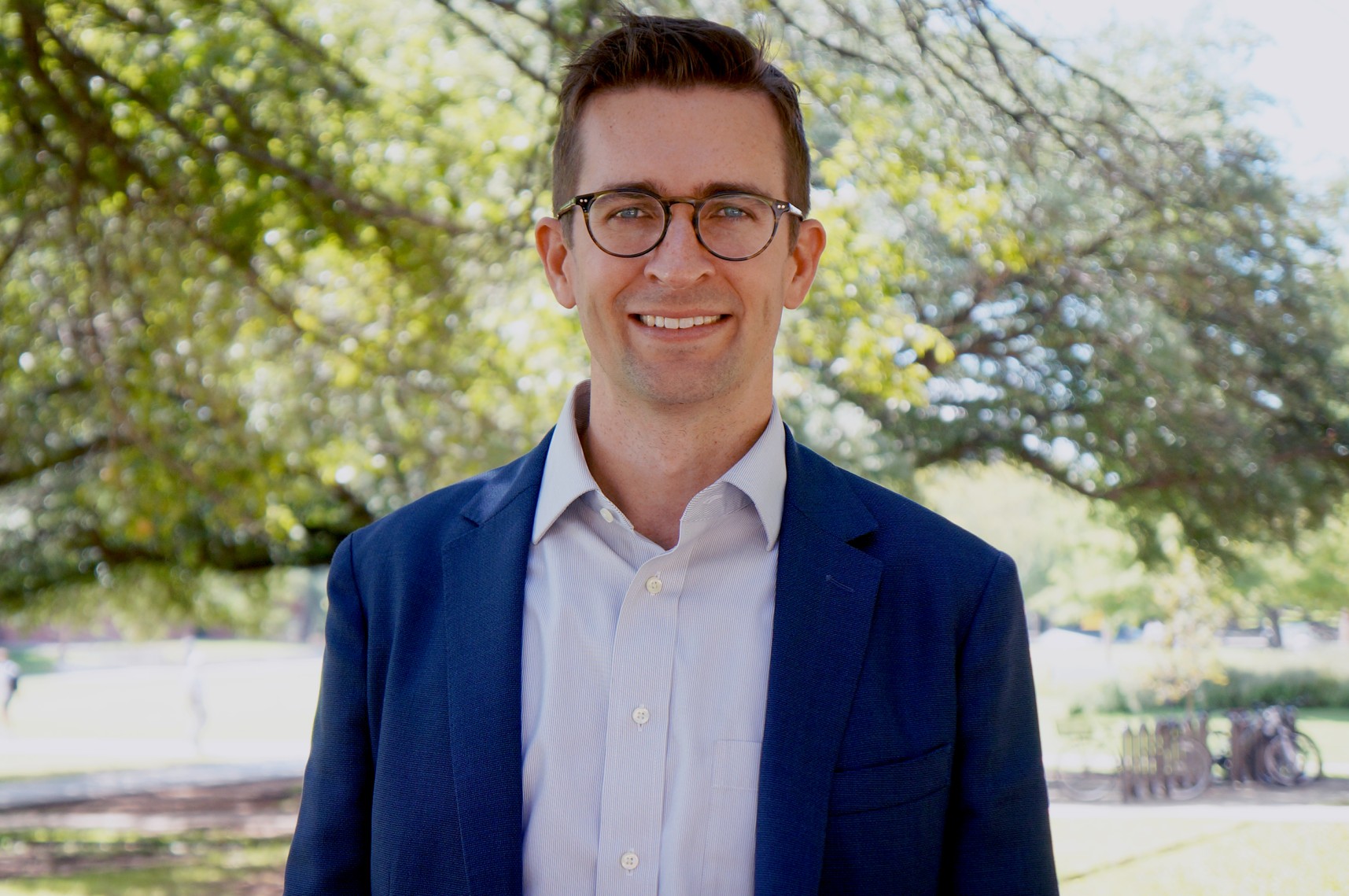
Jesse Spafford is a Lecturer at the Victoria University of Wellington. His work explores debates between libertarians, socialists, and anarchists over the moral status of the market and the state, and he is the author of a number of articles in journals including Philosophical Studies, Synthese, and the Journal of Ethics and Social Philosophy.
Edwin Mares is Professor of Philosophy at Victoria University of Wellington. His publications include Relevant Logic: A Philosophical Interpretation (Cambridge, 2004).
Mark Scarlata is Senior Lecturer in Old Testament at St Mellitus College, London. He is also the vicar-chaplain at St. Edward, King and Martyr, Cambridge and the director of the St. Edward\'s Institute for Christian Thought.
Randall Smith is Full Professor in the Department of Theology at the University of St. Thomas, Houston. He is the author of five books, among them Aquinas, Bonaventure and the Scholastic Culture of Medieval Paris (Cambridge, 2021).
Peter Carruthers is Distinguished University Professor of Philosophy at the University of Maryland. His publications include Human and Animal Minds (2019) and Human Motives: Hedonism, Altruism, and the Science of Affect (2024).
David Merritt author of A Philosophical Approach to MOND
Simon Friederich, author of Multiverse Theories: A Philosophical PerspectiveRijksuniversiteit Groningen, The Netherlands
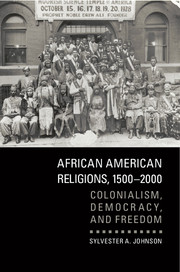
African American Religions, 1500–2000
Roy W. Perrett, University of Melbourne
Helen Wilcox, Professor of English at Bangor University
Magna Carta, Religion and the Rule of Law
Free Trade and Faithful Globalization
Author of The Late Sigmund Freud
Damon Mayrl is Assistant Professor of Sociology at Universidad Carlos III de Madrid.
https://www.cambridgeblog.org/wp-content/uploads/2017/03/Lorna-Finlayson-photograph.jpg
The Philosophy of Human Evolution
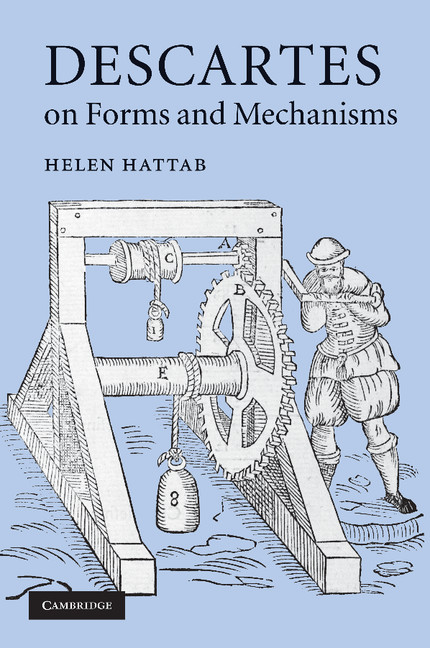
Descartes on Forms and Mechanisms
Forgiveness: a Philosophical Exploration
Evolution, Creationism, and the Battle to Control America\'s Classrooms
Plato and the Talmud
Evolution, Creationism, and the Battle to Control America\\\\\\\'s Classrooms
Constitutional Illusions and Anchoring Truths
Doubt and Skepticism in Antiquity and the Renaissance
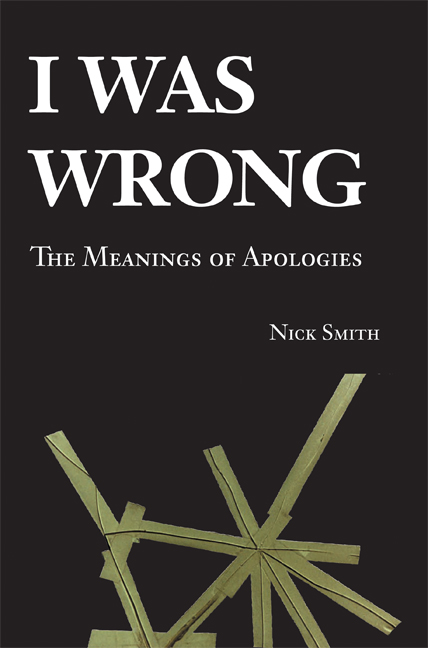
I Was Wrong
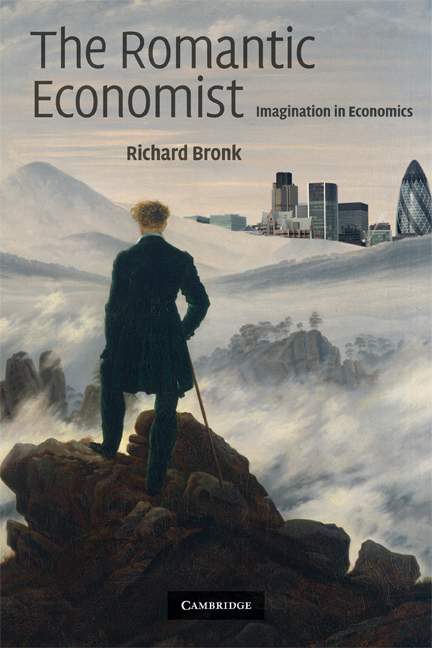
The Romantic Economist
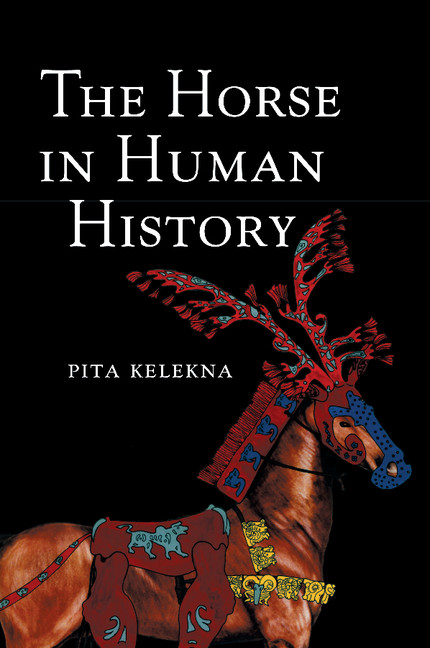
The Horse in Human History
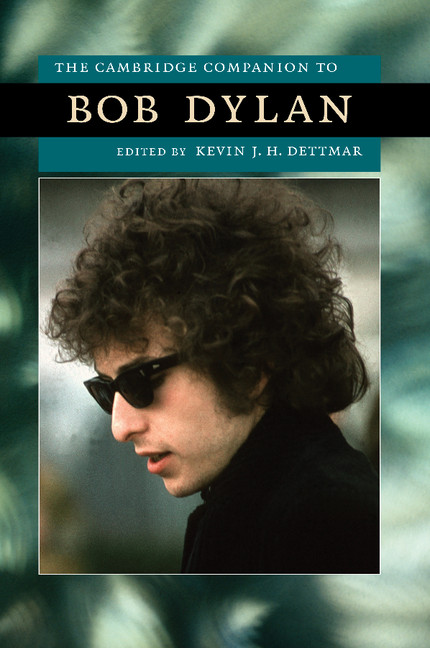
The Cambridge Companion to Bob Dylan
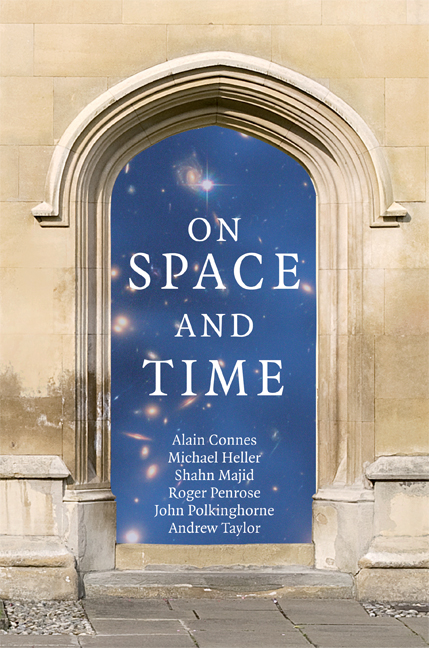
On Space and Time
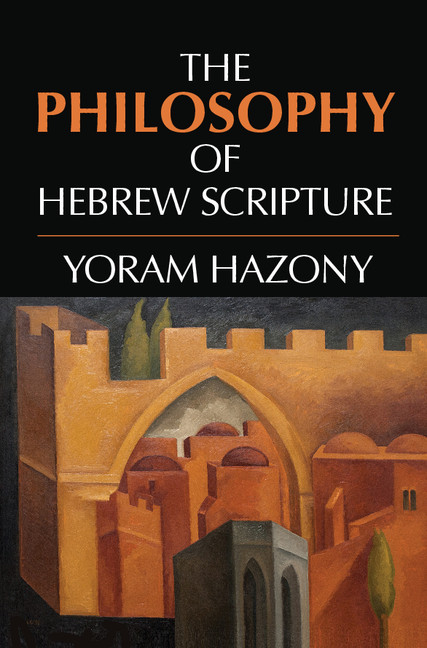
The Philosophy of Hebrew Scripture
On Space and Time
A Dictionary of Bible Plants
Yinyang
Peter Singer and Christian Ethics
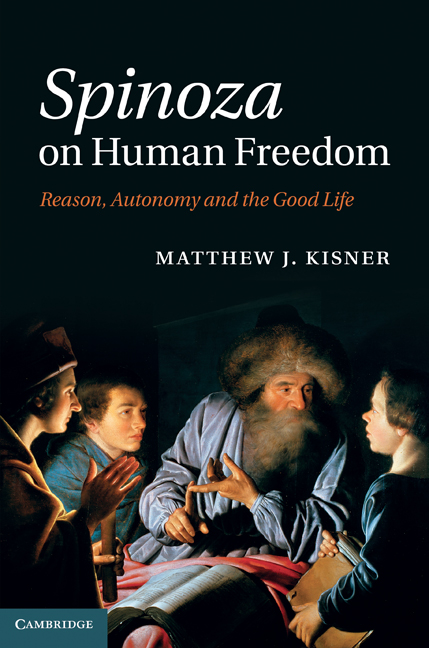
Spinoza on Human Freedom
Against Autonomy
Senior Inbound Marketing Executive
The First French Reformation
Text and Authority in the South African Nazaretha Church
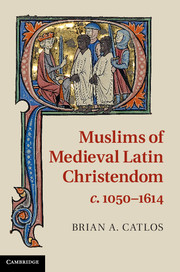
Muslims of Medieval Latin Christendom, c.1050–1614
A Reference Grammar of French
Cambridge University Press Archivist
An Ancient Commentary on the Book of Revelation
Natural Human Rights: A Theory
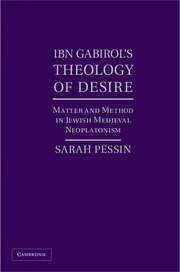
Ibn Gabirol\'s Theology of Desire
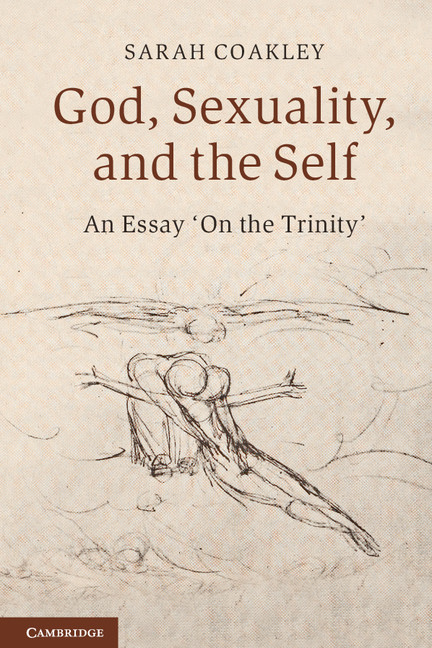
God, Sexuality, and the Self
Schopenhauer and the Aesthetic Standpoint
Interpreting Avicenna: Critical Essays
The Cambridge Companion to Life and Death
Hegel\'s Phenomenology of Spirit
Aquinas on Human Self-Knowledge
The Mystery of the Last Supper
To receive updates on Philosophy & Religion news from Cambridge University Press and Fifteen Eighty Four, please join our email list below. We will not disclose your email address to any third party