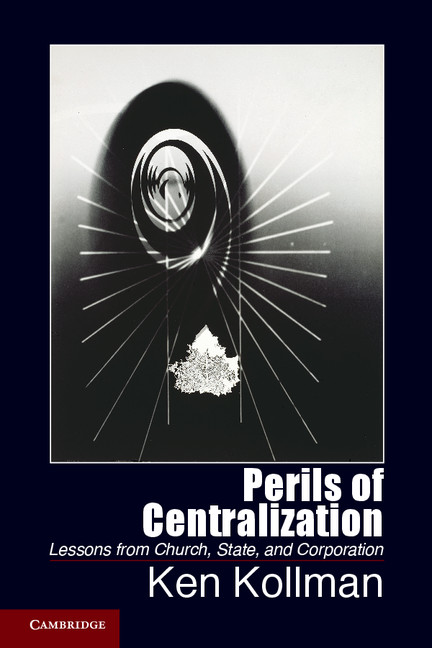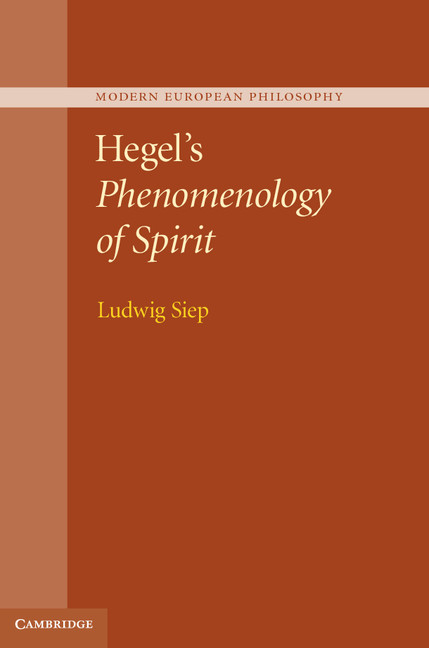
For all its other-worldly reputation, philosophy has always been very good at PR. Already in ancient Greece, philosophers sold their teaching as a way of life that would supposedly make you a better, happier person. One member of the Epicurean sect erected a giant billboard in Oenoanda (South-West Turkey), telling its citizens that adherence to […]
Read MoreIt is almost a cliché that politics is a lot like magic. Even the language we use to describe it, when we talk of ‘dark arts’ and ‘cabals’, implies occult mysteries. Political success often depends not so much on real world events or technical ability but on intangible qualities like charisma, while politics sometimes encourages […]
Read MoreHow do young people learn and embody moral values in multireligious societies? How do Christian and Muslim schools establish and reproduce social inequalities? In my book I argue that faith-oriented schools play an important role not only in negotiating but also producing and reifying socio-religious differences in contemporary, pluralistic societies. My anthropological study focuses on […]
Read MoreZionism is probably among the most discussed and least understood of modern national movements. The literature on it is vast and highly contested. If history is the study of change over time, the rapid transformation of what were highly improbable ideas in the late nineteenth- and early twentieth centuries—such as the establishment of a Jewish […]
Read MoreContemporary analytic philosophy on free will deals with questions such as “How is freedom of the will possible given the causal predetermination of events in the world?” or “How can we justify the claim that we possess freedom of the will?”. Our edition shows that these questions had already been discussed extensively in the early […]
Read MoreIn a rural area, now part of modern Shanghai, a 34th-generation descendant is alleged to have buried the robe and cap of Confucius (Kongzi; 551-479 BCE), over a thousand years after his death. Another thousand years later, highly educated local elites and government officials built a unique shrine for worshiping Confucius in this unlikely place, […]
Read MoreWhat is a medievalist doing writing about the nineteenth century? The Church’s dealings with society stretch out long fingers through the centuries. The Reformation changes created a Church of England in continuity with the Church already in medieval England but now in a new relationship with the state and its legislative authority. The further changes […]

Read MoreOne of these days my book The Epistemology of Reading and Interpretation will appear. I am, of course, pleased with this beautifully covered outcome of a couple of years hard work! The book grew out of something of a puzzle that had struck me many times over. Among epistemologists there is a long-standing discussion about […]
Read MoreFor all its other-worldly reputation, philosophy has always been very good at PR. Already in ancient Greece, philosophers sold their teaching as a way of life that would supposedly make you a better, happier person. One member of the Epicurean sect erected a giant billboard in Oenoanda (South-West Turkey), telling its citizens that adherence to […]
Read MoreIt is almost a cliché that politics is a lot like magic. Even the language we use to describe it, when we talk of ‘dark arts’ and ‘cabals’, implies occult mysteries. Political success often depends not so much on real world events or technical ability but on intangible qualities like charisma, while politics sometimes encourages […]
Read MoreHow do young people learn and embody moral values in multireligious societies? How do Christian and Muslim schools establish and reproduce social inequalities? In my book I argue that faith-oriented schools play an important role not only in negotiating but also producing and reifying socio-religious differences in contemporary, pluralistic societies. My anthropological study focuses on […]
Read MoreZionism is probably among the most discussed and least understood of modern national movements. The literature on it is vast and highly contested. If history is the study of change over time, the rapid transformation of what were highly improbable ideas in the late nineteenth- and early twentieth centuries—such as the establishment of a Jewish […]
Read MoreContemporary analytic philosophy on free will deals with questions such as “How is freedom of the will possible given the causal predetermination of events in the world?” or “How can we justify the claim that we possess freedom of the will?”. Our edition shows that these questions had already been discussed extensively in the early […]
Read MoreIn a rural area, now part of modern Shanghai, a 34th-generation descendant is alleged to have buried the robe and cap of Confucius (Kongzi; 551-479 BCE), over a thousand years after his death. Another thousand years later, highly educated local elites and government officials built a unique shrine for worshiping Confucius in this unlikely place, […]
Read MoreWhat is a medievalist doing writing about the nineteenth century? The Church’s dealings with society stretch out long fingers through the centuries. The Reformation changes created a Church of England in continuity with the Church already in medieval England but now in a new relationship with the state and its legislative authority. The further changes […]
Read MoreOne of these days my book The Epistemology of Reading and Interpretation will appear. I am, of course, pleased with this beautifully covered outcome of a couple of years hard work! The book grew out of something of a puzzle that had struck me many times over. Among epistemologists there is a long-standing discussion about […]
Read MoreKeep up with the latest from Cambridge University Press on our social media accounts.
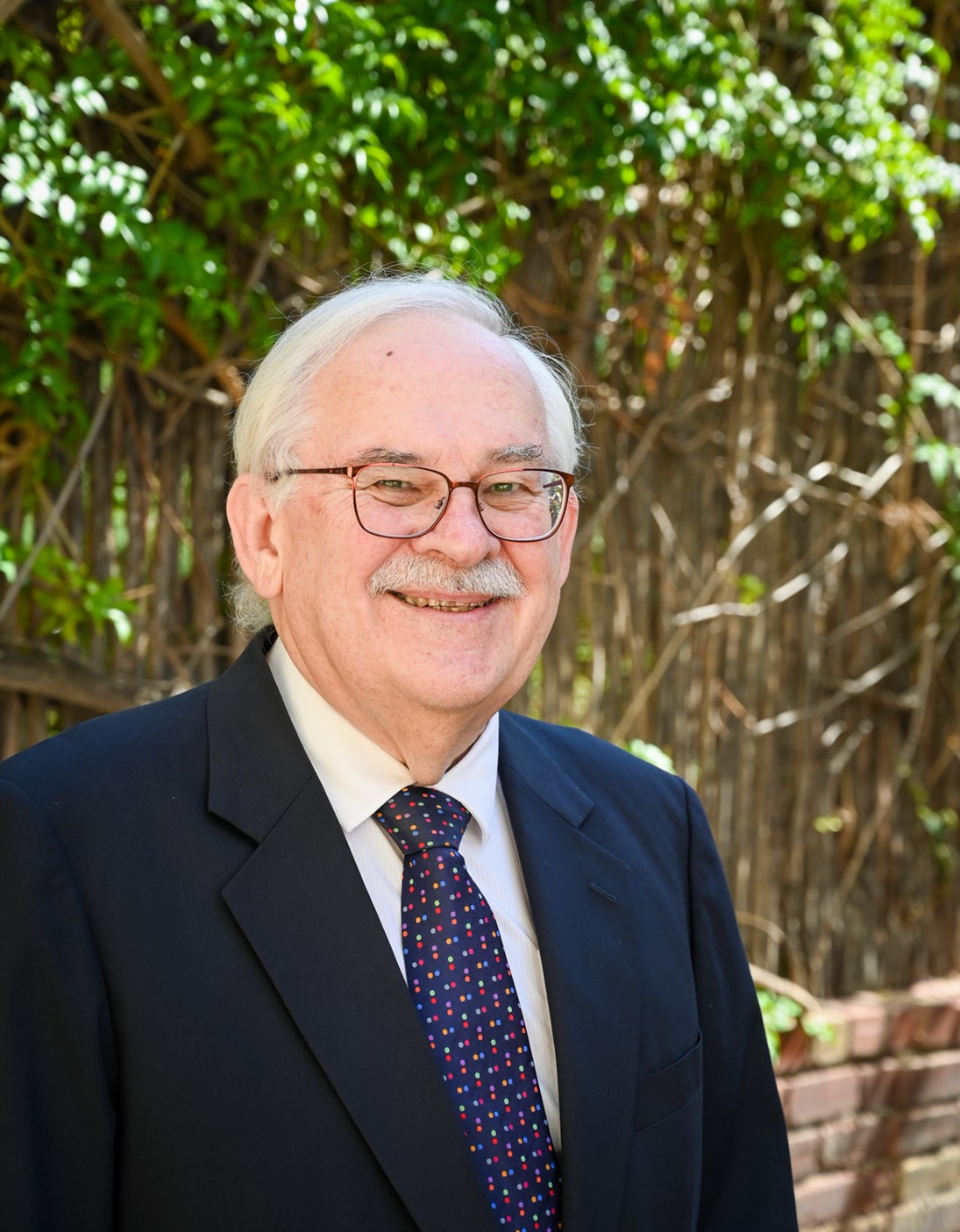
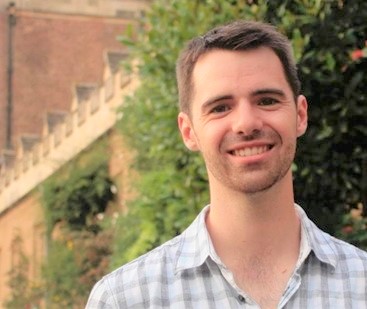
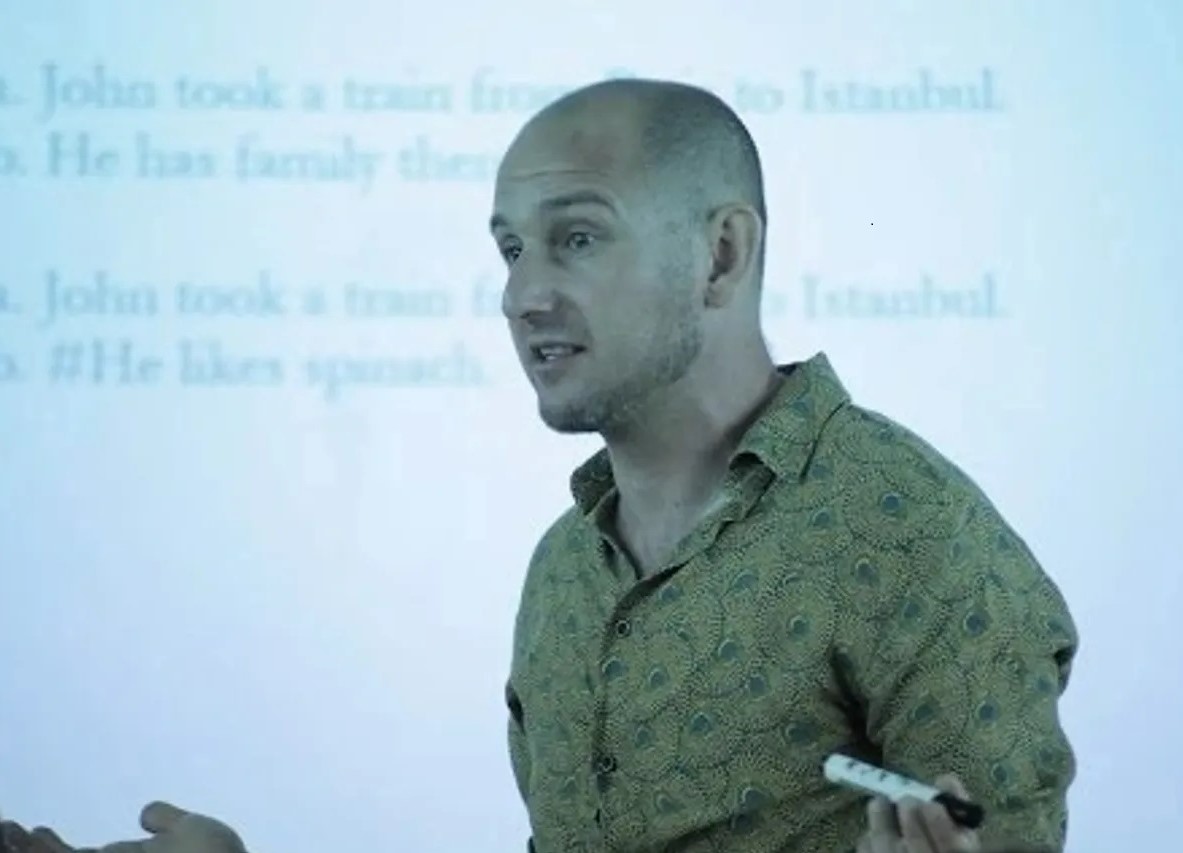
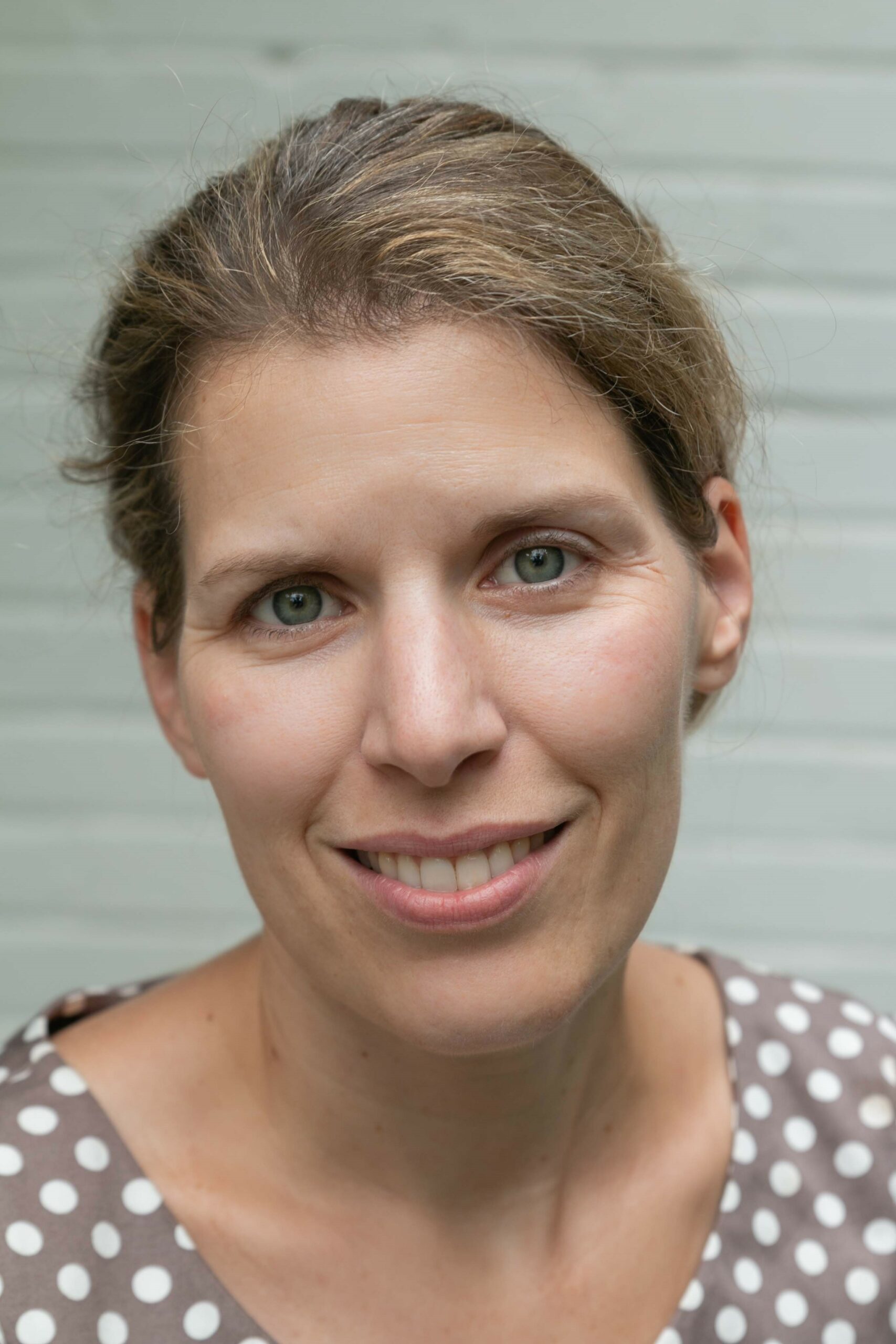
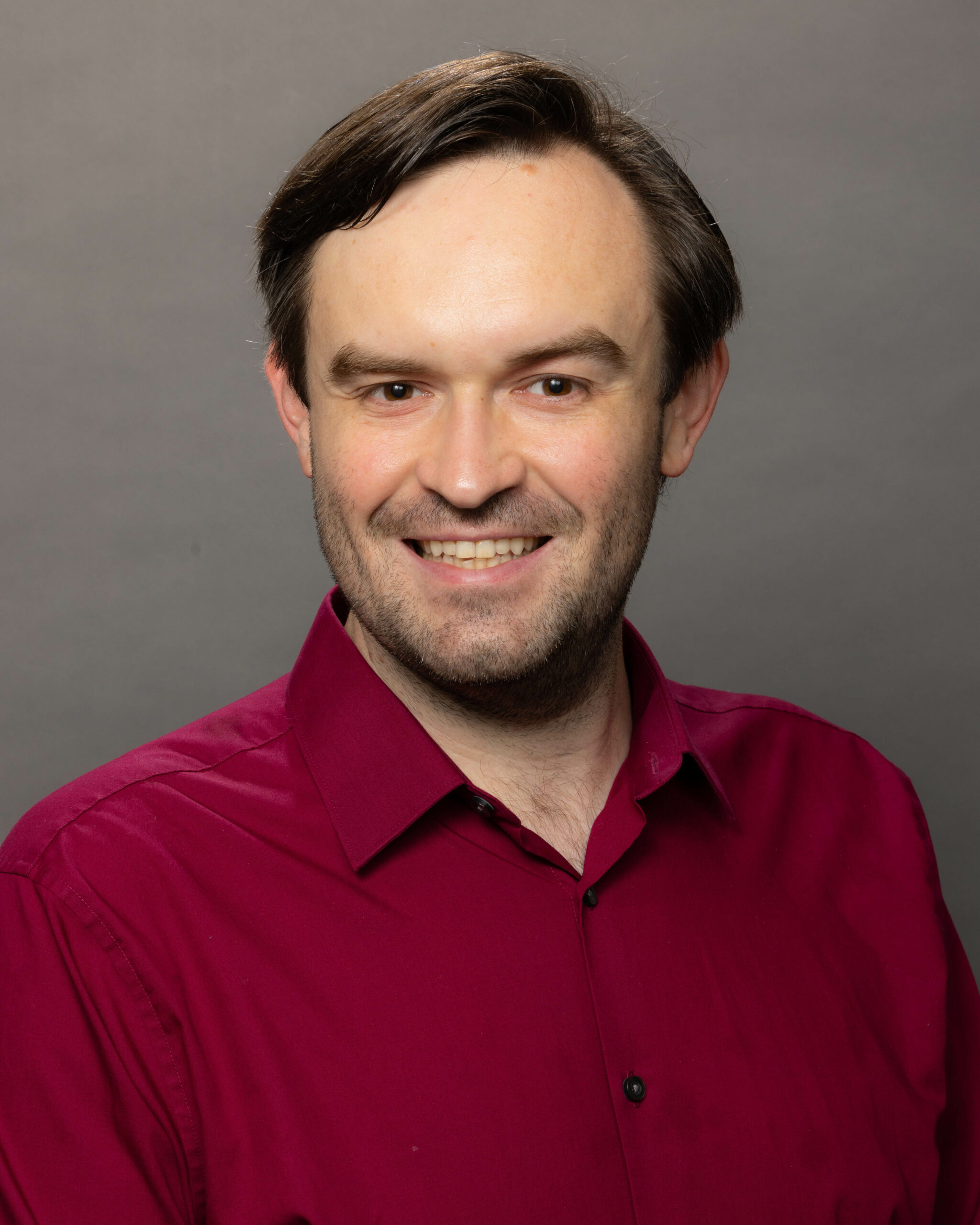
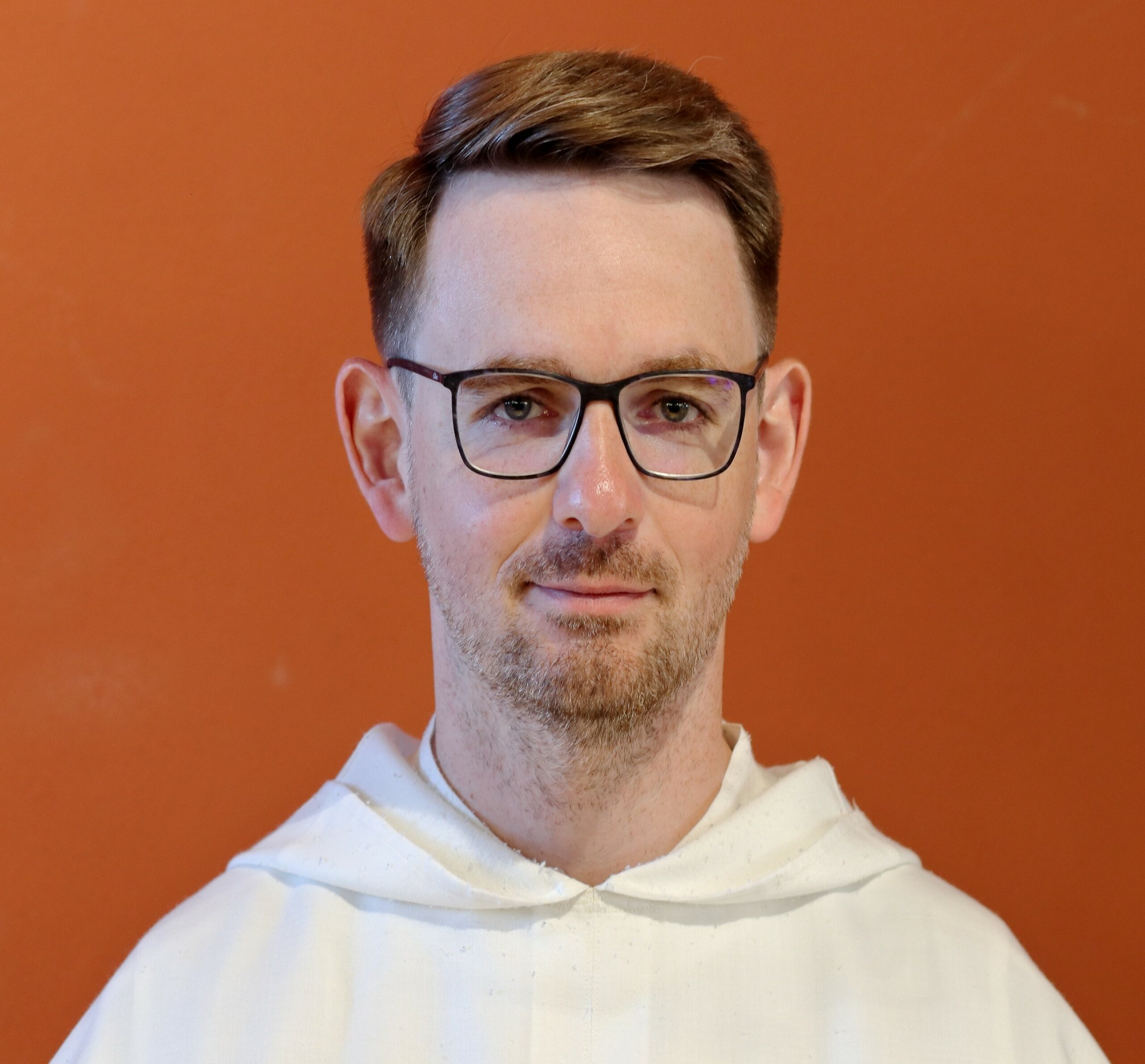
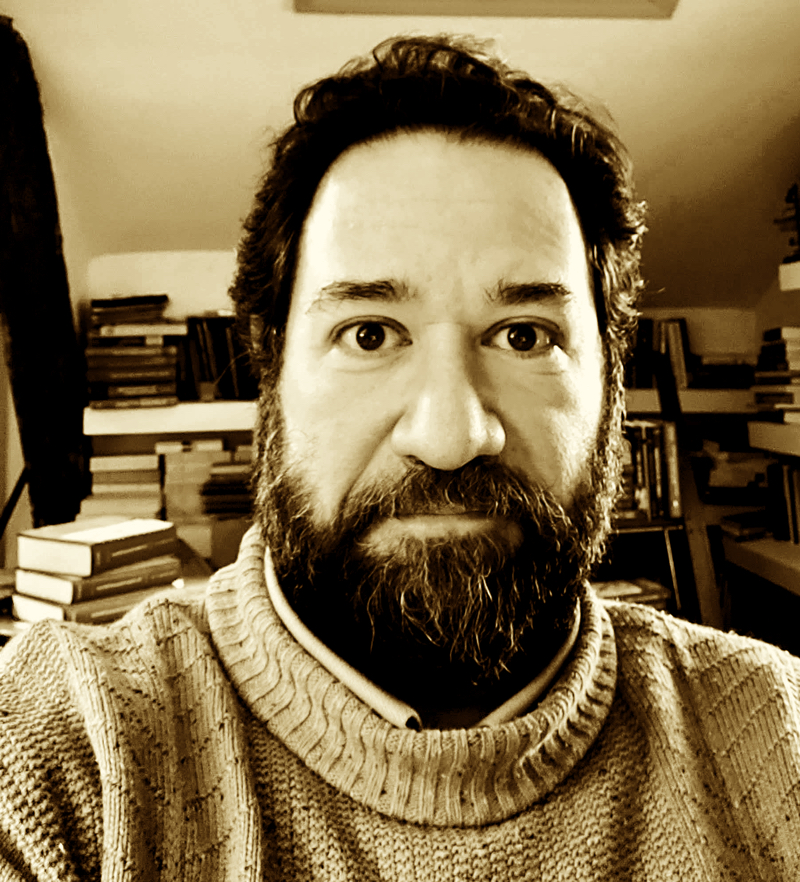
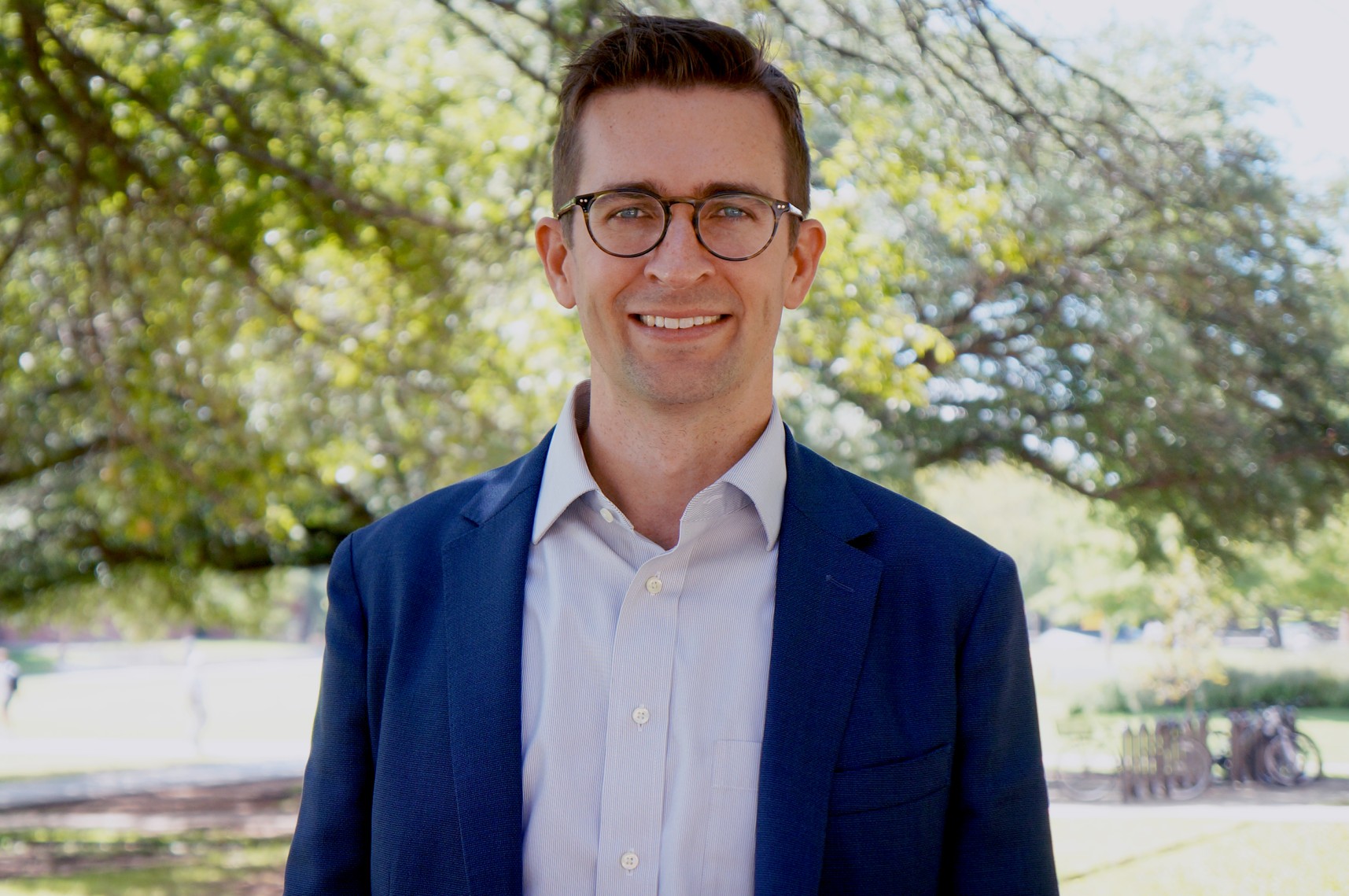
Mariusz Tabaczek, O.P., is a friar preacher, professor of theology, and member of the Thomistic Institute at the Pontifical University of Saint Thomas Aquinas in Rome. He is the author of Emergence: Towards A New Metaphysics and Philosophy of Science (2019), and Divine Action and Emergence: An Alternative to Panentheism (2021).

Jesse Spafford is a Lecturer at the Victoria University of Wellington. His work explores debates between libertarians, socialists, and anarchists over the moral status of the market and the state, and he is the author of a number of articles in journals including Philosophical Studies, Synthese, and the Journal of Ethics and Social Philosophy.
Edwin Mares is Professor of Philosophy at Victoria University of Wellington. His publications include Relevant Logic: A Philosophical Interpretation (Cambridge, 2004).
Mark Scarlata is Senior Lecturer in Old Testament at St Mellitus College, London. He is also the vicar-chaplain at St. Edward, King and Martyr, Cambridge and the director of the St. Edward\'s Institute for Christian Thought.
Randall Smith is Full Professor in the Department of Theology at the University of St. Thomas, Houston. He is the author of five books, among them Aquinas, Bonaventure and the Scholastic Culture of Medieval Paris (Cambridge, 2021).
Peter Carruthers is Distinguished University Professor of Philosophy at the University of Maryland. His publications include Human and Animal Minds (2019) and Human Motives: Hedonism, Altruism, and the Science of Affect (2024).
David Merritt author of A Philosophical Approach to MOND
Simon Friederich, author of Multiverse Theories: A Philosophical PerspectiveRijksuniversiteit Groningen, The Netherlands
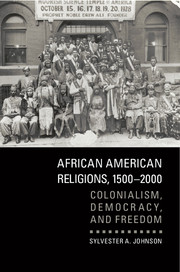
African American Religions, 1500–2000
Roy W. Perrett, University of Melbourne
Helen Wilcox, Professor of English at Bangor University
Magna Carta, Religion and the Rule of Law
Free Trade and Faithful Globalization
Author of The Late Sigmund Freud
Damon Mayrl is Assistant Professor of Sociology at Universidad Carlos III de Madrid.
https://www.cambridgeblog.org/wp-content/uploads/2017/03/Lorna-Finlayson-photograph.jpg
The Philosophy of Human Evolution
Descartes on Forms and Mechanisms
Forgiveness: a Philosophical Exploration
Evolution, Creationism, and the Battle to Control America\'s Classrooms
Plato and the Talmud
Evolution, Creationism, and the Battle to Control America\\\\\\\'s Classrooms
Constitutional Illusions and Anchoring Truths
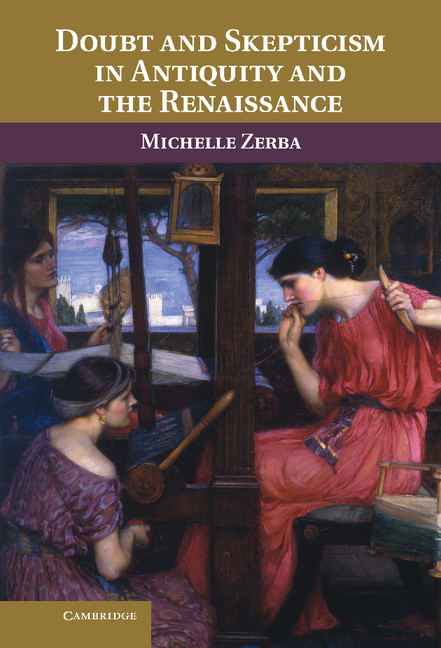
Doubt and Skepticism in Antiquity and the Renaissance
I Was Wrong
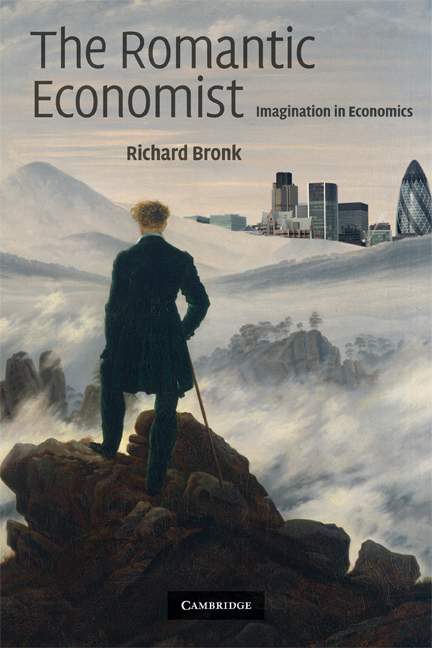
The Romantic Economist
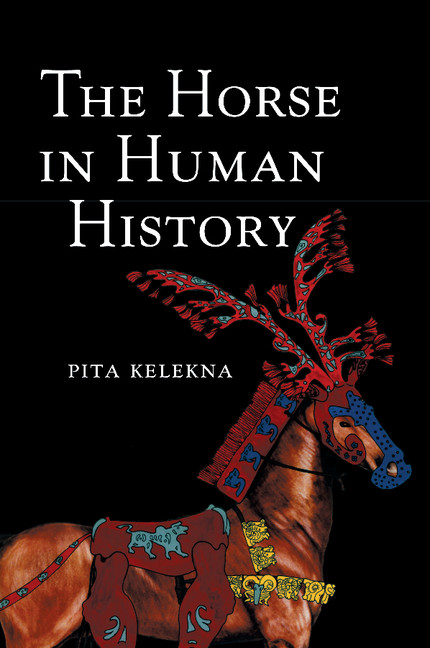
The Horse in Human History
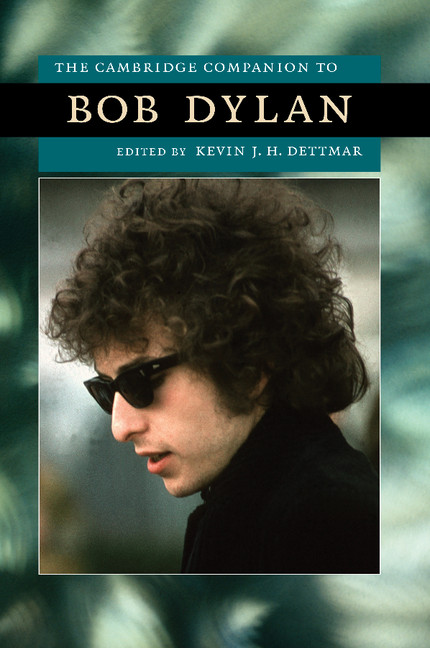
The Cambridge Companion to Bob Dylan
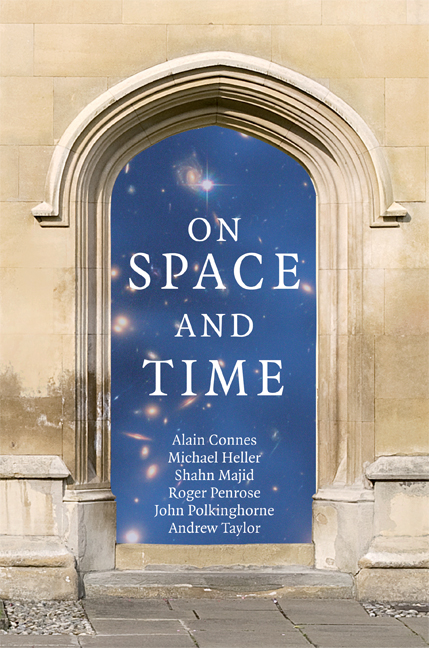
On Space and Time
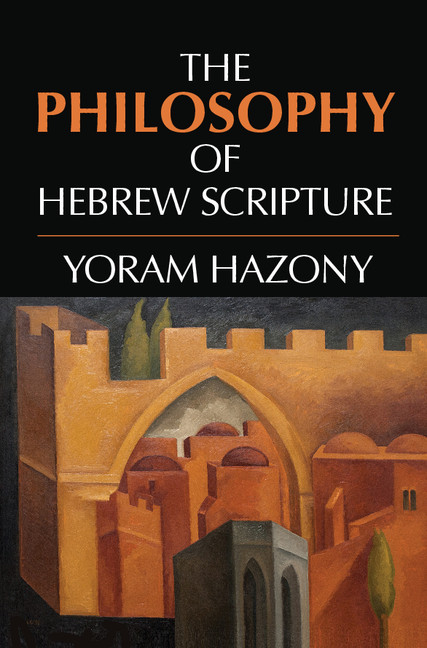
The Philosophy of Hebrew Scripture
On Space and Time
A Dictionary of Bible Plants
Yinyang
Peter Singer and Christian Ethics
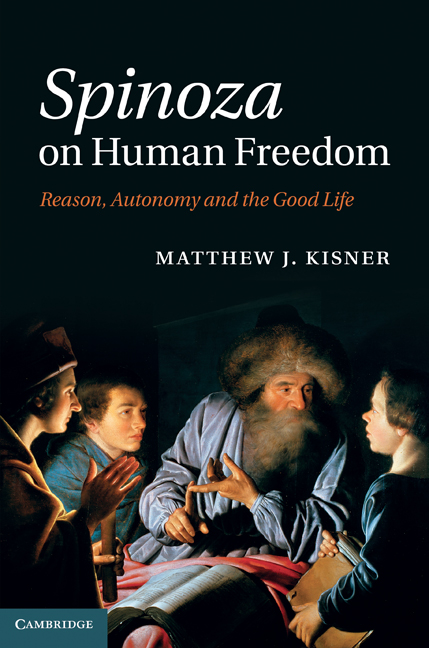
Spinoza on Human Freedom
Against Autonomy
Senior Inbound Marketing Executive
The First French Reformation
Text and Authority in the South African Nazaretha Church
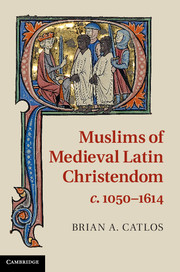
Muslims of Medieval Latin Christendom, c.1050–1614
A Reference Grammar of French
Cambridge University Press Archivist
An Ancient Commentary on the Book of Revelation
Natural Human Rights: A Theory
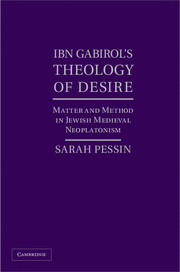
Ibn Gabirol\'s Theology of Desire
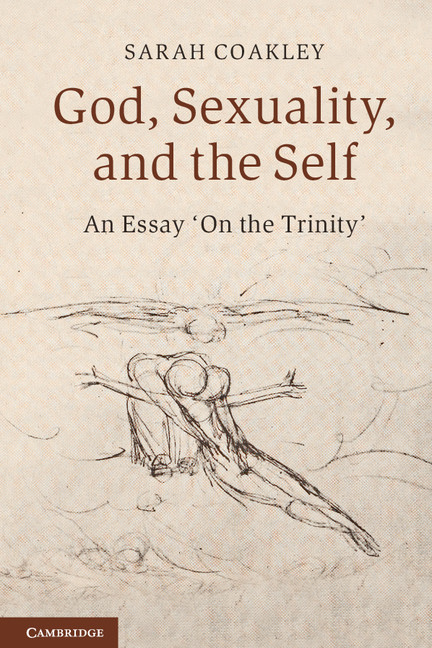
God, Sexuality, and the Self
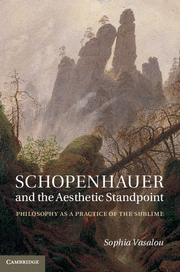
Schopenhauer and the Aesthetic Standpoint
Interpreting Avicenna: Critical Essays
The Cambridge Companion to Life and Death
Hegel\'s Phenomenology of Spirit
Aquinas on Human Self-Knowledge
The Mystery of the Last Supper
To receive updates on Philosophy & Religion news from Cambridge University Press and Fifteen Eighty Four, please join our email list below. We will not disclose your email address to any third party