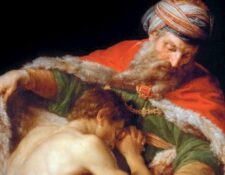
What is the center of the apostle Paul’s message of good news about God? According to this book, it is something God did and continues to do through Jesus Christ. It is divine self-giving for the benefit of humans, and Paul thinks of it as a divine self-sacrifice to be received with reciprocity by humans. […]
Read MoreOur everyday experience of the world reveals that the things around us are constantly changing. As I look out my window, I notice that the grass outside has grown taller, the green raspberries have ripened into larger red berries, and the metal fence posts are beginning to rust. It is apparent that the material world […]
Read MoreIn the opening to The Decameron (c. 1350), Boccaccio described how the ten young people who would become storytellers in his book met in a Florentine church during the height of the Black Death: “it chanced […] that there foregathered in the venerable church of Santa Maria Novella, one Tuesday morning when there was well-nigh […]
Read MoreAnyone who travels through the adjacent countries of Belgium and the Netherlands today immediately sees the contrast: Belgium is full of resplendent, lavishly decorated Catholic churches, while its neighbor to the immediate north is home to sober, whitewashed Protestant houses of worship. Two very divergent religious cultures are at work here. The two countries’ close […]
Read MoreIn an incident which has become notorious in philosophical circles, in 1956 a young philosopher by the name of Elizabeth Anscombe protested the awarding of an honorary degree by Oxford to former US President Harry S. Truman. “It is possible still to withdraw from this shameful business in some slight degree,” she wrote, “it is […]
Read MoreAntisemitism is on the rise throughout the world, and it increasingly wraps itself in moral indignation, particularly in its anti-Zionist mode, to create the illusion of legitimacy, as it delegitimizes Jewish existence. In the end, the antisemite’s claim is not that all Jews are evil, but rather that all evil is Jewish. And yet the […]

Read MoreHow do Western persons who believe in the reality of the individual self make sense of the Buddhist idea of no-self? How have experiences of travel in Buddhist cultures helped them to do this? How have writers described the ways in which such a journey changed them? These are my guiding questions in Journeys of […]

Read MoreWhen we use the phrase, “the final word on the subject,” we are denoting more than just authoritative writing. An author (wordplay intended) who pens the “final word” on some topic or puzzle is presumed authoritative in an ultimate sense. But in the humanities, is there ever really a “final word”? Words: Ever Penultimate, Never […]
Read MoreWhat is the center of the apostle Paul’s message of good news about God? According to this book, it is something God did and continues to do through Jesus Christ. It is divine self-giving for the benefit of humans, and Paul thinks of it as a divine self-sacrifice to be received with reciprocity by humans. […]
Read MoreOur everyday experience of the world reveals that the things around us are constantly changing. As I look out my window, I notice that the grass outside has grown taller, the green raspberries have ripened into larger red berries, and the metal fence posts are beginning to rust. It is apparent that the material world […]
Read MoreIn the opening to The Decameron (c. 1350), Boccaccio described how the ten young people who would become storytellers in his book met in a Florentine church during the height of the Black Death: “it chanced […] that there foregathered in the venerable church of Santa Maria Novella, one Tuesday morning when there was well-nigh […]
Read MoreAnyone who travels through the adjacent countries of Belgium and the Netherlands today immediately sees the contrast: Belgium is full of resplendent, lavishly decorated Catholic churches, while its neighbor to the immediate north is home to sober, whitewashed Protestant houses of worship. Two very divergent religious cultures are at work here. The two countries’ close […]
Read MoreIn an incident which has become notorious in philosophical circles, in 1956 a young philosopher by the name of Elizabeth Anscombe protested the awarding of an honorary degree by Oxford to former US President Harry S. Truman. “It is possible still to withdraw from this shameful business in some slight degree,” she wrote, “it is […]
Read MoreAntisemitism is on the rise throughout the world, and it increasingly wraps itself in moral indignation, particularly in its anti-Zionist mode, to create the illusion of legitimacy, as it delegitimizes Jewish existence. In the end, the antisemite’s claim is not that all Jews are evil, but rather that all evil is Jewish. And yet the […]
Read MoreHow do Western persons who believe in the reality of the individual self make sense of the Buddhist idea of no-self? How have experiences of travel in Buddhist cultures helped them to do this? How have writers described the ways in which such a journey changed them? These are my guiding questions in Journeys of […]
Read MoreWhen we use the phrase, “the final word on the subject,” we are denoting more than just authoritative writing. An author (wordplay intended) who pens the “final word” on some topic or puzzle is presumed authoritative in an ultimate sense. But in the humanities, is there ever really a “final word”? Words: Ever Penultimate, Never […]
Read MoreKeep up with the latest from Cambridge University Press on our social media accounts.
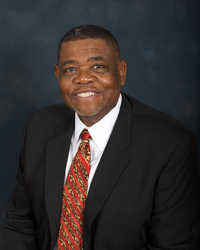
Mariusz Tabaczek, O.P., is a friar preacher, professor of theology, and member of the Thomistic Institute at the Pontifical University of Saint Thomas Aquinas in Rome. He is the author of Emergence: Towards A New Metaphysics and Philosophy of Science (2019), and Divine Action and Emergence: An Alternative to Panentheism (2021).
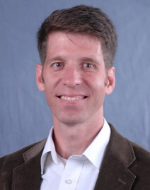
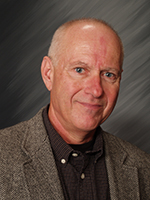
Jesse Spafford is a Lecturer at the Victoria University of Wellington. His work explores debates between libertarians, socialists, and anarchists over the moral status of the market and the state, and he is the author of a number of articles in journals including Philosophical Studies, Synthese, and the Journal of Ethics and Social Philosophy.
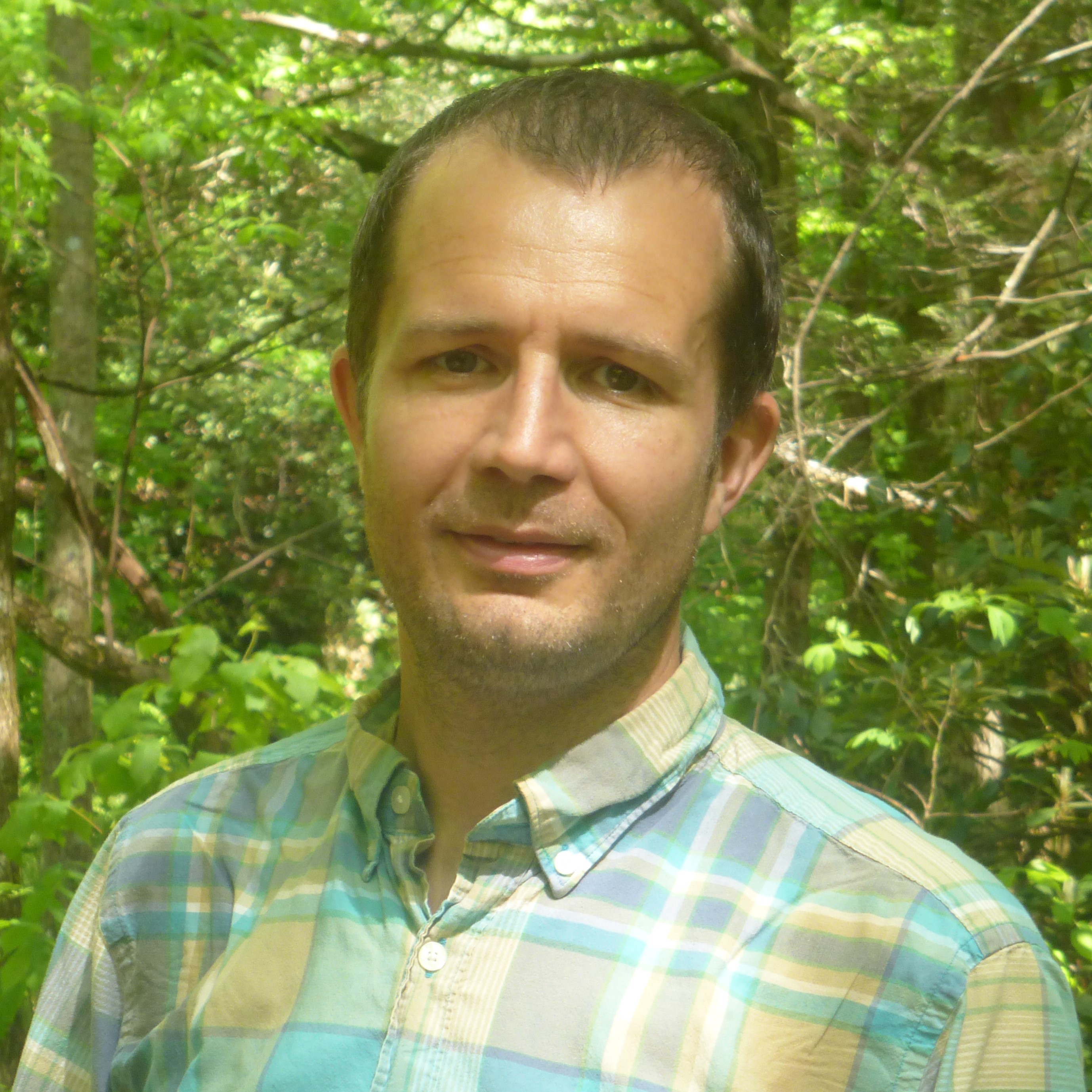
Edwin Mares is Professor of Philosophy at Victoria University of Wellington. His publications include Relevant Logic: A Philosophical Interpretation (Cambridge, 2004).
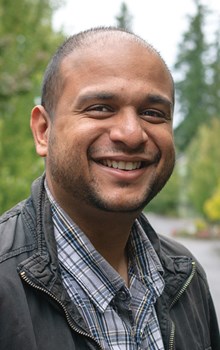
Mark Scarlata is Senior Lecturer in Old Testament at St Mellitus College, London. He is also the vicar-chaplain at St. Edward, King and Martyr, Cambridge and the director of the St. Edward\'s Institute for Christian Thought.
Randall Smith is Full Professor in the Department of Theology at the University of St. Thomas, Houston. He is the author of five books, among them Aquinas, Bonaventure and the Scholastic Culture of Medieval Paris (Cambridge, 2021).
Peter Carruthers is Distinguished University Professor of Philosophy at the University of Maryland. His publications include Human and Animal Minds (2019) and Human Motives: Hedonism, Altruism, and the Science of Affect (2024).
David Merritt author of A Philosophical Approach to MOND
Simon Friederich, author of Multiverse Theories: A Philosophical PerspectiveRijksuniversiteit Groningen, The Netherlands
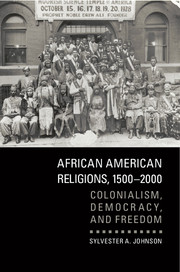
African American Religions, 1500–2000
Roy W. Perrett, University of Melbourne
Helen Wilcox, Professor of English at Bangor University
Magna Carta, Religion and the Rule of Law
Free Trade and Faithful Globalization
Author of The Late Sigmund Freud
Damon Mayrl is Assistant Professor of Sociology at Universidad Carlos III de Madrid.
https://www.cambridgeblog.org/wp-content/uploads/2017/03/Lorna-Finlayson-photograph.jpg
The Philosophy of Human Evolution
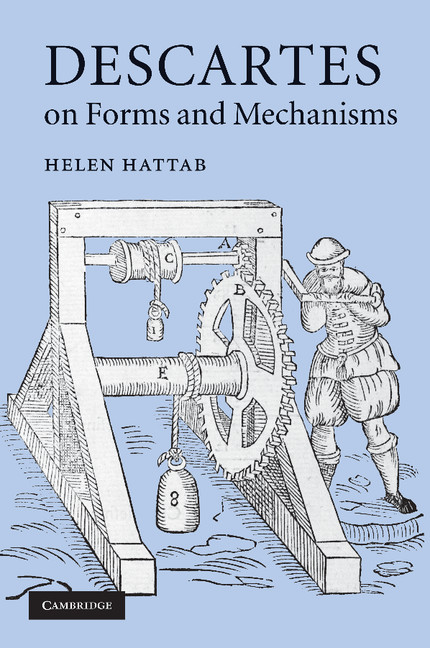
Descartes on Forms and Mechanisms
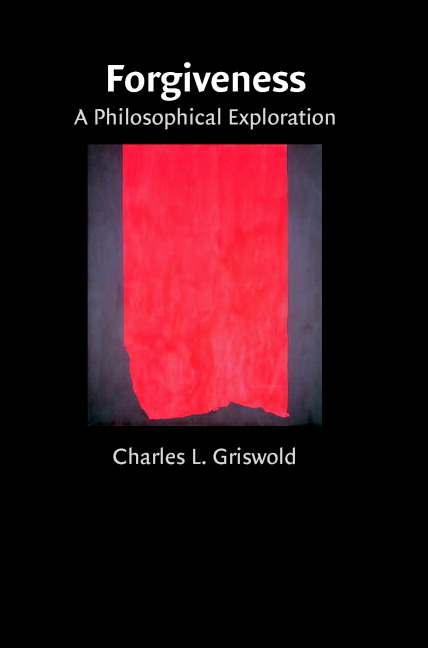
Forgiveness: a Philosophical Exploration
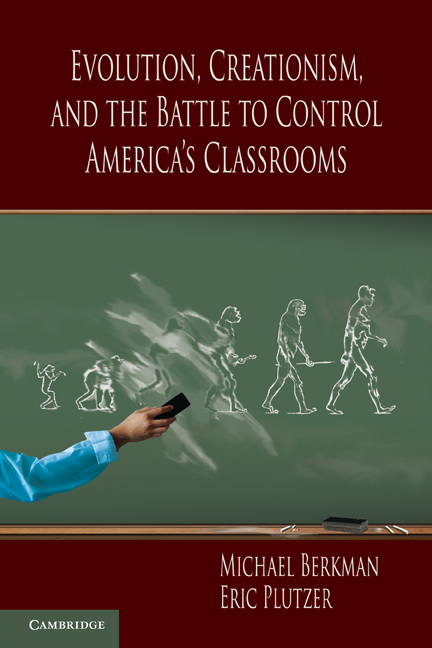
Evolution, Creationism, and the Battle to Control America\'s Classrooms
Plato and the Talmud
Evolution, Creationism, and the Battle to Control America\\\\\\\'s Classrooms
Constitutional Illusions and Anchoring Truths
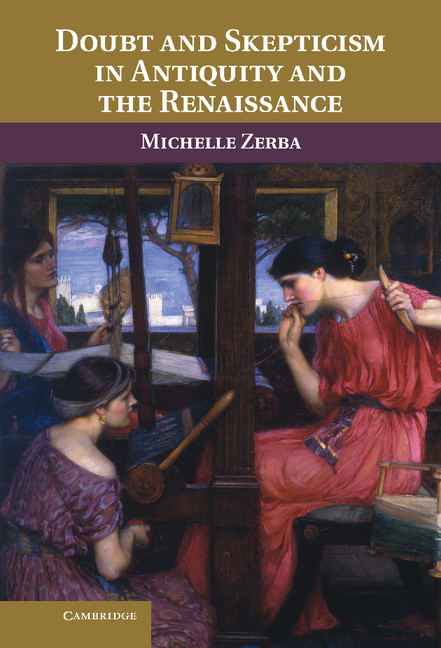
Doubt and Skepticism in Antiquity and the Renaissance
I Was Wrong
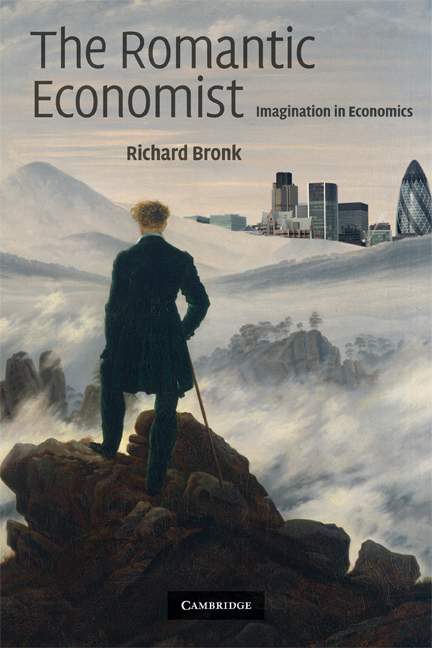
The Romantic Economist
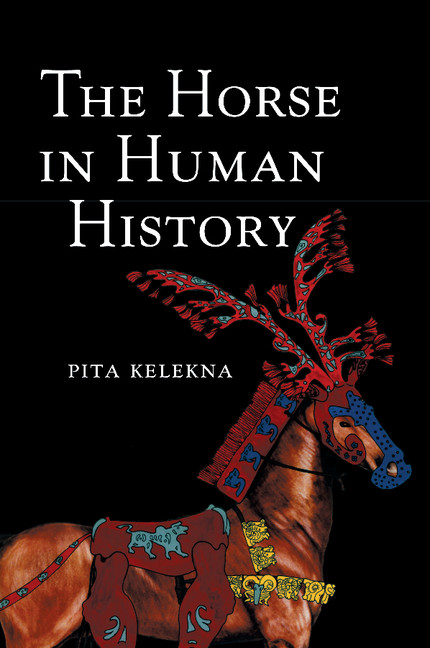
The Horse in Human History
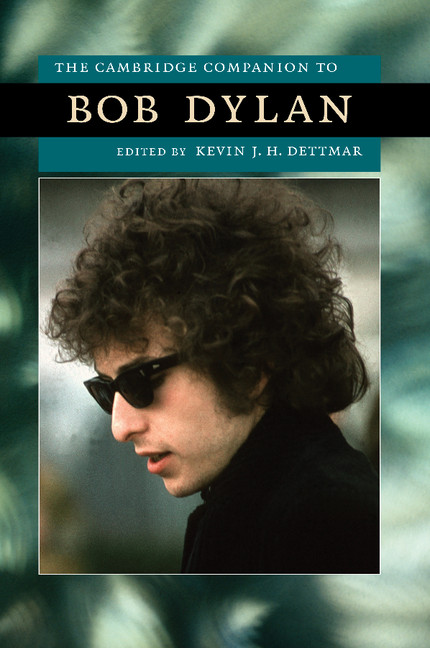
The Cambridge Companion to Bob Dylan
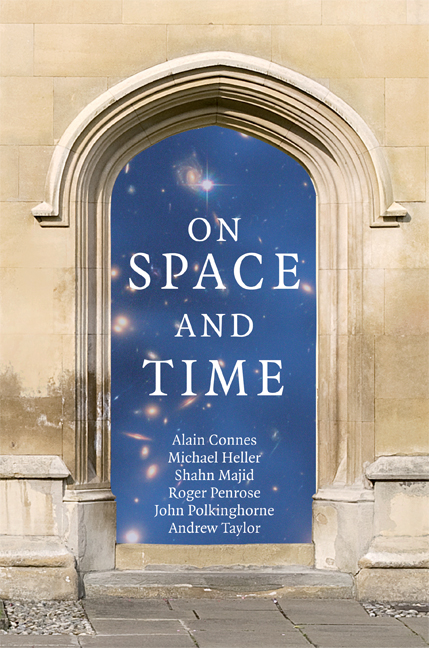
On Space and Time
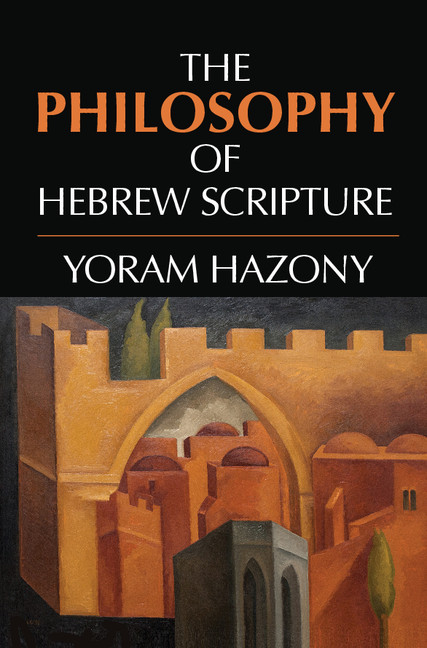
The Philosophy of Hebrew Scripture
On Space and Time
A Dictionary of Bible Plants
Yinyang
Peter Singer and Christian Ethics
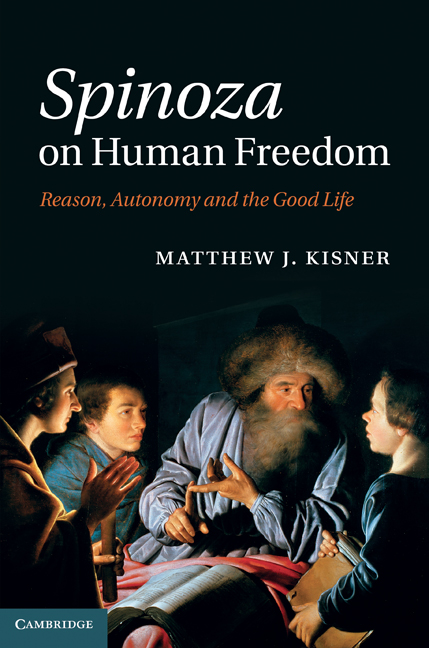
Spinoza on Human Freedom
Against Autonomy
Senior Inbound Marketing Executive
The First French Reformation
Text and Authority in the South African Nazaretha Church
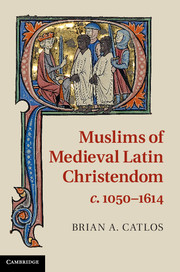
Muslims of Medieval Latin Christendom, c.1050–1614
A Reference Grammar of French
Cambridge University Press Archivist
An Ancient Commentary on the Book of Revelation
Natural Human Rights: A Theory
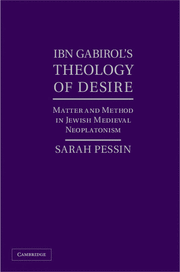
Ibn Gabirol\'s Theology of Desire
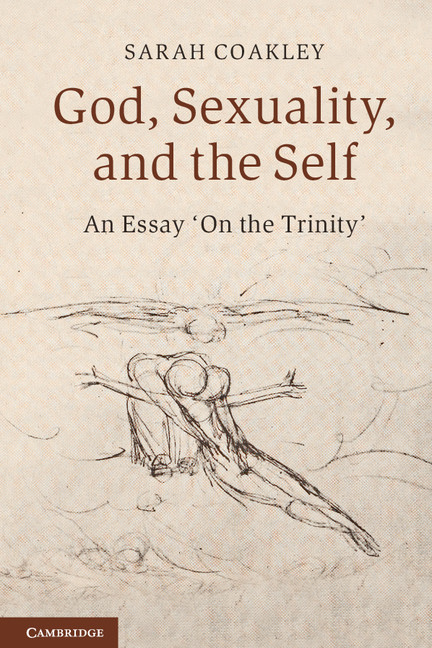
God, Sexuality, and the Self
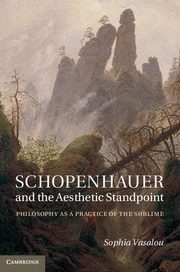
Schopenhauer and the Aesthetic Standpoint
Interpreting Avicenna: Critical Essays
The Cambridge Companion to Life and Death
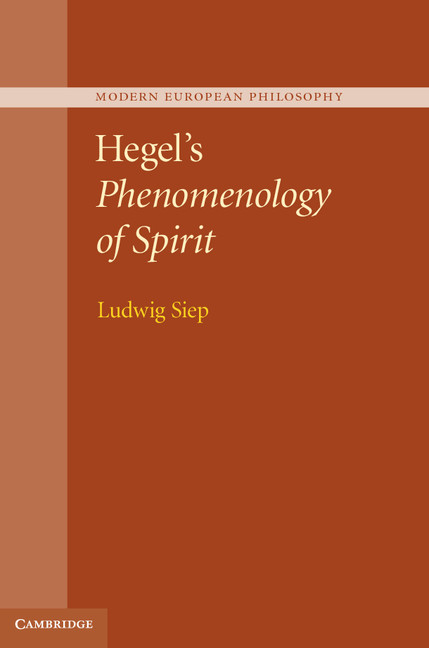
Hegel\'s Phenomenology of Spirit
Aquinas on Human Self-Knowledge
The Mystery of the Last Supper
To receive updates on Philosophy & Religion news from Cambridge University Press and Fifteen Eighty Four, please join our email list below. We will not disclose your email address to any third party