The Muslim community, known as the umma, is meant to be united. The Qur’an, in chapter 29, verse 92, states that “Indeed, this your umma is one umma, and I am your Lord; so worship Me.” Yet Muslims, just like Jews, Christians and other religious groups, divided into various communal divisions quite early in their […]
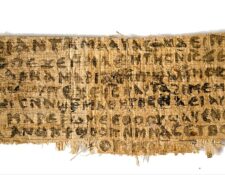
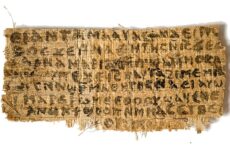
Read MoreOn 18 September 2012, Rome played host to the quadrennial conference of the International Congress of Coptic Studies. On the evening of that day, the Harvard-based feminist historian Karen King (1054-) delivered a paper bearing the seemingly harmless title ‘A New Coptic Fragment.’ King announced the discovery of a fragment of papyrus that came, she […]
Read MoreWhoever you are reading this, however rich, powerful, educated, knowledgeable, successful, or otherwise, one thing is certain: you are limited. Your wealth, success, knowledge, power, and education are finite. Your life is finite. Your time is finite. Your physical ability is finite. Everything about you is finite. Does this frustrate you? Sadden you? Upset you? […]

Read MoreIt is commonly believed that to attain knowledge, one should always be ready to replace one’s previously held convictions with beliefs that appear to be supported by more evidence. I call this view mere epistemology. It seems incorrigible, which is why it is usually taken for granted by practitioners in every field as well as […]

Read MoreA PROMISE THAT IS AT ONCE A CHALLENGE Gene editing offers great promise to reduce human misery and facilitate human health: to combat virus infectious diseases; to correct monogenic disorders in pluripotent cells; to program cells for regenerative medicine and cancer immunotherapy; to prevent parents’ transmitting serious genetic diseases to offspring; to correct mutations in […]
Read MoreThe book of Ezekiel speaks to a group of deportees taken to Babylonia in 597 BCE, where they were resettled in the ancient equivalent of a rural refugee camp. The book depicts a community made up largely of former residents from Jerusalem, which Ezekiel overwhelmingly calls ‘Israel’. The book is in many ways a strange […]
Read MoreDeficit discourses assume that someone has a problem, or deficit, which needs to be mitigated. For example, deficit discourses might paint new students starting at university as lacking in the knowledge and skills they need to succeed in their degrees – or as empty vessels which need to be filled up by those responsible for […]

Read MoreIn my last book, Luther, Conflict, and Christendom, which Cambridge published in 2018, I tried to find an organic way to understand the effects of context and circumstance on one of the great defining controversies of European religion, the conflict over Martin Luther. There never had been a condemned heretic who did as well as […]
Read MoreThe Muslim community, known as the umma, is meant to be united. The Qur’an, in chapter 29, verse 92, states that “Indeed, this your umma is one umma, and I am your Lord; so worship Me.” Yet Muslims, just like Jews, Christians and other religious groups, divided into various communal divisions quite early in their […]
Read MoreOn 18 September 2012, Rome played host to the quadrennial conference of the International Congress of Coptic Studies. On the evening of that day, the Harvard-based feminist historian Karen King (1054-) delivered a paper bearing the seemingly harmless title ‘A New Coptic Fragment.’ King announced the discovery of a fragment of papyrus that came, she […]
Read MoreWhoever you are reading this, however rich, powerful, educated, knowledgeable, successful, or otherwise, one thing is certain: you are limited. Your wealth, success, knowledge, power, and education are finite. Your life is finite. Your time is finite. Your physical ability is finite. Everything about you is finite. Does this frustrate you? Sadden you? Upset you? […]
Read MoreIt is commonly believed that to attain knowledge, one should always be ready to replace one’s previously held convictions with beliefs that appear to be supported by more evidence. I call this view mere epistemology. It seems incorrigible, which is why it is usually taken for granted by practitioners in every field as well as […]
Read MoreA PROMISE THAT IS AT ONCE A CHALLENGE Gene editing offers great promise to reduce human misery and facilitate human health: to combat virus infectious diseases; to correct monogenic disorders in pluripotent cells; to program cells for regenerative medicine and cancer immunotherapy; to prevent parents’ transmitting serious genetic diseases to offspring; to correct mutations in […]
Read MoreThe book of Ezekiel speaks to a group of deportees taken to Babylonia in 597 BCE, where they were resettled in the ancient equivalent of a rural refugee camp. The book depicts a community made up largely of former residents from Jerusalem, which Ezekiel overwhelmingly calls ‘Israel’. The book is in many ways a strange […]
Read MoreDeficit discourses assume that someone has a problem, or deficit, which needs to be mitigated. For example, deficit discourses might paint new students starting at university as lacking in the knowledge and skills they need to succeed in their degrees – or as empty vessels which need to be filled up by those responsible for […]
Read MoreIn my last book, Luther, Conflict, and Christendom, which Cambridge published in 2018, I tried to find an organic way to understand the effects of context and circumstance on one of the great defining controversies of European religion, the conflict over Martin Luther. There never had been a condemned heretic who did as well as […]
Read MoreKeep up with the latest from Cambridge University Press on our social media accounts.
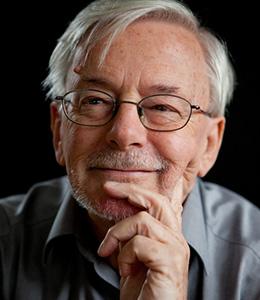
Mariusz Tabaczek, O.P., is a friar preacher, professor of theology, and member of the Thomistic Institute at the Pontifical University of Saint Thomas Aquinas in Rome. He is the author of Emergence: Towards A New Metaphysics and Philosophy of Science (2019), and Divine Action and Emergence: An Alternative to Panentheism (2021).

Jesse Spafford is a Lecturer at the Victoria University of Wellington. His work explores debates between libertarians, socialists, and anarchists over the moral status of the market and the state, and he is the author of a number of articles in journals including Philosophical Studies, Synthese, and the Journal of Ethics and Social Philosophy.
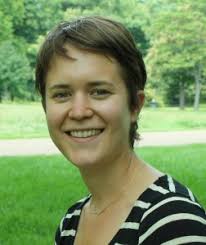
Edwin Mares is Professor of Philosophy at Victoria University of Wellington. His publications include Relevant Logic: A Philosophical Interpretation (Cambridge, 2004).
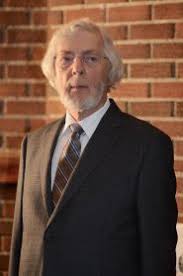
Mark Scarlata is Senior Lecturer in Old Testament at St Mellitus College, London. He is also the vicar-chaplain at St. Edward, King and Martyr, Cambridge and the director of the St. Edward\'s Institute for Christian Thought.
Randall Smith is Full Professor in the Department of Theology at the University of St. Thomas, Houston. He is the author of five books, among them Aquinas, Bonaventure and the Scholastic Culture of Medieval Paris (Cambridge, 2021).
Peter Carruthers is Distinguished University Professor of Philosophy at the University of Maryland. His publications include Human and Animal Minds (2019) and Human Motives: Hedonism, Altruism, and the Science of Affect (2024).
David Merritt author of A Philosophical Approach to MOND
Simon Friederich, author of Multiverse Theories: A Philosophical PerspectiveRijksuniversiteit Groningen, The Netherlands
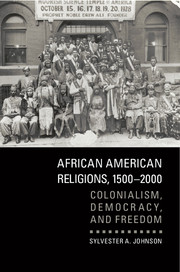
African American Religions, 1500–2000
Roy W. Perrett, University of Melbourne
Helen Wilcox, Professor of English at Bangor University
Magna Carta, Religion and the Rule of Law
Free Trade and Faithful Globalization
Author of The Late Sigmund Freud
Damon Mayrl is Assistant Professor of Sociology at Universidad Carlos III de Madrid.
https://www.cambridgeblog.org/wp-content/uploads/2017/03/Lorna-Finlayson-photograph.jpg
The Philosophy of Human Evolution
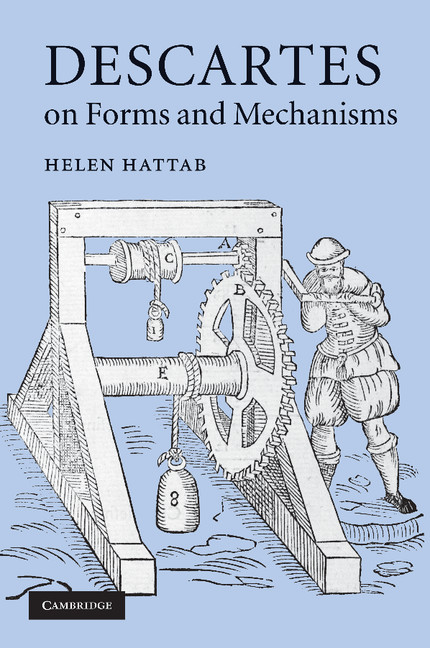
Descartes on Forms and Mechanisms
Forgiveness: a Philosophical Exploration
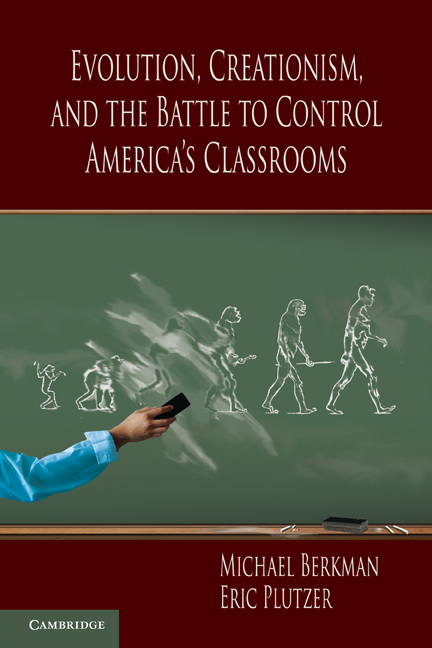
Evolution, Creationism, and the Battle to Control America\'s Classrooms
Plato and the Talmud
Evolution, Creationism, and the Battle to Control America\\\\\\\'s Classrooms
Constitutional Illusions and Anchoring Truths
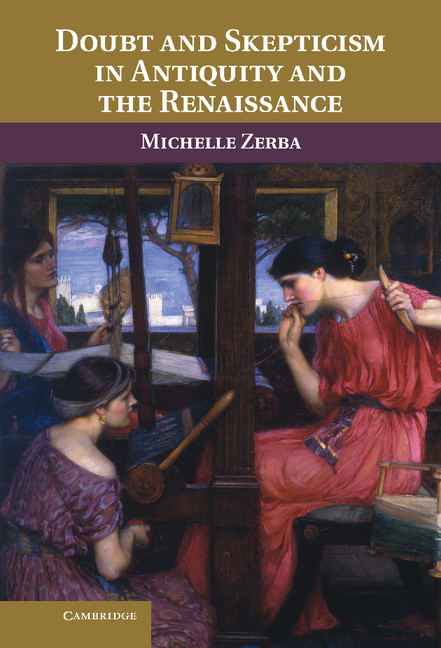
Doubt and Skepticism in Antiquity and the Renaissance
I Was Wrong
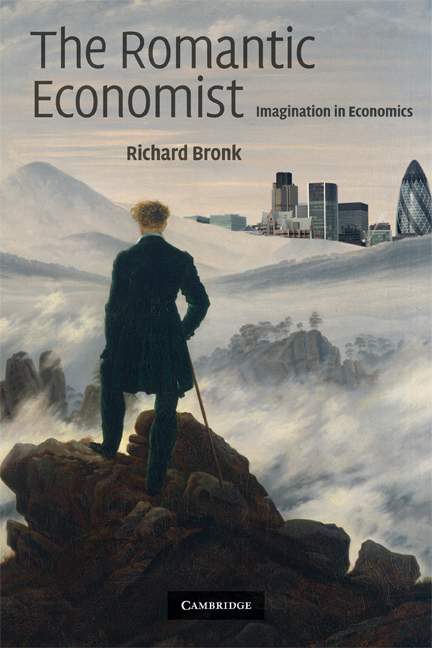
The Romantic Economist
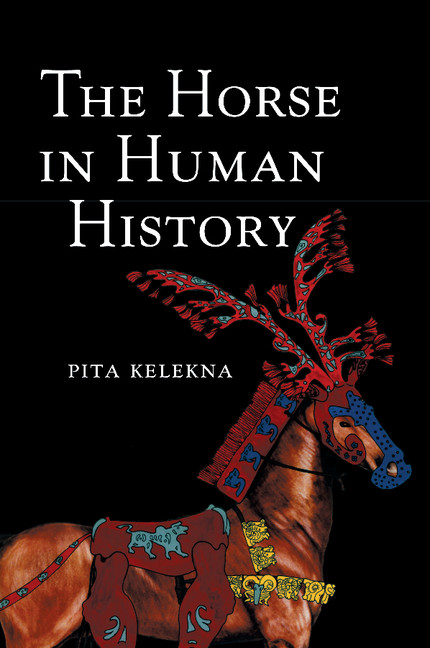
The Horse in Human History
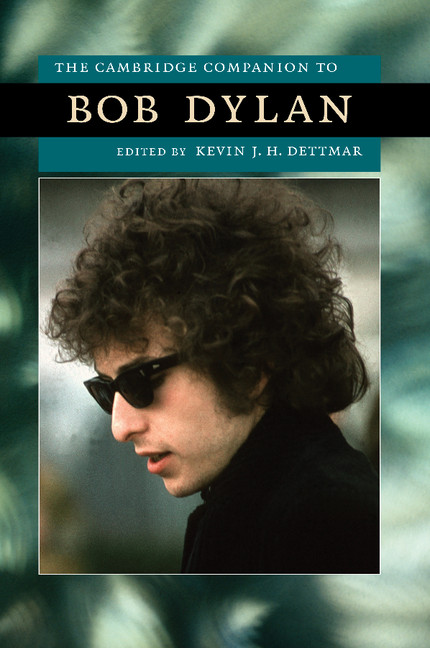
The Cambridge Companion to Bob Dylan
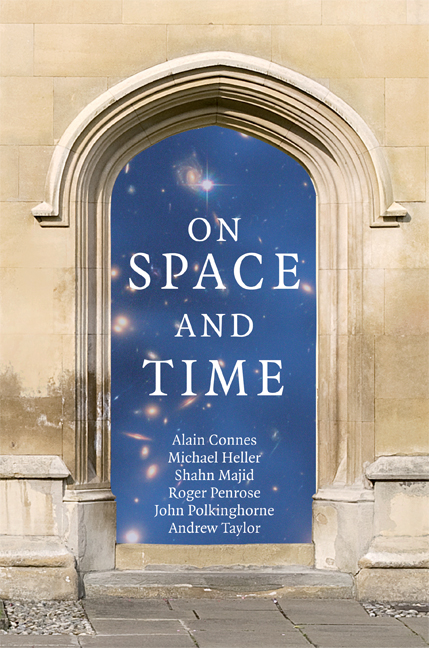
On Space and Time
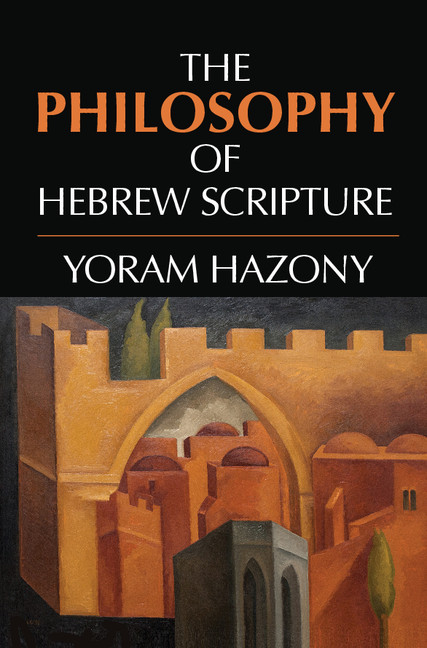
The Philosophy of Hebrew Scripture
On Space and Time
A Dictionary of Bible Plants
Yinyang
Peter Singer and Christian Ethics
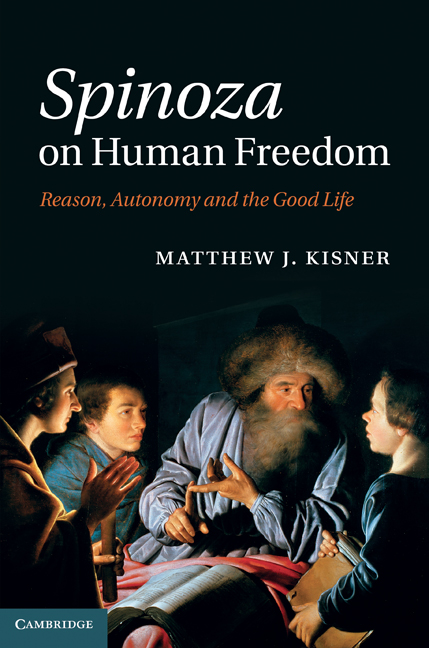
Spinoza on Human Freedom
Against Autonomy
Senior Inbound Marketing Executive
The First French Reformation
Text and Authority in the South African Nazaretha Church
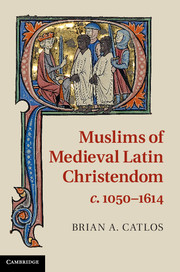
Muslims of Medieval Latin Christendom, c.1050–1614
A Reference Grammar of French
Cambridge University Press Archivist
An Ancient Commentary on the Book of Revelation
Natural Human Rights: A Theory
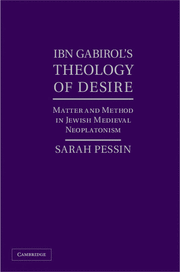
Ibn Gabirol\'s Theology of Desire
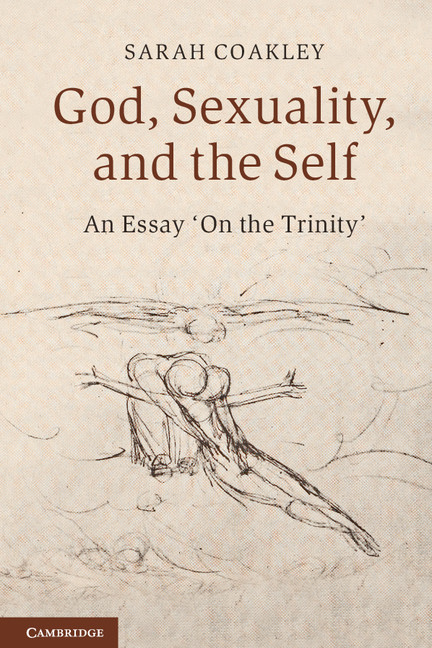
God, Sexuality, and the Self
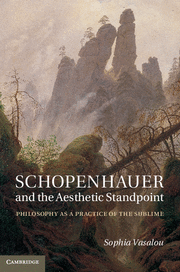
Schopenhauer and the Aesthetic Standpoint
Interpreting Avicenna: Critical Essays
The Cambridge Companion to Life and Death
Hegel\'s Phenomenology of Spirit
Aquinas on Human Self-Knowledge
The Mystery of the Last Supper
To receive updates on Philosophy & Religion news from Cambridge University Press and Fifteen Eighty Four, please join our email list below. We will not disclose your email address to any third party