All scientific fields were born from philosophy. And most were born a long time ago. So long ago that conversations between the philosophic ‘parent’ and the scientific ‘child’ are currently non-existent. For example, it’s rare to see collaborative research that involves a physicist and a metaphysician, and you won’t find a philosopher at a chemistry or […]
Read MoreI get this question a lot—usually just after I tell people that I’ve written a book on sarcasm in the Bible. So, to answer this question for all time: yes, there is sarcasm in the Bible. If there wasn’t, Sarcasm in Paul’s Letters would be a very short, very weird book. I’ve counted over 75 […]
Read MoreThe amount of animal suffering in the world is overwhelming. Luckily, there are effective ways to help. For instance, by transitioning to a plant-based diet, you can save on average 30 animals a month, 365 animals a year, and thousands of animals during your lifetime. To reduce animal suffering, it is crucial to stop doing […]

Read MoreUnfortunately economics has a bad reputation. Its policy prescriptions are often seen as unfair, and its methods based on a world of fanciful assumptions. In its application in the public sector, it is often seen as being entirely focused on cost-cutting, not only trimming fat, but bone too. It is devoid of all humanity, treating […]
Read MoreHuman beings are explanation-seeking creatures. When something happens in our lives or in the world around us, we long for a satisfying understanding of it. That sense of satisfaction usually only emerges when we have figured out the causes responsible for whatever happened, and we have understood the meaning (if one exists) of what took […]
Read MoreBy writing counter-clockwise, beginning from the Medieval Ages moving backwards towards the beginnings of Christianity. Based on the restrospective account that has been introduced by How to write Early Christian History. From Reception to Retrospection (CUP, 2019), and tested by four case studies, the present book studies early Christian historiographers, asking two questions: How did […]
Read MoreArt by Ramūnas Čeponis (Ramunas Ceponis).
Read MoreThe Muslim community, known as the umma, is meant to be united. The Qur’an, in chapter 29, verse 92, states that “Indeed, this your umma is one umma, and I am your Lord; so worship Me.” Yet Muslims, just like Jews, Christians and other religious groups, divided into various communal divisions quite early in their […]
Read MoreAll scientific fields were born from philosophy. And most were born a long time ago. So long ago that conversations between the philosophic ‘parent’ and the scientific ‘child’ are currently non-existent. For example, it’s rare to see collaborative research that involves a physicist and a metaphysician, and you won’t find a philosopher at a chemistry or […]
Read MoreI get this question a lot—usually just after I tell people that I’ve written a book on sarcasm in the Bible. So, to answer this question for all time: yes, there is sarcasm in the Bible. If there wasn’t, Sarcasm in Paul’s Letters would be a very short, very weird book. I’ve counted over 75 […]
Read MoreThe amount of animal suffering in the world is overwhelming. Luckily, there are effective ways to help. For instance, by transitioning to a plant-based diet, you can save on average 30 animals a month, 365 animals a year, and thousands of animals during your lifetime. To reduce animal suffering, it is crucial to stop doing […]
Read MoreUnfortunately economics has a bad reputation. Its policy prescriptions are often seen as unfair, and its methods based on a world of fanciful assumptions. In its application in the public sector, it is often seen as being entirely focused on cost-cutting, not only trimming fat, but bone too. It is devoid of all humanity, treating […]
Read MoreHuman beings are explanation-seeking creatures. When something happens in our lives or in the world around us, we long for a satisfying understanding of it. That sense of satisfaction usually only emerges when we have figured out the causes responsible for whatever happened, and we have understood the meaning (if one exists) of what took […]
Read MoreBy writing counter-clockwise, beginning from the Medieval Ages moving backwards towards the beginnings of Christianity. Based on the restrospective account that has been introduced by How to write Early Christian History. From Reception to Retrospection (CUP, 2019), and tested by four case studies, the present book studies early Christian historiographers, asking two questions: How did […]
Read MoreArt by Ramūnas Čeponis (Ramunas Ceponis)....
Read MoreThe Muslim community, known as the umma, is meant to be united. The Qur’an, in chapter 29, verse 92, states that “Indeed, this your umma is one umma, and I am your Lord; so worship Me.” Yet Muslims, just like Jews, Christians and other religious groups, divided into various communal divisions quite early in their […]
Read MoreKeep up with the latest from Cambridge University Press on our social media accounts.
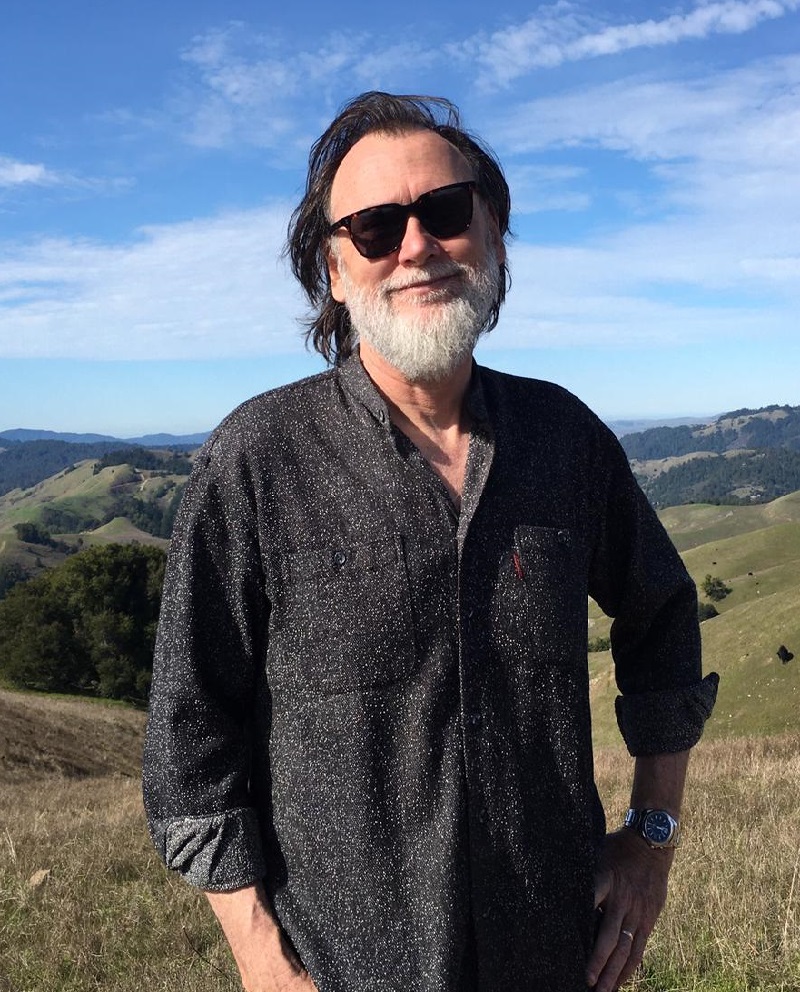
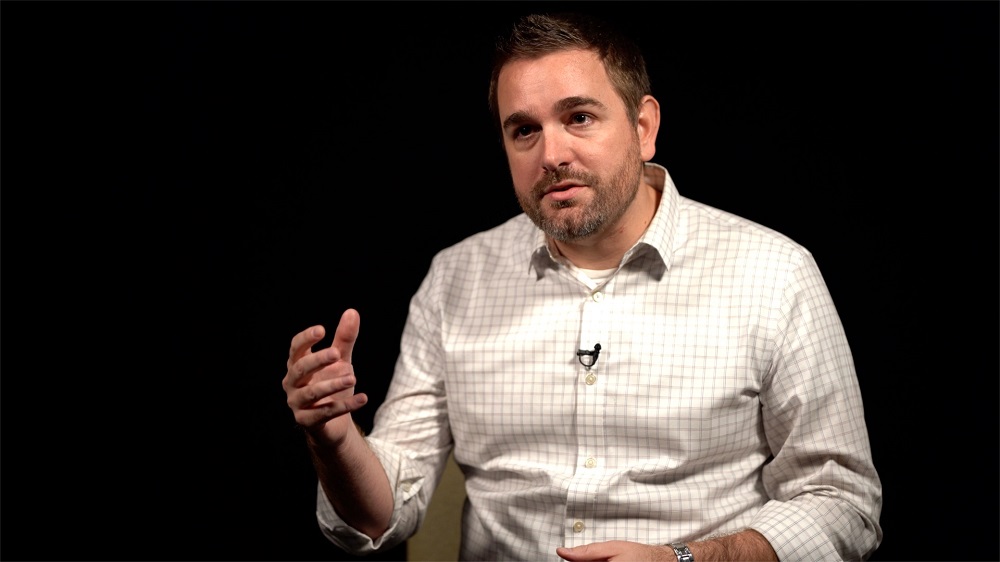
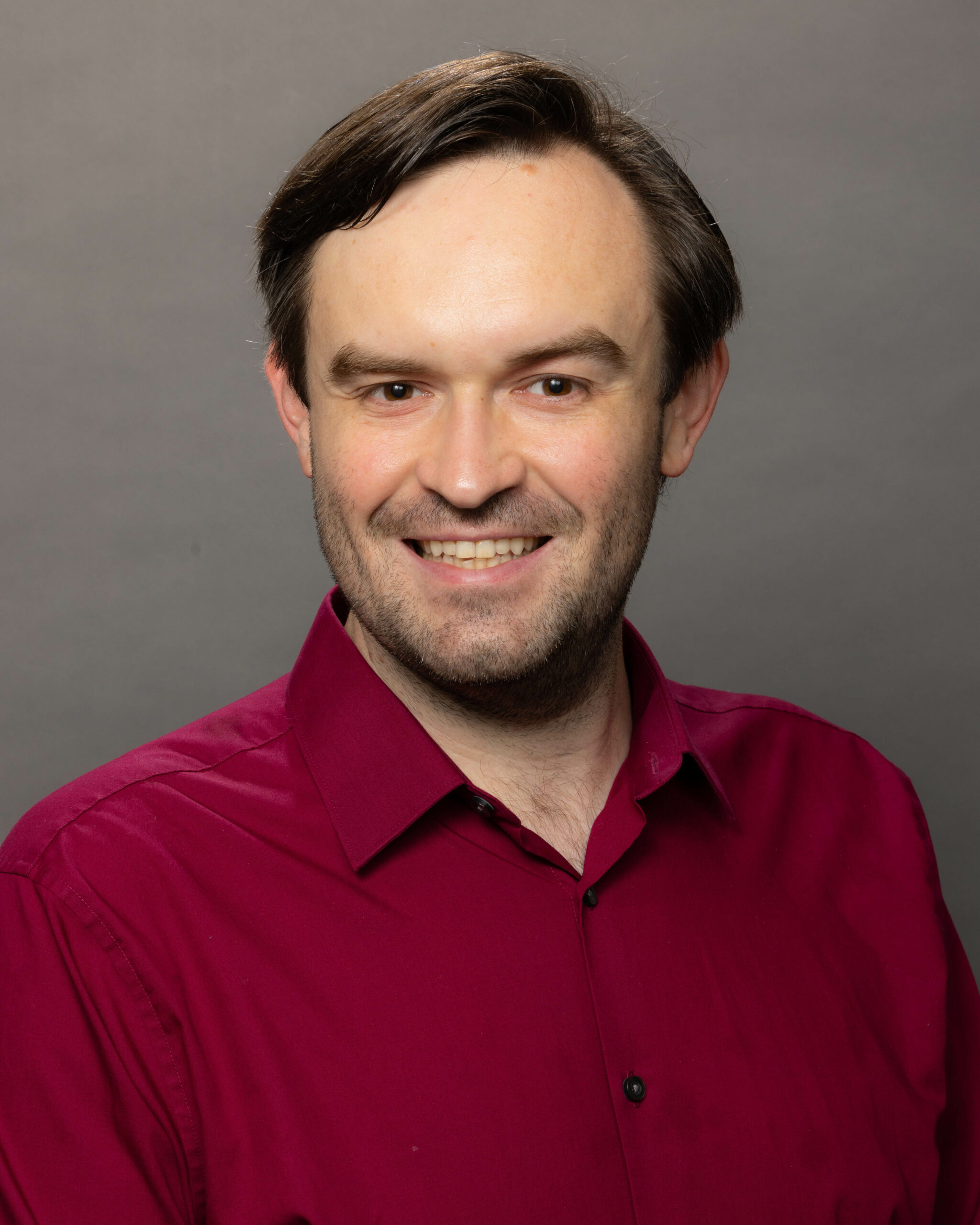
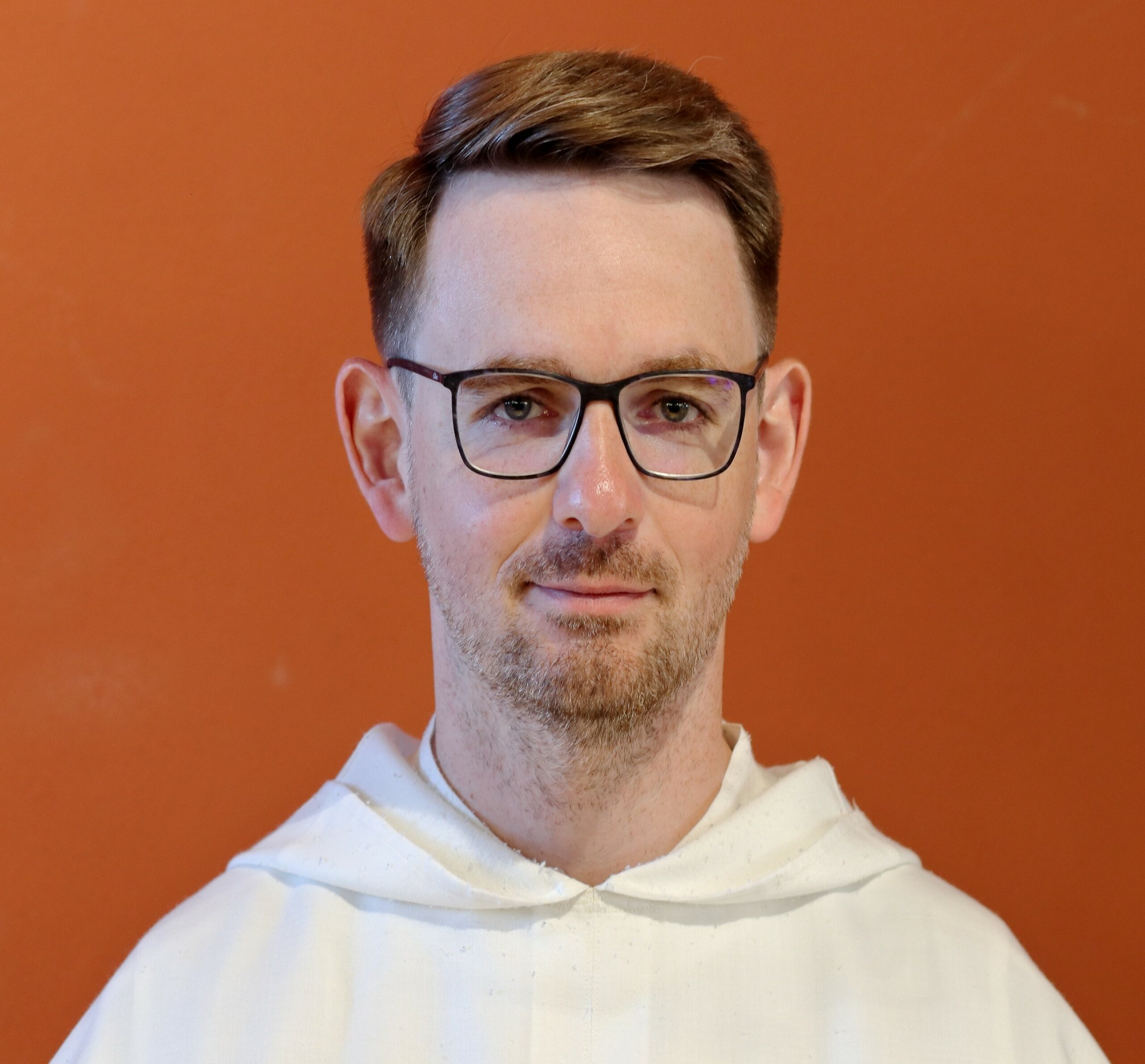
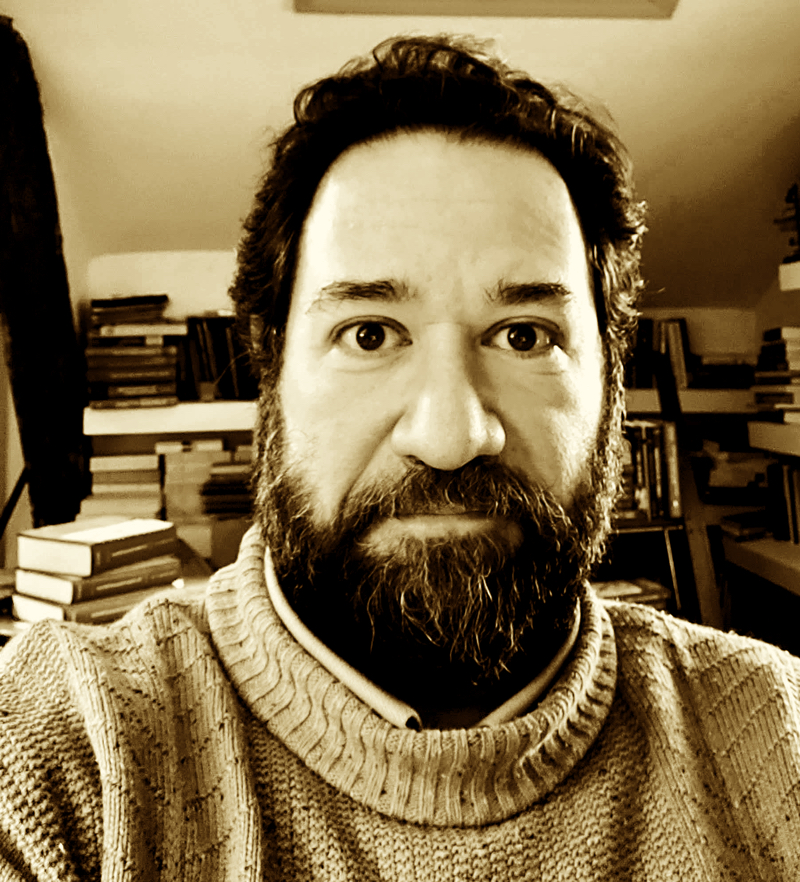
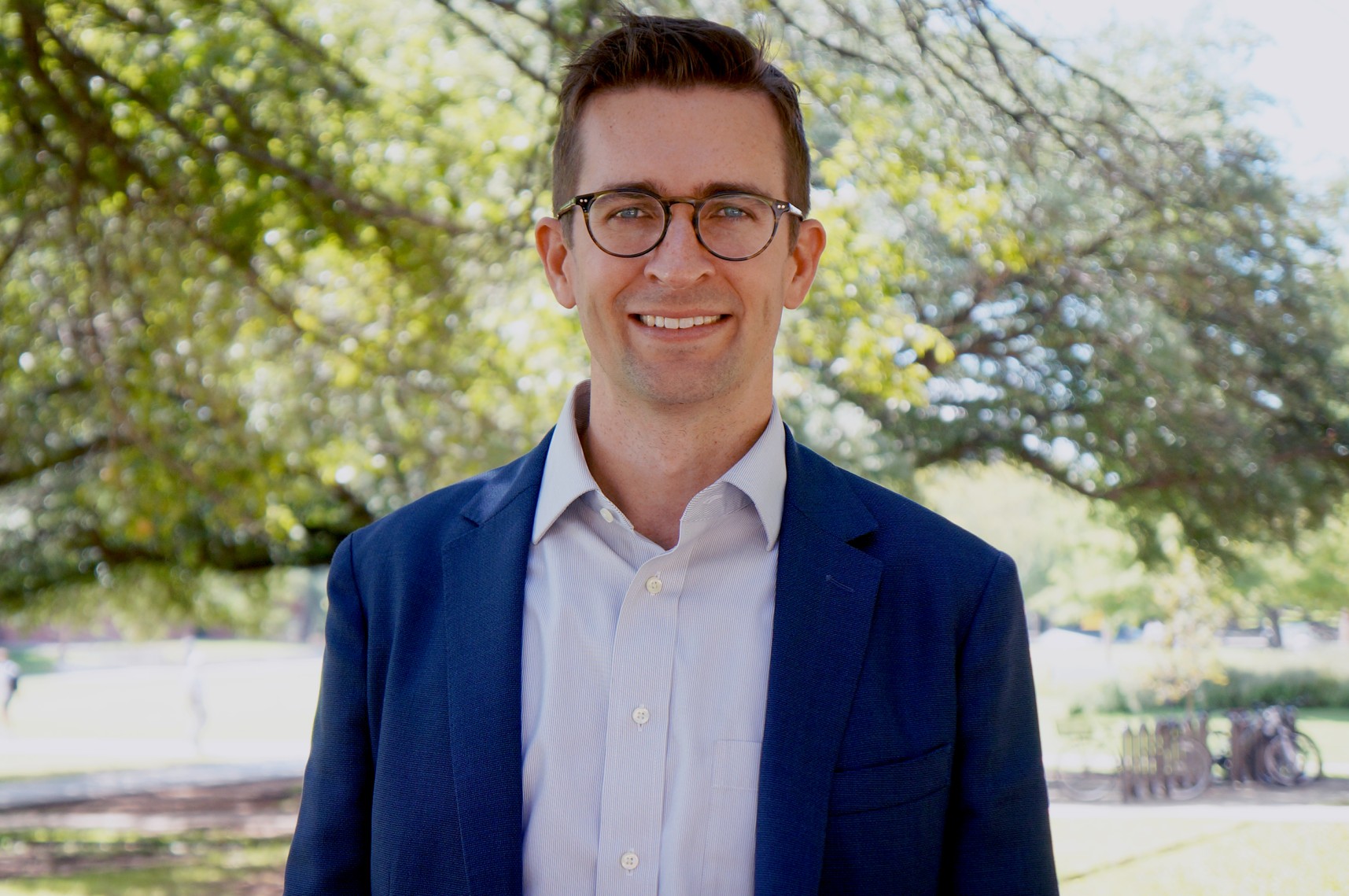
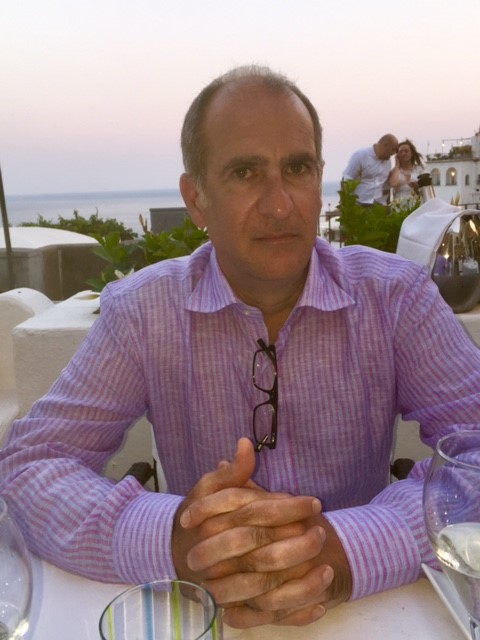
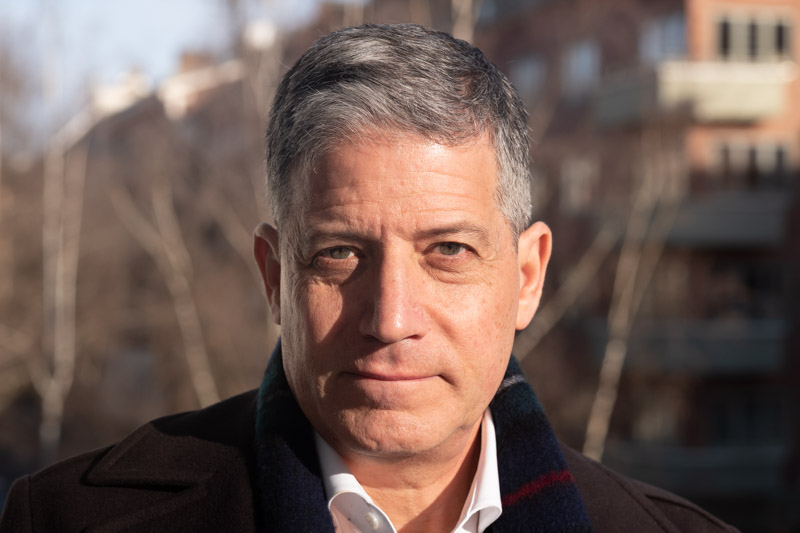
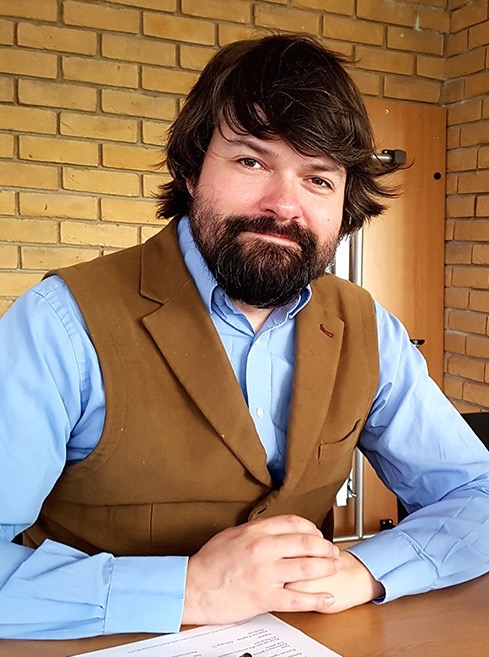
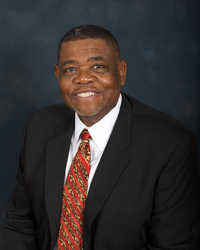
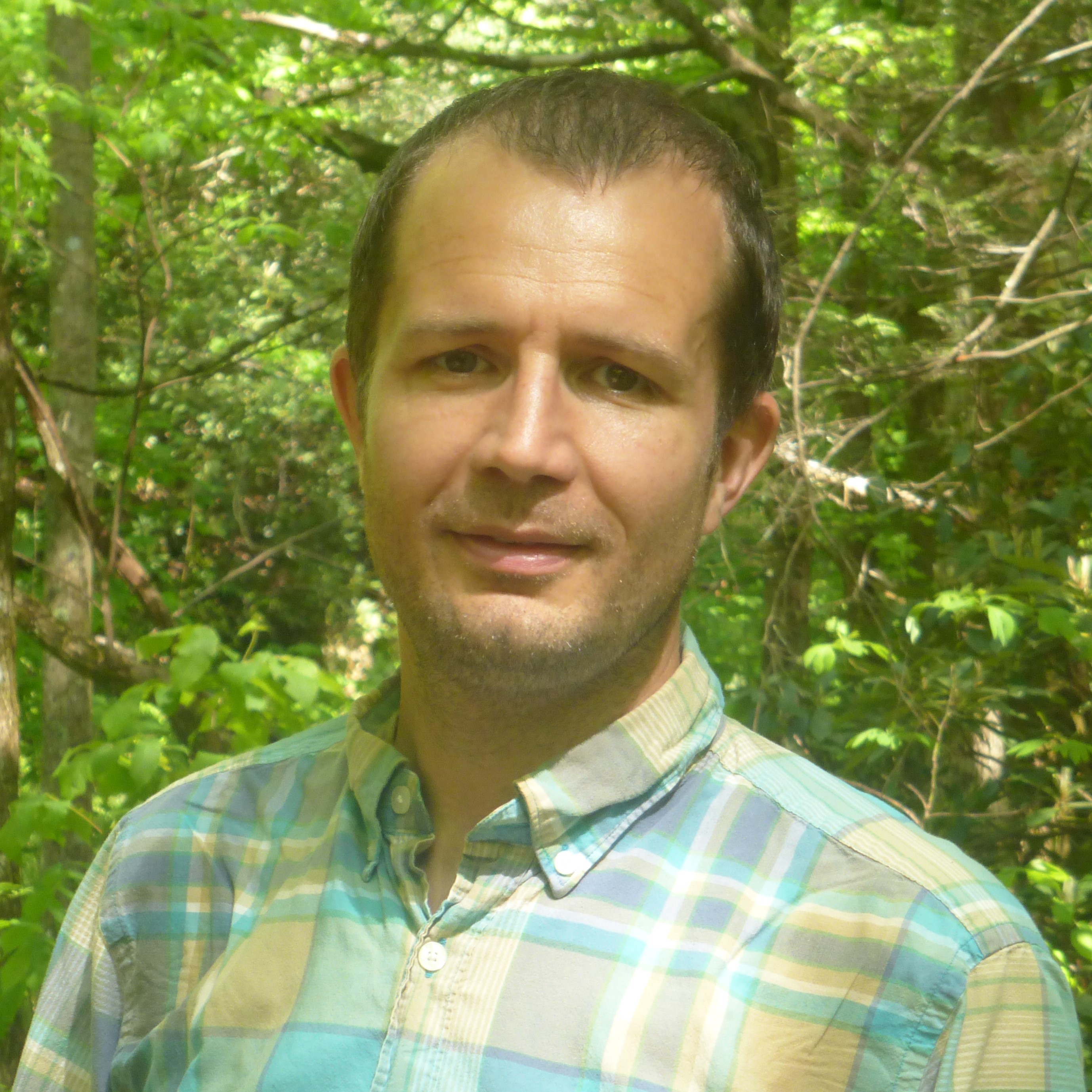
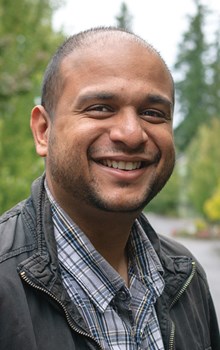
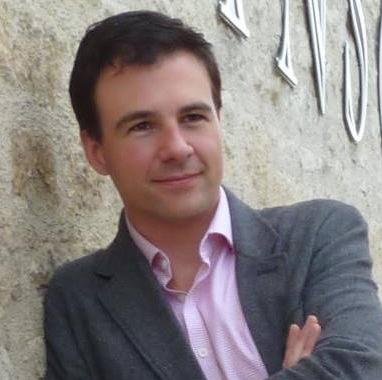
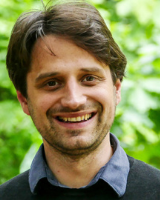
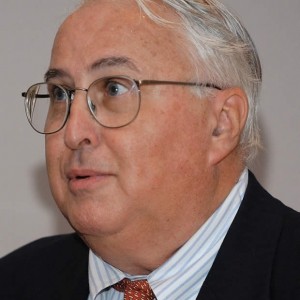
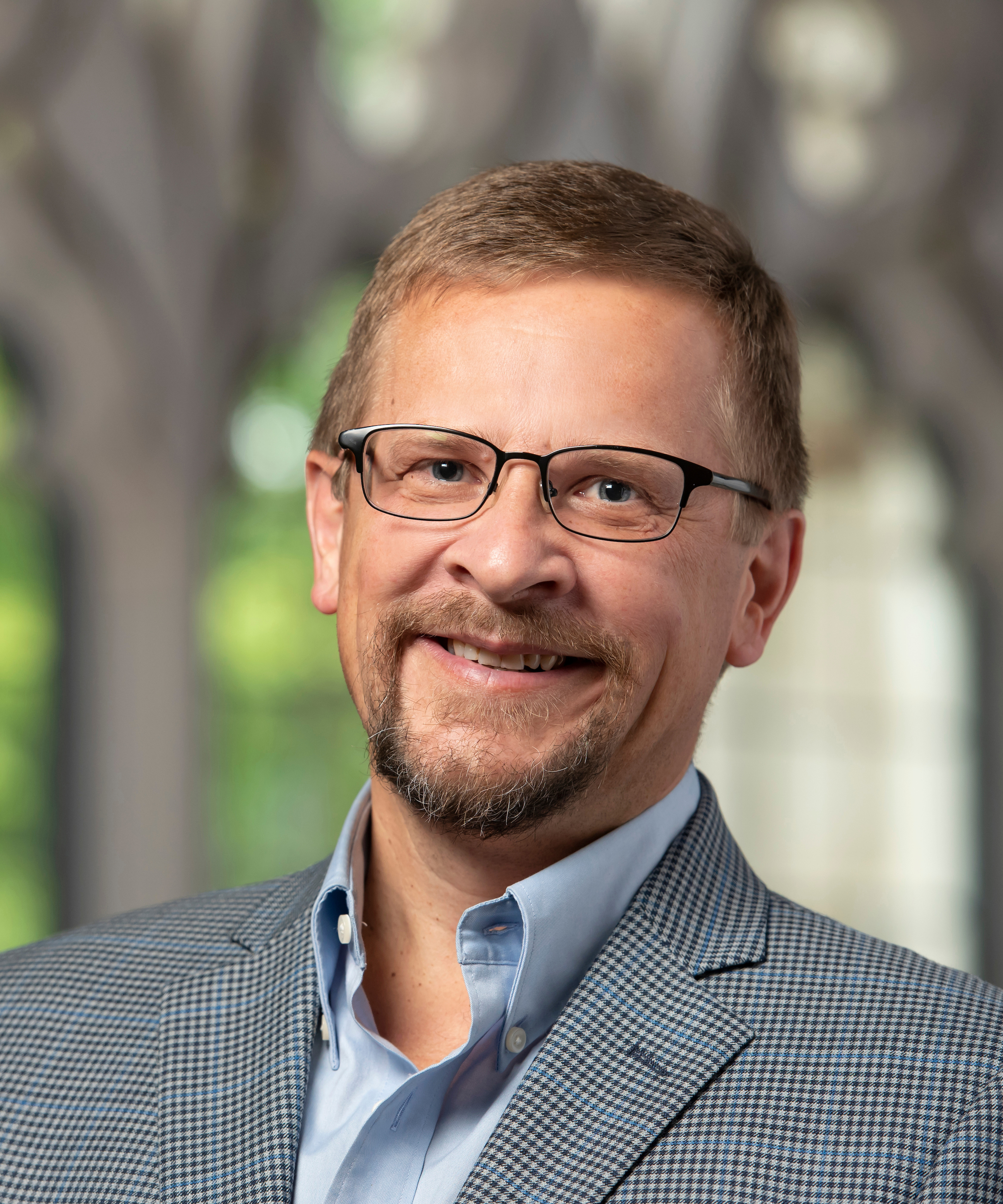
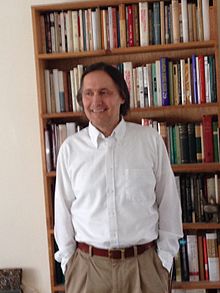
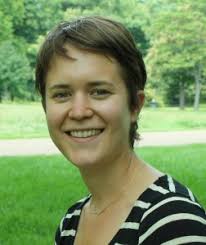
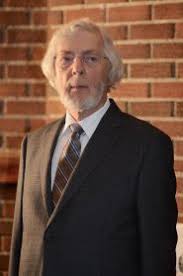
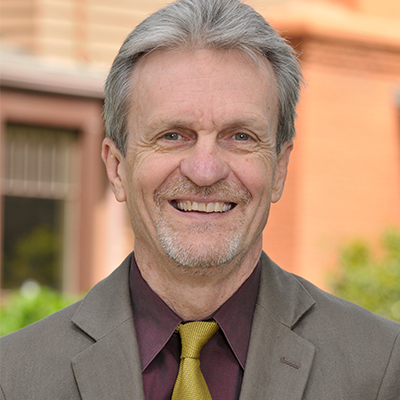
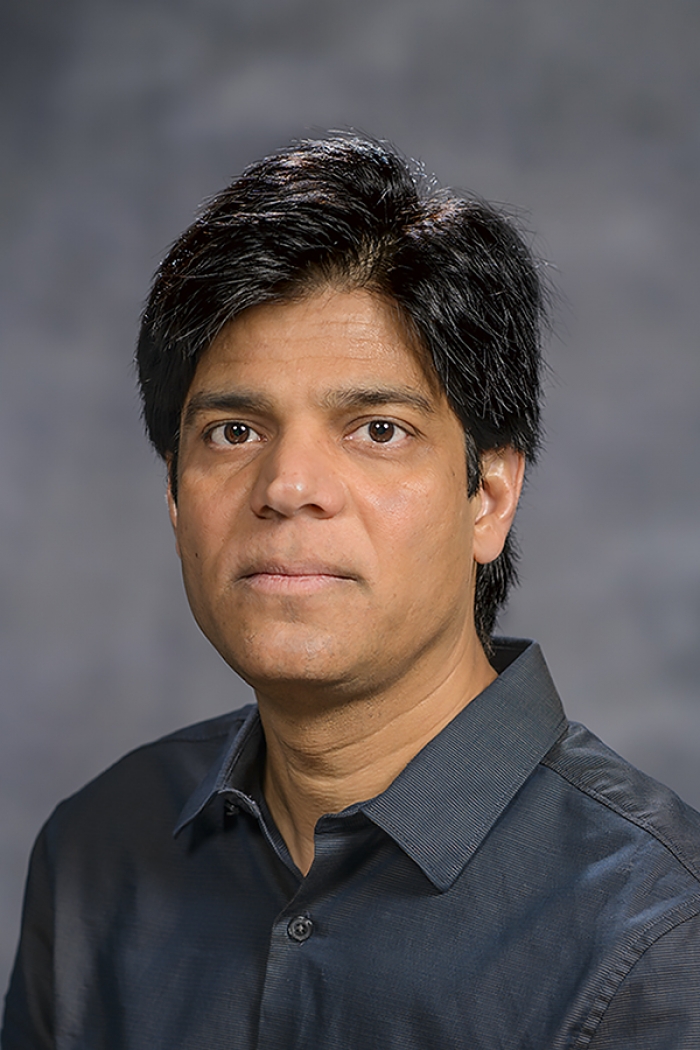
Mariusz Tabaczek, O.P., is a friar preacher, professor of theology, and member of the Thomistic Institute at the Pontifical University of Saint Thomas Aquinas in Rome. He is the author of Emergence: Towards A New Metaphysics and Philosophy of Science (2019), and Divine Action and Emergence: An Alternative to Panentheism (2021).

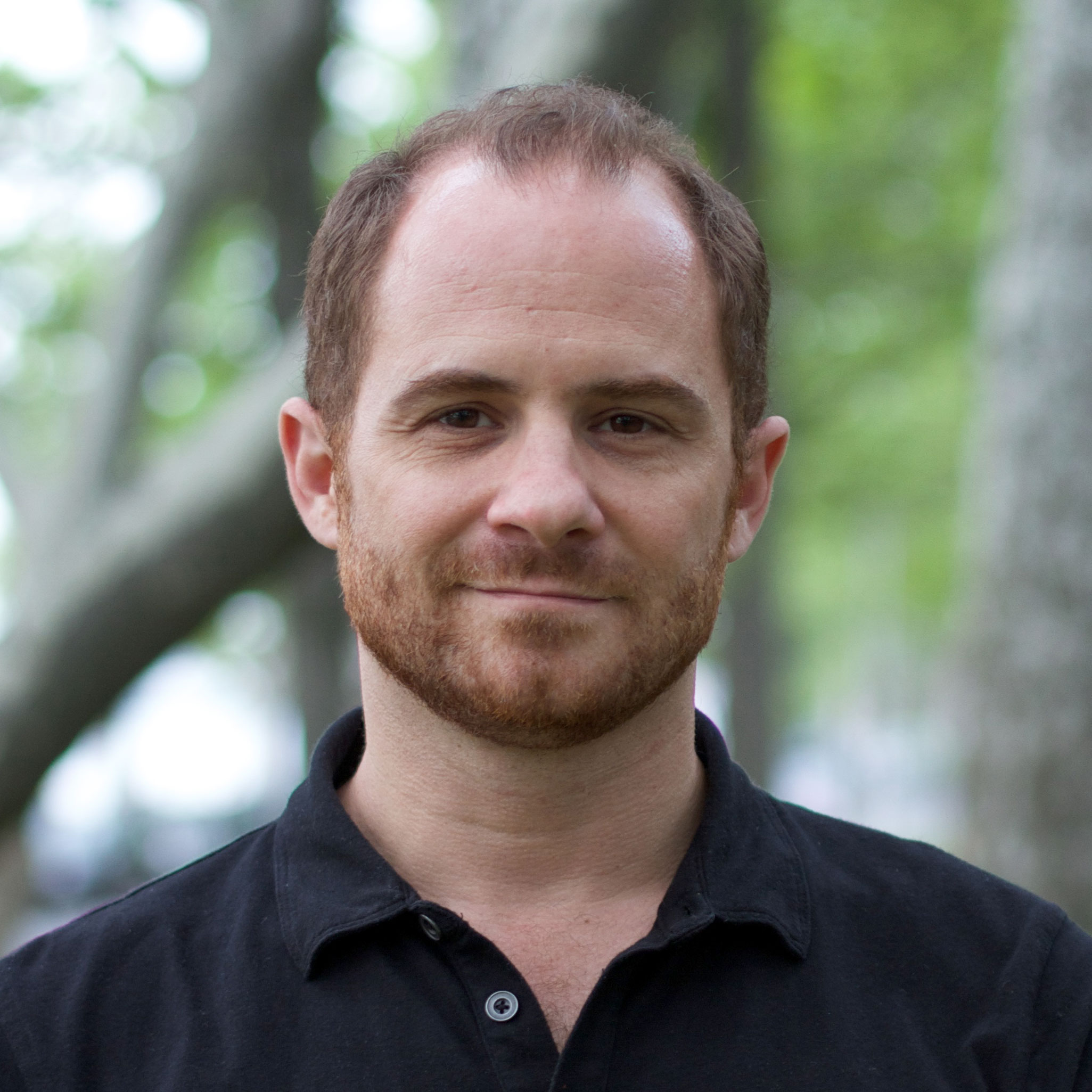
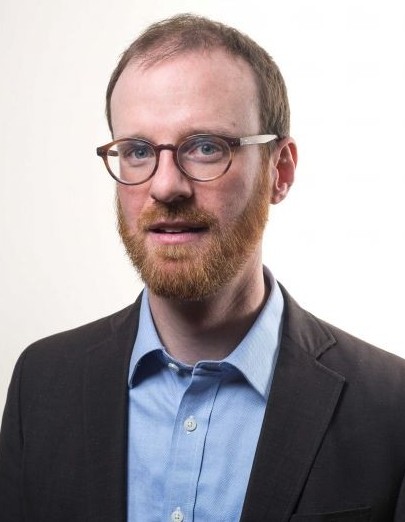
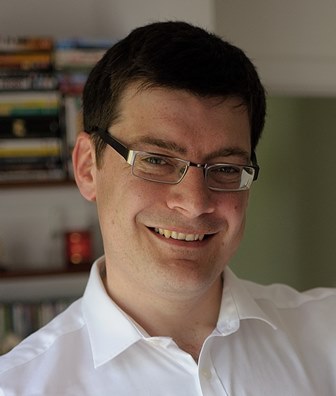
Jesse Spafford is a Lecturer at the Victoria University of Wellington. His work explores debates between libertarians, socialists, and anarchists over the moral status of the market and the state, and he is the author of a number of articles in journals including Philosophical Studies, Synthese, and the Journal of Ethics and Social Philosophy.
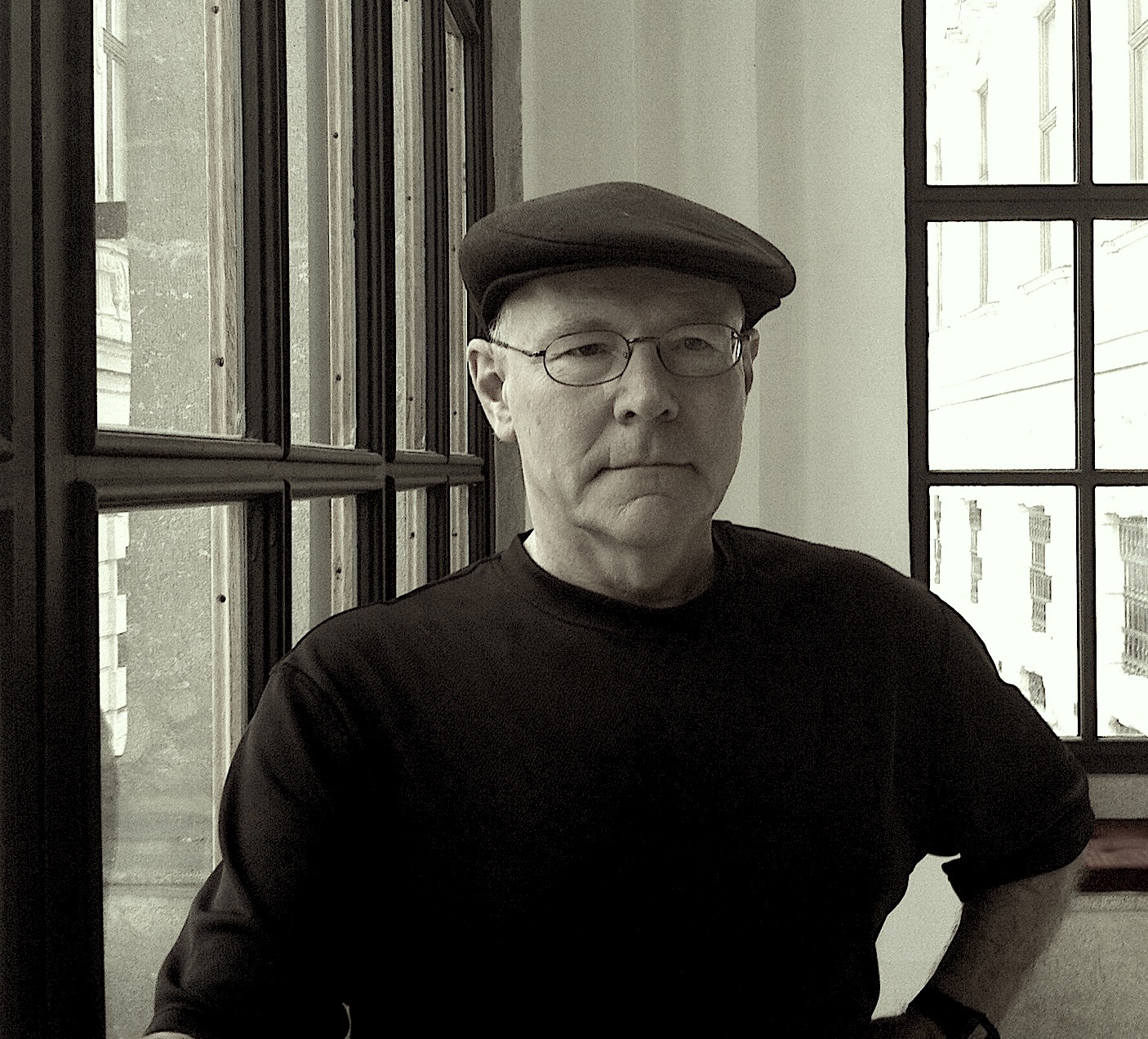
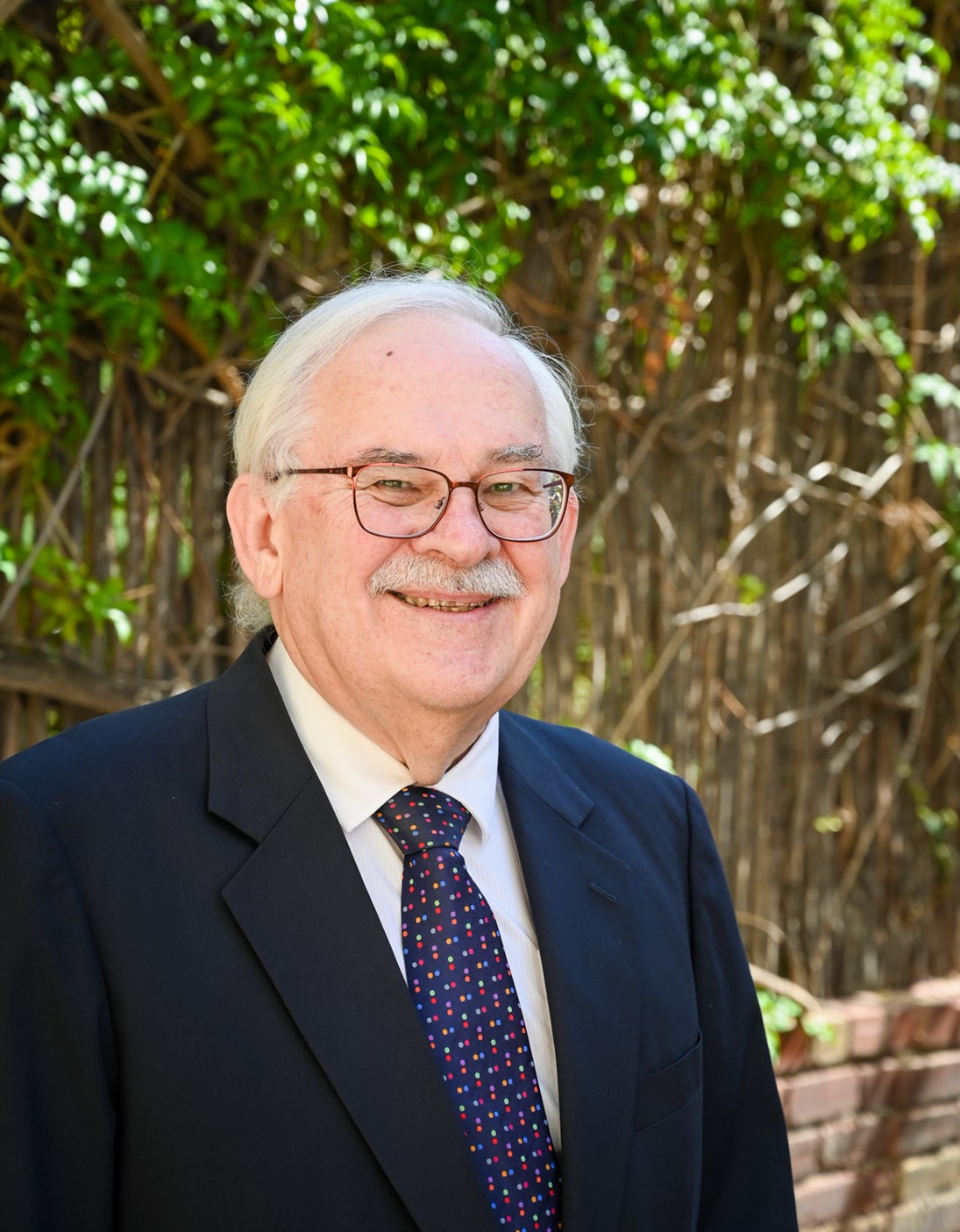
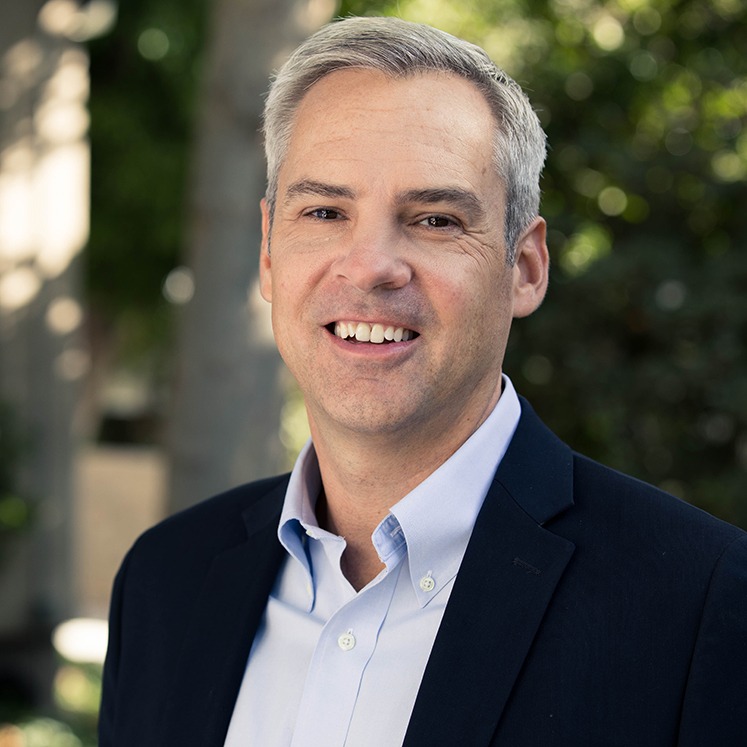
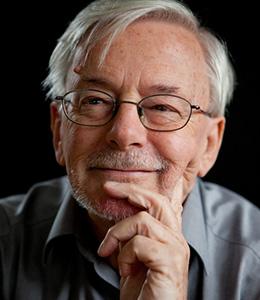
Edwin Mares is Professor of Philosophy at Victoria University of Wellington. His publications include Relevant Logic: A Philosophical Interpretation (Cambridge, 2004).
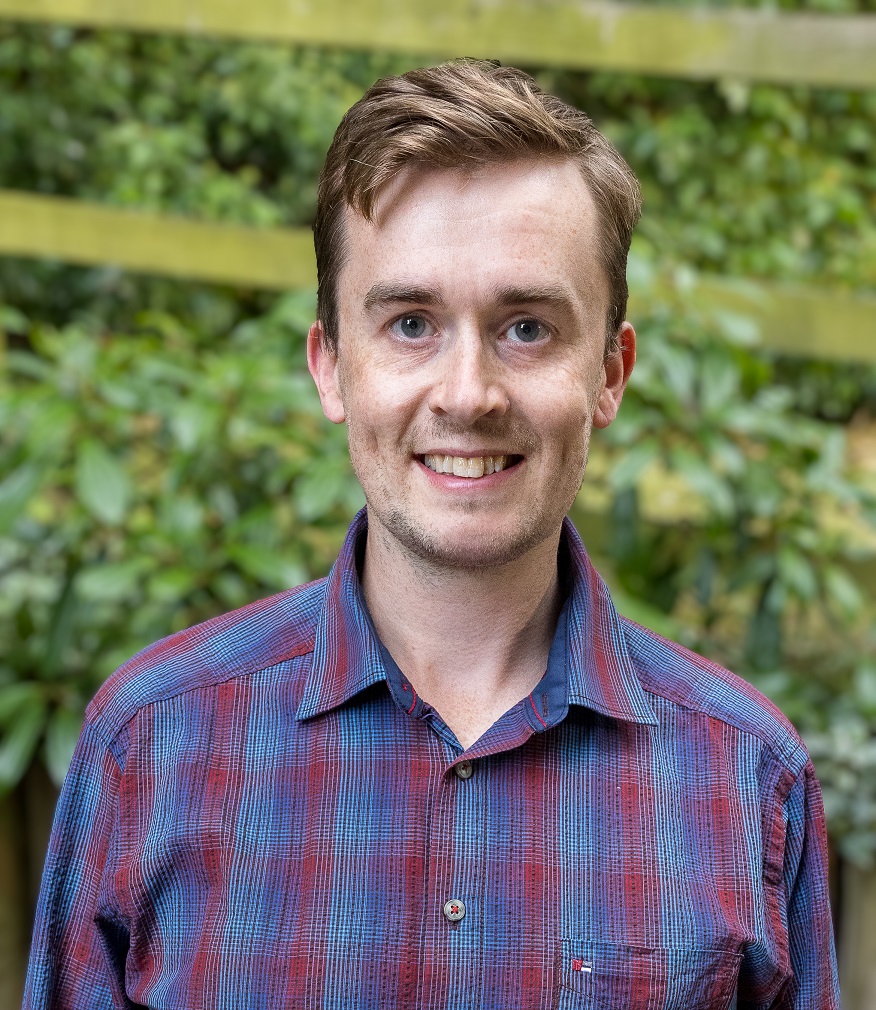
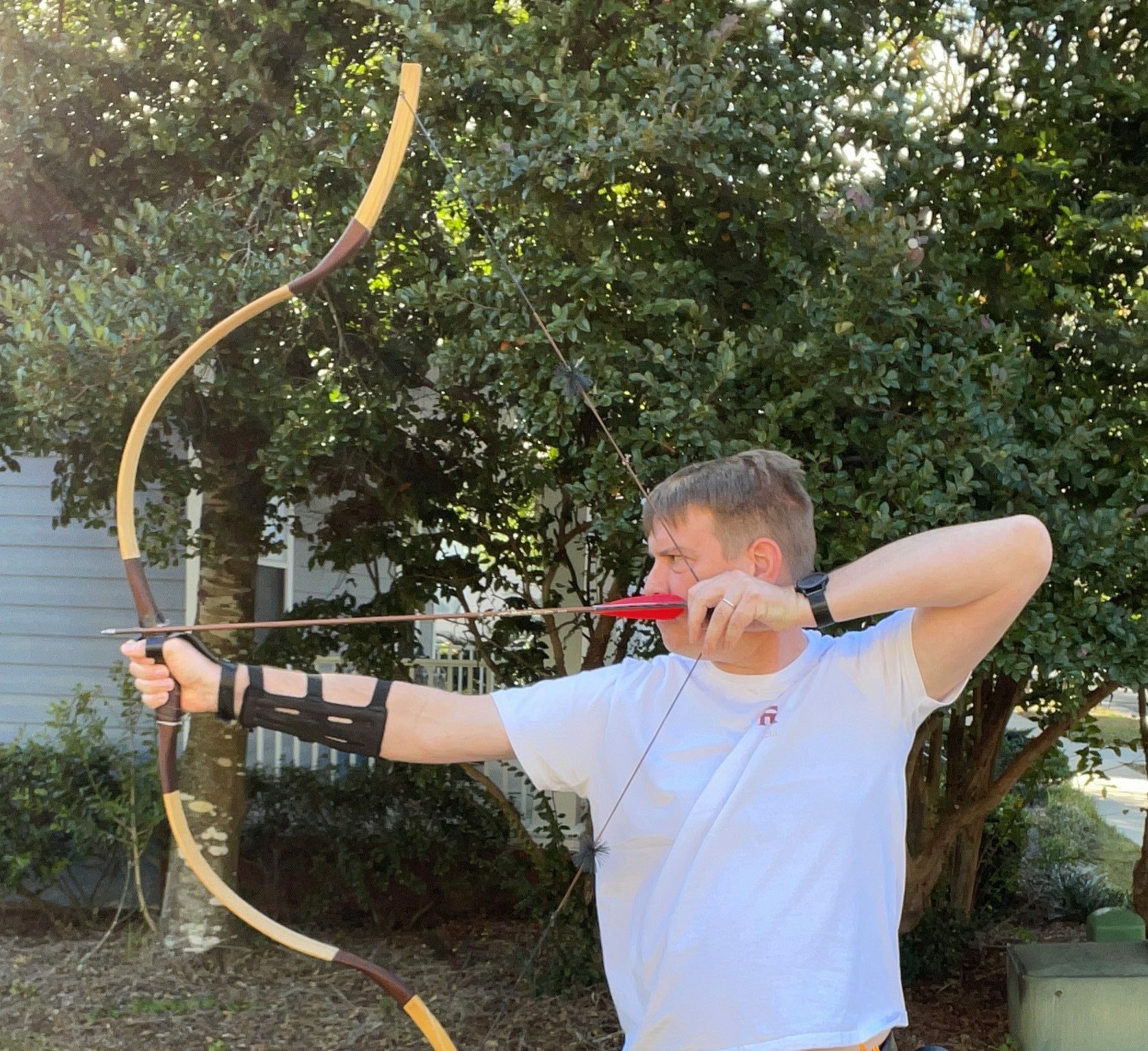
Mark Scarlata is Senior Lecturer in Old Testament at St Mellitus College, London. He is also the vicar-chaplain at St. Edward, King and Martyr, Cambridge and the director of the St. Edward\'s Institute for Christian Thought.
Randall Smith is Full Professor in the Department of Theology at the University of St. Thomas, Houston. He is the author of five books, among them Aquinas, Bonaventure and the Scholastic Culture of Medieval Paris (Cambridge, 2021).
Peter Carruthers is Distinguished University Professor of Philosophy at the University of Maryland. His publications include Human and Animal Minds (2019) and Human Motives: Hedonism, Altruism, and the Science of Affect (2024).
David Merritt author of A Philosophical Approach to MOND
Simon Friederich, author of Multiverse Theories: A Philosophical PerspectiveRijksuniversiteit Groningen, The Netherlands
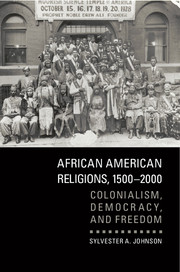
African American Religions, 1500–2000
Roy W. Perrett, University of Melbourne
Helen Wilcox, Professor of English at Bangor University
Magna Carta, Religion and the Rule of Law
Free Trade and Faithful Globalization
Author of The Late Sigmund Freud
Damon Mayrl is Assistant Professor of Sociology at Universidad Carlos III de Madrid.
https://www.cambridgeblog.org/wp-content/uploads/2017/03/Lorna-Finlayson-photograph.jpg
The Philosophy of Human Evolution
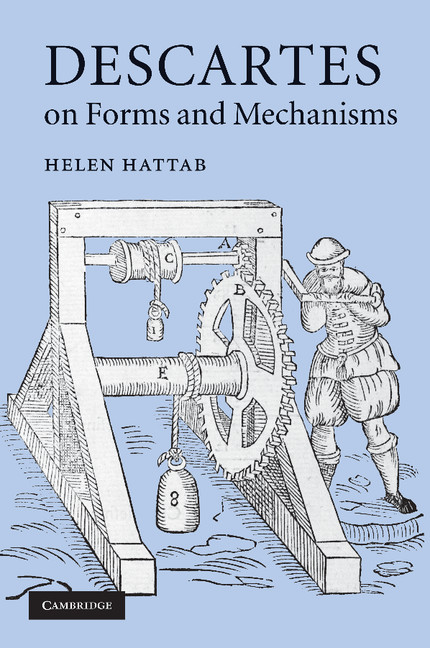
Descartes on Forms and Mechanisms
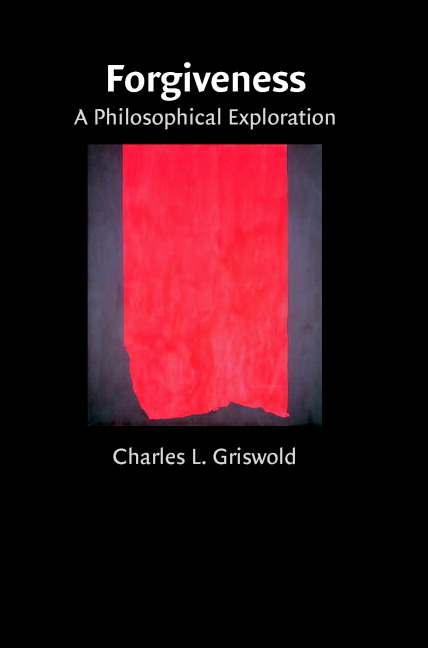
Forgiveness: a Philosophical Exploration
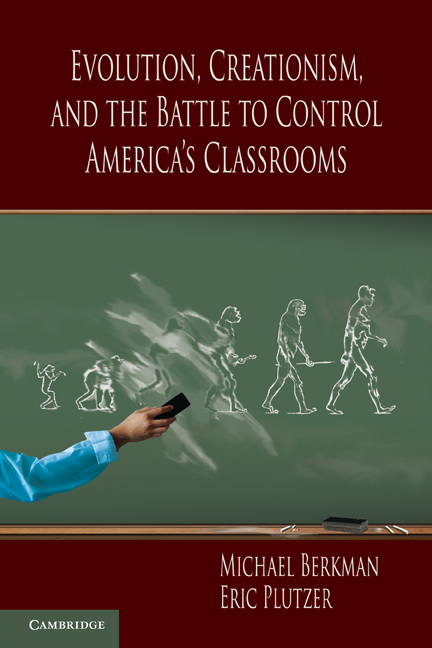
Evolution, Creationism, and the Battle to Control America\'s Classrooms
Plato and the Talmud
Evolution, Creationism, and the Battle to Control America\\\\\\\'s Classrooms
Constitutional Illusions and Anchoring Truths
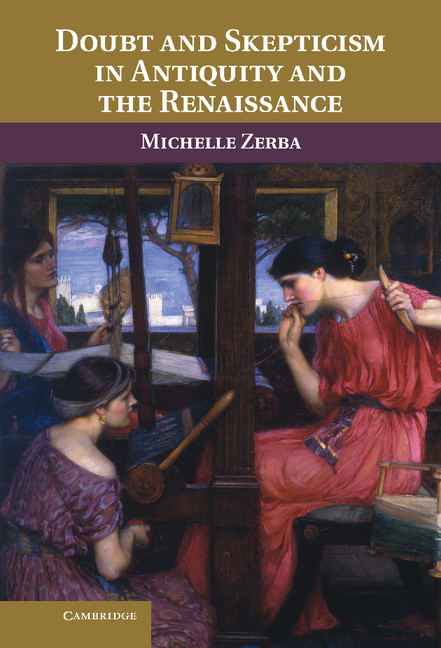
Doubt and Skepticism in Antiquity and the Renaissance
I Was Wrong
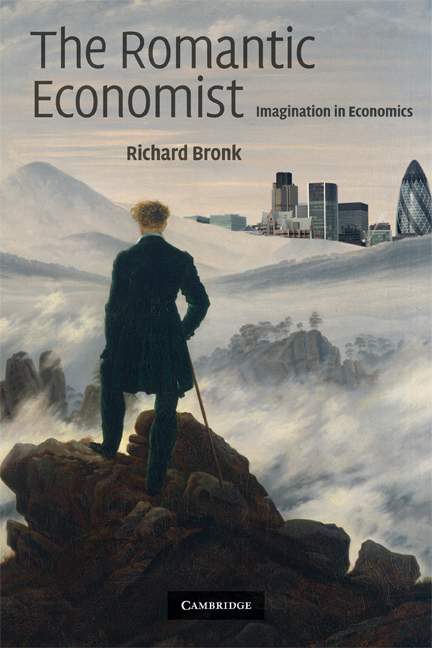
The Romantic Economist
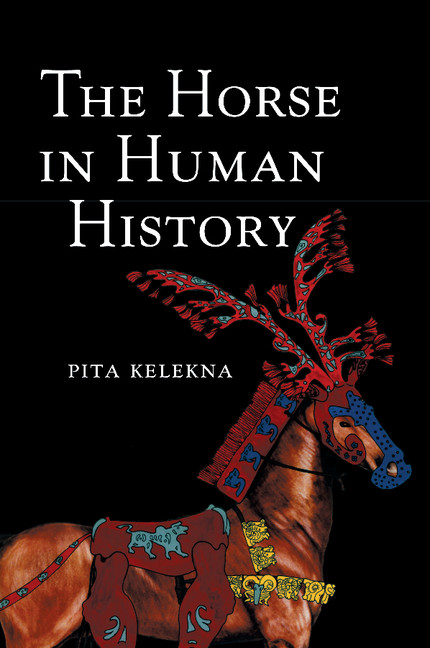
The Horse in Human History
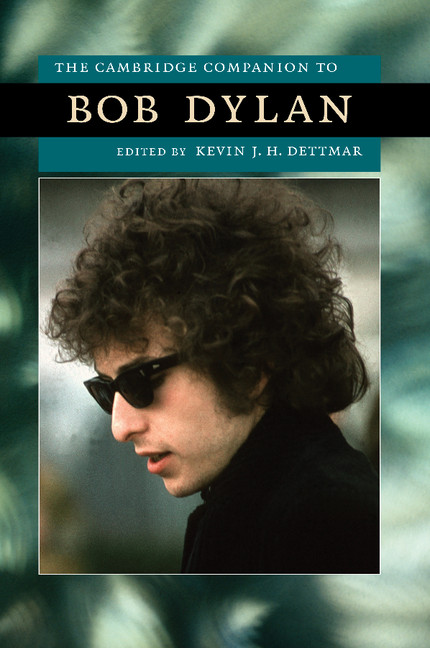
The Cambridge Companion to Bob Dylan
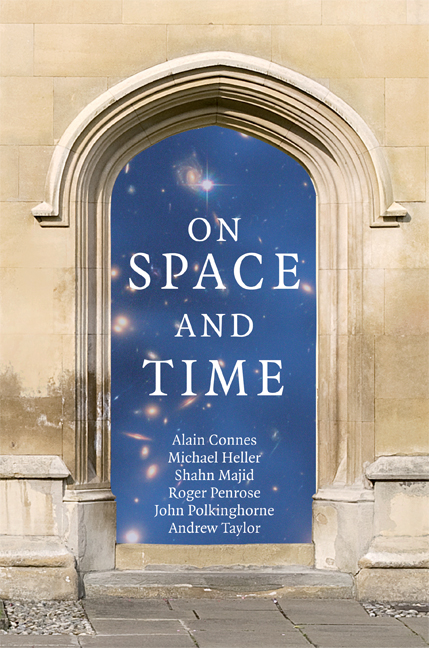
On Space and Time
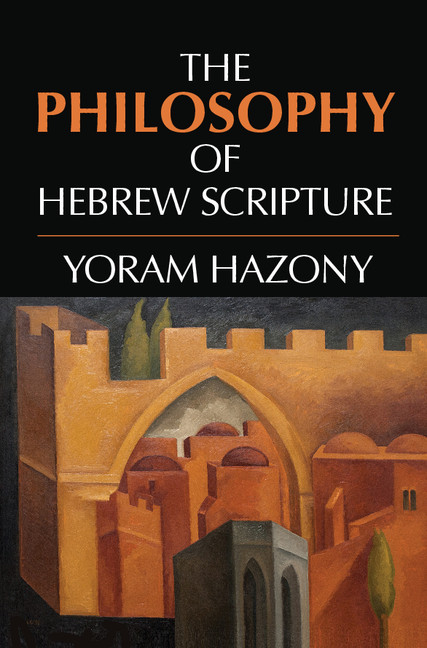
The Philosophy of Hebrew Scripture
On Space and Time
A Dictionary of Bible Plants
Yinyang
Peter Singer and Christian Ethics
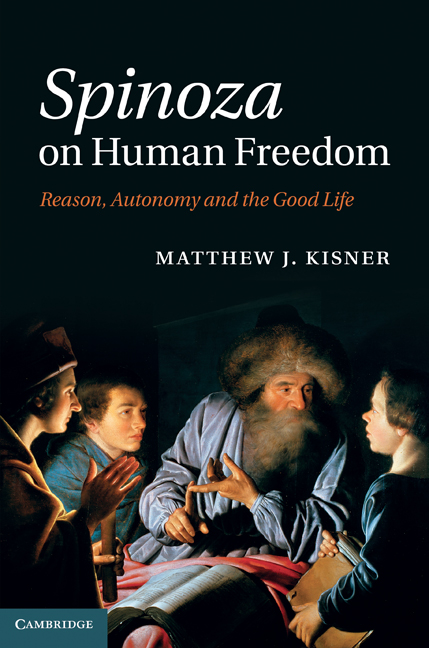
Spinoza on Human Freedom
Against Autonomy
Senior Inbound Marketing Executive
The First French Reformation
Text and Authority in the South African Nazaretha Church
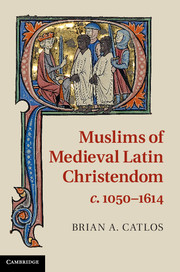
Muslims of Medieval Latin Christendom, c.1050–1614
A Reference Grammar of French
Cambridge University Press Archivist
An Ancient Commentary on the Book of Revelation
Natural Human Rights: A Theory
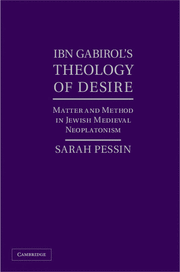
Ibn Gabirol\'s Theology of Desire
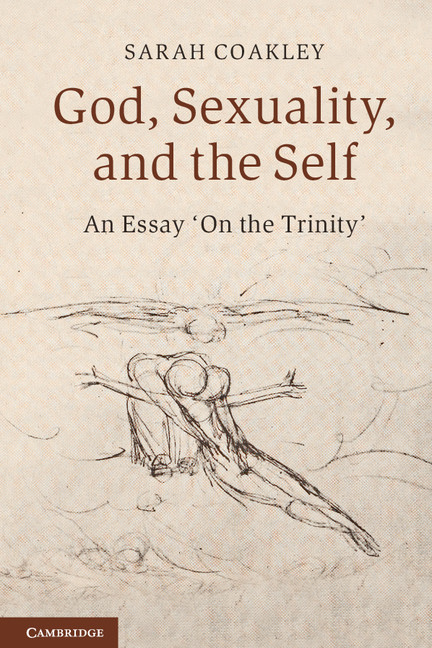
God, Sexuality, and the Self
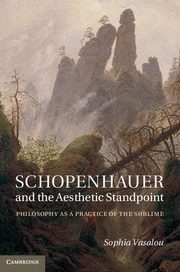
Schopenhauer and the Aesthetic Standpoint
Interpreting Avicenna: Critical Essays
The Cambridge Companion to Life and Death
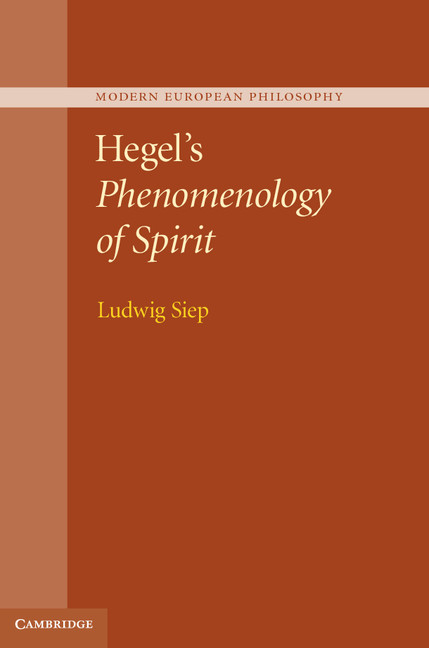
Hegel\'s Phenomenology of Spirit
Aquinas on Human Self-Knowledge
The Mystery of the Last Supper
To receive updates on Philosophy & Religion news from Cambridge University Press and Fifteen Eighty Four, please join our email list below. We will not disclose your email address to any third party