For well over half a century, Caryl Churchill’s plays have been enriching the landscape of British theatre. As David Hare astutely observed on her seventieth birthday celebrations held at the Royal Court in 2008: ‘The principal question you can ask of any artist is: what difference would it have made if they’d never existed? Would […]
Read MoreIt was during my undergraduate years in the 1980s that I stumbled across numbers in music. It was fashionable at the time to ridicule anything that smacked of number symbolism, and I joined the fun. However, the analyst in me decided that a rational destruction of the evidence could have a more lasting effect than […]
Read MoreAs part of our Great Figures and Leaders promotion we've asked Ruth Tatlow, author of Bach's Numbers, why Bach is still so important and what makes him a great figure?
Read MoreKatharina Lorenz recounts her research process in answering the question: how – or by what analytical means – can we use mythological imagery reliably to write about ancient societies? And examines the benefits of this. Her book, Ancient Mythological Images and their Interpretation, is available now.
Read MoreMartha Dow Fehsenfeld, Founding Editor, of the Beckett Letters project was authorised by Samuel Beckett to edit his correspondence in 1985. Here she recalls her first meeting with Beckett and how his attitude to publishing his letters changed as he neared the end of his life. (Pictured clockwise l-r: Samuel Beckett, Lois Overbeck and Martha Fehsenfeld)
Read MoreStuart Sillars, author of Shakespeare and the Visual Imagination, examines how concepts in visual art are portrayed in Shakespeare’s plays and poetry, from the Reclining Venus in A Midsummer Night’s Dream to the emblematic depiction of Lavinia in Titus Andronicus. You can also find out more about Stuart Sillars’ books on his collection page.
Read MoreTo mark this year's International Federation for Theatre Research conference, we asked members of the Theatre Research International editorial board to delve into the archives for articles that shed light on the relationship between performance studies and theatre history.
Read MoreFifteenEightyFour has been discussing music with author John MacAuslan. In his fourth and final article, MacAuslan explores four very different and distinct works of Schumann. The first three articles can be read here. Within five years, Schumann wrote four great piano works connected to the fiction of E. T. A. Hoffmann. They’re strikingly different from […]
Read MoreFor well over half a century, Caryl Churchill’s plays have been enriching the landscape of British theatre. As David Hare astutely observed on her seventieth birthday celebrations held at the Royal Court in 2008: ‘The principal question you can ask of any artist is: what difference would it have made if they’d never existed? Would […]
Read MoreIt was during my undergraduate years in the 1980s that I stumbled across numbers in music. It was fashionable at the time to ridicule anything that smacked of number symbolism, and I joined the fun. However, the analyst in me decided that a rational destruction of the evidence could have a more lasting effect than […]
Read MoreAs part of our Great Figures and Leaders promotion we've asked Ruth Tatlow, author of Bach's Numbers...
Read MoreKatharina Lorenz recounts her research process in answering the question: how – or by what analyti...
Read MoreMartha Dow Fehsenfeld, Founding Editor, of the Beckett Letters project was authorised by Samuel Beck...
Read MoreStuart Sillars, author of Shakespea...
Read MoreTo mark this year's International Federation for Theatre Research conference, we asked members of th...
Read MoreFifteenEightyFour has been discussing music with author John MacAuslan. In his fourth and final article, MacAuslan explores four very different and distinct works of Schumann. The first three articles can be read here. Within five years, Schumann wrote four great piano works connected to the fiction of E. T. A. Hoffmann. They’re strikingly different from […]
Read MoreKeep up with the latest from Cambridge University Press on our social media accounts.
Hélène Lecossois is Professor of Irish Literary Studies at Université de Lille, France. Specialising in Irish theatre and performance, Hélène is the author of Endgame de Samuel Beckett (2009), and of various essays in Beckett Today, Études irlandaises, Sillages critiques and the 2014 edited collection Ireland, Memory and Performing the Historical Imagination. She was 2014 recipient of the Moore Institute Fellowship (NUI Galway).
Manchester Metropolitan University
Holly Buttimore is a Humanities and Social Sciences Commissioning Editor for Academic Journals at Cambridge University Press
University of Chester
Heather Hirschfeld is a Professor of English at the University of Tennessee.
Associate Professor in English and Creative Writing, University of Reading
Williams College
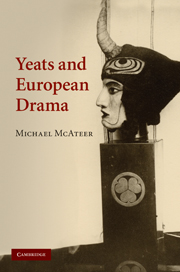
Yeats and European Drama
The History of the Erard Piano and Harp in Letters and Documents, 1785–1959
The Manual of Musical Instrument Conservation
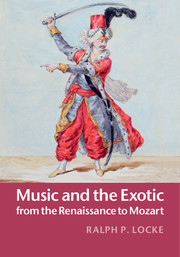
Music and the Exotic from the Renaissance to Mozart
The Cambridge Companion to Jewish Music
The Cambridge Introduction to Theatre and Literature of the Absurd
Michelangelo: The Artist, the Man, and His Times
Vocal Authority
A History of Singing
Opera
Publicist
Senior Inbound Marketing Executive
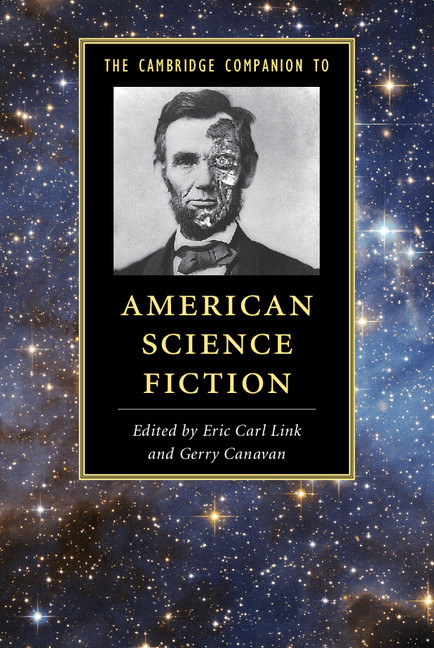
The Cambridge Companion to American Science Fiction
The Cambridge History of Magic and Witchcraft in the West
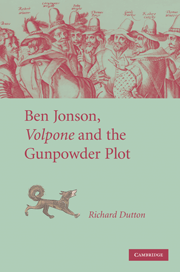
Ben Jonson, Volpone, and the Gunpowder Plot
Ovid and Hesiod
The Cambridge Wagner Encyclopedia
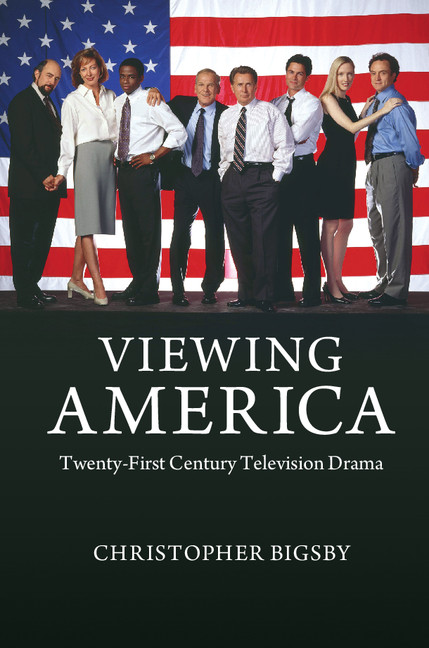
Viewing America
To receive updates on Music, Theatre & Art news from Cambridge University Press and Fifteen Eighty Four, please join our email list below. We will not disclose your email address to any third party