Among the core cultural rights, outlined in the International Bill of Human Rights, are the rights to education, to participate in cultural life, to benefit from science and its products, and author’s rights. These rights promote cultural and scientific creativity. They also enable the pursuit of knowledge and understanding, thereby working as atrocity prevention tools. […]
Read MoreEver since I developed a passion for French music and started working on Berlioz and then Bizet, I was constantly aware of the formidable figure of Saint-Saëns at the end of the nineteenth century, contributing to every branch of music and regularly heard in concert halls and, thanks to Samson et Dalila, in opera houses […]
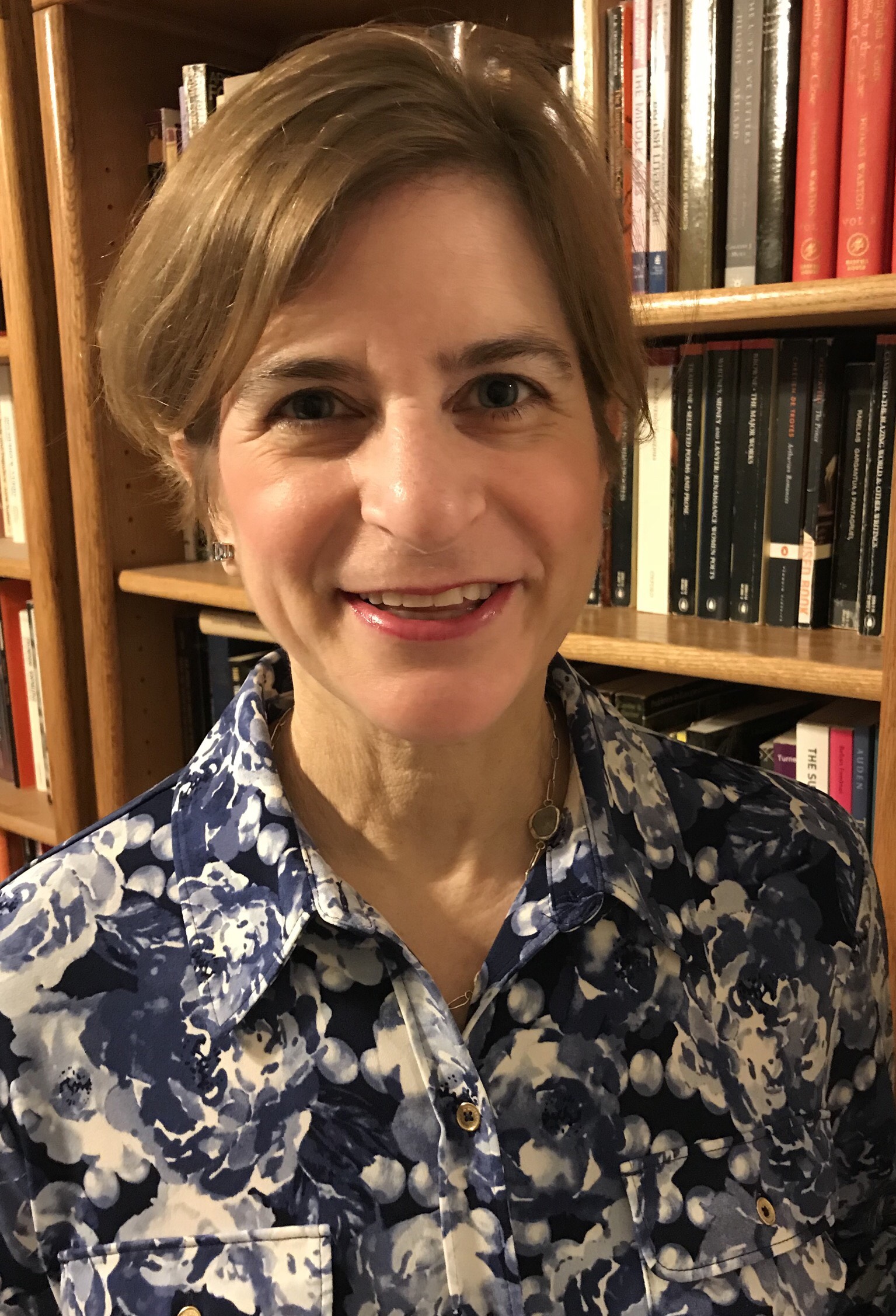
Read MoreShakespeare scholar Heather Hirschfeld, author of the brand new introduction to the New Cambridge Shakespeare Hamlet (third edition), reflects on what it means for modern audiences to encounter the play for the first time.
Read MoreCambridge University Press is delighted to announce the appointment of Alejandro L. Madrid as co-editor of Twentieth-Century Music, joining co-editor Pauline Fairclough from January 2019. Since 2013, Alejandro has been professor of musicology and ethnomusicology at Cornell University’s Department of Music; before that, he was in the faculty of the Latino and Latin American Studies […]
Read More‘Have you ever been in a car crash? Unfortunately, unlike the car crash, time will not slow down for us. If anything, we’re accelerating toward disaster’[1] It was the question of whether or not an erect penis was seen on stage that marked, in many respects, where this period began. The transition from the furore […]
Read MoreAfter much hard work and years of lawsuits and other complaints, the United States Congress seems destined finally to update music’s copyright law. The Music Modernization Act passed unanimously in the Senate on September 18 and, having won consent in a similar form from the House of Representatives, is likely to become law in short […]
Read MoreThe opera house is one of the most successful new building types of modern times. Found all over the world, opera houses usually have three major features: private boxes stacked vertically around an open, central space; an orchestra pit; and a deep stage to hold elaborate scenery. Each of these features has its own history. […]
Read MoreThe magnificent collection of Samuel Beckett’s manuscripts, notebooks, letters and other material held here at Reading was fundamental to the research for my new book Samuel Beckett and the Visual Arts, which has just come out from Cambridge University Press. To take one example, I vividly remember, early on, calling up a tattered old jotter. […]
Read MoreAmong the core cultural rights, outlined in the International Bill of Human Rights, are the rights to education, to participate in cultural life, to benefit from science and its products, and author’s rights. These rights promote cultural and scientific creativity. They also enable the pursuit of knowledge and understanding, thereby working as atrocity prevention tools. […]
Read MoreEver since I developed a passion for French music and started working on Berlioz and then Bizet, I was constantly aware of the formidable figure of Saint-Saëns at the end of the nineteenth century, contributing to every branch of music and regularly heard in concert halls and, thanks to Samson et Dalila, in opera houses […]
Read MoreShakespeare scholar Heather Hirschfeld, author of the brand new introduction to the New Cambridge Sh...
Read MoreCambridge University Press is delighted to announce the appointment of Alejandro L. Madrid as co-editor of Twentieth-Century Music, joining co-editor Pauline Fairclough from January 2019. Since 2013, Alejandro has been professor of musicology and ethnomusicology at Cornell University’s Department of Music; before that, he was in the faculty of the Latino and Latin American Studies […]
Read More‘Have you ever been in a car crash? Unfortunately, unlike the car crash, time will not slow down for us. If anything, we’re accelerating toward disaster’[1] It was the question of whether or not an erect penis was seen on stage that marked, in many respects, where this period began. The transition from the furore […]
Read MoreAfter much hard work and years of lawsuits and other complaints, the United States Congress seems destined finally to update music’s copyright law. The Music Modernization Act passed unanimously in the Senate on September 18 and, having won consent in a similar form from the House of Representatives, is likely to become law in short […]
Read MoreThe opera house is one of the most successful new building types of modern times. Found all over the world, opera houses usually have three major features: private boxes stacked vertically around an open, central space; an orchestra pit; and a deep stage to hold elaborate scenery. Each of these features has its own history. […]
Read MoreThe magnificent collection of Samuel Beckett’s manuscripts, notebooks, letters and other material held here at Reading was fundamental to the research for my new book Samuel Beckett and the Visual Arts, which has just come out from Cambridge University Press. To take one example, I vividly remember, early on, calling up a tattered old jotter. […]
Read MoreKeep up with the latest from Cambridge University Press on our social media accounts.
Hélène Lecossois is Professor of Irish Literary Studies at Université de Lille, France. Specialising in Irish theatre and performance, Hélène is the author of Endgame de Samuel Beckett (2009), and of various essays in Beckett Today, Études irlandaises, Sillages critiques and the 2014 edited collection Ireland, Memory and Performing the Historical Imagination. She was 2014 recipient of the Moore Institute Fellowship (NUI Galway).
Manchester Metropolitan University
Holly Buttimore is a Humanities and Social Sciences Commissioning Editor for Academic Journals at Cambridge University Press
University of Chester
Heather Hirschfeld is a Professor of English at the University of Tennessee.
Associate Professor in English and Creative Writing, University of Reading
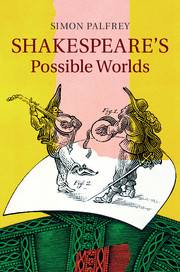
Shakespeare’s Possible Worlds
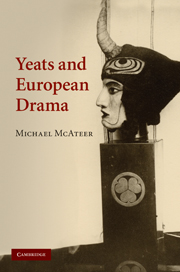
Yeats and European Drama
The History of the Erard Piano and Harp in Letters and Documents, 1785–1959
The Manual of Musical Instrument Conservation
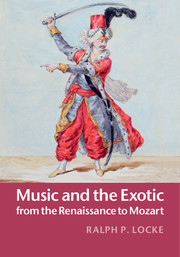
Music and the Exotic from the Renaissance to Mozart
The Cambridge Companion to Jewish Music
The Cambridge Introduction to Theatre and Literature of the Absurd
Michelangelo: The Artist, the Man, and His Times
Vocal Authority
A History of Singing
Opera
Publicist
Senior Inbound Marketing Executive
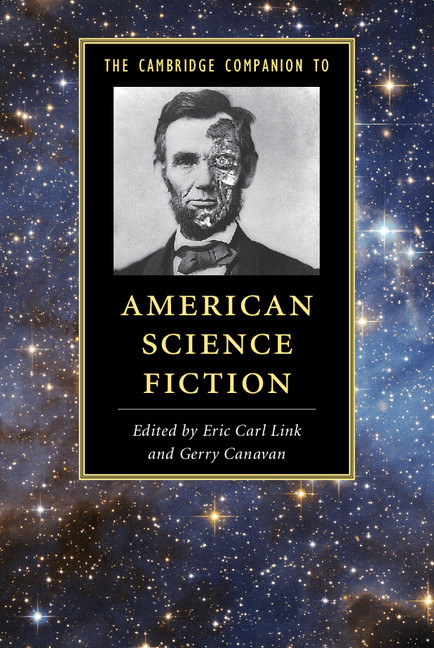
The Cambridge Companion to American Science Fiction
The Cambridge History of Magic and Witchcraft in the West
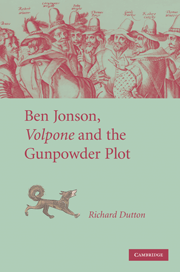
Ben Jonson, Volpone, and the Gunpowder Plot
Ovid and Hesiod
The Cambridge Wagner Encyclopedia
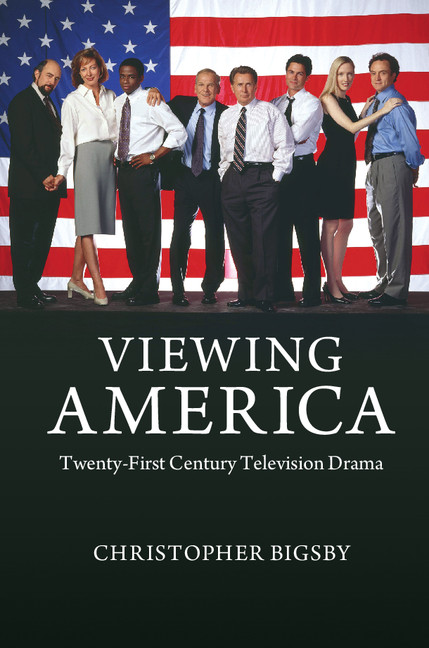
Viewing America
To receive updates on Music, Theatre & Art news from Cambridge University Press and Fifteen Eighty Four, please join our email list below. We will not disclose your email address to any third party