“Nobody reads books anymore” is the secondhand testimony I hear from colleagues about how current medical students and residents prefer to learn. “They want soundbytes.” Short, succinct morsels of information they can consume more like tapas than a heavy four-course dinner. We would agree that trying to learn from a book can sometimes be an […]
Read MoreWhen I became chief medical officer of the American Foundation for Suicide Prevention (AFSP) eight years ago, after treating people with severe mental illness, teaching, and then co-leading a suicide prevention program for medical faculty, residents and students in my role as a dean in the University of California, San Diego medical school, I was […]
Read MoreI am a retired neurologist with early-stage Alzheimer’s disease. For nearly 25 years I practiced and taught general neurology. Many of my patients had dementia including Alzheimer’s disease, but it never occurred to me until a few years ago that I might get it too. In A Tattoo On My Brain: A Neurologist’s Personal Battle […]
Read More“to study the phenomena of disease without books is to sail an uncharted sea, while to study books without patients is not to go to sea at all” Sir William Osler, 1849-1919 It is always a pleasure to see a patient as a doctor. It is even more rewarding to see that patient, assess their clinical need, request […]
Read MoreEveryone has a personality. This term describes individual differences in behavior, emotion, and thought that make each person unique. Yet however different they are, most people find a niche in the world that suits their traits. Not everyone succeeds. Community studies suggest that about one in ten have a diagnosable personality disorder (PD). That term […]
Read MoreWhy is information about the coronavirus/COVID-19 so confusing? Grasp the key facts in this concise, accessible and authoritative book.
Read MoreThere are currently 77 clinical trials evaluating medications aimed at slowing the progression of Parkinson’s disease. On the surface that sounds like good reason to be optimistic that one of those will strike gold and we will finally have the long sought-after disease modifying therapy for Parkinson’s disease. Here is an overview of all trials […]
Read MoreWithin all fields of surgery, ethical issues are encountered on a daily basis however within the field of neurosurgery there are certain considerations that require specific consideration. In the first instance disease processes within the central nervous system can have an impact on cognitive function that may affect the function of consent. Secondly, there is […]
Read More“Nobody reads books anymore” is the secondhand testimony I hear from colleagues about how current medical students and residents prefer to learn. “They want soundbytes.” Short, succinct morsels of information they can consume more like tapas than a heavy four-course dinner. We would agree that trying to learn from a book can sometimes be an […]
Read MoreWhen I became chief medical officer of the American Foundation for Suicide Prevention (AFSP) eight years ago, after treating people with severe mental illness, teaching, and then co-leading a suicide prevention program for medical faculty, residents and students in my role as a dean in the University of California, San Diego medical school, I was […]
Read MoreI am a retired neurologist with early-stage Alzheimer’s disease. For nearly 25 years I practiced and taught general neurology. Many of my patients had dementia including Alzheimer’s disease, but it never occurred to me until a few years ago that I might get it too. In A Tattoo On My Brain: A Neurologist’s Personal Battle […]
Read More“to study the phenomena of disease without books is to sail an uncharted sea, while to study books without patients is not to go to sea at all” Sir William Osler, 1849-1919 It is always a pleasure to see a patient as a doctor. It is even more rewarding to see that patient, assess their clinical need, request […]
Read MoreEveryone has a personality. This term describes individual differences in behavior, emotion, and thought that make each person unique. Yet however different they are, most people find a niche in the world that suits their traits. Not everyone succeeds. Community studies suggest that about one in ten have a diagnosable personality disorder (PD). That term […]
Read MoreWhy is information about the coronavirus/COVID-19 so confusing? Grasp the key facts in this concise,...
Read MoreThere are currently 77 clinical trials evaluating medications aimed at slowing the progression of Parkinson’s disease. On the surface that sounds like good reason to be optimistic that one of those will strike gold and we will finally have the long sought-after disease modifying therapy for Parkinson’s disease. Here is an overview of all trials […]
Read MoreWithin all fields of surgery, ethical issues are encountered on a daily basis however within the field of neurosurgery there are certain considerations that require specific consideration. In the first instance disease processes within the central nervous system can have an impact on cognitive function that may affect the function of consent. Secondly, there is […]
Read MoreKeep up with the latest from Cambridge University Press on our social media accounts.
Mayo Clinic, Minnesota
Northwestern Memorial Hospital, Chicago
Scripps Health, San Diego, California
RCSI University of Medicine & Health Sciences, Dublin
University of Hull
King\'s College London
RCSI University of Medicine & Health Sciences, Dublin
Independent Pharmacy Consultant
Leicestershire Partnership NHS Trust
Hertfordshire Partnership University NHS Foundation Trust
University of Wroclaw, Poland
Rutgers Robert Wood Johnson Medical School, New Jersey
Carolinas Medical Center, Charlotte
University College London Institute of Education
Washington State University
Stanford University
Imperial College of Science, Technology and Medicine, London
Royal College of Surgeons, Ireland
Greater Manchester NHS Foundation Trust
University College London
Daniel Rodger is a registered Operating Department Practitioner and a Senior Lecturer in Perioperative Practice at London South Bank University.
Charlotte H. Markey, Ph.D., is a Psychology Professor and Director of the Health Sciences program at Rutgers University, New Jersey.
Philip T. Yanos, Ph.D., is Professor of Psychology at John Jay College, City University of New York.
Caterina A. M. La Porta author of The Physics of Cancer, 2017
Stefano Zapperi author of The Physics of Cancer
Cognitive Neuroscience of Memory
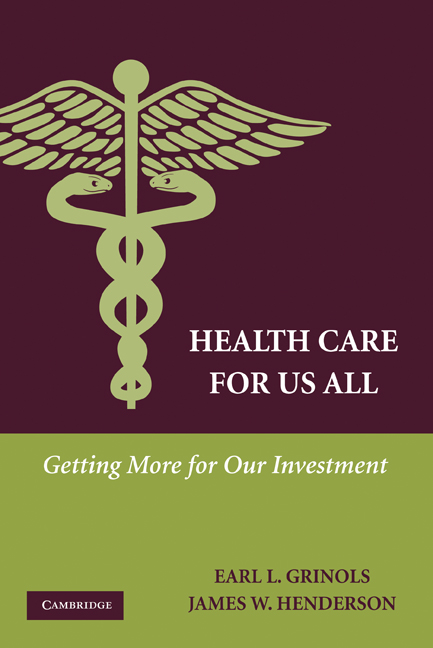
Health Care for Us All
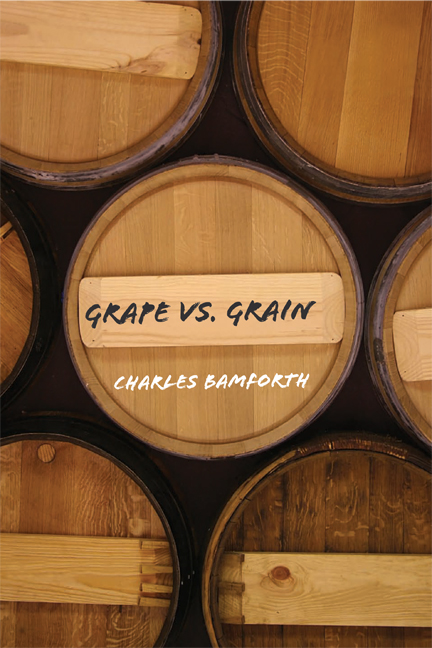
Grape vs. Grain
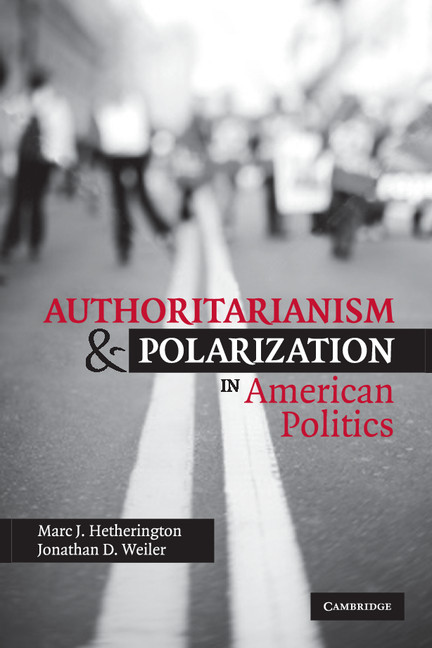
Authoritarianism and Polarization in American Politics
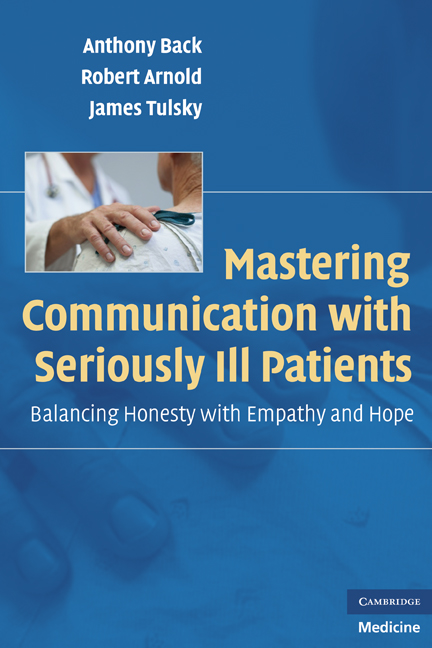
Mastering Communication with Seriously Ill Patients
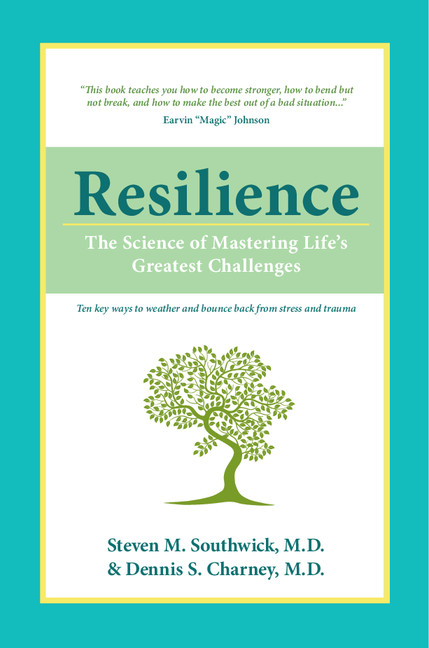
Resilience: The Science of Mastering Life\\\\\\\\\\\\\\\'s Greatest Challenges
Resilience: The Science of Mastering Life\\\\\\\'s Greatest Challenges
Introduction to Cancer Biology
Bioethics and the Future of Stem Cell Research
To receive updates on Medicine news from Cambridge University Press and Fifteen Eighty Four, please join our email list below. We will not disclose your email address to any third party