
Products and services


In days of 8-bit computers, one would sometimes encounter individuals who knew everything about a particular device or piece of software. Single programmers wrote entire applications or games, and some could debug their work by looking directly at a core dump (a printout of the numbers stored in the computer’s memory). Some even managed to […]
Read More
Peter L. Montgomery's contributions to computational number theory had a direct impact on our day-to-day information security life. In their new book, Joppe W. Bos and Arjen K. Lenstra elaborate on Montgomery's lasting impact.
Read More
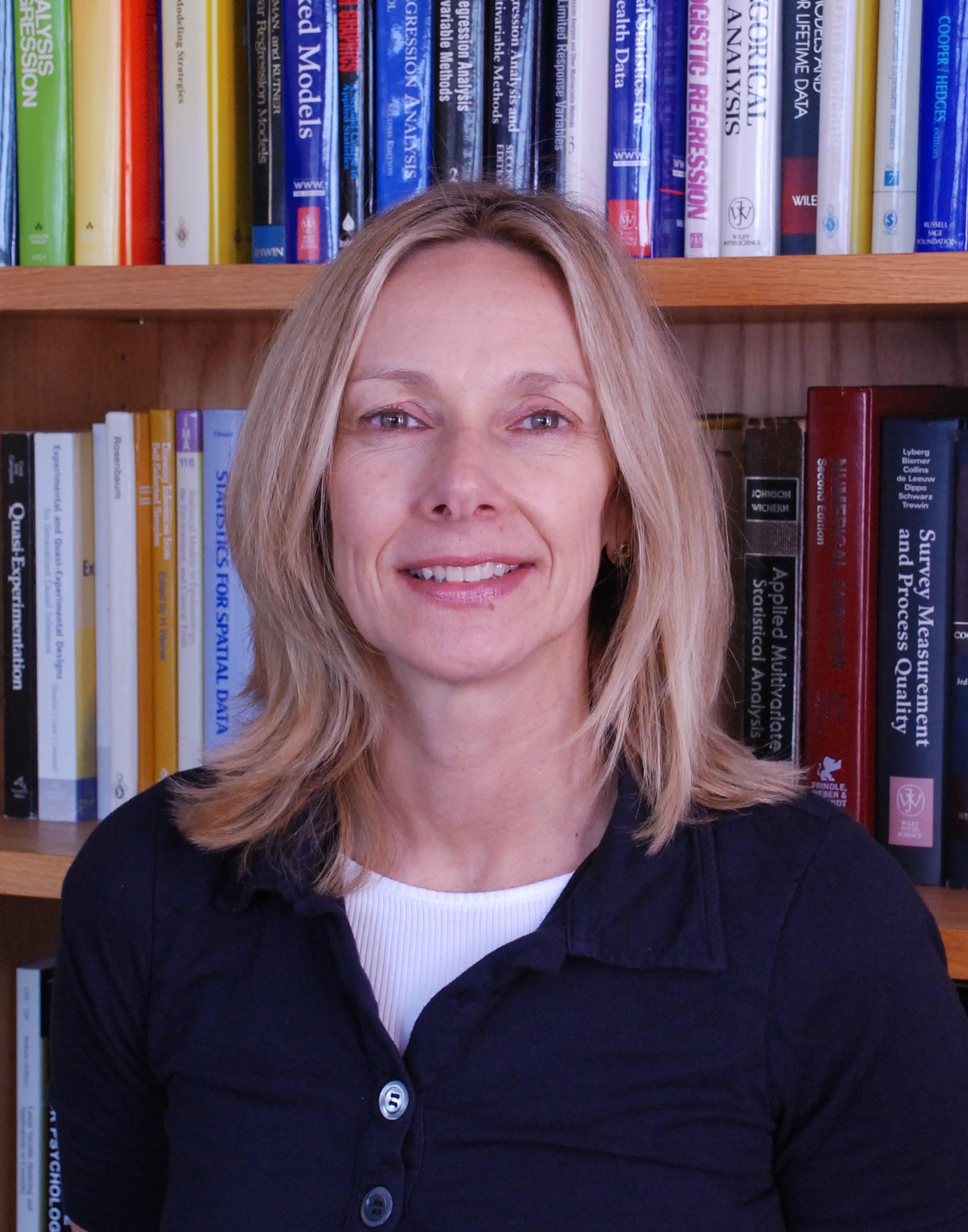
Phylogenetic trees and multiple sequence alignments are used in many biological analyses, including protein structure and function prediction, microbiome analysis, and the inference of human migrations. Yet, constructing these trees and alignments turns out to be much more difficult than expected on large datasets. Tandy Warnow explores these difficulties and how algorithm designers can best develop new methods to address these issues.
Read More
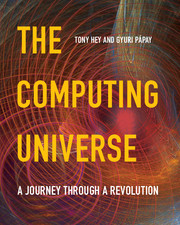
For the 150th anniversary of Marie Curie's birth Tony Hey author of The Computing Universe, 2015 looks at the life and legacy of the first computer programmer Ada Lovelace.
Read More
What do you do when faced with analyzing student ratings from 1 to 5 for 3 instructors in 3 classes? Aside from questioning the validity of students assessing instructor capability other than for the income generated by high enrollments, and that this is but a toy example, many naive analysts turn to the well-known analysis […]
Read More
My previous blog summarised the orthodox argument why adverse selection in insurance is a bad thing. This present blog gives the counter-argument from my book Loss Coverage: Why Insurance Works Better with Some Adverse Selection. In essence, the counter-argument relies only on simple arithmetic, and can be illustrated by a toy example. Think of a […]
Read MoreGuy Thomas explores why adverse selection in insurance is usually seen as a bad thing in the first of two blog posts based on his new book Loss Coverage.
Read More
Author Carola-Bibiane Schönlieb discusses her book, Partial Differential Equation Methods for Image Inpainting. How have automated PDEs changed the landscape of image ‘inpainting’? When Marcelo Bertalmio et al has proposed his PDE inpainting method in 2000 he was one of the first ones to use powerful concepts from applied analysis to mimic the work of museum […]
Read MoreKeep up with the latest from Cambridge University Press on our social media accounts.