How can the edicts of a sovereign power—monarch, democratic assembly, or other institutional arrangements—succeed to engender obligations for a multitude of subjects, most of whom hardly know (let alone approve of) the contents of such edicts? Stefano Bertea investigates.
Read MoreRandall Abate talks to us about his new book, Climate Change and the Voiceless, and how the law can protect those most vulnerable to the effects of Climate Change.
Read More2020 Democratic presidential candidates are attacking charter schools, education vouchers, and test-score-based teacher accountability schemes, even backtracking on their past support. Following other issue debates, education positions are polarizing along partisan and ideological lines. But unlike other areas, education polarization follows a long national move rightward—as many states increased alternatives to traditional public schools and […]
Read MoreOnce again, pro- and anti-abortion advocates are clashing across the United States. Will reigniting this conflict over defining moral issues spill over to influence abortion policy worldwide? Producing Reproductive Rights looks at the players around the globe who are both taking cues from this debate, as well as trying to influence it in their own […]
Read MoreThe quality of corporate governance, ie the effectiveness of institutions that contain agency costs, is a key component of asset allocation. In countries characterized by concentrated ownership, minority shareholder expropriation, also known as tunneling, is the main concern from the perspective of outside investors. Tunneling can be the outcome of a number of expropriation techniques. […]
Read MoreIs ownership of property obsolete? And what will our world look like without ownership? Consumers are gradually losing interest in owning personal property. Marie Kondo, an organizing guru turned into a new cultural phenomenon, tells us to discard of objects that do not bring us joy. This is not a simple or easy advice. The […]

Read MoreBack in early May of this year, several news outlets in the United States reported that the Trump administration was in the process of pardoning several US service personnel accused and convicted of war crimes. Bryan Peeler investigates from a Humanitarian Law angle.

Read MoreThe ten states now comprising the Association of Southeast Asian Nations have collectively become a major part of the world economy, bringing together over 600 million people including a growing middle class. Yet they are highly diverse in socio-economic development, political structure and legal traditions, as outlined in chapter 1 of our book. What hope […]

Read MoreHow can the edicts of a sovereign power—monarch, democratic assembly, or other institutional arran...
Read MoreRandall Abate talks to us about his new book, Climate Change and the Voiceless, and how the law can ...
Read More2020 Democratic presidential candidates are attacking charter schools, education vouchers, and test-score-based teacher accountability schemes, even backtracking on their past support. Following other issue debates, education positions are polarizing along partisan and ideological lines. But unlike other areas, education polarization follows a long national move rightward—as many states increased alternatives to traditional public schools and […]
Read MoreOnce again, pro- and anti-abortion advocates are clashing across the United States. Will reigniting this conflict over defining moral issues spill over to influence abortion policy worldwide? Producing Reproductive Rights looks at the players around the globe who are both taking cues from this debate, as well as trying to influence it in their own […]
Read MoreThe quality of corporate governance, ie the effectiveness of institutions that contain agency costs, is a key component of asset allocation. In countries characterized by concentrated ownership, minority shareholder expropriation, also known as tunneling, is the main concern from the perspective of outside investors. Tunneling can be the outcome of a number of expropriation techniques. […]
Read MoreIs ownership of property obsolete? And what will our world look like without ownership? Consumers are gradually losing interest in owning personal property. Marie Kondo, an organizing guru turned into a new cultural phenomenon, tells us to discard of objects that do not bring us joy. This is not a simple or easy advice. The […]
Read MoreBack in early May of this year, several news outlets in the United States reported that the Trump ad...
Read MoreThe ten states now comprising the Association of Southeast Asian Nations have collectively become a major part of the world economy, bringing together over 600 million people including a growing middle class. Yet they are highly diverse in socio-economic development, political structure and legal traditions, as outlined in chapter 1 of our book. What hope […]
Read MoreKeep up with the latest from Cambridge University Press on our social media accounts.
Contesting Immigration Policy in Court
Challenging Boardroom Homogeneity
Confronting the Internet\\\\\\\'s Dark Side
The Politics of Parliamentary Debate
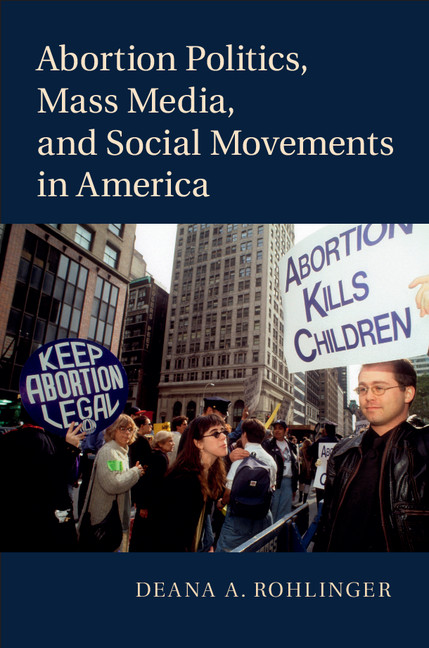
Abortion Politics, Mass Media, and Social Movements in America
Forging Rivals
The Implementation of the Findings of the African Commission on Human and Peoples\' Rights
Climate Change: A Wicked Problem
Strategically Created Treaty Conflicts and the Politics of International Law
Matt lloyd
University of Colorado Boulder
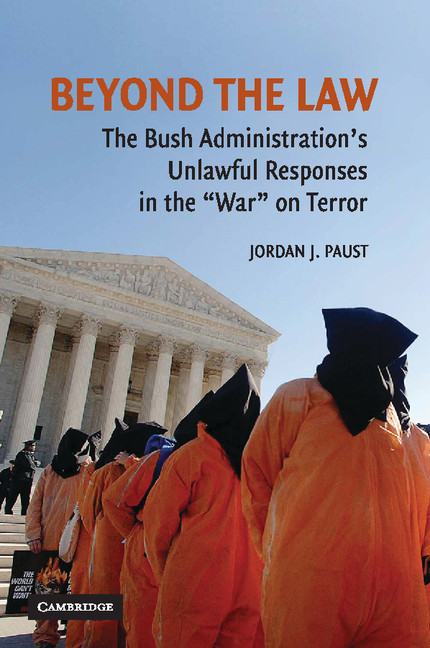
Beyond the Law
Mission and Money
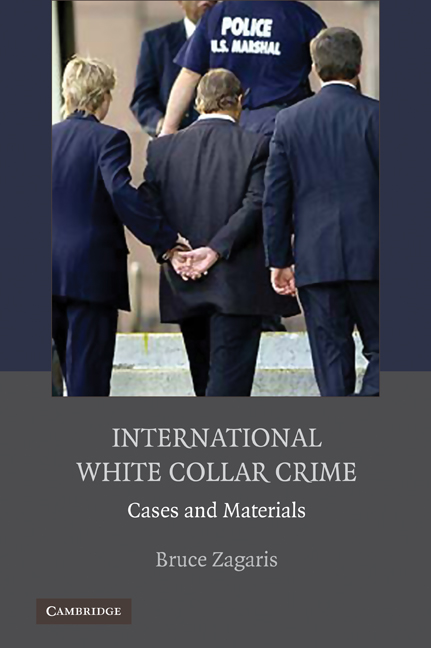
International White Collar Crime
Mission and Money
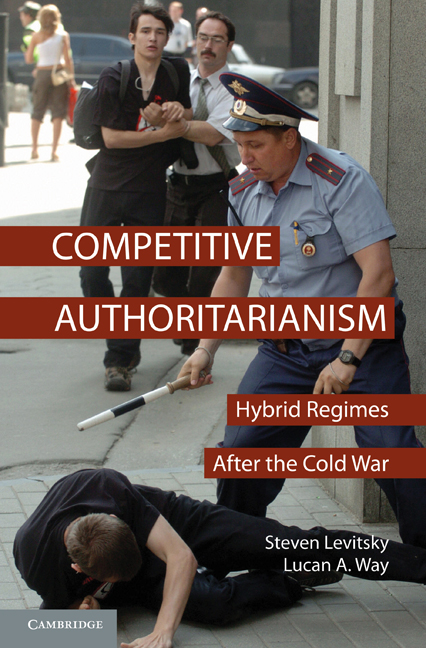
Competitive Authoritarianism
Moral Dilemmas of Modern War
Becoming A Candidate
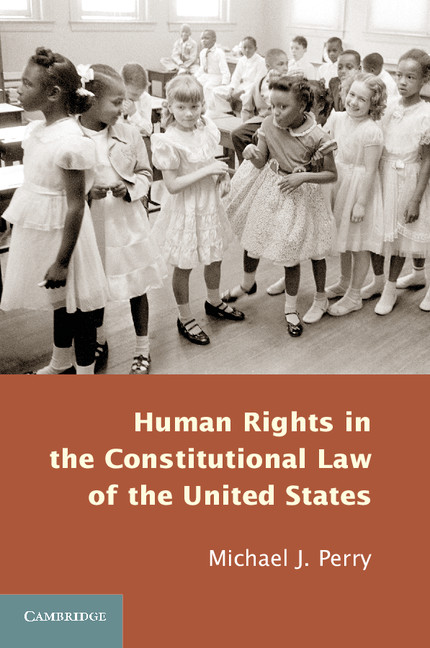
Human Rights in the Constitutional Law of the United States
Radicals in Their Own Time
Abortion Politics in Congress
Capitalism, For and Against
Srebrenica in the Aftermath of Genocide
The Paradox of Professionalism
Obama\\\'s Bank
The Immigration Battle in American Courts
I Do Solemnly Swear
After Bush
After Bush
Constitutional Illusions and Anchoring Truths
Mission and Money
Law\'s Allure
The Legitimacy Puzzle in Latin America
Srebrenica in the Aftermath of Genocide
The Political Economy of the American Frontier
The Natural Moral Law
Library marketing associate
Loving v. Virginia in a Post-Racial World

Against Intellectual Monopoly
A Nation of Immigrants
Peacebuilding in the African Union
Justice for Earthlings
The End of Straight Supremacy
Justice Denied
Confronting Cyber-Bullying
Presidents and Civil Liberties from Wilson to Obama
The Treason Trial of Aaron Burr
The International Diplomacy of Israel’s Founders
Stephen A. Douglas and Antebellum Democracy

Speech Out of Doors
Managing Cyber Attacks in International Law, Business, and Relations
Internet Privacy Rights
Developing Countries in the GATT Legal System
The Fascists and the Jews of Italy
A Transatlantic Community of Law
Presidential Legislation in India
Law and Identity in Colonial South Asia
Constitutions in Authoritarian Regimes
The International Distribution of News
Domestic Politics and International Human Rights Tribunals
State Strategies in International Bargaining
Sir Edward Coke and the Reformation of the Laws
Regulating Business for Peace
The Founders and the Idea of a National University
The Politics of Gay Marriage in Latin America
Public Service in EU Law
Laura F. Edwards, Duke University, North Carolina Laura F. Edwards is the Peabody Family Professor of History at Duke University. Her book The People and Their Peace: Legal Culture and the Transformation of Inequality in the Post-Revolutionary South was awarded the American Historical Association\\\\\\\'s 2009 Littleton–Griswold Prize for the best book in law and society and the Southern Historical Association\\\\\\\'s Charles Sydnor Prize for the best book in Southern history.
Popular Governance of Post-Conflict Reconstruction
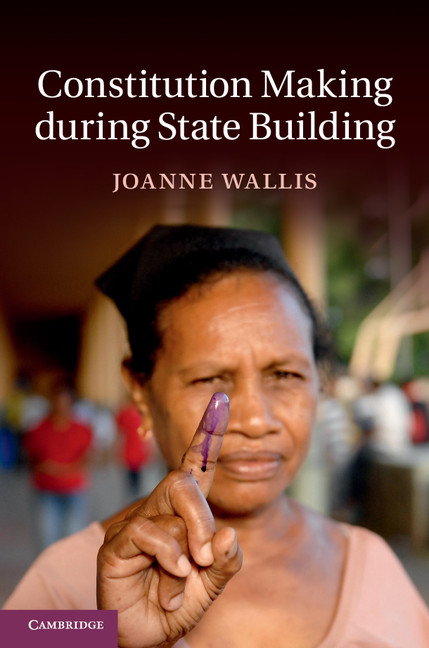
Constitution Making during State Building
European Consumer Access to Justice Revisited
The International Law of Disaster Relief
Human Rights in International Relations
Cybercrime: The Psychology of Online Offenders
Anarchy and Legal Order
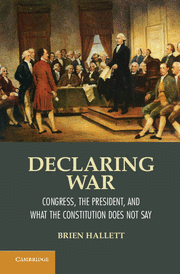
Declaring War
Marketing intern
Tallinn Manual on the International Law Applicable to Cyber Warfare
The Sierra Leone Special Court and Its Legacy
The Delimitation of the Continental Shelf between Denmark, Germany and the Netherlands
NATO Cooperative Cyber Defence Centre of Excellence
Publicist
To receive updates on Law & Government news from Cambridge University Press and Fifteen Eighty Four, please join our email list below. We will not disclose your email address to any third party