Fifty years ago, before the development of artificial reproductive technology, and when same-sex relationships and transgender individuals were unrecognised by the law, the question of who was a child’s mother was so obvious as not to warrant judicial or legislative attention. However, the social shape and legal understanding of the family has dramatically changed over […]
Read MoreA common language and forum for debate on state transitions is essential today. Our age is indeed characterised by the increasing involvement of diplomatic actors in the constitutional and transitional affairs of other states. Constitution-making and transitions are seen as panacea – almost magic formula. Political and diplomatic reactions to crisis and conflict in Algeria, […]

Read MoreOn July 9, 2011, it was announced with great fanfare that South Sudan had become the world’s newest nation state. As new countries are wont to do, that very day President Salva Kiir promulgated a new Constitution, the Transitional Constitution of the Republic of South Sudan. With substantial input from international actors and academics, the […]
Read MoreThe International Criminal Court (ICC) has the dubious honor of being among the most visible focal points for conflicted U.S. attitudes toward the international legal order. Tensions between the U.S. and the ICC, never entirely absent, have now been renewed after the ICC Appeals Chamber authorized the long-delayed investigation into alleged war crimes committed during […]
Read MorePart 1 outlines the rapid worldwide use of mobile phone location data for contact tracing purposes. Part 2 concludes by examining how information privacy law protections apply now and how they should apply in the future, especially in relation to new forms of modulated power. What about the application of current information privacy law protections?Part […]
Read MoreIt’s a scenario that’s been on the very top of every cybersecurity official’s list of nightmares for a good while now: a cyberattack targeting critical IT infrastructures of a hospital, bringing all lifesaving operations to a halt with potentially deadly consequences. Unsurprisingly, these persistent anxieties have only increased in the midst of a global pandemic […]
Read MoreImagine you’re a policymaker who wants to expand parental choice of private education. You’re not alone: sixty school voucher programs operate across the United States, offering hundreds of thousands of families the money to pay for private school tuition. Virtually all of them were created in the last two decades. What explains this explosive recent […]
Read MoreShould we forgo information privacy law protections for COVID-19 mobile phone contact tracing? Governments worldwide view contact tracing as a key tool to mitigate COVID-19 community transmission. Contact tracing investigations are time-consuming and labour intensive. They involve numerous interviews that retrace the recent location histories of positively identified individuals to ascertain potential sources of transmission. […]
Read MoreFifty years ago, before the development of artificial reproductive technology, and when same-sex relationships and transgender individuals were unrecognised by the law, the question of who was a child’s mother was so obvious as not to warrant judicial or legislative attention. However, the social shape and legal understanding of the family has dramatically changed over […]
Read MoreA common language and forum for debate on state transitions is essential today. Our age is indeed characterised by the increasing involvement of diplomatic actors in the constitutional and transitional affairs of other states. Constitution-making and transitions are seen as panacea – almost magic formula. Political and diplomatic reactions to crisis and conflict in Algeria, […]
Read MoreOn July 9, 2011, it was announced with great fanfare that South Sudan had become the world’s newest nation state. As new countries are wont to do, that very day President Salva Kiir promulgated a new Constitution, the Transitional Constitution of the Republic of South Sudan. With substantial input from international actors and academics, the […]
Read MoreThe International Criminal Court (ICC) has the dubious honor of being among the most visible focal points for conflicted U.S. attitudes toward the international legal order. Tensions between the U.S. and the ICC, never entirely absent, have now been renewed after the ICC Appeals Chamber authorized the long-delayed investigation into alleged war crimes committed during […]
Read MorePart 1 outlines the rapid worldwide use of mobile phone location data for contact tracing purposes. Part 2 concludes by examining how information privacy law protections apply now and how they should apply in the future, especially in relation to new forms of modulated power. What about the application of current information privacy law protections?Part […]
Read MoreIt’s a scenario that’s been on the very top of every cybersecurity official’s list of nightmares for a good while now: a cyberattack targeting critical IT infrastructures of a hospital, bringing all lifesaving operations to a halt with potentially deadly consequences. Unsurprisingly, these persistent anxieties have only increased in the midst of a global pandemic […]
Read MoreImagine you’re a policymaker who wants to expand parental choice of private education. You’re not alone: sixty school voucher programs operate across the United States, offering hundreds of thousands of families the money to pay for private school tuition. Virtually all of them were created in the last two decades. What explains this explosive recent […]
Read MoreShould we forgo information privacy law protections for COVID-19 mobile phone contact tracing? Governments worldwide view contact tracing as a key tool to mitigate COVID-19 community transmission. Contact tracing investigations are time-consuming and labour intensive. They involve numerous interviews that retrace the recent location histories of positively identified individuals to ascertain potential sources of transmission. […]
Read MoreKeep up with the latest from Cambridge University Press on our social media accounts.
Contesting Immigration Policy in Court
Challenging Boardroom Homogeneity
Confronting the Internet\\\\\\\'s Dark Side
The Politics of Parliamentary Debate
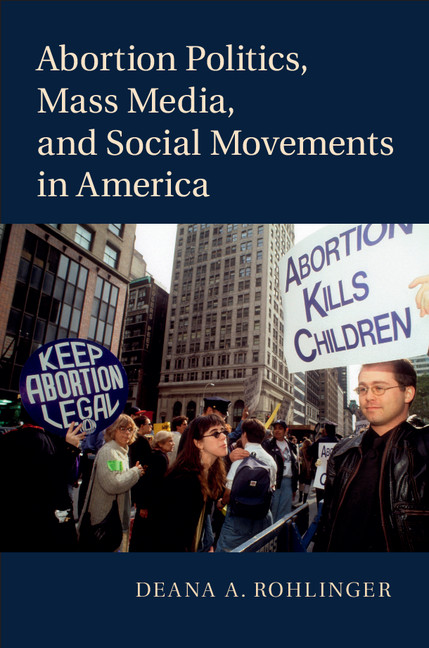
Abortion Politics, Mass Media, and Social Movements in America
Forging Rivals
The Implementation of the Findings of the African Commission on Human and Peoples\' Rights
Climate Change: A Wicked Problem
Strategically Created Treaty Conflicts and the Politics of International Law
Matt lloyd
University of Colorado Boulder
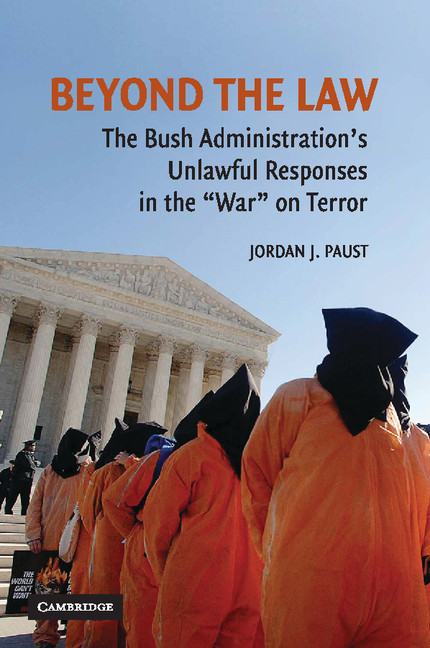
Beyond the Law
Mission and Money
International White Collar Crime
Mission and Money
Competitive Authoritarianism
Moral Dilemmas of Modern War
Becoming A Candidate
Human Rights in the Constitutional Law of the United States
Radicals in Their Own Time
Abortion Politics in Congress
Capitalism, For and Against
Srebrenica in the Aftermath of Genocide
The Paradox of Professionalism
Obama\\\'s Bank
The Immigration Battle in American Courts
I Do Solemnly Swear
After Bush
After Bush
Constitutional Illusions and Anchoring Truths
Mission and Money
Law\'s Allure
The Legitimacy Puzzle in Latin America
Srebrenica in the Aftermath of Genocide
The Political Economy of the American Frontier
The Natural Moral Law
Library marketing associate
Loving v. Virginia in a Post-Racial World

Against Intellectual Monopoly
A Nation of Immigrants
Peacebuilding in the African Union
Justice for Earthlings
The End of Straight Supremacy
Justice Denied
Confronting Cyber-Bullying
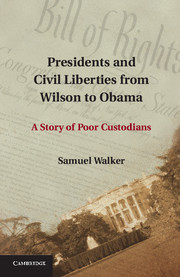
Presidents and Civil Liberties from Wilson to Obama
The Treason Trial of Aaron Burr
The International Diplomacy of Israel’s Founders
Stephen A. Douglas and Antebellum Democracy

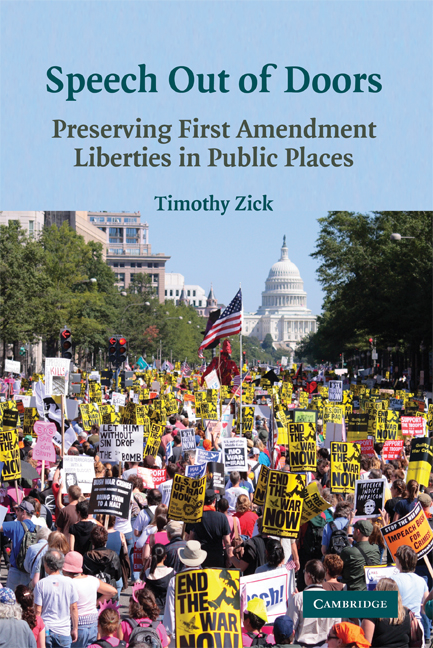
Speech Out of Doors
Managing Cyber Attacks in International Law, Business, and Relations
Internet Privacy Rights
Developing Countries in the GATT Legal System
The Fascists and the Jews of Italy
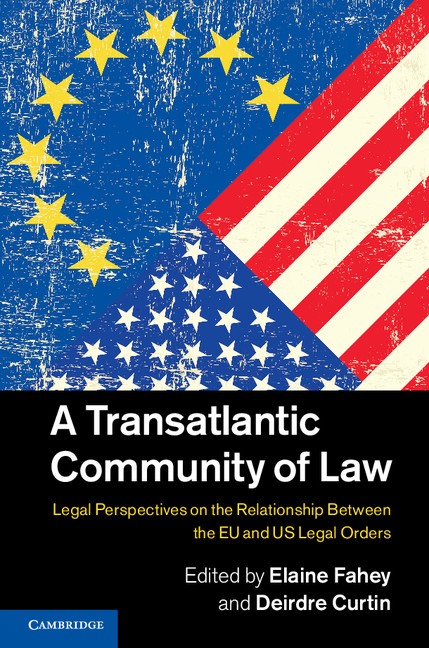
A Transatlantic Community of Law
Presidential Legislation in India
Law and Identity in Colonial South Asia
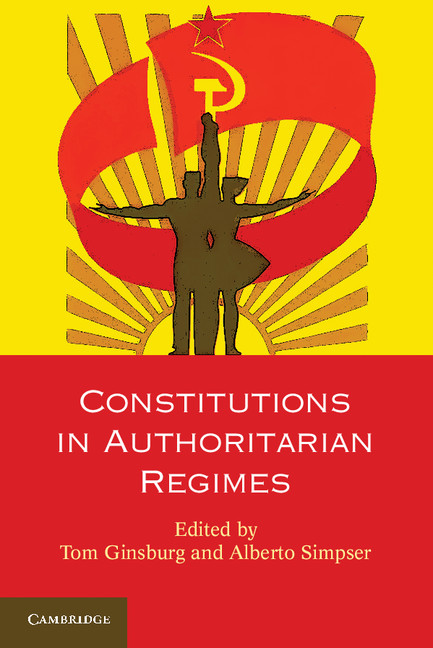
Constitutions in Authoritarian Regimes
The International Distribution of News
Domestic Politics and International Human Rights Tribunals
State Strategies in International Bargaining
Sir Edward Coke and the Reformation of the Laws
Regulating Business for Peace
The Founders and the Idea of a National University
The Politics of Gay Marriage in Latin America
Public Service in EU Law
Laura F. Edwards, Duke University, North Carolina Laura F. Edwards is the Peabody Family Professor of History at Duke University. Her book The People and Their Peace: Legal Culture and the Transformation of Inequality in the Post-Revolutionary South was awarded the American Historical Association\\\\\\\'s 2009 Littleton–Griswold Prize for the best book in law and society and the Southern Historical Association\\\\\\\'s Charles Sydnor Prize for the best book in Southern history.
Popular Governance of Post-Conflict Reconstruction
Constitution Making during State Building
European Consumer Access to Justice Revisited
The International Law of Disaster Relief
Human Rights in International Relations
Cybercrime: The Psychology of Online Offenders
Anarchy and Legal Order
Declaring War
Marketing intern
Tallinn Manual on the International Law Applicable to Cyber Warfare
The Sierra Leone Special Court and Its Legacy
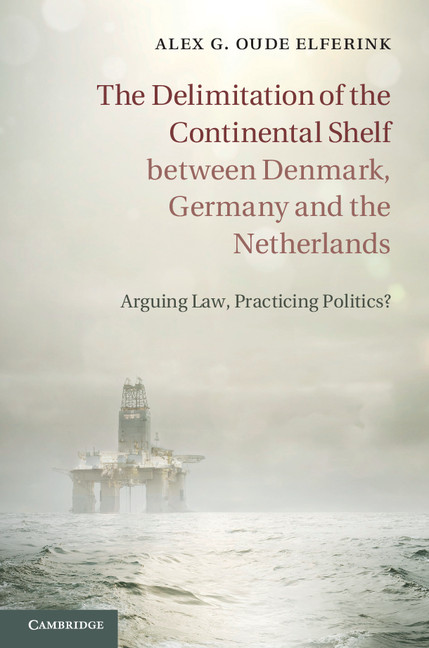
The Delimitation of the Continental Shelf between Denmark, Germany and the Netherlands
NATO Cooperative Cyber Defence Centre of Excellence
Publicist
To receive updates on Law & Government news from Cambridge University Press and Fifteen Eighty Four, please join our email list below. We will not disclose your email address to any third party