In 1764, the Italian philosopher Cesare Beccaria (1738-1794) published a book, Dei delitti e delle pene, that remains one of the seminal works of the Enlightenment. A law graduate of the University of Pavia, Beccaria wrote the book in his mid-20s as a member of a Milanese literary society called L’Accademia dei pugni—the Academy of […]
Read MoreSovereign states usually go into default when they are unable to repay their debts owed to creditors as a result of a balance-of-payment crisis. Both Argentina, amidst the historical financial crisis in 2001, and Sri Lanka, which declared itself ‘bankrupt’ during its recent economic turmoil, fall into this category. A sovereign state may even deliberately […]
Read MoreGiven the primacy accorded to the protection of civilians by the United Nations (UN) Security Council and individual UN agencies and bodies, one would expect there to be a system-wide UN policy on the issue. But there is not. In the work International Law and Policy on the Protection of Civilians, which I co-authored with […]
Read MoreClimate change, mass extinction, deforestation, desertification, and increasing pollution and toxicity of the air, water, and land: Uncontainable by national borders, these are quintessentially global concerns for which peoples and states have turned to international law for solutions. This edited collection asks how international lawyers have understood the environment: What exactly is it and how […]

Read MoreTraditionally, the majority of human rights pertain to physical actions and visible objects in the outside world. To a far lesser degree, they protect our internal lives, such as emotions, intentions, memories, and other mental states. Because our internal, mental lives have been conceived inaccessible to the outside world, their legal protection may have seemed […]

Read MoreIntroduction Most of us take for granted the freedom to live our lives in the ways that we choose, with restrictions on our freedom only limited by the extent to which they harm others. While we may be more used to having those free choices interfered with following the restrictions imposed during the Covid-19 pandemic, […]

Read MoreThrough numerous international agreements, states promise their respective treaty partners to accord foreign investors and their investments protection from unlawful state encroachments as well as violence by third parties. In case these guarantees are violated, individual investors may initiate arbitral proceedings against their host state and claim damages. From the perspective of investors, this protection […]

Read MoreWho matters in global politics? For a long time, the answer the majority of International Relations (IR) scholarship gave was simple: states. Then, gradually new actors appeared on the stage of global politics, or those who always had been there received more attention: Civil society actors, multinational corporations, international organisations, international courts and tribunals, and […]
Read MoreIn 1764, the Italian philosopher Cesare Beccaria (1738-1794) published a book, Dei delitti e delle pene, that remains one of the seminal works of the Enlightenment. A law graduate of the University of Pavia, Beccaria wrote the book in his mid-20s as a member of a Milanese literary society called L’Accademia dei pugni—the Academy of […]
Read MoreSovereign states usually go into default when they are unable to repay their debts owed to creditors as a result of a balance-of-payment crisis. Both Argentina, amidst the historical financial crisis in 2001, and Sri Lanka, which declared itself ‘bankrupt’ during its recent economic turmoil, fall into this category. A sovereign state may even deliberately […]
Read MoreGiven the primacy accorded to the protection of civilians by the United Nations (UN) Security Council and individual UN agencies and bodies, one would expect there to be a system-wide UN policy on the issue. But there is not. In the work International Law and Policy on the Protection of Civilians, which I co-authored with […]
Read MoreClimate change, mass extinction, deforestation, desertification, and increasing pollution and toxicity of the air, water, and land: Uncontainable by national borders, these are quintessentially global concerns for which peoples and states have turned to international law for solutions. This edited collection asks how international lawyers have understood the environment: What exactly is it and how […]
Read MoreTraditionally, the majority of human rights pertain to physical actions and visible objects in the outside world. To a far lesser degree, they protect our internal lives, such as emotions, intentions, memories, and other mental states. Because our internal, mental lives have been conceived inaccessible to the outside world, their legal protection may have seemed […]
Read MoreIntroduction Most of us take for granted the freedom to live our lives in the ways that we choose, with restrictions on our freedom only limited by the extent to which they harm others. While we may be more used to having those free choices interfered with following the restrictions imposed during the Covid-19 pandemic, […]
Read MoreThrough numerous international agreements, states promise their respective treaty partners to accord foreign investors and their investments protection from unlawful state encroachments as well as violence by third parties. In case these guarantees are violated, individual investors may initiate arbitral proceedings against their host state and claim damages. From the perspective of investors, this protection […]
Read MoreWho matters in global politics? For a long time, the answer the majority of International Relations (IR) scholarship gave was simple: states. Then, gradually new actors appeared on the stage of global politics, or those who always had been there received more attention: Civil society actors, multinational corporations, international organisations, international courts and tribunals, and […]
Read MoreKeep up with the latest from Cambridge University Press on our social media accounts.
Independent Politics
Opposing the Rule of Law
Contesting Immigration Policy in Court
Challenging Boardroom Homogeneity
Confronting the Internet\\\\\\\'s Dark Side
The Politics of Parliamentary Debate
Abortion Politics, Mass Media, and Social Movements in America
Forging Rivals
The Implementation of the Findings of the African Commission on Human and Peoples\' Rights
Climate Change: A Wicked Problem
Strategically Created Treaty Conflicts and the Politics of International Law
Language and the Law
Beyond the Law
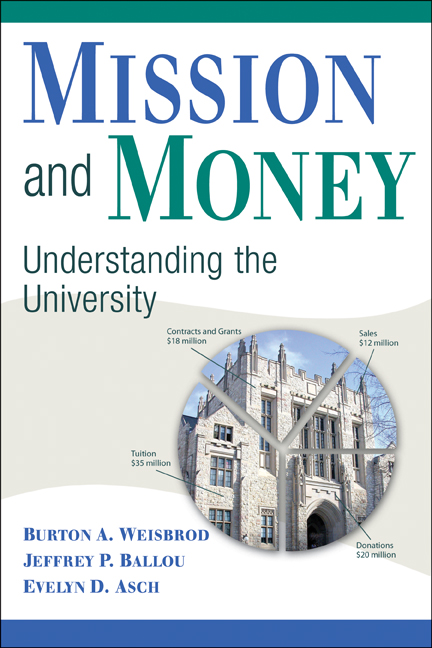
Mission and Money
International White Collar Crime
Mission and Money
Competitive Authoritarianism
Moral Dilemmas of Modern War
Becoming A Candidate
Human Rights in the Constitutional Law of the United States
Radicals in Their Own Time
Abortion Politics in Congress
Capitalism, For and Against
Srebrenica in the Aftermath of Genocide
The Paradox of Professionalism
Obama\\\'s Bank
The Immigration Battle in American Courts
I Do Solemnly Swear
After Bush
After Bush
Constitutional Illusions and Anchoring Truths
Mission and Money
Law\'s Allure
The Legitimacy Puzzle in Latin America
Srebrenica in the Aftermath of Genocide
The Political Economy of the American Frontier
The Natural Moral Law
Library marketing associate
Loving v. Virginia in a Post-Racial World

Against Intellectual Monopoly
A Nation of Immigrants
Peacebuilding in the African Union
Justice for Earthlings
The End of Straight Supremacy
Justice Denied
Confronting Cyber-Bullying
Presidents and Civil Liberties from Wilson to Obama
The Treason Trial of Aaron Burr
The International Diplomacy of Israel’s Founders
Stephen A. Douglas and Antebellum Democracy

Speech Out of Doors
Managing Cyber Attacks in International Law, Business, and Relations
Internet Privacy Rights
Developing Countries in the GATT Legal System
The Fascists and the Jews of Italy
A Transatlantic Community of Law
Presidential Legislation in India
Law and Identity in Colonial South Asia
Constitutions in Authoritarian Regimes
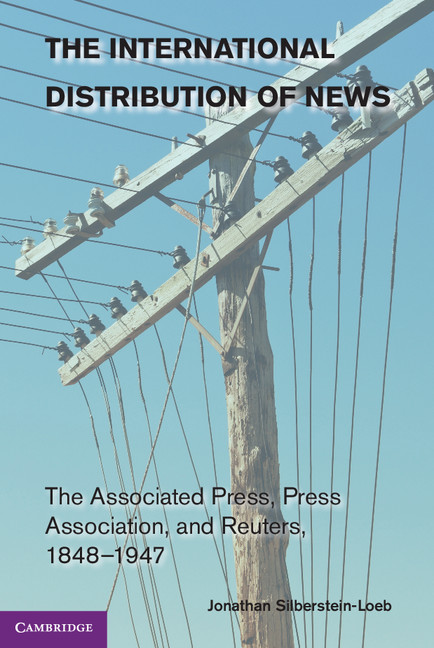
The International Distribution of News
Domestic Politics and International Human Rights Tribunals
State Strategies in International Bargaining
Sir Edward Coke and the Reformation of the Laws
Regulating Business for Peace
The Founders and the Idea of a National University
The Politics of Gay Marriage in Latin America
Public Service in EU Law
Laura F. Edwards, Duke University, North Carolina Laura F. Edwards is the Peabody Family Professor of History at Duke University. Her book The People and Their Peace: Legal Culture and the Transformation of Inequality in the Post-Revolutionary South was awarded the American Historical Association\\\\\\\'s 2009 Littleton–Griswold Prize for the best book in law and society and the Southern Historical Association\\\\\\\'s Charles Sydnor Prize for the best book in Southern history.
Popular Governance of Post-Conflict Reconstruction
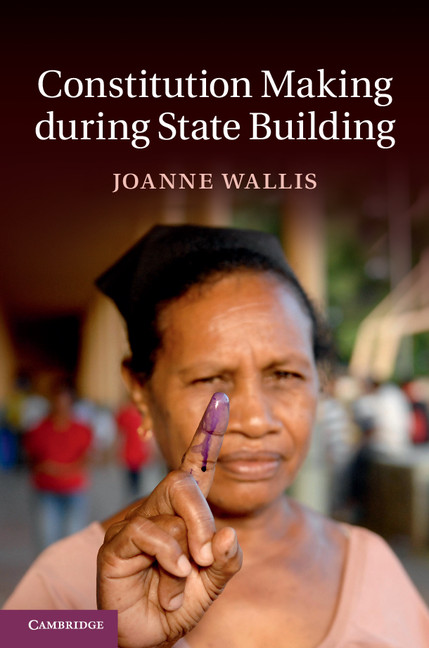
Constitution Making during State Building
European Consumer Access to Justice Revisited
The International Law of Disaster Relief
Human Rights in International Relations
Cybercrime: The Psychology of Online Offenders
Anarchy and Legal Order
Declaring War
Marketing intern
Tallinn Manual on the International Law Applicable to Cyber Warfare
On Dissent
On Dissent
Dressing Constitutionally
The Sierra Leone Special Court and Its Legacy
The Delimitation of the Continental Shelf between Denmark, Germany and the Netherlands
NATO Cooperative Cyber Defence Centre of Excellence
Publicist
To receive updates on Law & Government news from Cambridge University Press and Fifteen Eighty Four, please join our email list below. We will not disclose your email address to any third party