For you reading this text on the Cambridge University Press blog, life without access to the internet has probably become unthinkable. We have become dependent on it for many things we do. But online access is not just a matter of convenience or doing things faster. Rather, without the internet, there would be no Fifteen […]
Read MoreThe ascendance of secondary sanctions We live in an age of economic sanctions, of powerful states imposing restrictions on commercial and financial transactions with other states (and non-state actors) to achieve political goals. In particular, states that control key nodes in the global financial, economic and technological network can leverage global economic interdependence and wield […]
Read MoreThe United States is divided over politics, and each major political coalition advances a distinct constitutional vision that aligns with its policy goals. Conservatives interpret the Constitution to protect religion, limit gun control, and obstruct federal administrative governance while allowing state-level regulation of moral questions like abortion. Progressives see a mirror-image constitution that advances social […]

Read MoreIn a world largely shaped by Silicon Valley tech giants, the BRICS countries—Brazil, Russia, India, China, and South Africa, now expanding to new members —are emerging as influential players in the realm of digital policy and innovation. With 40% of the world’s population and a quarter of global GDP, the BRICS nations command substantial resources, […]
Read More“Demagoguery and the decline of democracy” This is the subtitle of my new book with CUP. But it might just as well be a headline on 5 November 2024 when Donald Trump was voted 47th president of the United States. There is wide consensus that his choice of far-right cronies to his government is a […]
Read MoreModern slavery is regarded as a global problem of epic proportions. The 2021 Global Estimates on Modern Slavery contends that on any given day there are 50 million people in situations of modern slavery, of whom 27.6 million are in forced labour. Although there is a growing literature challenging these figures, my book, Constructing Modern […]

Read MoreFor most people, their family is the most important aspect of their life. The concept of ‘family’ is central to individual identity but an understanding of what constitutes a ‘family’ as well as how it interacts with law is of enormous importance also to the society. Defining the concept of ‘family’ remains complex and contentious. […]
Read MoreIn an era of increasing partisan conflict and ideological division in the U.S. Congress, primaryelections are frequently blamed. In my new book, Party Transformation in CongressionalPrimaries: Faction and Ideology in the Twenty-First Century, I explore how the dynamics ofprimary competition fundamentally changed in recent decades, contributing to the ideologicalpolarization of parties in Congress. Through original […]
Read MoreFor you reading this text on the Cambridge University Press blog, life without access to the internet has probably become unthinkable. We have become dependent on it for many things we do. But online access is not just a matter of convenience or doing things faster. Rather, without the internet, there would be no Fifteen […]
Read MoreThe ascendance of secondary sanctions We live in an age of economic sanctions, of powerful states imposing restrictions on commercial and financial transactions with other states (and non-state actors) to achieve political goals. In particular, states that control key nodes in the global financial, economic and technological network can leverage global economic interdependence and wield […]
Read MoreThe United States is divided over politics, and each major political coalition advances a distinct constitutional vision that aligns with its policy goals. Conservatives interpret the Constitution to protect religion, limit gun control, and obstruct federal administrative governance while allowing state-level regulation of moral questions like abortion. Progressives see a mirror-image constitution that advances social […]
Read MoreIn a world largely shaped by Silicon Valley tech giants, the BRICS countries—Brazil, Russia, India, China, and South Africa, now expanding to new members —are emerging as influential players in the realm of digital policy and innovation. With 40% of the world’s population and a quarter of global GDP, the BRICS nations command substantial resources, […]
Read More“Demagoguery and the decline of democracy” This is the subtitle of my new book with CUP. But it might just as well be a headline on 5 November 2024 when Donald Trump was voted 47th president of the United States. There is wide consensus that his choice of far-right cronies to his government is a […]
Read MoreModern slavery is regarded as a global problem of epic proportions. The 2021 Global Estimates on Modern Slavery contends that on any given day there are 50 million people in situations of modern slavery, of whom 27.6 million are in forced labour. Although there is a growing literature challenging these figures, my book, Constructing Modern […]
Read MoreFor most people, their family is the most important aspect of their life. The concept of ‘family’ is central to individual identity but an understanding of what constitutes a ‘family’ as well as how it interacts with law is of enormous importance also to the society. Defining the concept of ‘family’ remains complex and contentious. […]
Read MoreIn an era of increasing partisan conflict and ideological division in the U.S. Congress, primaryelections are frequently blamed. In my new book, Party Transformation in CongressionalPrimaries: Faction and Ideology in the Twenty-First Century, I explore how the dynamics ofprimary competition fundamentally changed in recent decades, contributing to the ideologicalpolarization of parties in Congress. Through original […]
Read MoreKeep up with the latest from Cambridge University Press on our social media accounts.
Independent Politics
Opposing the Rule of Law
Contesting Immigration Policy in Court
Challenging Boardroom Homogeneity
Confronting the Internet\\\\\\\'s Dark Side
The Politics of Parliamentary Debate
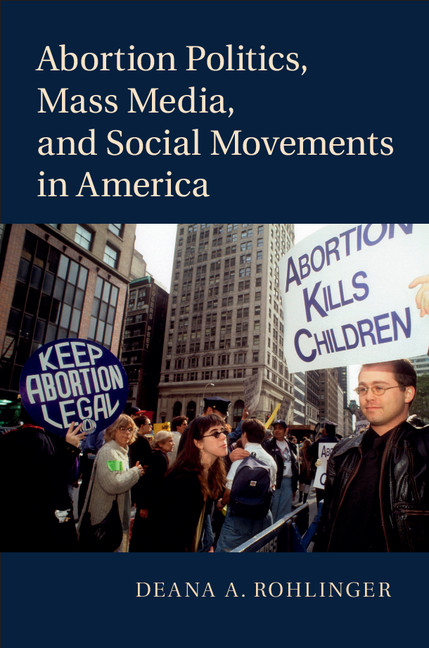
Abortion Politics, Mass Media, and Social Movements in America
Forging Rivals
The Implementation of the Findings of the African Commission on Human and Peoples\' Rights
Climate Change: A Wicked Problem
Strategically Created Treaty Conflicts and the Politics of International Law
Language and the Law
Beyond the Law
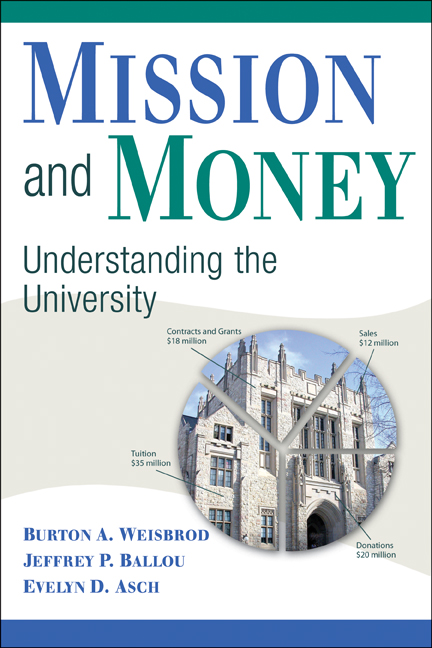
Mission and Money
International White Collar Crime
Mission and Money
Competitive Authoritarianism
Moral Dilemmas of Modern War
Becoming A Candidate
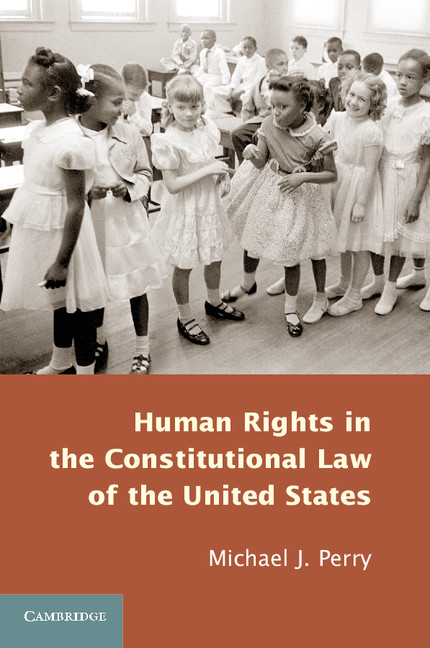
Human Rights in the Constitutional Law of the United States
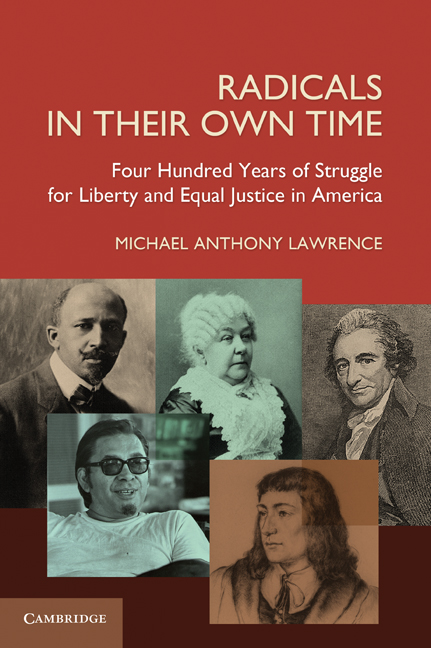
Radicals in Their Own Time
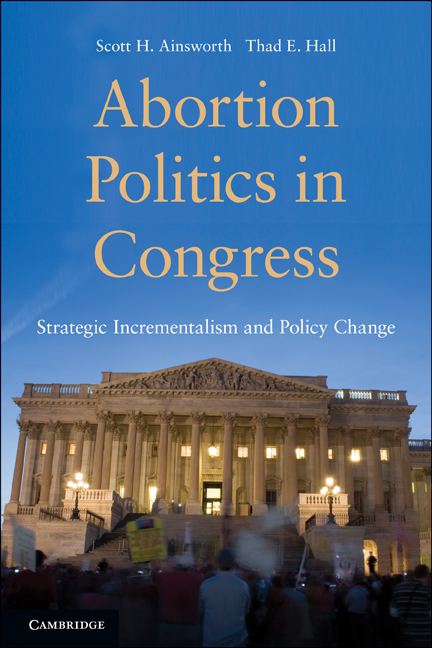
Abortion Politics in Congress
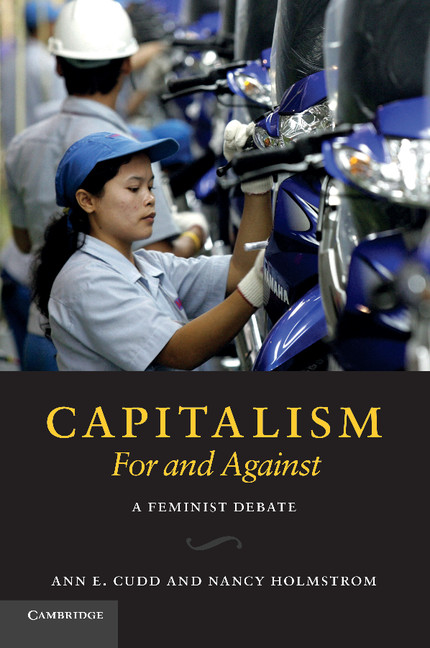
Capitalism, For and Against
Srebrenica in the Aftermath of Genocide
The Paradox of Professionalism
Obama\\\'s Bank
The Immigration Battle in American Courts
I Do Solemnly Swear
After Bush
After Bush
Constitutional Illusions and Anchoring Truths
Mission and Money
Law\'s Allure
The Legitimacy Puzzle in Latin America
Srebrenica in the Aftermath of Genocide
The Political Economy of the American Frontier
The Natural Moral Law
Library marketing associate
Loving v. Virginia in a Post-Racial World
Against Intellectual Monopoly
A Nation of Immigrants
Peacebuilding in the African Union
Justice for Earthlings
The End of Straight Supremacy
Justice Denied
Confronting Cyber-Bullying
Presidents and Civil Liberties from Wilson to Obama
The Treason Trial of Aaron Burr
The International Diplomacy of Israel’s Founders
Stephen A. Douglas and Antebellum Democracy

Speech Out of Doors
Managing Cyber Attacks in International Law, Business, and Relations
Internet Privacy Rights
Developing Countries in the GATT Legal System
The Fascists and the Jews of Italy
A Transatlantic Community of Law
Presidential Legislation in India
Law and Identity in Colonial South Asia
Constitutions in Authoritarian Regimes
The International Distribution of News
Domestic Politics and International Human Rights Tribunals
State Strategies in International Bargaining
Sir Edward Coke and the Reformation of the Laws
Regulating Business for Peace
The Founders and the Idea of a National University
The Politics of Gay Marriage in Latin America
Public Service in EU Law
Laura F. Edwards, Duke University, North Carolina Laura F. Edwards is the Peabody Family Professor of History at Duke University. Her book The People and Their Peace: Legal Culture and the Transformation of Inequality in the Post-Revolutionary South was awarded the American Historical Association\\\\\\\'s 2009 Littleton–Griswold Prize for the best book in law and society and the Southern Historical Association\\\\\\\'s Charles Sydnor Prize for the best book in Southern history.
Popular Governance of Post-Conflict Reconstruction
Constitution Making during State Building
European Consumer Access to Justice Revisited
The International Law of Disaster Relief
Human Rights in International Relations
Cybercrime: The Psychology of Online Offenders
Anarchy and Legal Order
Declaring War
Marketing intern
Tallinn Manual on the International Law Applicable to Cyber Warfare
On Dissent
On Dissent
Dressing Constitutionally
The Sierra Leone Special Court and Its Legacy
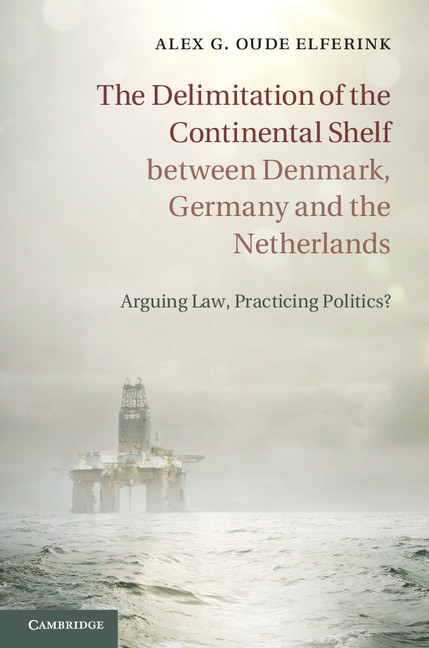
The Delimitation of the Continental Shelf between Denmark, Germany and the Netherlands
NATO Cooperative Cyber Defence Centre of Excellence
Publicist
To receive updates on Law & Government news from Cambridge University Press and Fifteen Eighty Four, please join our email list below. We will not disclose your email address to any third party