Before we venture into a detailed analysis of interactional rituals and distance keeping, an interesting phenomenon worth considering is ‘covidiotism’ and its relationship with interactional rituals. People react in different ways to social distancing, with some even creating their own interactional rituals to substitute those removed by social distancing. Many of these people have been […]
Read MoreWhen we examine the relationship between interactional rituals and social distancing, we need to ask ourselves what type of ritual we are dealing with. Dániel Kádár (2013) distinguished 4 types of ritual in his book Relational Rituals and Communication: Ritual Interaction in Groups, namely: Social rituals In-group rituals Personal rituals Clinical (covert) rituals Obviously, many […]
Read MoreWhy are interactional rituals such an integral part of our daily lives? This is a particularly interesting question and one which is worth investigating. Rituals have existed since the dawn of humanity and, according to many historians, human societies have undergone a major ‘deritualisation’ process. ‘Deritualisation’ refers to how, following the industrialisation of many societies, […]
Read MoreOn the afternoon of 23 May, the Culture Secretary, Oliver Dowden, tweeted that ‘Dom Cummings followed the guidelines and looked after his family. End of story.’ Despite Dowden’s emphatic assertion, this wasn’t the end of things by any means. The ‘story’ – centring around Cummings’s flouting of the lockdown regulations with his cross-country trip to […]
Read MoreWhy do societies and groups of people develop rituals? The answer is to ‘encode’ rights and obligations in particular social relationships, and also to acquire interactional patterns through which our relationships are reinforced or altered. Take greeting as an example. In certain relationships we are supposed to ritually greet one another, and in some relationships […]
Read MoreThe emergence and spread of COVID-19 has led to increased discrimination against Asian people, and specifically led to anti-Chinese prejudice. The virus is believed to have originated in a wet market in Wuhan, China, in 2019. This has inspired some people to brand it “the Wuhan virus”, “the Chinese virus”, or even the “Kung flu.” […]
Read MoreSuccessful social distancing is, in our view, of equal importance in the fight against the coronavirus as the development of a vaccine. It raises difficulties from both an academic and a practical point of view because social distancing runs counter to our most basic social interactional instincts. It is well known that humans are social […]
Read MorePlagues, pestilence, inundations and devastations, usually visited upon a complacent people, are as old as our oldest myths (perhaps we should have paid them more attention). But in Covid-19 and the global misery and havoc it is causing there is also something new and terrifying, never encountered in quite this way before. And as with […]
Read MoreBefore we venture into a detailed analysis of interactional rituals and distance keeping, an interesting phenomenon worth considering is ‘covidiotism’ and its relationship with interactional rituals. People react in different ways to social distancing, with some even creating their own interactional rituals to substitute those removed by social distancing. Many of these people have been […]
Read MoreWhen we examine the relationship between interactional rituals and social distancing, we need to ask ourselves what type of ritual we are dealing with. Dániel Kádár (2013) distinguished 4 types of ritual in his book Relational Rituals and Communication: Ritual Interaction in Groups, namely: Social rituals In-group rituals Personal rituals Clinical (covert) rituals Obviously, many […]
Read MoreWhy are interactional rituals such an integral part of our daily lives? This is a particularly interesting question and one which is worth investigating. Rituals have existed since the dawn of humanity and, according to many historians, human societies have undergone a major ‘deritualisation’ process. ‘Deritualisation’ refers to how, following the industrialisation of many societies, […]
Read MoreOn the afternoon of 23 May, the Culture Secretary, Oliver Dowden, tweeted that ‘Dom Cummings followed the guidelines and looked after his family. End of story.’ Despite Dowden’s emphatic assertion, this wasn’t the end of things by any means. The ‘story’ – centring around Cummings’s flouting of the lockdown regulations with his cross-country trip to […]
Read MoreWhy do societies and groups of people develop rituals? The answer is to ‘encode’ rights and obligations in particular social relationships, and also to acquire interactional patterns through which our relationships are reinforced or altered. Take greeting as an example. In certain relationships we are supposed to ritually greet one another, and in some relationships […]
Read MoreThe emergence and spread of COVID-19 has led to increased discrimination against Asian people, and specifically led to anti-Chinese prejudice. The virus is believed to have originated in a wet market in Wuhan, China, in 2019. This has inspired some people to brand it “the Wuhan virus”, “the Chinese virus”, or even the “Kung flu.” […]
Read MoreSuccessful social distancing is, in our view, of equal importance in the fight against the coronavirus as the development of a vaccine. It raises difficulties from both an academic and a practical point of view because social distancing runs counter to our most basic social interactional instincts. It is well known that humans are social […]
Read MorePlagues, pestilence, inundations and devastations, usually visited upon a complacent people, are as old as our oldest myths (perhaps we should have paid them more attention). But in Covid-19 and the global misery and havoc it is causing there is also something new and terrifying, never encountered in quite this way before. And as with […]
Read MoreKeep up with the latest from Cambridge University Press on our social media accounts.
University of British Columbia, Vancouver
N David Mermin, Author of \\\'Why Quark Rhymes with Pork\\\'
Speaking Shakespeare Today
The Reader\\\\\\\\\\\\\\\'s Brain
Emotive Language in Argumentation
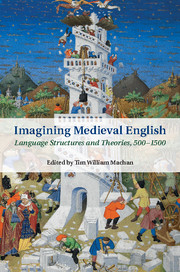
Imagining Medieval English
Language and the Law
David R. Olsen is University Professor Emeritus at the University of Toronto and the author of The Mind on Paper.

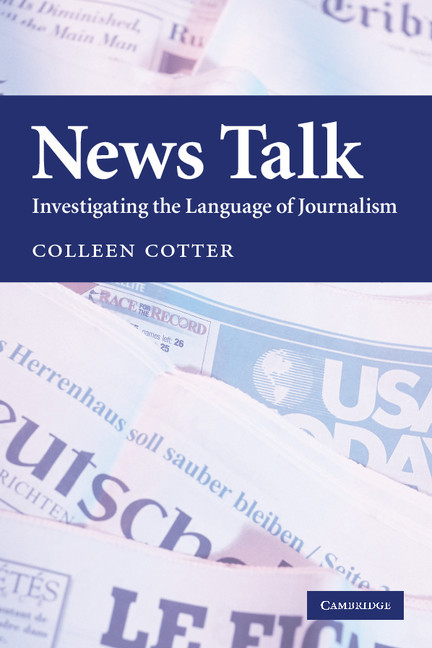
News Talk: Investigating the Language of Journalism
Words at Work and Play
Magistracy and the Historiography of the Roman Republic
The Cambridge Handbook of Stylistics
A Reference Grammar of French
Early Social Interaction
The Hammer of Witches
To receive updates on Language & Linguistics news from Cambridge University Press and Fifteen Eighty Four, please join our email list below. We will not disclose your email address to any third party