Products and services

When you think about Latin American literature, you might first recall the magical realist novels that hit the international literary markets in the mid-twentieth century. This region’s literature might...
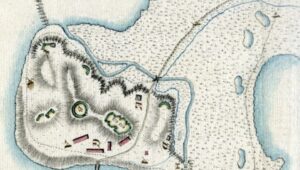
Counterinsurgent warfare is perhaps the dominant form of armed conflict of recent decades. Moreover, its counterrevolutionary variants and antecedents have been with us for centuries. My new book, The...
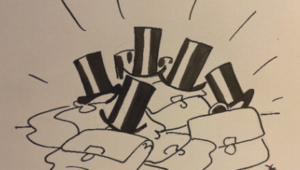
Warren Buffet famously remarked: ‘only when the tide goes out do you discover who’s been swimming naked’. Given his success with a common-sensical and longer-term perspective on money and investing,...
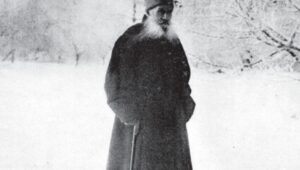
When the COVID-19 pandemic brought normal life to a halt in 2020, thousands of people around the globe began reading Lev Tolstoy’s War and Peace. Virtual reading groups, forums, and op-eds peppered...
The amount of animal suffering in the world is overwhelming. Luckily, there are effective ways to help. For instance, by transitioning to a plant-based diet, you can save on average 30 animals a month,...
Sustainability is on the agenda of many policymakers, businesses, civil society organisations and academia. The publication of the book Sustainable Value Creation in the European Union is therefore especially...
My friend Heather Dubrow, critic and poet, turned to me and said: “The text as enemy.” She was commenting on a talk just given by a prominent literary scholar who championed literary criticism...
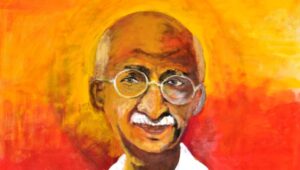
Mohandas Karamchand [Mahatma] Gandhi (1869-1948), anti-colonial nationalist who led nonviolent campaign for India's national self-reliance and independence from British rule; with spinning wheel and caption “The future depends on what we do in the present”. Tomoji NAKAMURA, CC BY-SA 4.0 https://creativecommons.org/licenses/by-sa/4.0, via Wikimedia Commons
Who could have imagined this kind of success for a scientific blog on bilingualism?In 2016, François Grosjean was interviewed about his Psychology Today blog, “Life as a bilingual”, by Ewa...
More than a century after Einstein formulated General Relativity (GR), black holes are firmly established as one of its most striking and inescapable consequences. This realisation itself arrived only...
Over the years I have become increasingly fascinated by the relationship of ancient Rome to the United States, not as the source of particular institutions or a political vocabulary, but as revealing...
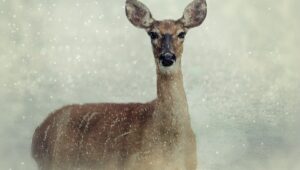
The universal feeling of being a stranger in a strange land helped motivate this book. When I first moved to the Maryland coast to start a postdoc, I was stunned by its varied beauty and, coming from...
Keep up with the latest from Cambridge University Press on our social media accounts.