
Products and services

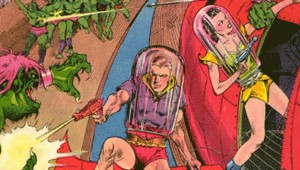
7 fictional aliens that would make great companions (and a few that should stay lightyears away!)
The NATO-commissioned guide to the changing ways of war and the new threats of a digital world. Should civilian hackers be considered military targets? Should victims of damaging cyber attacks be able to strike back with weapons against the offender?
For the latest installment of the Cambridge Book Club, we talked to Mark Brake, the author of Alien Life Imagined, about writing, Darwinian Martians, and his sci-fi bookshelf.
For far too long (since Plato’s era, to be exact), philosophers have portrayed justice as an abstract, universal ideal instead of being an actual reality. In Justice for Earthlings, leading social justice theorist David Miller proposes a theory that connects social justice to the way societies actually function and the way people actually think about what’s fair.
Welcome to Alien Life Imagined, the newest selection for the Cambridge Book Club! Dive in this week with an excerpt from the book, and check for your discount on this and related titles. Don't forget to check back all month—a Q&A with the author, a slideshow, and a playlist are all coming your way.
On March 26th, the Supreme Court of the United States will hear the arguments in Hollingsworth v. Perry, a case that will determine whether California’s voter initiative to ban gay marriage in the state is constitutional under the Fourteenth Amendment. Here at Cambridge University Press, we rounded up six of our experts on the issue for a virtual roundtable discussion about the case and its impact.
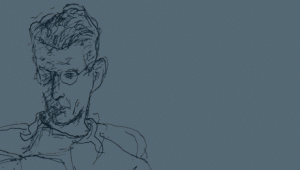
St. Patrick's Day is just around the corner! So we're honoring our favorite March holiday and one of our favorite Irishmen on Into the Intro this week with a preview of Samuel Beckett in Context.
Publicist Rachel E. prepares for what may just be the Year of Comets.
Sarah Conly, author of Against Autonomy: Justifying Coercive Paternalism, offers her expert opinion to our Book Club debate by arguing that paternalism isn't as bad as we tend to think.
Whether we’re awed by a magic act, frightened by a ghost story, or impressed by a mind-reader, there’s nothing unusual about believing in unusual things. For centuries, mesmerists, mediums, and psychics have fueled a fascination with the paranormal and inspired belief in things that seem impossible. Extraordinary Beliefs: A Historical Approach to a Psychological Problem probes a question as perplexing as the incidents themselves: why do people believe in extraordinary phenomena? Go Into the Intro to find out.
Dean Anthony Gratton discusses the implications of our virtual communities and how global connectedness is changing the way we live.
Six contributors to the new book Paternalism: Theory and Practice join us in a roundtable discussion to explain what paternalism really means and how it is affecting our lives. Should other people be allowed to make decisions for us, even when those choices are in our best interest? Join the conversation.
Keep up with the latest from Cambridge University Press on our social media accounts.