Products and services

So you'd like to be an amateur astronomer? You love looking at the stars but aren't sure what to look for or what you're seeing? You just don't know where to start? Never fear, the Cambridge astronomy experts are here, armed with everything you ever wanted to know about stargazing.
In a special announcement, Cambridge University Press unveils an effort to revitalize publishing in the field of women's health by partnering with the internationally esteemed Royal College of Obstetricians and Gynaecologists. For more information on what this joint venture means for women's health literature and education, read the press release here.
In our latest installment of the Cambridge Book Club, Caroline M., the publisher of the Cambridge Library Collection, talks about the excitement of working with rare books from centuries past and how these phenomenal titles are being revitalized in the digital age.
Shaun Lovejoy discusses fast winds, how to measure them, and who holds the record (there's a bit of a dispute).
The recent Gatsby fever ignited by Baz Luhrmann’s new screen adaptation of the beloved F. Scott Fitzgerald novel has had an unexpected effect on the reference world—in particular on James L.W. West III, the editor of The Cambridge Edition of the Works of F. Scott Fitzgerald.
Publicist Rachel E. discusses her first trip to the annual Association of American University Presses conference in Boston, MA and how the industry is starting to think about the future of books marketing.
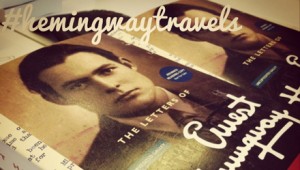
Our photo contest is tracing the young Ernest Hemingway's journeys around the world...submit your photos today!
Reference works designed to help advance learning are a key component of Cambridge University Press' catalog, but sometimes they get buried in library stacks and disappear from the discussion. But this month, we're dusting off our shelves and starting a conversation about these titles and why reference matters so much.
African countries today exhibit the dramatic effects of political and economic reforms undertaken over the past few decades. Many countries now hold regular, competitive elections and citizens enjoy freedoms...
Christine K., our literature marketing associate, talks about the title she's looking forward to working on this summer. Here's one juicy Shakespeare title to check out on the Cambridge literature list.
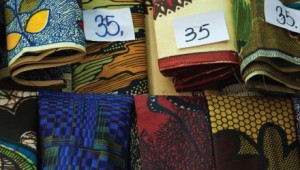
Cotton is a substance used to make clothing, bags, and other items that are bought and sold globally on a daily basis. But how do we turn that little boll of cotton filled with seeds into something we can use?
Michelle Zerba describes the surprising categorization her book received from the Library of Congress and how it changed the way readers and scholars considered Doubt and Skepticism in Antiquity and the Renaissance.
Keep up with the latest from Cambridge University Press on our social media accounts.