
Products and services

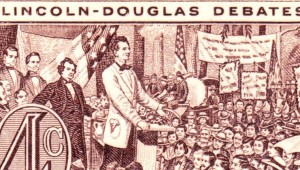
Robert E. May, the author of Slavery, Race, and Conquest in the Tropics, sat down with us to discuss the complex causes of the Civil War, including the little-studied debate between Abraham Lincoln and...
Craig Gibson, the author of Behind the Front, describes the arduous process of historical research and takes us inside an unexpected breakthrough.
David A. Schweidel, the co-author of Social Media Intelligence, outlines the terms of service we agree to when we search in Google, log in to Facebook, and Tweet, and how today's social media innovators may be invading our privacy and learning more about us than we'd like.
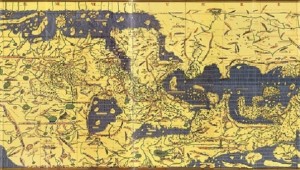
Brian A. Catlos, the author of Muslims of Medieval Latin Christendom, c.1050–1614, explains the history and legacy of Muslims in medieval Europe.
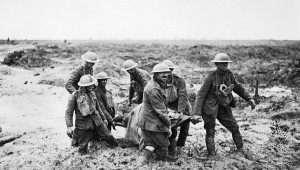
The Great War left behind a legacy of pain, suffering, and anger. The writers who captured it tell a heartbreaking story of a generation lost to war.
Our humble academic blog turns a year old today, and to celebrate, we’ve organized a little game. Join us in a fifteeneightyfour scavenger hunt and you could win Cambridge swag, books of your choice,...
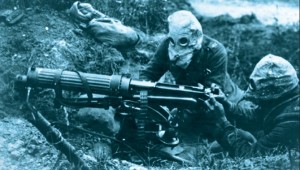
July 1914 was an explosive time, as Europe teetered on the brink of war. The Outbreak of the First World War explores that volatile period, and how it has captured the imaginations of scholars across disciplines, around the world, and through the century.
Waller R. Newell, the author of Tyranny, gives a lecture at the Heritage Foundation on the inescapable struggle between democracy and tyranny. Read More ?
The U.S. Supreme Court’s controversial decision last month in Burwell v. Hobby Lobby was a blow to women’s rights organizations and civil rights lobbyists everywhere, but a victory for religious...
This week, we delve further into the cultural impact of author of the Great War as Paul Sheehan, Modernism and the Aesthetics of Violence, examines pity and pathos in World War I poetry.
As long as there has been law, there's been religion—and vice versa. In this interview with Russell Sandberg, the author of Religion, Law and Society, he explains how age-old debates over the relationship between law and religion have shaped our modern world.
Bruno Cabanes' close look at the birth of the international Human Rights movement is also a study of World War I and the complicated peacetime that followed the first global tragedy. This excerpt from The Great War and the Origins of Humanitarianism offers a glimpse into the complex history of war, peace, and human rights.
Keep up with the latest from Cambridge University Press on our social media accounts.