
Products and services

As debates rage across the American South about the Confederate flag's place in our country's past and present, Cody Marrs, the author of Nineteenth-Century American Literature and the Long Civil War, contemplates the abiding conflict created by the American Civil War and the larger global fight for freedom.
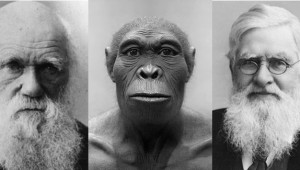
Here’s the question that I raised at the end of my previous post: Does human evolution require some additional, special, explanation that does not apply to the rest of our kingdom? With regard to the...
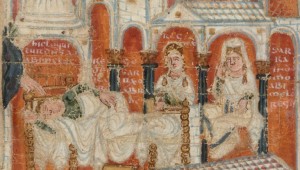
In Francia, probably in the late 780’s, a monk called John had a troubling vision about the death of Christianity. Charlemagne, king of the Franks (768–814), concerned with reforms of the church and...
Catch up on the latest interviews with authors from our religious studies list.
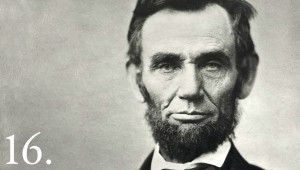
Thomas L. Carson, the author of Lincoln's Ethics, describes what drew him as a philosopher to studying one of the most prominent presidents in American history. And you can check an excerpt from his new book.
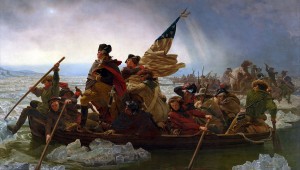
George Thomas, the author of The Founders and the Idea of a National University, reflects on how the concept and birth of American independence informed the educational system in the United States.
As part of our Independence Day series, we're offering an excerpt from Radicals in America on how the Fourth of July poses a radical duality present throughout revolutionary movements in American history.
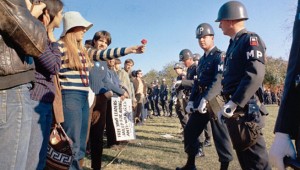
It's July, and with Independence Day right around the corner, we're dedicating a week of posts to the latest scholarship on American history, liberation, and revolution. To kick things off, William Rorabaugh offers an excerpt from his latest book, American Hippies.
From the moment I first saw the enigmatic Scottish carved stone balls, I was intrigued. Although many purposes had been suggested for their purpose during the Neolithic, none had included the possibility...
Ronald Batchelor, author of A Reference Grammar of Spanish, explores the grammatical differences between English and Spanish.
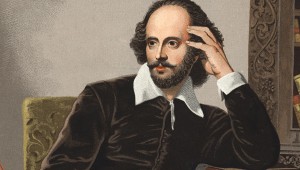
Simon Palfrey, the author of Shakespeare’s Possible Worlds, offers up a new model for appreciating Shakespeare's world--both the world he creates and the real one his writing reflects.
How often do we discourage our children from handling dangerous objects--things like matches and knives? Are we protecting them, or failing to let them learn valuable lessons about the world we live in? David F. Lancy, the author of The Anthropology of Childhood, breaks down these questions from an anthropological stance.
Keep up with the latest from Cambridge University Press on our social media accounts.