

Products and services

Italian Renaissance painter, author, architect, and poet Giorgio Vasari (1511-1574) is best known for his multi-volume Lives of the Most Excellent Painters, Sculptors, and Architects (1st ed. 1550, 2nd ed. 1568), the first artist biographies to be published and a multi-volume book that is considered a foundation for the modern discipline of art history. By Vasari’s own account, the purpose of the Lives of the Artists was to revive the memory of dead artists and allow them and their works to live for eternity. Vasari included his autobiography in the second edition, but there was an additional, non-literary, way in which he ensured he and his work would be remembered by future generations: by constructing and decorating a monumental, freestanding funerary chapel for himself and his family in his hometown of Arezzo.
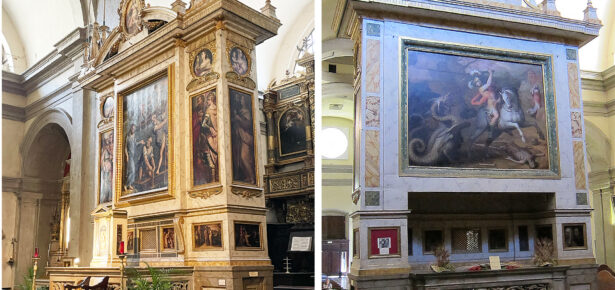
As the man who recorded the works and deeds of past and contemporary artistic stars in his groundbreaking text, it comes as no surprise that Vasari devoted considerable thought, energy, and expense to his own posthumous commemoration. His burial chapel dates from 1560 to 1564 and served as the high altar of the medieval church of Santa Maria della Pieve located in Arezzo’s historic center. By the time Vasari built the altar, artists’ funerary monuments had become increasingly common and ambitious. He appears to have been unique, however, in being granted patronage and funerary rights to a high altar. Covered on four sides with more than two dozen iconic, narrative, and allegorical images and family portraits, in addition to illusionistic stone revetment, Vasari’s high altar for the Pieve is, first and foremost, a painted monument. As such, it stands as a testament to Vasari’s identity as a painter by foregrounding the medium that defined his artistic career.
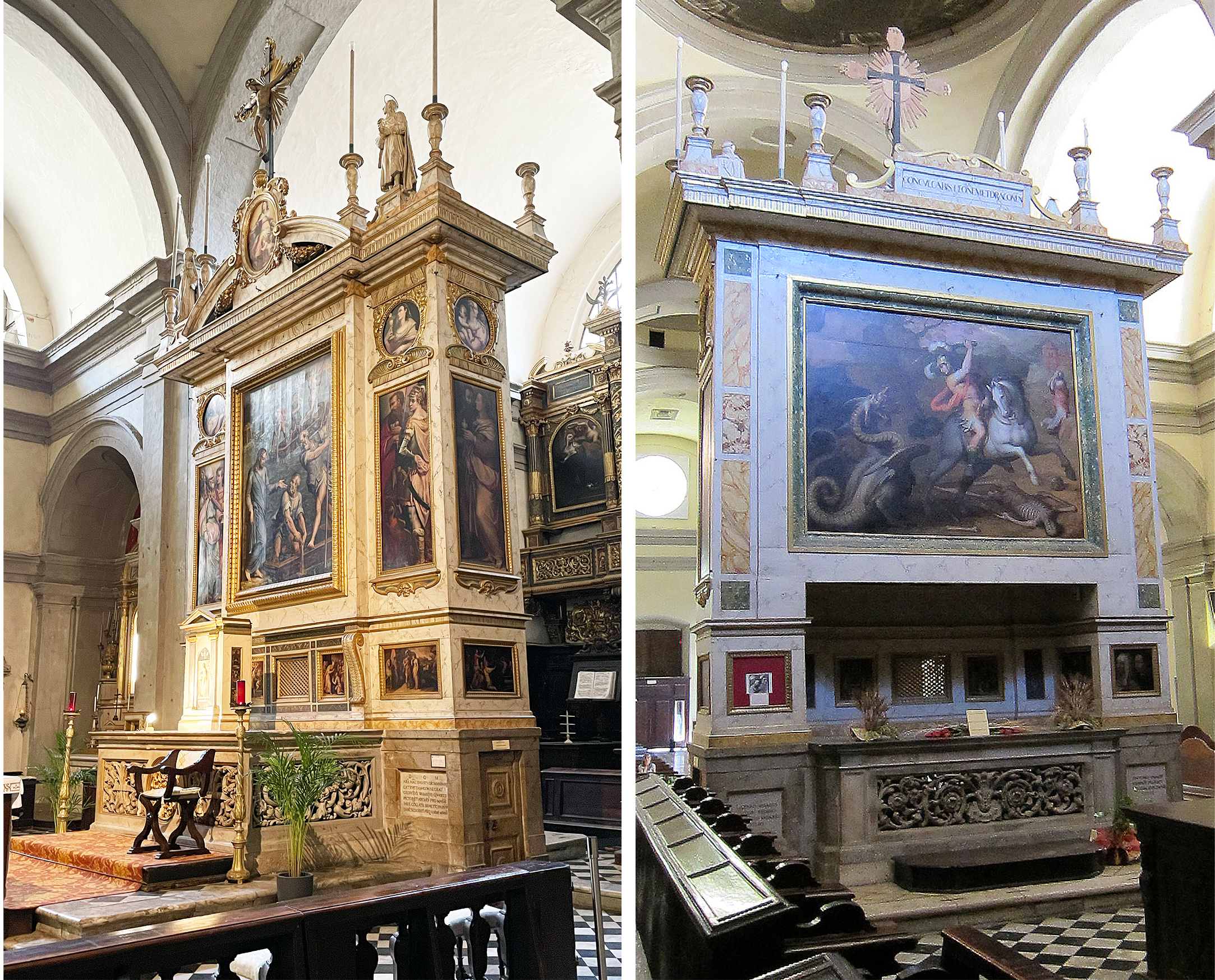
The most prominent paintings on the Pieve’s high altar that are related to Vasari and his kin are located on its back, where a large, horizontal panel of St. George Killing the Dragon presents the signature act of Vasari’s name saint with drama and mannered flair. Below it are smaller double portraits of Vasari’s parents, great-grandfather Lazaro, and grandfather Giorgio. Those images and further paintings of name saints associated with Vasari and his male and female relatives elsewhere on the altar are integral elements of a structure whose size and iconographical complexity were unprecedented for an artist’s funerary chapel.
Vasari died in Florence in June of 1574, and, according to his testamentary wishes, his body was transported to Arezzo, where he was buried at the foot of the Pieve’s high altar. During a neo-medievalizing renovation of the church in the second half of the nineteenth century, however, the Pieve was emptied of its artworks and its east end reconstructed with an elevated choir. At that time, the high altar was dismantled and moved to the Aretine church of the Badia of Sts. Flora and Lucilla. Despite the removal of Vasari’s work from the Pieve, the monumental high altar before which he was interred continues to testify to the personal, familial, and artistic legacy of a man who is better known for preserving and promoting the memory and posthumous reputations of artists other than himself.
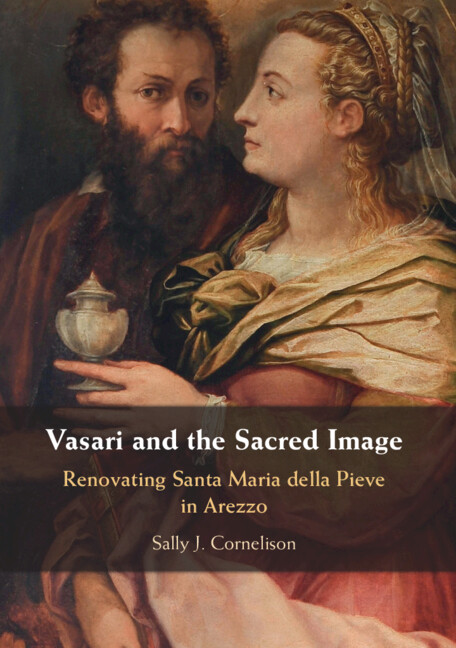
Vasari and the Sacred Image by Sally J. Cornelison

Sally J. Cornelison is Professor and Director of the Florence Graduate Program in Italian Renaissance Art at Syracuse University. A specialist in the history of Italian late mediev...
View profile >Keep up with the latest from Cambridge University Press on our social media accounts.


Latest Comments
Have your say!