

Products and services

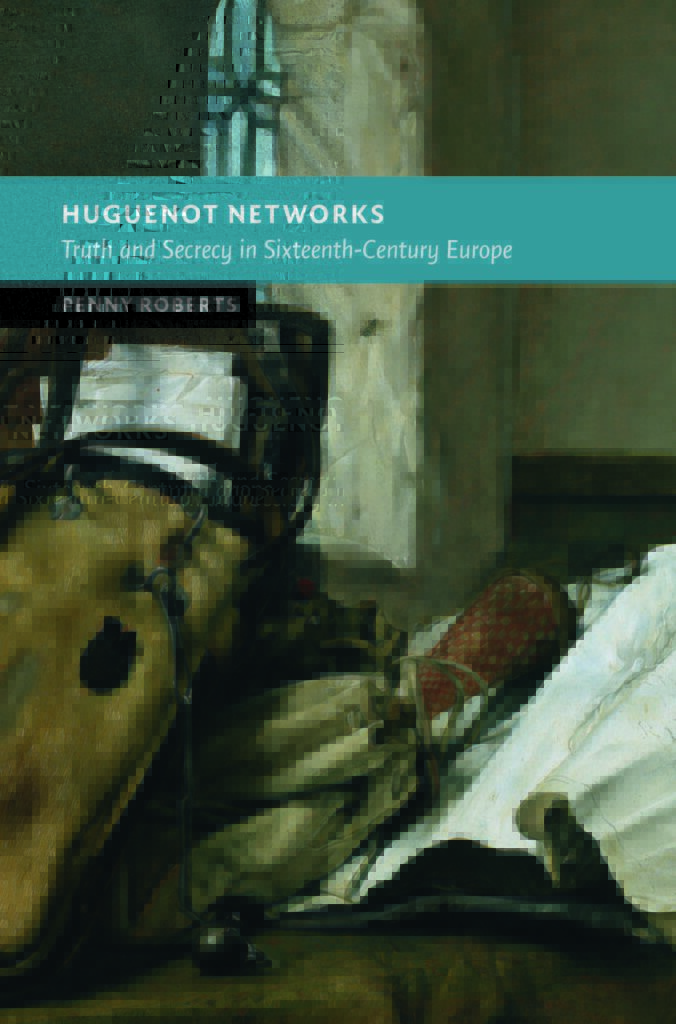
On 10 May 1570, at the chateau of Dieppe in Normandy, a cloth-merchant was interrogated about the contents of a basket he was carrying, including thirty notes and letters ‘concealed in a bed of straw under cheeses’. This chance interception piqued my curiosity about the wider context of this episode, from where and to where, and from whom and to whom, the messages were being taken. It led to further investigation, eventually uncovering a European network of Protestant contacts involving ambassadors, aristocrats, clergymen, diplomats, double agents and spies. The connection between them was the upholding of the Huguenot (French Protestant) cause as part of a wider international operation. This formed the basis for my book on Huguenot Networks: Truth and Secrecy in Sixteenth-Century Europe.
Piecing together these often-clandestine activities is a challenge. It requires trawling through many sorts of documents, following leads that disappear and chance encounters with pieces of familiar handwriting or brief references to identifiable figures. It sheds light, too, on the experience of exile, how communication networks were maintained through correspondence that was often smuggled across borders. It soon became clear that this dangerous work was mainly being carried out by Huguenot pastors, committed to the religious cause of which they were a crucial part. This network intersected with official channels of diplomacy as well as building its own European contacts. It sought to pass on information, but just as importantly to provide support for those forced into exile, and played a vital role in keeping them connected to the wider Protestant movement.
Those involved in the network were closely connected, not just to French Protestant leaders, but to those in Elizabethan England, Imperial Germany and leading the Dutch Revolt against Catholic Spain, as well as the Calvinist church in Geneva. They supplied information, too, about the Catholic network around Mary, Queen of Scots, in particular, details of its French contacts. They corresponded with ministers and scholars, were engaged with theological controversy, and helped fellow pastors out with money for their education and the retrieval of their possessions abroad. They did so at considerable risk to themselves at a time of persecution and even execution for such actions. Above all, they had to be resourceful and agile, maintaining secrecy in the service of their faith. It is evident that these pastors became adept at the subterfuges and strategies required of successful distributors of clandestine correspondence. Yet, despite their importance, they have received little credit from historians, precisely because their activities have for so long remained hidden.

Penny Roberts is Professor of early modern European History at the University of Warwick. Her research focuses on the social, religious, cultural and political history of sixteenth...
View profile >Keep up with the latest from Cambridge University Press on our social media accounts.



Latest Comments
Have your say!