

Products and services

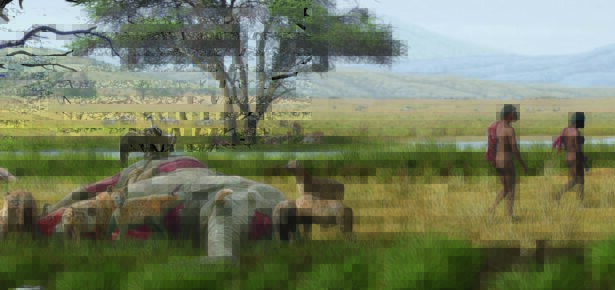
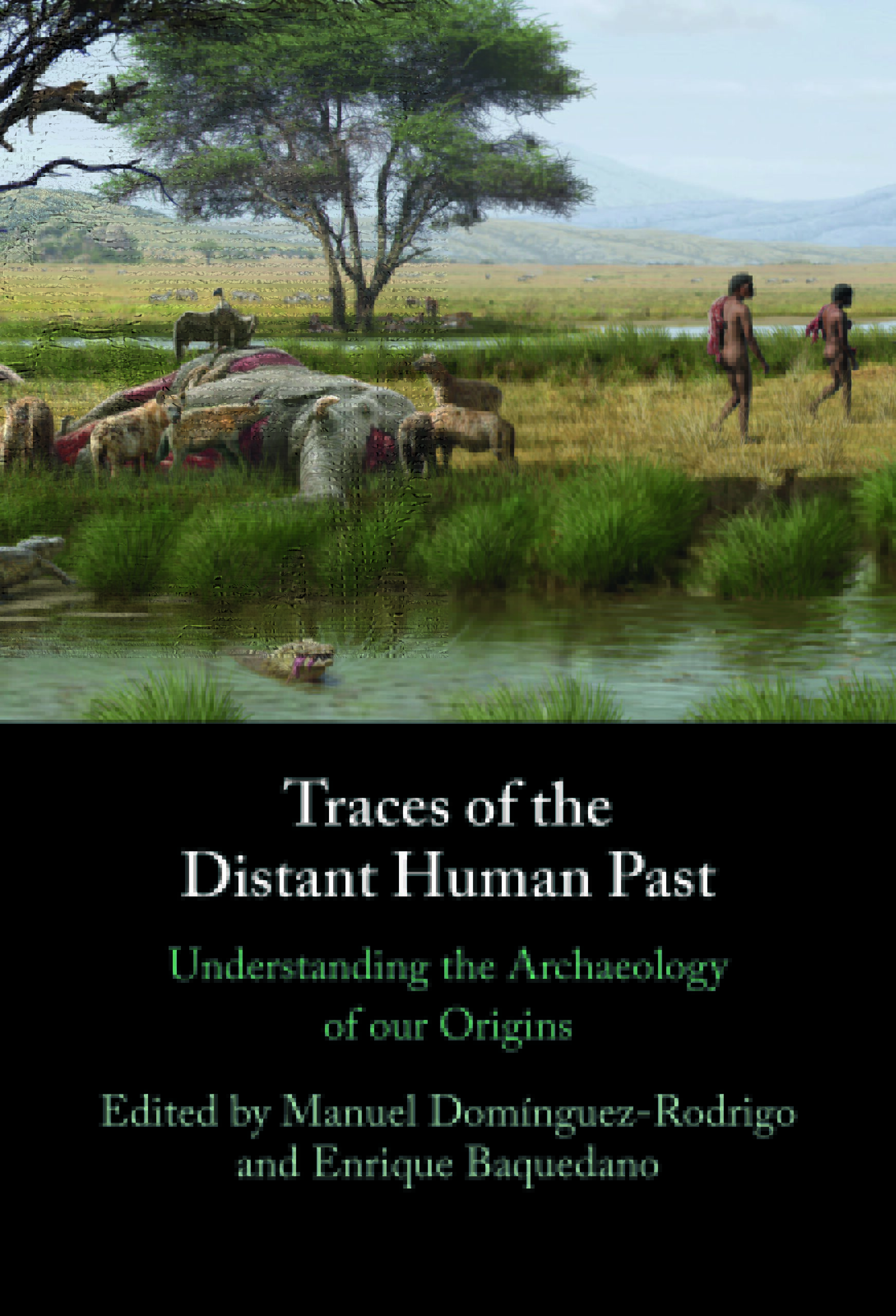
In the last few decades, archaeology has undergone a technological revolution. From high-resolution LiDAR to advanced radiocarbon dating and ancient DNA analysis, our “toolbox” has never been more sophisticated. Yet, a fundamental question remains: despite these advancements, have we actually made progress in understanding the behavior of early humans? Our new book, [TRACES OF THE DISTANT HUMAN PAST], suggests that the answer is more complex than we might hope. We argue that while methodology and technology have surged forward, our understanding of the behavioral component of the archaeological record has hit a plateau. By critically examining the narratives surrounding early human life, we question whether current practices are truly scientific—or if we are simply refining the way we collect data without a secure theoretical link between the past and the present.
The journey into our past begins with a sobering reality check regarding the archaeological record itself. In the introduction, we address the limitations of existing frameworks, such as non-systemic approaches to evolutionary theory and a persistent lack of rigorous hypothesis testing. The record is plagued by issues of preservation, integrity, and resolution. In fact, we argue that only a handful of sites globally meet the strict criteria required for reliable behavioral interpretation. To move forward, we must view early humans not as “unique” anomalies, but as ecological organisms. In Chapter 1, we look at the Oldowan sites of Africa through a comparative behavioral ecological lens. By removing the veil of “human uniqueness,” we can see our ancestors as systemic beings interacting with their environments.This theme continues in Chapter 2, where we apply socio-biological theory to analyze the evolutionary basis of hunting and gathering. By examining the roles of cooperation and competition, we can better understand the origins of modern human foraging strategies and the adaptive pressures that shaped early societies.
The book takes a global tour of the current state of the field, finding similar disconnects across continents. In Chapter 3, focused on the European early archaeological record, we highlight a significant gap between data collection and behavioral understanding. We call for high-resolution analyses of key sites to move beyond simple artifact counts and toward an accurate reconstruction of Pleistocene lifestyles. Chapter 4 addresses the unique challenges of the Asian archaeological record. Here, we propose a path forward using artificial intelligence and new taphonomic tools to ensure a more objective and rigorous methodology.
Ultimately, this book is a call for a paradigm shift. We advocate for a more scientific, theoretically informed approach that prioritizes the “why” and “how” over the simple “what.” We must move toward a more ecological approach, emphasizing the systemic nature of behavior and the context of the environments in which our ancestors lived. It is time to stimulate critical thinking and adopt new conceptual frameworks. If we are to truly decipher our past and better understand ourselves, we must first ensure that the science we use to study the past is as robust as the technology we use to find it.

Manuel Dominguez-Rodrigo is is Professor of Archaeology at Rice University and co-director of the Institute of Evolution in Africa, University of Alcala. Co-director of the Olduvai...
View profile >Keep up with the latest from Cambridge University Press on our social media accounts.


Latest Comments
Have your say!