

Products and services


Have you ever wondered how Greek and Roman doctors thought about patients who heard voices or saw scary things that did not really exist? What did they make of people who seemed “out of it”? Could they find any differences between such hallucinations and vivid dreams? What did they think happened during sleep? Did they distinguish between deep sleep and fainting … or death?
All these questions –which we nowadays frame within the elusive concept of consciousness, its changing levels and disturbances– have also puzzled medical minds from classical Greece to the Roman Empire. When trying to explain these symptoms –and eventually cure them– ancient doctors developed interesting theories, which often went beyond the strictly medical and allowed glimpses into the broader intellectual world they inhabited.
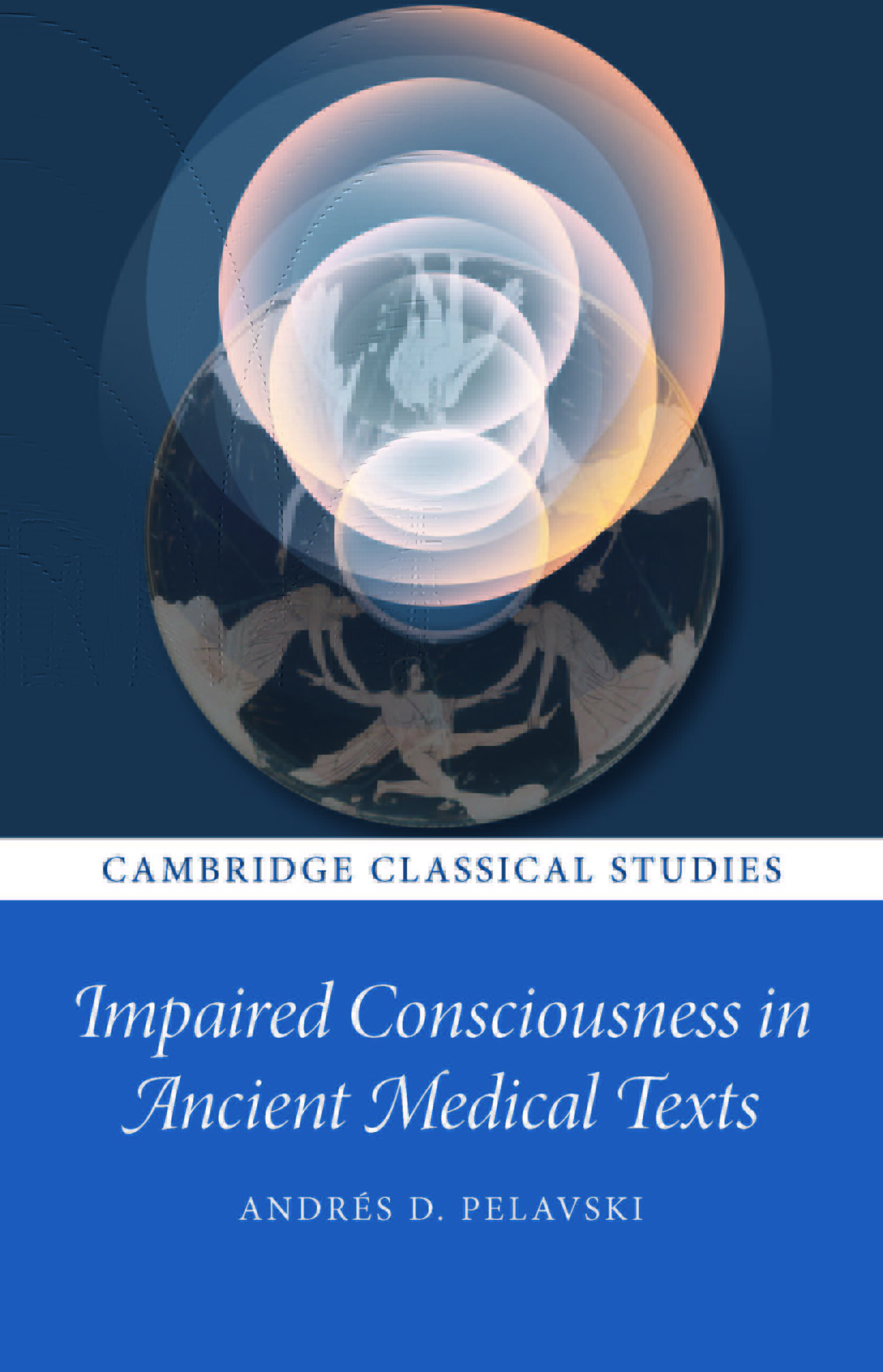
Impaired Consciousness in Ancient Medical Texts focuses on authors from three different periods: first, examples from the oldest extant testimonies of Greek rational medicine (included in the Hippocratic Corpus); second, the works of Celsus, the Roman encyclopedist, and Aretaeus of Cappadocia –both summarizing, synthesizing and building upon ideas and discoveries from the Hellenistic period; and finally, a few treatises by Galen, the great doctor of the Roman Empire. The book explores how these medical writers understood, classified, explained and made sense of various conditions that we currently classify as forms of altered consciousness.
Why does it matter and how is it different from other works?
Impaired consciousness sits at a fascinating crossroads — between body and soul, health and disease, life and death. As a result, its analysis offers insights into the philosophical, cultural and scientific tensions that these notions generated among the societies where they were actively discussed. In this regard, the book takes a more comprehensive look at the different presentations of impaired consciousness than other recent scholarly approaches. Most of these studies have focused on ‘madness’ or narrowed their scope to ideas about the ‘mind’, thereby overlooking important links between the various manifestations of this condition.
On the contrary, by clearly defining delirium, and including sleep and fainting amongst the typical alterations of consciousness, this volume reveals important nuances in the way the different authors construed and distinguished key concepts. Notions such as mind and its relations to body and soul are portrayed more clearly (as do the differences in how they were conceived throughout the different texts and periods), when considering the various forms in which consciousness can be affected. Similarly, this broader framing of consciousness reveals that the boundaries between apparently opposite states, such as delirious–compos mentis, asleep–awake, healthy – sick, or alive – dead are more blurred than one would intuitively think.
In a nutshell, this journey into some foundational medical texts of classical antiquity opens a door to a world where science and philosophy were deeply intertwined. In that world, a group of ancient thinkers laid foundational ideas about some complex aspects of human experience that still resonate today.
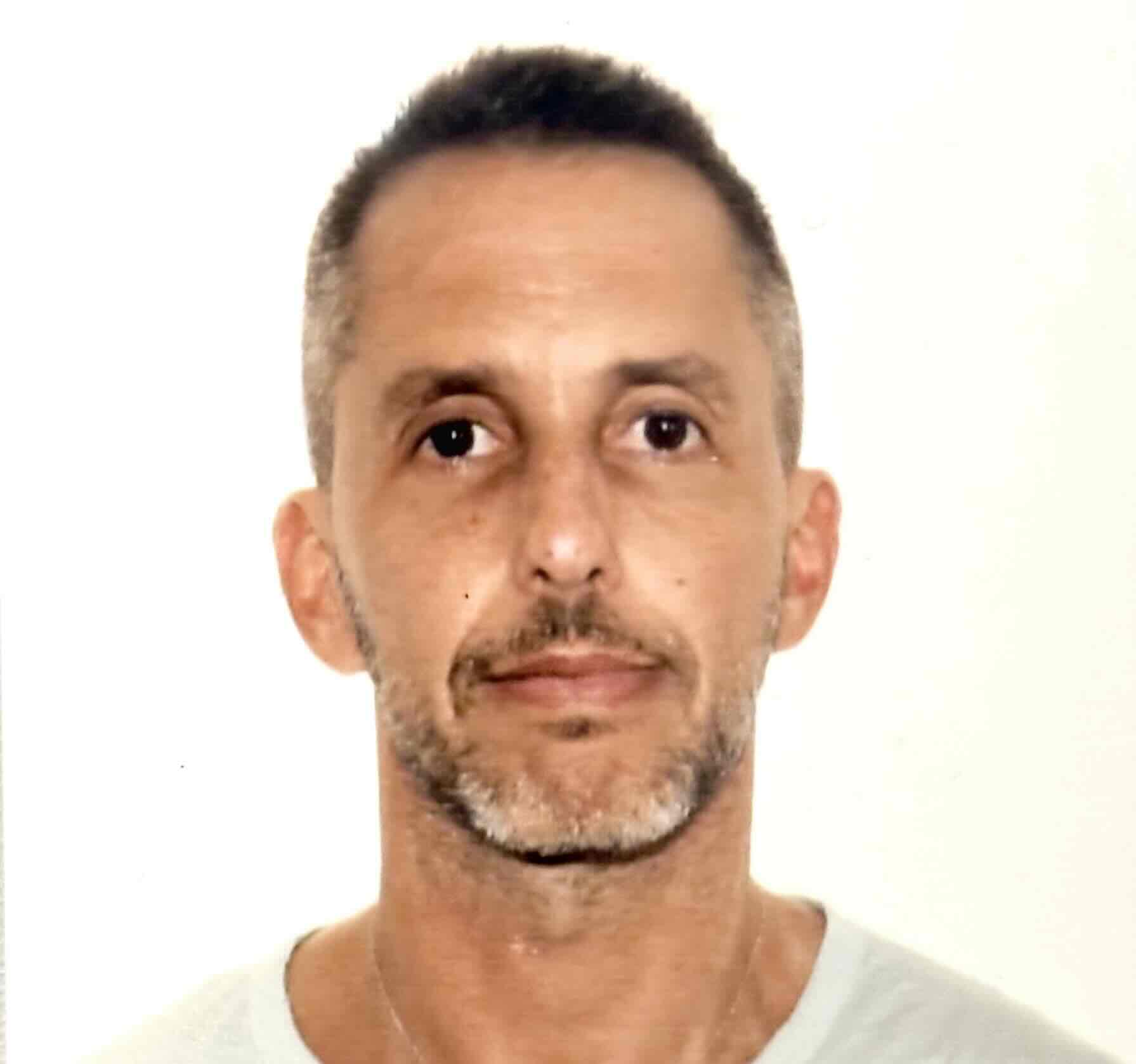
ANDRÉS PELAVSKI holds a postdoctoral position at the Hebrew University of Jerusalem. He is a consultant anaesthetist as well as a classicist and the book originated in his doctora...
View profile >Keep up with the latest from Cambridge University Press on our social media accounts.


Latest Comments
Have your say!