

Products and services


Image credit goes to: Devin Bittner
Esperanto, Klingon, Na’vi … these are examples of invented or constructed languages (conlangs for short). Unlike ‘natural’ languages such as English, Swahili, or Navajo, which arise and change organically, conlangs are consciously created; Esperanto by Ludwik L. Zamenhof, Klingon by Marc Okrand, Na’vi by Paul Frommer. Like natural languages, many conlangs boast rich vocabularies in addition to developed linguistic systems (grammars) that guide how sounds combine to form words, and how words connect to form sentences. Some conlangs even have irregular nouns or verbs and/or are modeled on how languages change over time: such is the case of the Elvish languages created by J.R.R Tolkien and featured in The Hobbit and The Lord of the Rings.
Why would anybody attempt to construct a language? After all, there are over 7,000 natural languages (natlangs) in the world-wouldn’t it be better to learn one or more of them? Why indeed. Some conlangs enhance imaginary worlds associated with books, movies or shows. Such is the case of Kesh (Always Coming Home), Klingon (Star Trek), High Valyrian (Game of Thrones), Belter Creole (The Expanse), and many others. Other conlangs arise from a search for beauty or aesthetic pleasure, only later inspiring a story or a fictional world. Well-known cases include Sindarin and Quenya, which Tolkien invented before writing The Hobbit and The Lord of the Rings. A more recent example is Loxian, created by Enya’s lyricist Roma Ryan. At first, Loxian was meant to provide a certain sound quality for one of Enya’s songs in her album Amarantine. However, as Roma Ryan developed it, she also invented a cultural and historical background for the fictional speakers of her conlang.
Enhanced worldbuilding and the search for beauty or aesthetic pleasure are not the only motives behind language invention. Consider for example Lingua Ignota (‘Unknown Language’) created by St. Hildegard of Bingen in the 12th century. Perhaps the first conlang on record—since it shows rudiments of a linguistic system—Lingua Ignota seems to have served a mystical purpose for Hildegard. It is likely that the Benedictine Abbess was trying to leave behind the constraints of everyday language to reach transcendence, and become closer to God.
Mystical languages had their heyday in the Middle Ages. A wave of philosophical languages followed, particularly during the 17th century. Their goal was to devise the perfect language that would reveal the true nature of the world. Languages were, according to the Babel myth, corrupted. The perfect language would make sense of the universe. In the 19th century, a different goal became prevalent: creating a ‘lingua franca’ among people who speak different languages. Esperanto, Volapük, and Interlingua exemplify this goal. More recently, some language inventors have endeavored to create languages that, if not perfect, will at least be better than natural languages. But better is, like beauty, in the eye of the beholder: it could mean a more logical, less ambiguous language (Loglan/Lojban), one centered around female experience (Láadan), or a language as simple as possible, to help its speakers focus on what really matters (Toki Pona).
Transcendence, perfection, language improvement: these are certainly lofty goals. But let’s not forget that the drive to create and play with language starts with children. ‘Secret’ and made-up languages help children feel that they are part of a group, and that their communications are safe from adults or other kids. Language invention as language play: many children go through such a stage, and then move on to other things and forget, perhaps feeling foolish and embarrassed. A few, however, might continue to construct languages as adults, pursuing a ‘secret vice’, in the words of J.R.R. Tolkien.
I remember being in awe by Sindarin and Quenya after reading The Hobbit when I was around 11. I had never imagined that one could invent a language. I immediately set out to do so, creating lists of nouns and verbs, as well as sample sentences. I worked on my conlang for a few weeks and somehow convinced my best friends to learn it with me, under the ruse that the radio was broadcasting lessons on it. But soon I got stuck; I could not figure out how to develop the language further. The lessons with my friends came to an end, and we never talked about this conlang again.
Why did I go through this effort? There was of course the intellectual enjoyment of emulating Tolkien and coming up with a language of my own. But beyond this, I believe I tried because I loved languages: the different sounds they have; the unique meanings they convey; the interesting ways in which sentences can be put together. I would argue that this is the case for most, perhaps all language inventors. You must love languages, if you will be spending days, months, even years thinking through the details of a language that nobody speaks, and probably nobody ever will.
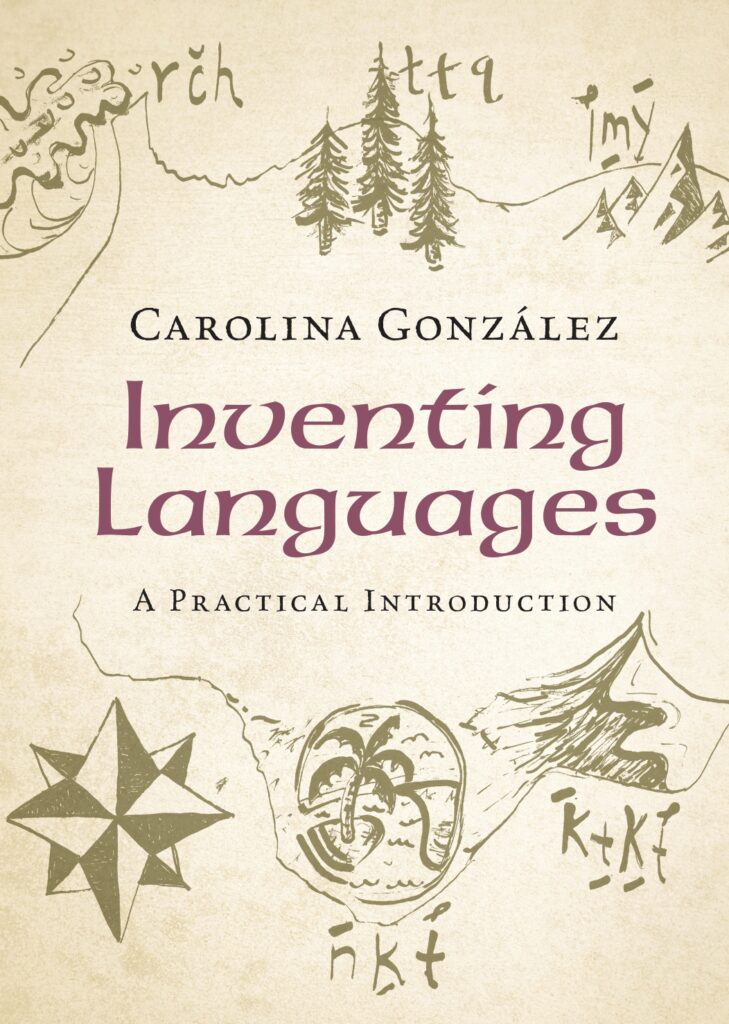
As an adult, after teaching conlanging courses for over 10 years, I have also seen that the process of constructing languages can also foster a deeper understanding and appreciation of languages. My book Inventing languages: A practical introduction focuses on how to create your own conlang in connection to a fictional world. This is done step by step, taking into consideration both how natural and constructed languages work. In the meantime, if you are curious about how some of the conlangs mentioned in this entry sound, here is a playlist so that you can experience their wonder.
Conlang playlist
Esperanto
Junaj idealistoj by Dolchamar
High Valyrian
Hāros Bartossi by Indigo & the Sirens
Kesh
Music and Poetry of the Kesh by Ursula K. Le Guin & Todd Barton
Klingon
Let it go (TlhIngan Hol) by The Klingon Pop Warrior
Lingua Ignota
O orzchis Ecclesia by Sequentia (Latin and Lingua Ignota)
Lojban
Lo No Valsi by Guskant
Loxian
Less than a Pearl by Enya
Na’vi
The Songcord by Zoe Saldaña
The Storm by TheFatRat & Maisy Kay (Na’vi and English)
Quenya
May it be by Enya (English and Quenya)
Toki Pona
ken la sina musi by jan Sepulon li kalama
Sindarin
Aniron by Enya
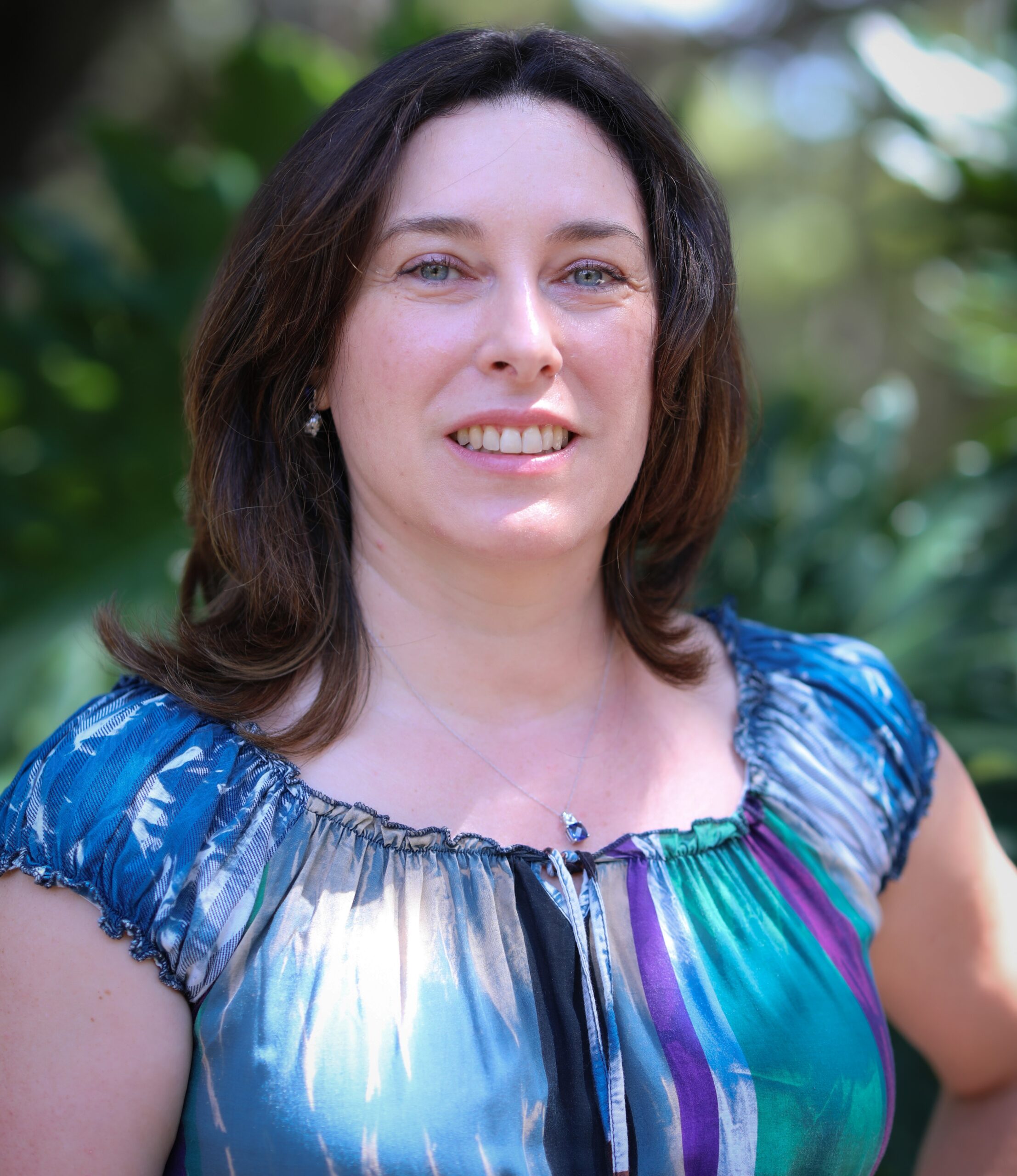
Carolina González is Professor of Spanish and Linguistics at Florida State University....
View profile >Keep up with the latest from Cambridge University Press on our social media accounts.




Latest Comments
Have your say!